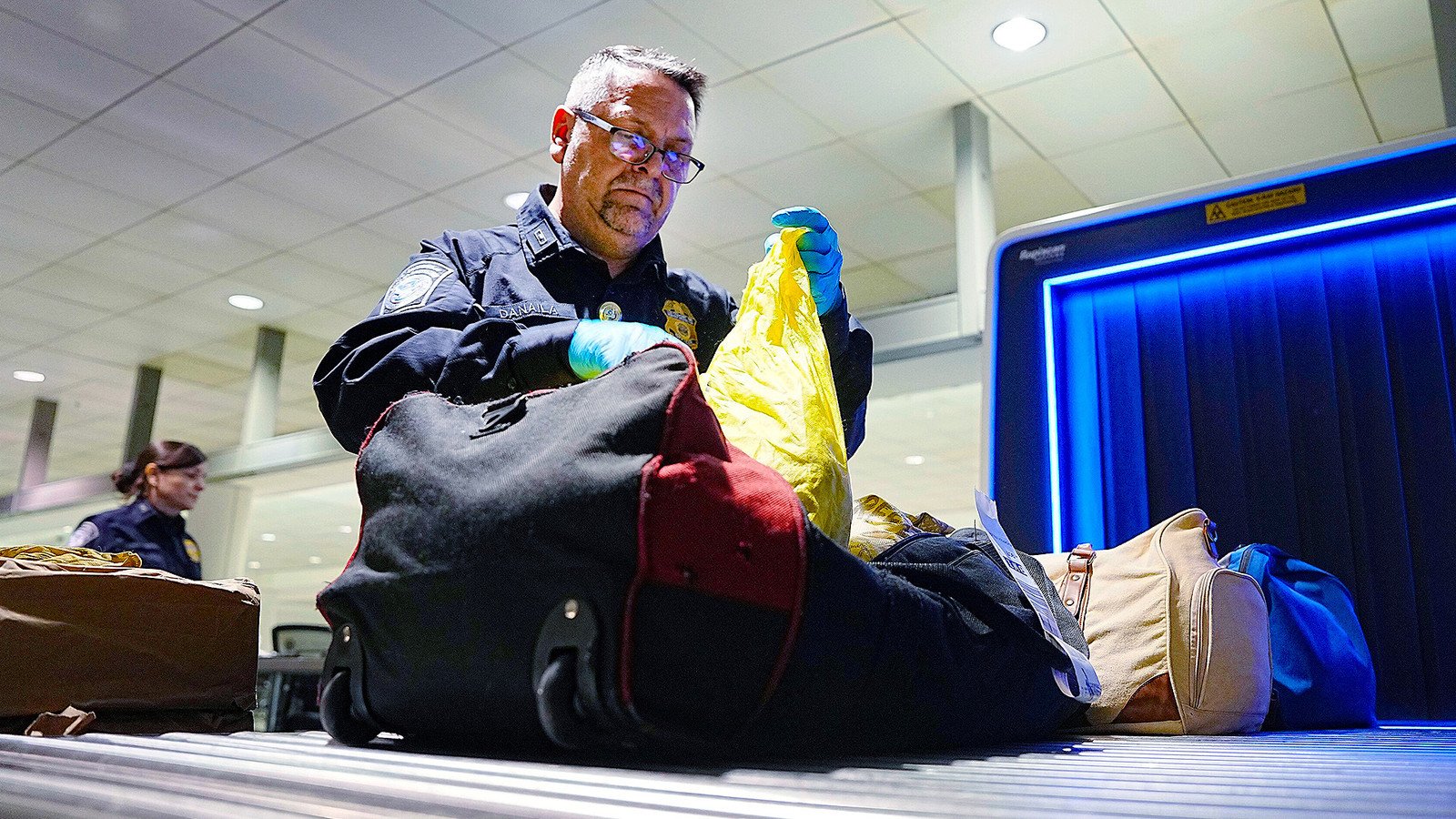
For many international travelers who have crossed the border multiple times without incident, returning to the United States may feel routine. However, a valid passport, visa, or ESTA doesn’t guarantee admission. U.S. Customs and Border Protection (CBP) officers make that decision at the port of entry, and some travelers are caught off guard when they’re suddenly refused entry to the U.S.
Some reasons for refusal are predictable, including serious immigration violations or criminal convictions. However, others involve activities travelers may consider harmless. In several reported cases, visitors encountered difficulties at the U.S. border despite previously entering the country successfully.
Here are five issues that could cause travelers to be questioned, detained, or denied entry.
5
Doing Chores In Exchange For A Homestay
Staying with a local family can make a long trip cheaper, but promising to help around the house in exchange can lead to being denied entry into the country. This is because, even if the traveler isn’t paid, immigration officials may see the arrangement as payment and view the chores as unauthorized work.
Back in 2025, British graphic artist Rebecca Burke learned this during her four-month backpacking trip across North America. According to The Guardian, Burke used a cultural exchange website called Workaway to stay with host families while helping with things like cooking, cleaning, and dog walking.
She had already completed one Workaway stay in Portland when Canadian officials stopped her at the border and determined that she needed a work visa. When Burke was returned to the U.S., authorities also treated the homestays as work that wasn’t permitted under her visitor status. She was handcuffed and held in an immigration detention center for 19 days before returning to the U.K.
4
Admitting To Previous Marijuana Use
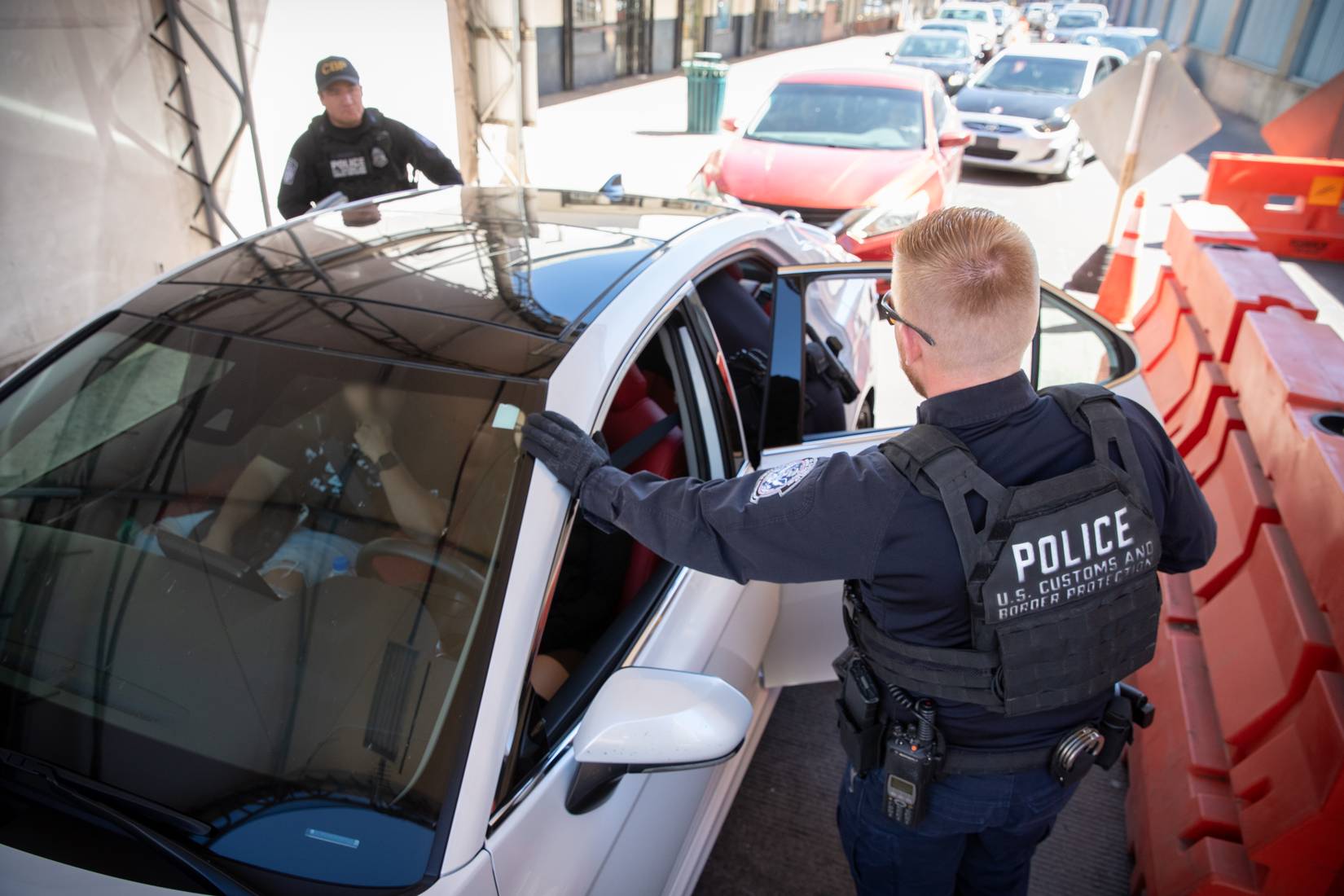
Marijuana is legal for recreational use in Canada and in 24 U.S. states. However, these laws do not change federal immigration rules. Consequently, foreign visitors can face border issues due to past cannabis use, even if they are not carrying the drug during their trip.
In one Reddit post from 2024, a Canadian traveler said CBP denied them entry because they reportedly admitted to trying marijuana during a 2010 border inspection. They were later allowed to enter the U.S. on two occasions and even received a NEXUS card.
However, just one month after receiving it, a CBP officer determined that the traveler was inadmissible under Section 212 and revoked the card. Section 212 of the Immigration and Nationality Act says travelers can be denied entry for certain controlled-substance violations or admissions.
“I’m a Canadian and tried crossing in 2010 in a vehicle registered to my father’s company. They searched the vehicle and found a small stem that allegedly tested positive for marijuana. I felt harassed into admitting that I tried it once on my 18th birthday,” the Reddit user wrote.
The Reddit user continued, “In 2024, after having my Nexus for one month, I attempted to travel with my partner and was pulled into secondary. The CBP officer was very harsh, told me that I’m inadmissible under Section 212, and revoked my Nexus card. … She had made up her mind, and I could not reason with her.“
According to the traveler, the officer said the agents who previously admitted them hadn’t looked into the record closely enough.
3
Spending Too Much Time In The U.S. Even Without Overstaying
Leaving the U.S. before an authorized stay expires doesn’t guarantee a traveler will be admitted again. One Canadian traveler described encountering this problem after spending about four months in the U.S. over several trips.
In a Reddit post, the traveler said she initially visited Dallas for around a month, briefly returned to Canada, and then spent another three months in the city. After two weeks back in Canada, she tried to enter the U.S. again but was denied. The traveler said they hadn’t overstayed, worked illegally, or intended to live in the U.S. permanently.
“They said it was suspicious how I was going back and forth from Canada to [the] U.S. without a job, and I told them about my savings, and they didn’t seem to care about ANYTHING I said. After this, he told me I was not going to be allowed into the US, he confiscated my Nexus, and gave me a checklist to bring back to prove my ties to Canada,” the traveler wrote.
There’s no official rule that requires visitors to spend a specific number of days outside the U.S. between trips. However, the State Department explains that nonimmigrant visitors may need to demonstrate strong ties outside the country and prove they’ll leave after a temporary stay.
2
An Unresolved Visa Application
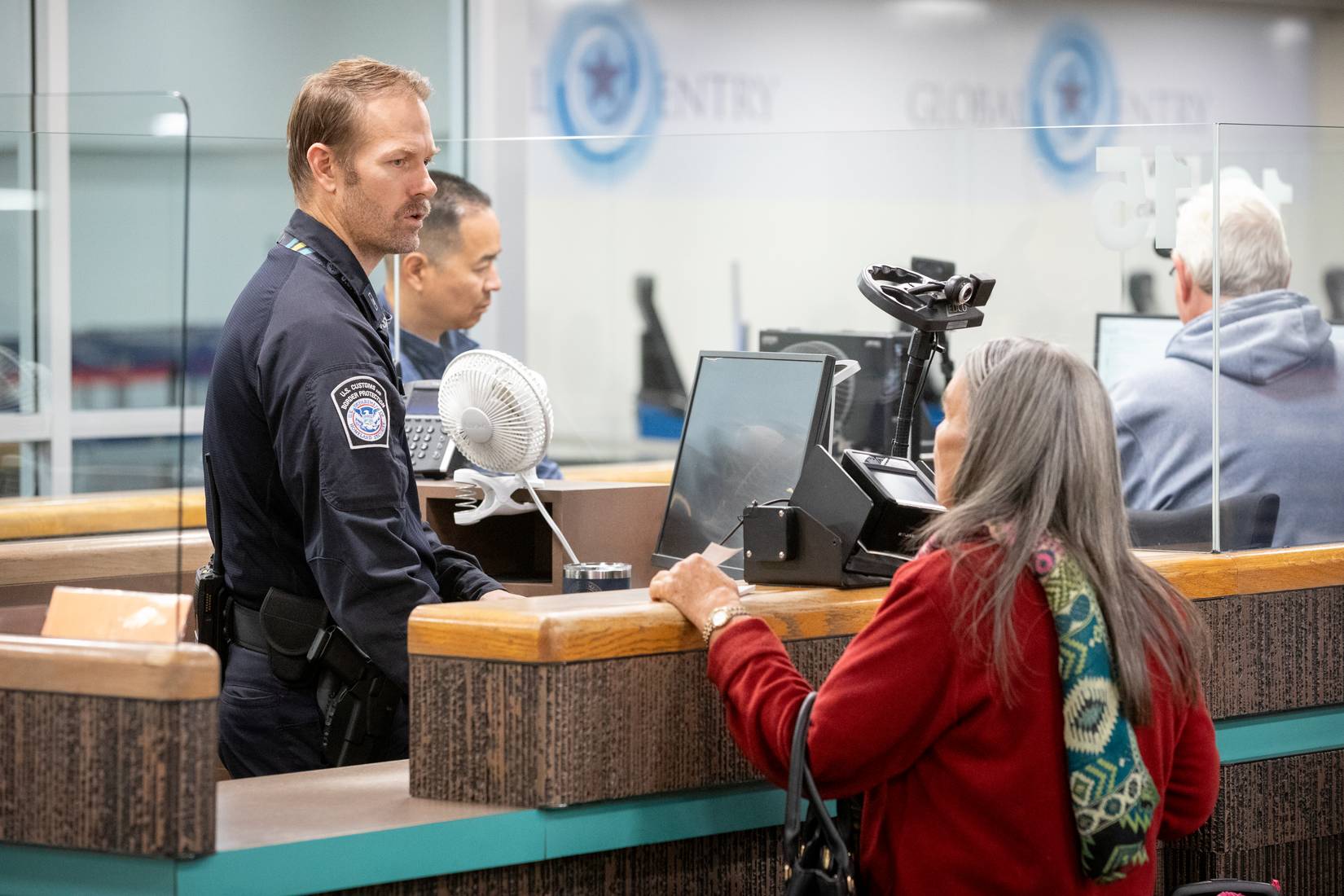
A previous visa application can affect a traveler even if it was submitted using a passport from another country of citizenship. CBP officers can still view a traveler’s earlier applications and refusals. That seems to be what happened to one Canadian traveler earlier this year.
The traveler, who is a dual citizen, explained on Reddit that they had entered the U.S. twice using their Canadian passport without a problem. However, CBP turned them away during a later crossing because of an open tourist visa application filed under their Iranian passport.
According to the traveler, the older application was delayed but was never officially closed — though they assumed the visa had been rejected.
“They said that because I had previously applied for a U.S. tourist visa using my Iranian passport, my case was still open in their system and had gone into administrative processing/clearance, and it was never actually closed — even though I thought it had simply been rejected. They told me that until the State Department officially closes the case, I currently cannot enter the U.S.,” the traveler wrote.
Another Reddit user later gave their opinion of what happened, suggesting the application was probably denied due to the recent proclamation, which took effect in January 2026, restricting travel for nationals of 19 countries, including Iranian citizens.
Although the proclamation exempts dual nationals traveling on a passport from a country that isn’t restricted, the traveler’s earlier visa and security-screening records still affected their admission.
1
Refusing To Unlock A Phone

Visitors may also jeopardize their admission by refusing to unlock a phone or any other electronic device newly added to CBP’s search list.
According to a report by The Washington Post, the consequences depend on the traveler’s status. U.S. citizens cannot be denied entry for refusing to unlock a device. However, CBP may delay them or keep the phone.
Foreign visitors don’t have that same guarantee. While refusal to unlock a phone doesn’t automatically result in denial, CBP’s device search policy says officers “may consider the foreign national’s noncompliance and the inability to inspect the device when making admissibility decisions and may take appropriate law enforcement actions.”
Devices Subject To Search At The U.S. Border:
|
Smartphones |
|
Laptops and Tablets |
|
Hard Drives, USB Flash Drives, SIM Cards |
|
Cameras and Drones |
|
Smartwatches and Vehicle Infotainment Systems |
Ultimately, a valid passport or visa only allows travelers to request admission to the United States. Since CBP makes the final decision at the border, visitors should review their immigration history before traveling. And if there’s any uncertainty, it’s best to contact immigration officials directly to prevent an unexpected denial from bringing your entire trip to a halt.