In a region that boasts Rio’s Christ the Redeemer in Brazil and Chile’s Torres del Paine National Park, Peru’s ancient Inca city of Machu Picchu in the Andes Mountains remains one of the world’s most iconic must-visit destinations and an absolute archaeological treasure. Yet, Machu Picchu is far from the world’s only phenomenal ancient ruin worth visiting.
One of Earth’s most fascinating ancient sites lies inside the U.S. The southwest corner of Colorado, about halfway between Denver and Las Vegas, Nevada, is home to Mesa Verde National Park. Despite the park’s stunning landscape, Mesa Verde’s biggest attraction is its unforgettable collection of ancient cliff dwellings, mesa-top structures, and other priceless archeological sites from centuries before European colonization reached America.
The combination of ancient archaeology and a dramatic mountain backdrop sometimes earns Mesa Verde National Park the nickname “the Machu Picchu of America.” And yet, in many ways, Mesa Verde is more impressive than its Andean counterpart, representing an even longer legacy of human culture and history.
Today, Americans enjoy its advantage of a convenient location and visitor-friendly national park amenities.
Colorado’s Mesa Verde National Park Is Nicknamed “Machu Picchu Of America”
Colorado’s reputation as a beautiful destination largely rests on its Rocky Mountain High character. Towering snow-capped peaks, photogenic alpine meadows, gorgeous mountain towns, and underrated ski resorts are some of Colorado’s crown jewels. However, the stunning rugged landscape on the western side of the state houses one of America’s oldest architectural wonders.
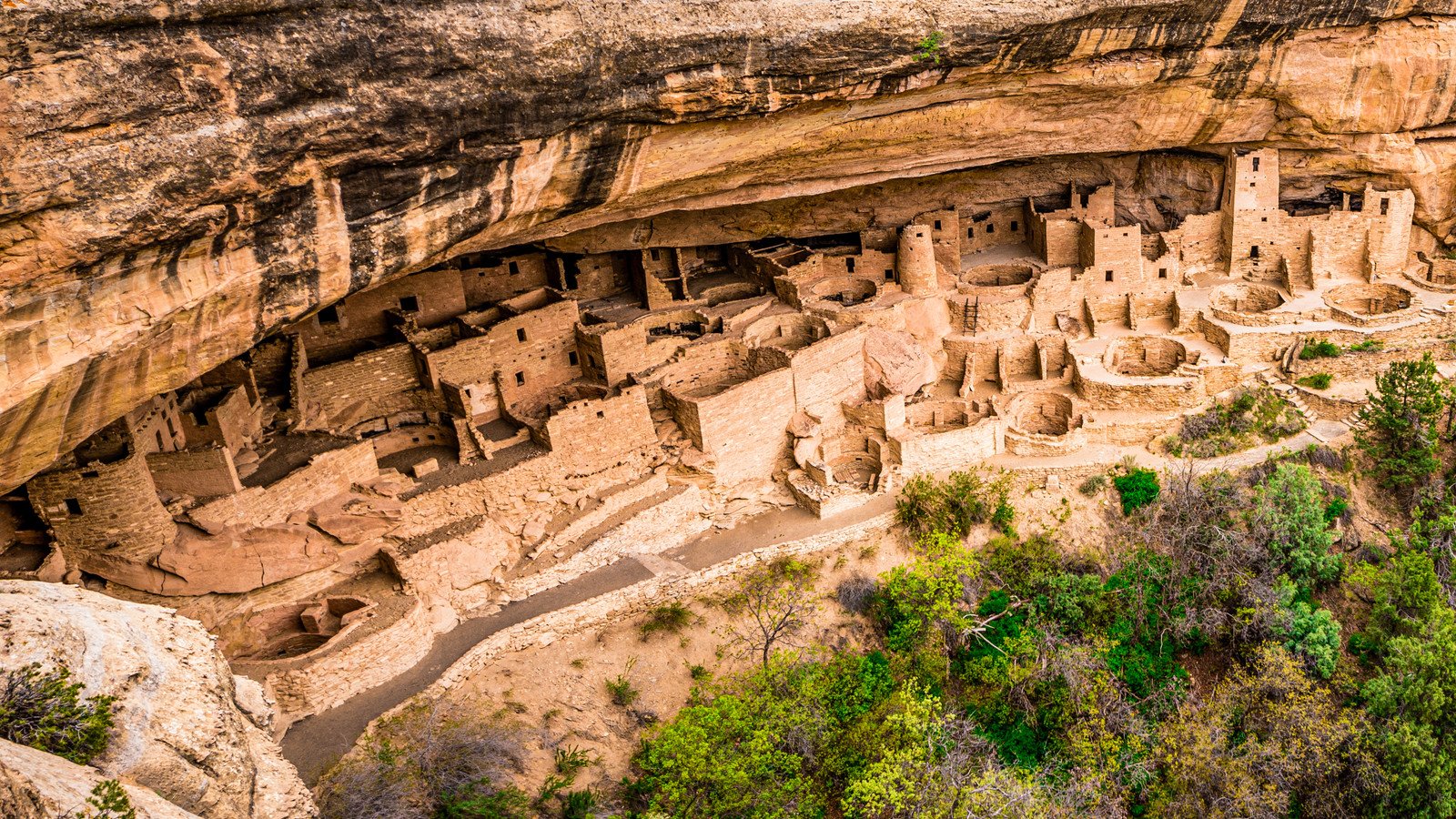
Perched high atop the cliffs of Mesa Verde is a beautifully preserved assortment of intricate structures lying on the side of sheer canyon walls. Some of the park’s archeological sites are entire neighborhoods that seem to be carved directly into the cliff sides themselves. Among the park’s roughly 5,000 additional archeological sites are well-preserved stone towers, smaller pueblos, farming structures, and even larger buildings sitting on top of the mesas.
Mesa Verde’s multiple cliff dwellings are the largest and best-preserved in North America, including treasures like the perilously perched Balcony House, the lengthy Long House, and the aptly named ceremonial center of Cliff Palace. A spectacular expanse of mesas and deep canyons surrounds all of these remarkable cultural artifacts.
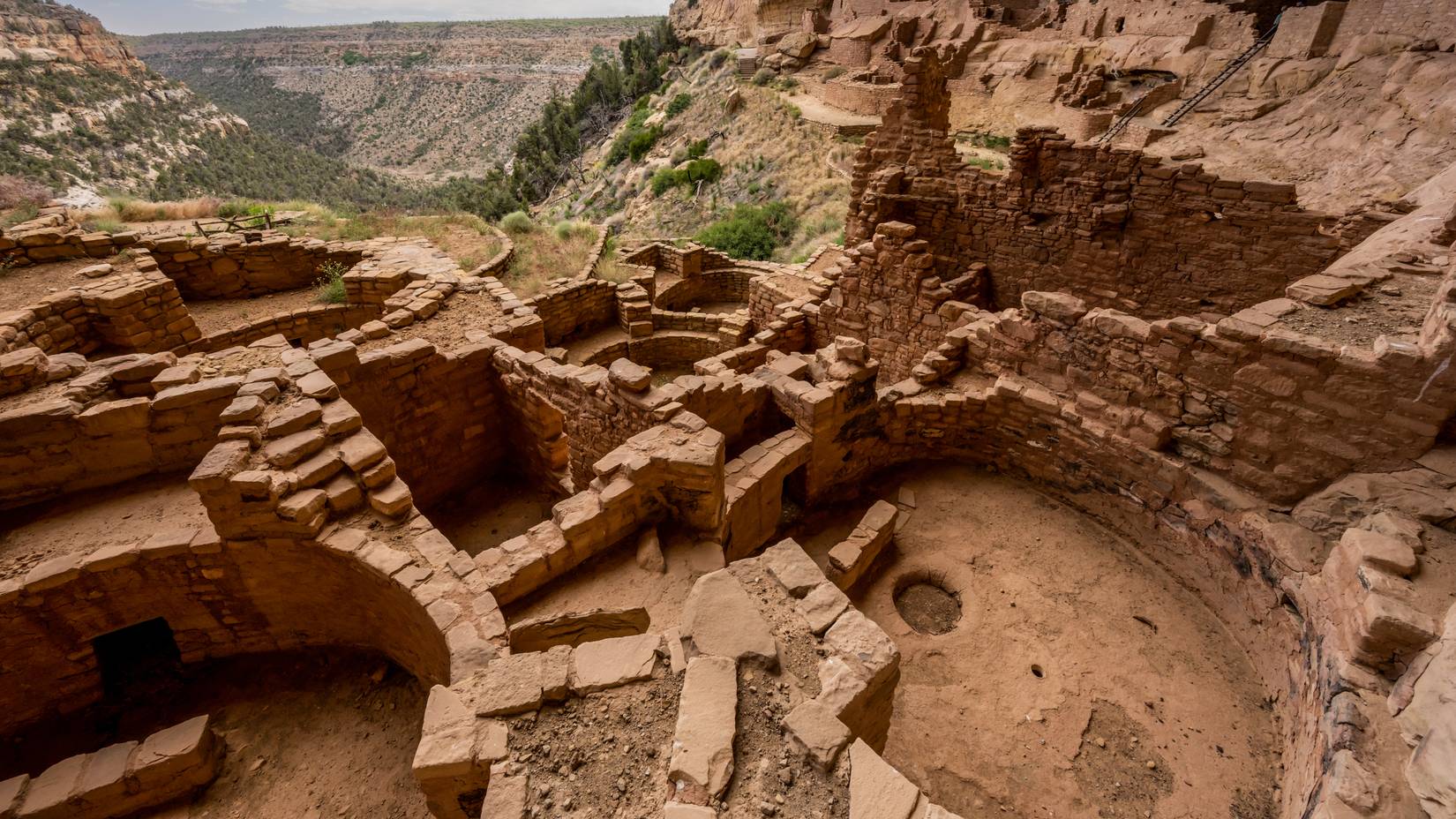
Many of the park’s ancient structures are built from the same bright sandstone of the surrounding mesa. As a result, the park’s human-made buildings complement, rather than detract from, the surrounding natural beauty. Likewise, the park’s high-elevation environment provides abundant birds-eye views of the ancient stone structures and surrounding canyons.
Built centuries before European colonization, Mesa Verde draws many comparisons to Machu Picchu. After all, both are protected UNESCO World Heritage Sites, and both showcase a rare, well-preserved community of the pre-Columbian Americas. And yet, while both are magnificent in their own ways, Mesa Verde preserves a much different type of culture, one with an older historical legacy than even the Incas of Machu Picchu.
The Most Fascinating Ancient Site In The U.S. Is Older Than Machu Picchu
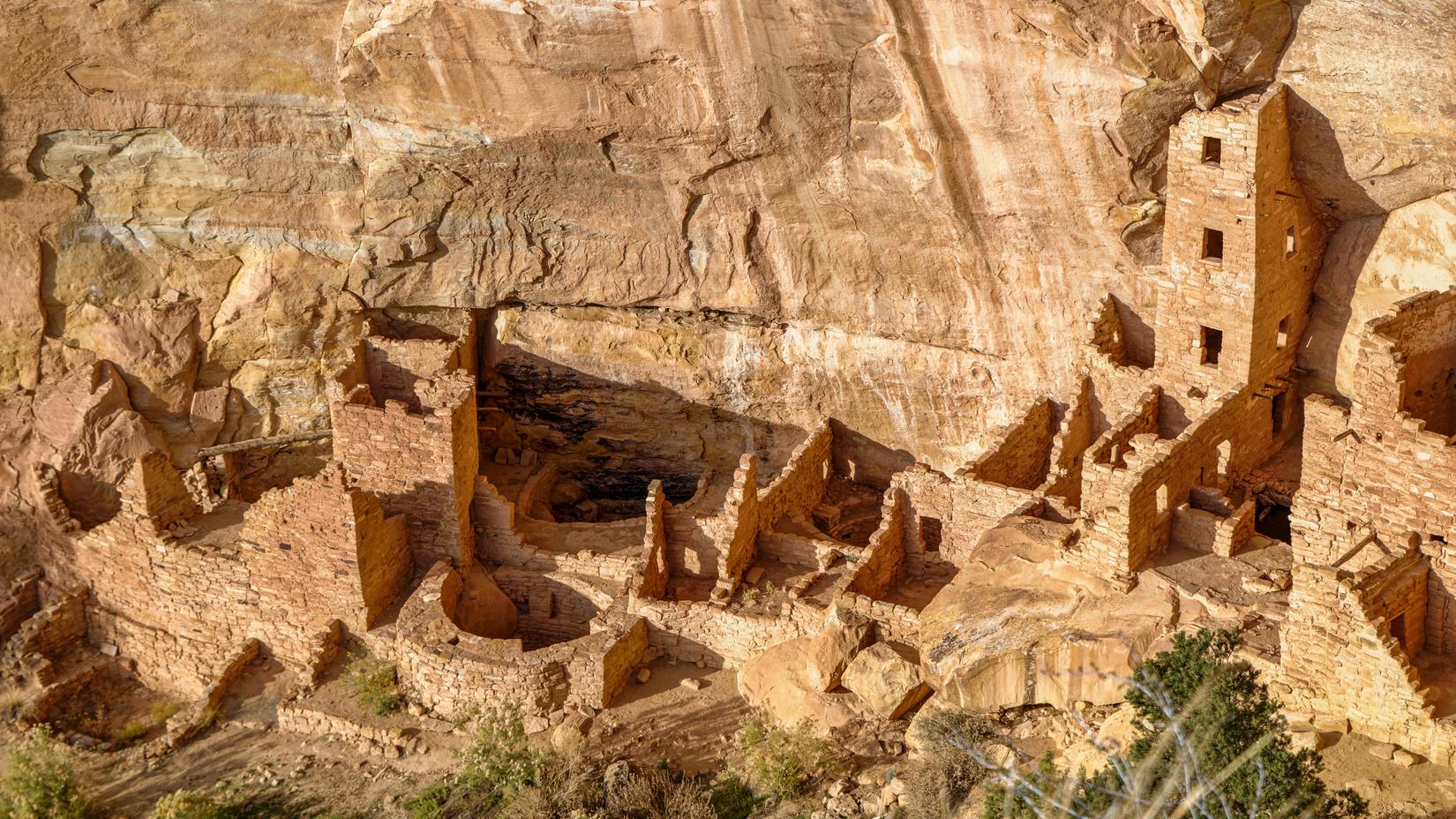
Mesa Verde’s cliff dwellings and architectural masterpieces are the legacy of the Ancestral Puebloans, a generation of natives who formed complex communities around what is today the Four Corners region of the American Southwest. In addition to Mesa Verde and the aforementioned Montezuma Castle, Ancestral Puebloan ruins can be found in other notable National Park Service sites (NPS) across the Southwest.
Ancestral Puebloan Ruins In The American Southwest
Large-scale human settlements at Mesa Verde likely began around 1,400 years ago. Early groups lived in simpler pithouses, built of wood and adobe and largely dug into lower-level areas around the canyons. As society grew more prosperous, the Ancestral Puebloans at Mesa Verde began to develop more advanced stone-masonry techniques that allowed them to build their society upward into the high-elevation cliffs of the mesa.
Early Life In Mesa Verde National Park
The cliff dwellings found in Mesa Verde National Park were likely built between 1100 and 1200 C.E. By comparison, the iconic mountaintop structures of Machu Picchu were likely built around 1450—more than three centuries later! Machu Picchu’s Inca Empire formed sometime around the 12th century, and so, Mesa Verde is older in both construction and associated civilization!
The Ancestral Puebloans successfully farmed corn, squash, and beans in and around cliffside cities like those in Mesa Verde. Culturally, the Ancestral Puebloans were also master artisans, creating enduring traditions of pottery, basketweaving, and other significant crafts using strikingly advanced techniques.
In 1906, President Theodore Roosevelt signed a bill that officially established Mesa Verde as a national park.
For reasons unclear (possibly a series of droughts and long-term deforestation), the inhabitants of Mesa Verde began leaving the site around the 13th century. The once-great cliff cities of Mesa Verde fell into obscurity for centuries until their rediscovery in the 1870s.
Visiting The Fascinating Mesa Verde National Park Is Easy
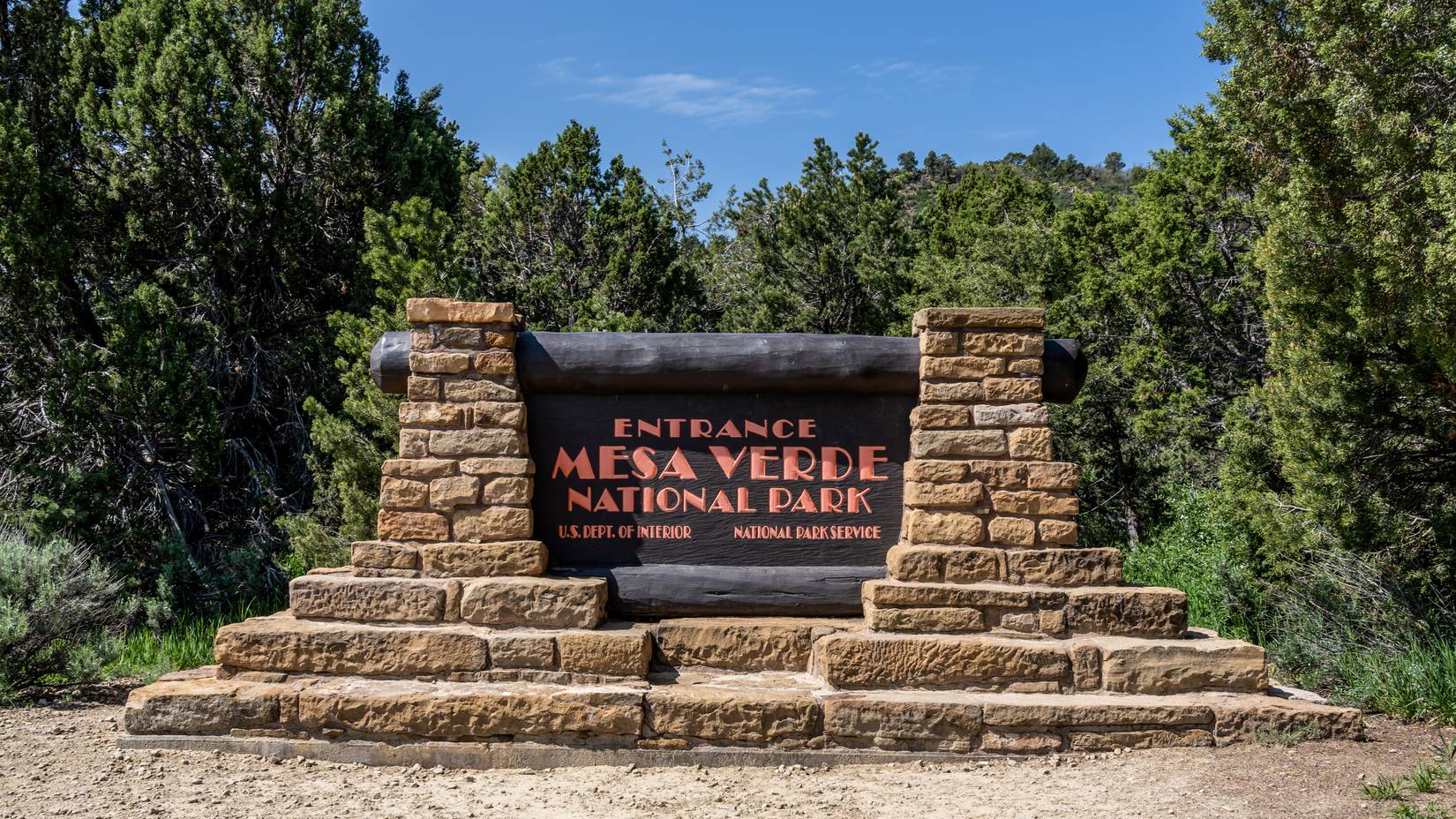
In theory, an ancient city built directly into the side of a steep cliff may not seem like the most accessible destination for today’s average traveler. But Mesa Verde National Park is easier to visit than you may expect.
Prospective Mesa Verde visitors have a few great nearby options for urban home bases to depart from. Being in southwestern Colorado, Mesa Verde is an hour from the little-known Colorado town of Cortez and about an hour and a half from one of Colorado’s most popular summer vacation spots, Durango.
A spectacular drive, with high-altitude views and panoramic overlooks (with parking areas), leads to the national park where you can see four different states at once. Most of the park’s main archeological sites are only accessible on a ranger-led tour, which requires reservations.
Mesa Verde National Park Entrance
- Standard Pass: $15–$30
- Ranger-led cliff-dwelling tours: $8–$25
- Museum hours (May 4 to October 21): 8:30 a.m. to 4:30 p.m.
- Museum hours (October 22 to December 31): 10:00 a.m. to 3:00 p.m.
Visitors can arrive at any time, and no reservations are needed to enter the park. In addition to its engaging and informative tours, Mesa Verde National Park also includes a superb museum (one of the oldest in the entire National Park System), a visitor center featuring a research center and gift shop, and miles of designated trails.
How To Experience The Ancient Sites At Mesa Verde Respectfully And Unforgettably
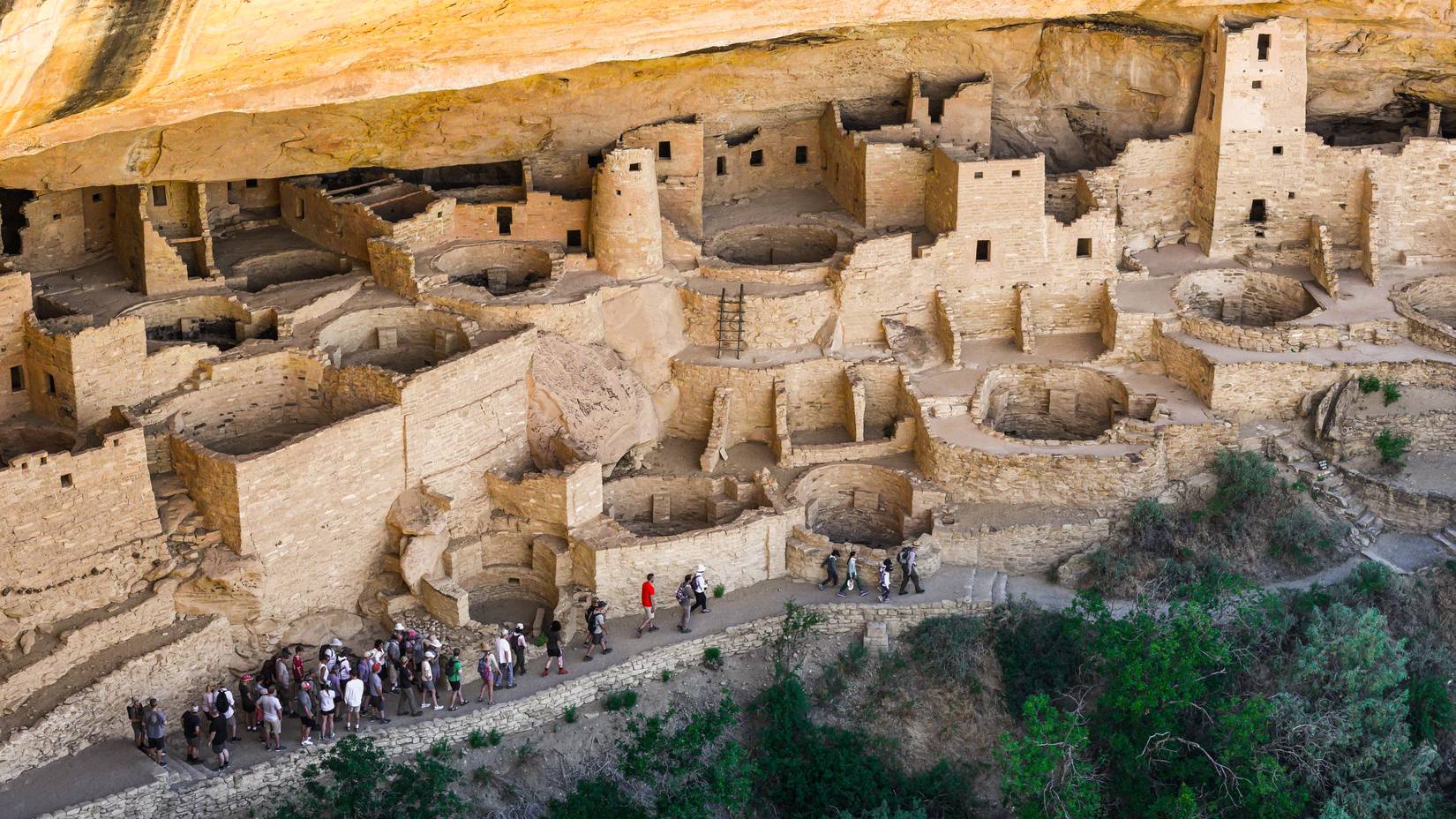
While Mesa Verde may be well within reach for most Americans, it’s necessary to consider a few key factors for cultural respect, safety, and basic logistics. The architectural genius and engineering skills of the Ancestral Puebloans have allowed their extraordinary cliff dwellings to survive nearly a thousand years after they were first built.
However, Mesa Verde’s numerous archeological sites are still several centuries old and are thus reasonably fragile and at risk of irreparable damage in the event of careless tourists. While visiting the park, visitors must bear in mind the land that is sacred to certain people, and appropriate behavior and respect is essential.
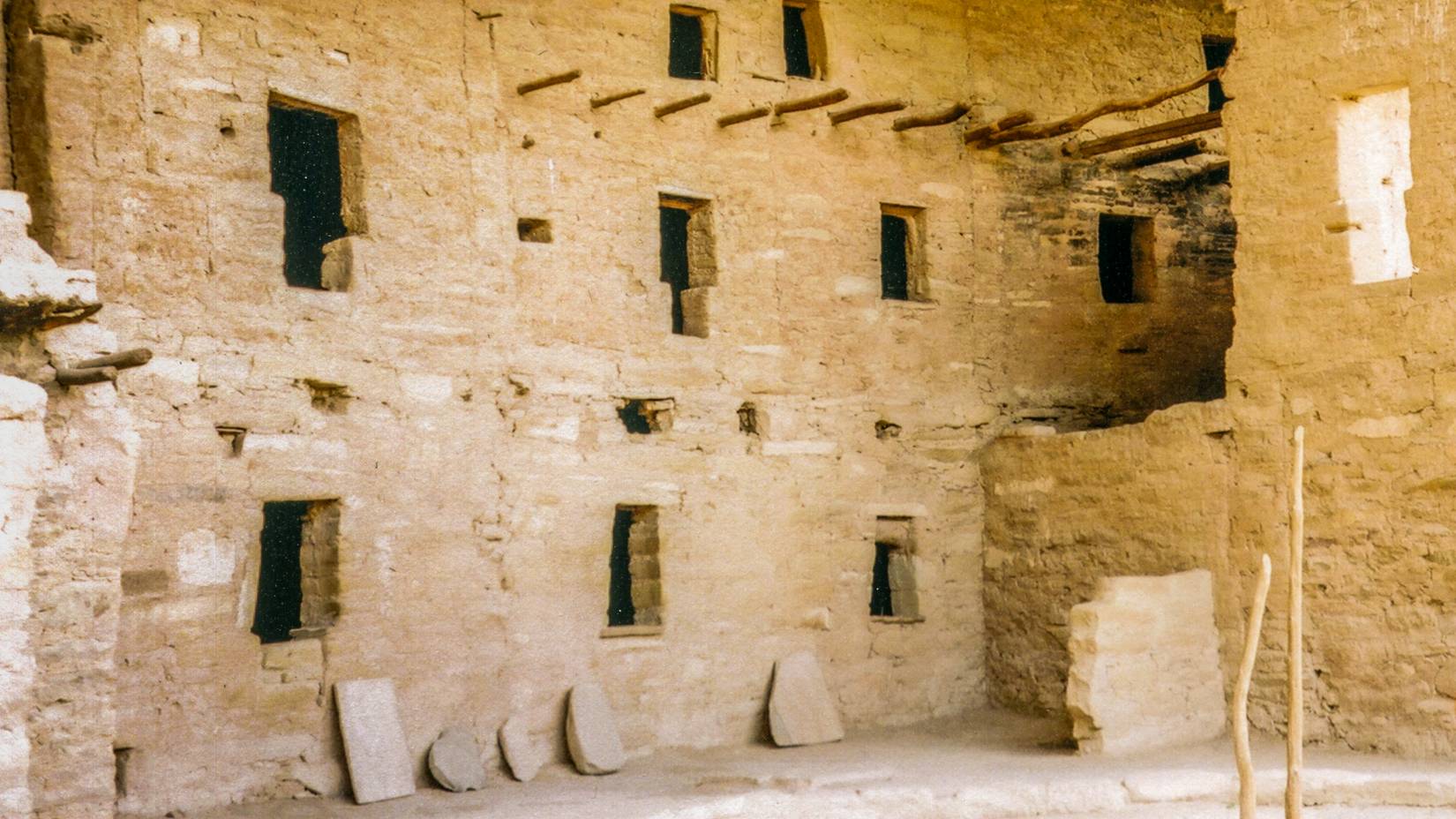
Everyone must do their part to ensure the preservation of these cultural treasures. No one should be that national park tourist who bothers everyone with ignorant behavior, and everyone visiting Mesa Verde cultural sites should brush up on the park’s dos and don’ts.
Mesa Verde National Park Key Rules
- Never sit, stand, lean, or climb on any of the park’s archeological sites.
- Do not take anything from the park, no matter how small.
- No running, yelling, or general horseplay (especially near archeological sites).
- Always stay on designated trails.
- Do not feed any park wildlife.
These rules are just as important for visitors’ safety as they are for respecting the park’s cultural significance. When planning a visit to Mesa Verde, travelers should consider the time of year and the pros and cons of each major season. For many, spring and fall are ideal times to visit. The park generally sees fewer visitors during these months than during the summer, and the weather is less prone to heat and dangerous lightning storms.
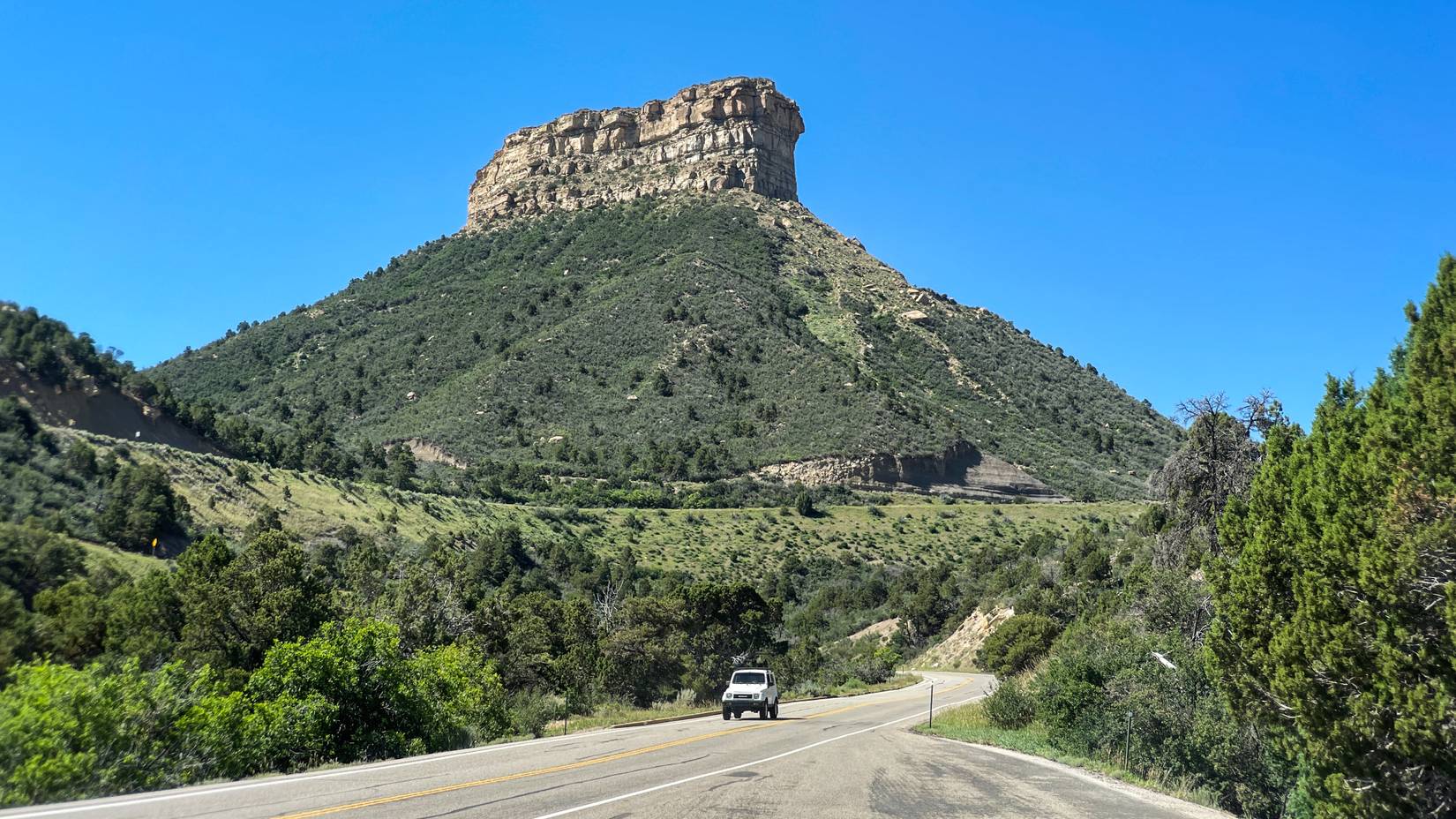
Leaving Mesa Verde National Park, visitors are almost guaranteed to discover gorgeous scenery, timeless archeological treasures, or memorable Southwest cultural destinations (or some combination of all three). No matter how incredible Machu Picchu is, it can’t offer an experience like that!