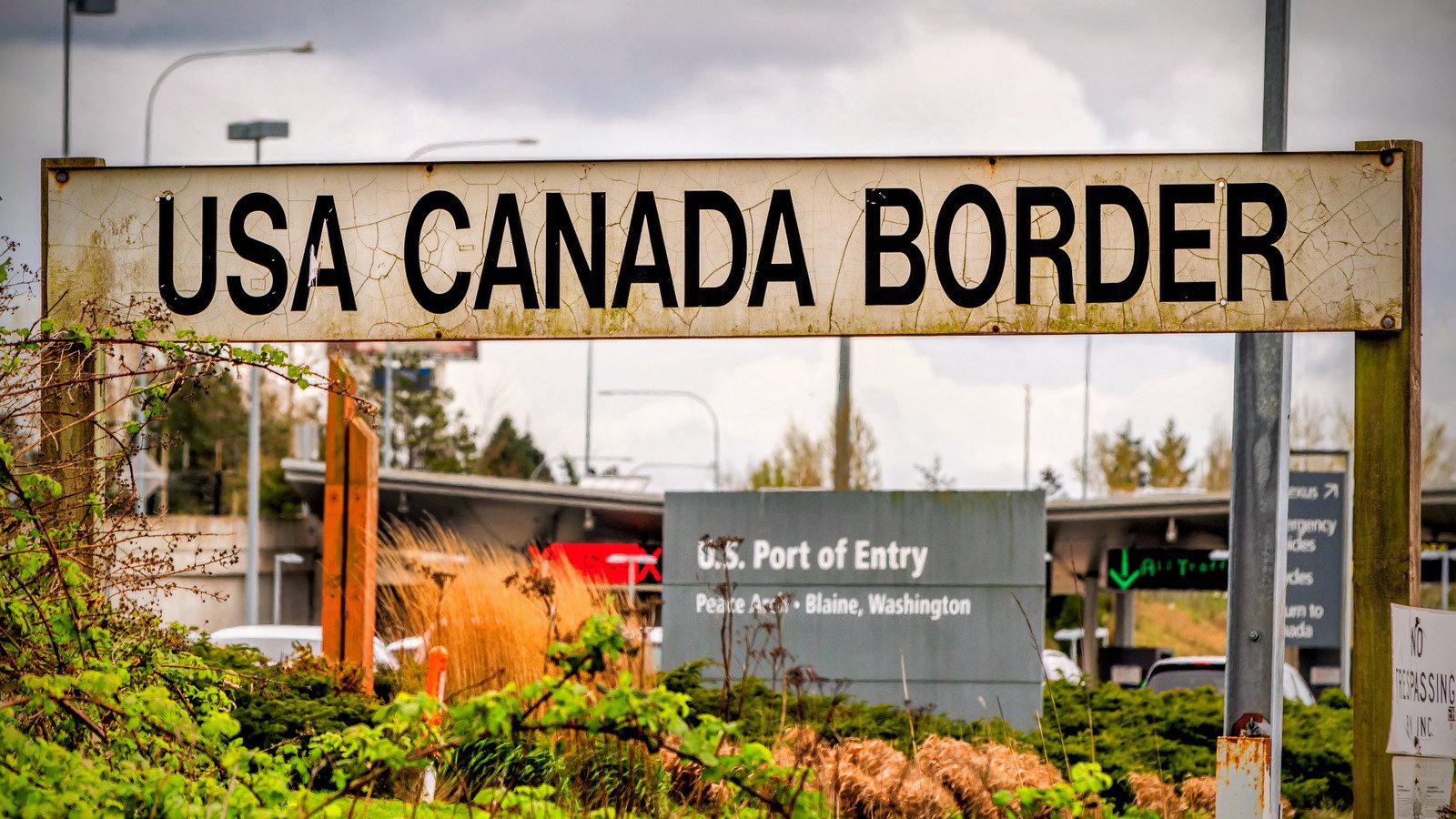
The Government of Canada just updated its U.S. travel advisory, warning of strict border entry rules. This follows an incident where the U.S. Customs and Border Protection (CBP) reportedly detained Canadian visitors and confiscated one of their phones after a second passport discovery.
Cases like this continue to fuel Canada’s “Elbows Up” boycott that has left U.S. border towns struggling over the past year. As tensions rise, Canada’s updated U.S. travel advisory highlights a new reality for travelers: even routine cross-border trips now come with heightened scrutiny and tighter security checks. Here’s how Canadians should prepare for their next trip south.
Canadian Government Warns Of Strict U.S. Border Entry Rules In New Travel Advisory
On Monday, July 20, Global Affairs Canada updated the “Entry and exit requirements” section on its official travel advice for the U.S. Now, Canadians are cautioned that the Canadian government “cannot intervene” if its citizens do not meet the entry or exit requirements for the U.S. The guide highlights that individual CBP agents have the final authority and personal decision-making power once you reach any port of entry.
“Individual border agents often have significant discretion in making those determinations,” reads Canada’s updated Level 1 U.S. travel warning. “U.S. authorities strictly enforce entry requirements. Expect scrutiny at ports of entry, including of electronic devices. Comply and be forthcoming in all interactions with border authorities.”
Canada officially acknowledges that those who are refused entry into the U.S. could be “detained while awaiting deportation.” Recently, several Canadians have been denied entry into the U.S. and/or detained for various reasons—from wrong border turns to even following a CBP officer’s instructions. However, most concerns have been about increased phone searches, with a Canadian who was not allowed entry claiming they had yet to get their phone back over three weeks since the CBP confiscated it.
In addition to border scrutiny, the updated U.S. travel guide advises Canadians to review America’s current rules in response to the Ebola disease outbreak, such as health screening measures and possibly being subject to isolation, quarantine and/or other travel restrictions.
For Canadians who have recently been to other Ebola-affected areas, don’t forget to review the Centers for Disease Control and Prevention’s (CDC) information for travelers heading to the U.S.
As of now, all travelers, including Canadians, who have been in the Democratic Republic of Congo (DRC) within 21 days of their flight will not be allowed to board commercial flights heading to the U.S.
U.S. Entry Requirement Issues Canadian Travelers Should Be Aware Of
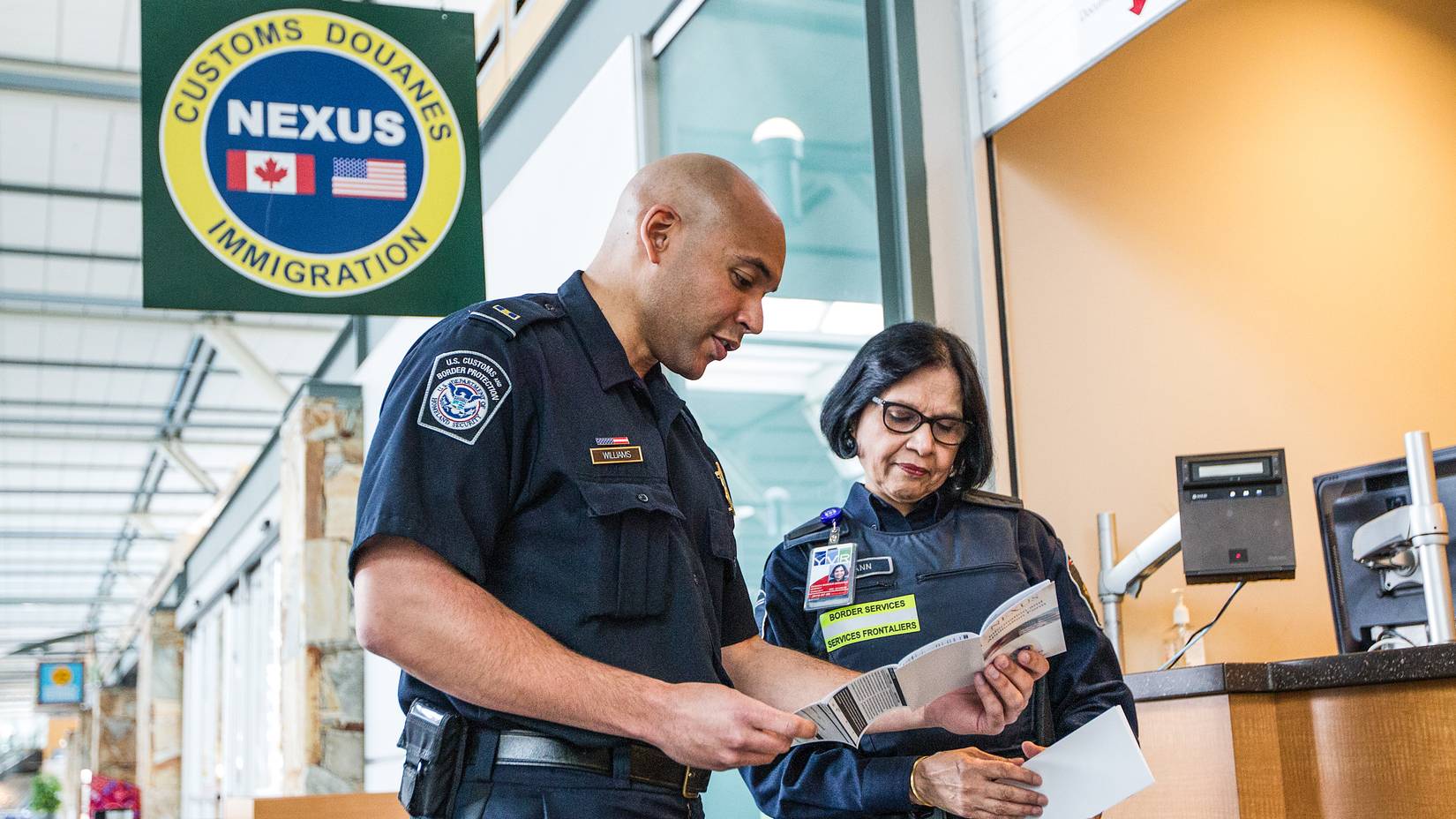
For Canadian tourists entering the U.S., the requirements are simple. Canadian citizens traveling by air must present either a passport valid for the duration of their stay or a valid NEXUS card. This applies to children and those who are only transiting through the U.S.
For land or water travel, Canadians aged 16 and up only need a valid passport or a Trusted Traveler Program card, according to the Western Hemisphere Travel Initiative (WHTI). However, those 15 years and below need one of the following to enter the U.S.:
- Passport
- Original or a copy of a birth certificate
- Original Canadian citizenship certificate
While these baseline requirements seem easy on paper, they only prove identity and do not guarantee admission. As a result, a CBP officer may still ask you for details about your purpose of travel, return to Canada, and your citizenship, which can feel overly personal to some.
Additional Information CBP Officers May Demand From Travelers
Customs officials may ask you to provide additional information about your U.S. trip, mainly because they only want to know where you will be staying and make sure that you will not exceed your allowed visa-free stay (up to 6 months for tourism). Here are the additional documents or proof you need to prepare to avoid border scrutiny:
- Evidence of residential, employment, or educational ties back home in Canada
- Proof that the trip is for a legitimate purpose and is of a reasonable length
- Proof of sufficient funds to cover your stay
Why Some Canadians Experience More Scrutiny At U.S. Borders
Of course, it could also get complicated for those who have criminal records or are navigating complex rules like dual citizenship or First Nations persons and Native Americans born in Canada.

TheTravel has previously reported on CBP officers strictly enforcing an overlooked U.S. federal law that has led to the rejection of Indian Status Cards, which allows First Nations members to cross the Canada-U.S. border by land or water without a passport under the WHTI.
Lastly, the Canadian government warns that travelers with passports marked with the “X” gender identifier may face entry restrictions in countries like the U.S., which does not recognize this option for transgender, nonbinary, and intersex people after last year’s Executive Order 14168 titled “Defending Women From Gender Ideology Extremism and Restoring Biological Truth to the Federal Government.”
It is best to contact the closest U.S. foreign representative to know how to navigate these rule uncertainties before booking your trip.
Canadian Visits To U.S. Still Below Pre-Trump Levels Amid Border Tensions
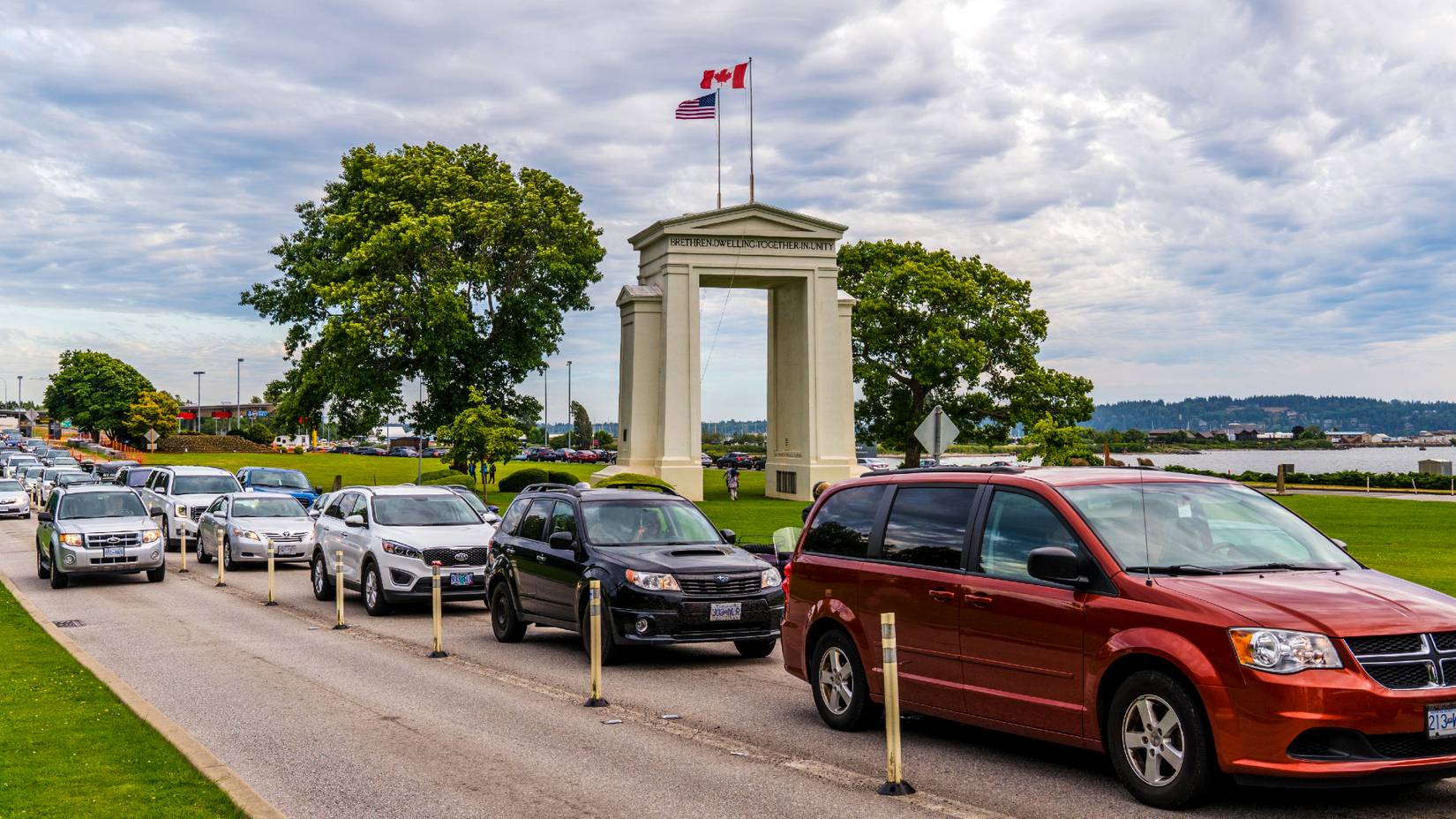
Canadian visits to the U.S. have finally increased three months in a row, with June seeing a 3.2% spike from the same month last year. However, overall figures remain below pre-Trump administration levels, down 28.7% compared to June 2024. Aside from stricter border enforcement, political and tariff tensions have also been major contributors to the ongoing travel boycott.
On July 22, Democratic Vermont Sen. Peter Welch notably appealed to U.S. Trade Representative Jamieson Greer to “urge” President Donald Trump to “speak in a much more courteous way” toward Canadians. Welch was referring to the “51st state” rhetoric that has particularly driven many Canadians away.
Amid these tensions, many U.S. states continue to let Canadians know they are welcome by offering special deals and discounts, like an abandoned U.S. destination whose clever campaign attracted 75,000 Canadians.