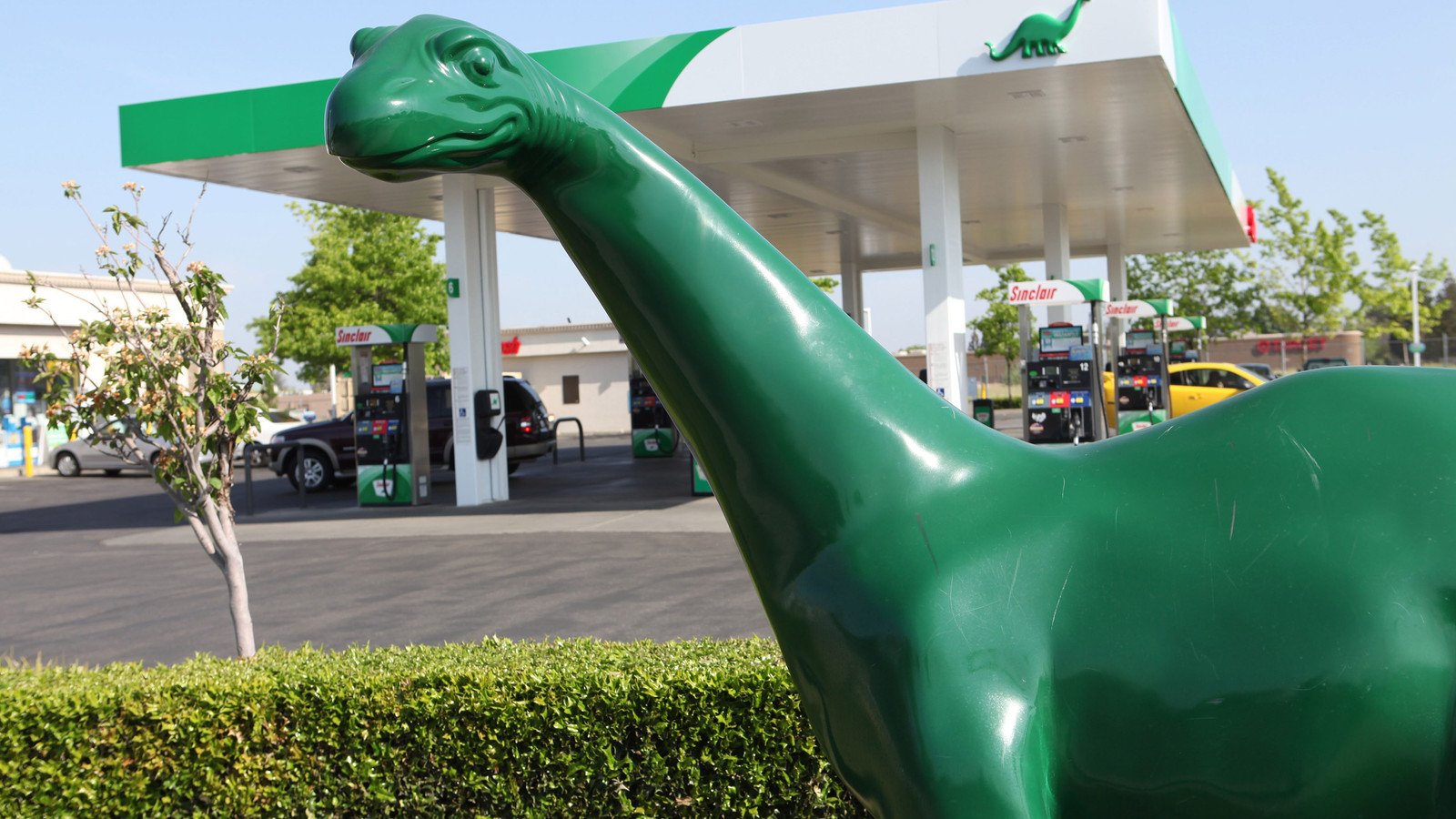
Yellowstone National Park tourists were left scratching their heads after a stolen 300 lb dinosaur appeared overlooking the Yellowstone River. The bizarre discovery might sound like something out of Jurassic Park, but it was actually the latest in a growing trend of thieves targeting the iconic roadside statues.
While Montana is known for its prehistoric history and Yellowstone is famous for encounters with wildlife like bison and bears, a dinosaur remained an unusual sight for visitors. Unlike the park’s modern-day giants, the affectionately named “Dino” is actually a mascot representing Sinclair Oil Corporation, and the roadside icon has developed a legacy far beyond its origins as a simple company symbol.
Tourists Discover A 300-Pound Dinosaur’s Bizarre Roadside Adventure
The mystery began when the 12-ft apatosaurus disappeared from outside the Gardiner Sinclair & Yellowstone Dino Lube and Repair station near Gardiner, Montana. The 300 lb fiberglass statue was taken overnight before reappearing about 10 mi away, where it had been anchored above a cliffside overlooking the Yellowstone River in Yankee Jim Canyon.
According to employees at the service station, whoever removed the roadside attraction had carefully planned it. In order to relocate Dino, the pranksters had to remove the statue from its concrete base, transport it to the canyon, and bolt it onto the cliffs without anybody noticing. Despite the effort involved in making off with a 300 lb dinosaur, nobody has taken credit, nor have any potential suspects been identified.
“The jury’s still out on who actually took it,” he said. “We suspect it was locals because there’s no damage.” Sinclair employee Derek Johnston told Cowboy State Daily.
Despite the notable amount of effort involved and countless risks, Sinclair workers assessed that the statue had not been damaged during the prank. While the unusual adventure ended without major consequences, Dino was not just an inexpensive decoration, with the fiberglass apatosaurus valued at approximately $8,000, which could make the theft a felony should charges be pressed. However, the rescue of the iconic tourist attraction came with its own risks, as the sculpture could have plunged 100 ft into the Yellowstone River below.
“It could’ve been worse,” Johnston further commented. “Whoever took him obviously planned this, because they brought all the proper tools to remove it from our location, then drill into the granite and anchor it to the cliff face.
After returning to the Sinclair service station, employees took the sculpture inside to determine what security measures could be instituted to protect Dino from future theft attempts. The decision also helped preserve one of the roadside attractions that visitors often stop to photograph while traveling through the Yellowstone region. However, it’s not unheard of for a Sinclair statue to disappear, with similar dino-nappings occurring across the western U.S.
The Growing Trend Of Sinclair “Dino-Nappings” Across The West
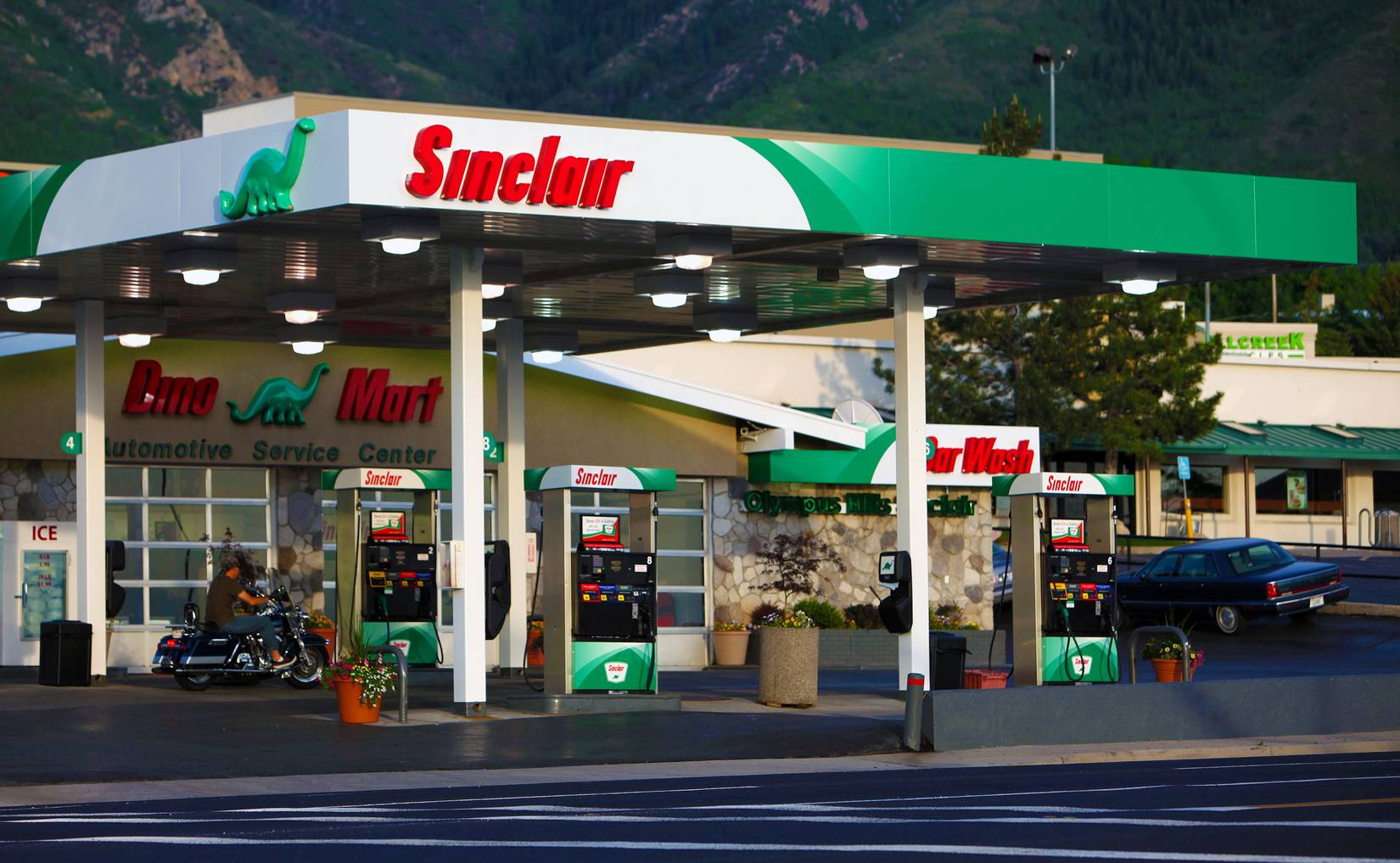
The Yellowstone River prank is part of a larger pattern in which recognizable roadside attractions, statues, and landmarks have become targets for thieves. While some people see these stunts as harmless jokes, they can create bigger challenges for businesses, communities, and those responsible for protecting the attractions that visitors travel to see along America’s highways.
This behavior mirrors the European “Free the Garden Gnomes” movement, where people secretly “liberate” the aformentioned statues for a few laughs. Many have taken it to the next level by removing larger decorations like Dino from their displays. Today, many of these pranks involve heavier objects, greater planning, and higher risks, especially when the items are expensive, difficult to replace, or hold cultural significance to the area.
Dino’s theft, in particular, demonstrates that this was not an isolated incident and has become a bigger problem in recent history. While each case has its own strange circumstances, the bright green sauropods have developed a reputation for unexpected appearances away from their original locations.
Recent Sinclair Dinosaur Thefts
|
Year |
Location |
Incident |
|
2022 |
Cheyenne, Wyoming |
A Sinclair statue disappeared from a family’s yard before mysteriously returning days later. |
|
2025 |
Alcova, Wyoming |
Another 300 lb Sinclair dinosaur was stolen from Sloanes General Store, with the owners hoping for its return. |
|
2025 |
Bozeman, Montana |
A Sinclair apatosaurus appeared near the M Trail overlooking the area after being taken. |
|
2025 |
Brentwood, California |
“Claire,” a beloved local mascot outside a gas station, was stolen and later returned with a note apologizing for the incident. |
|
2026 |
Gardiner, Montana |
Dino was removed from its station and bolted to a cliff overlooking the Yellowstone River. |
Beyond the Sinclair cases, similar behavior involving popular tourist attractions has occurred in other destinations. From people damaging historic landmarks for photographs to others trespassing into protected natural areas for viral videos, these attempts can result in costly repairs or even irreversible damage at the cost of capturing a few fleeting moments.
While Dino was safely returned, not every landmark involved in such stunts survives; some suffer irreparable damage. For roadside businesses like Sinclair gas stations, there is always an ongoing challenge in protecting attractions designed to draw tourists while preserving the fun and nostalgia that made them popular in the first place. And in the case of the iconic Sinclair dinosaur, there’s a reason why he hasn’t gone extinct yet.
The Dinosaur That Turned Gas Stations Into Popular Tourist Attractions
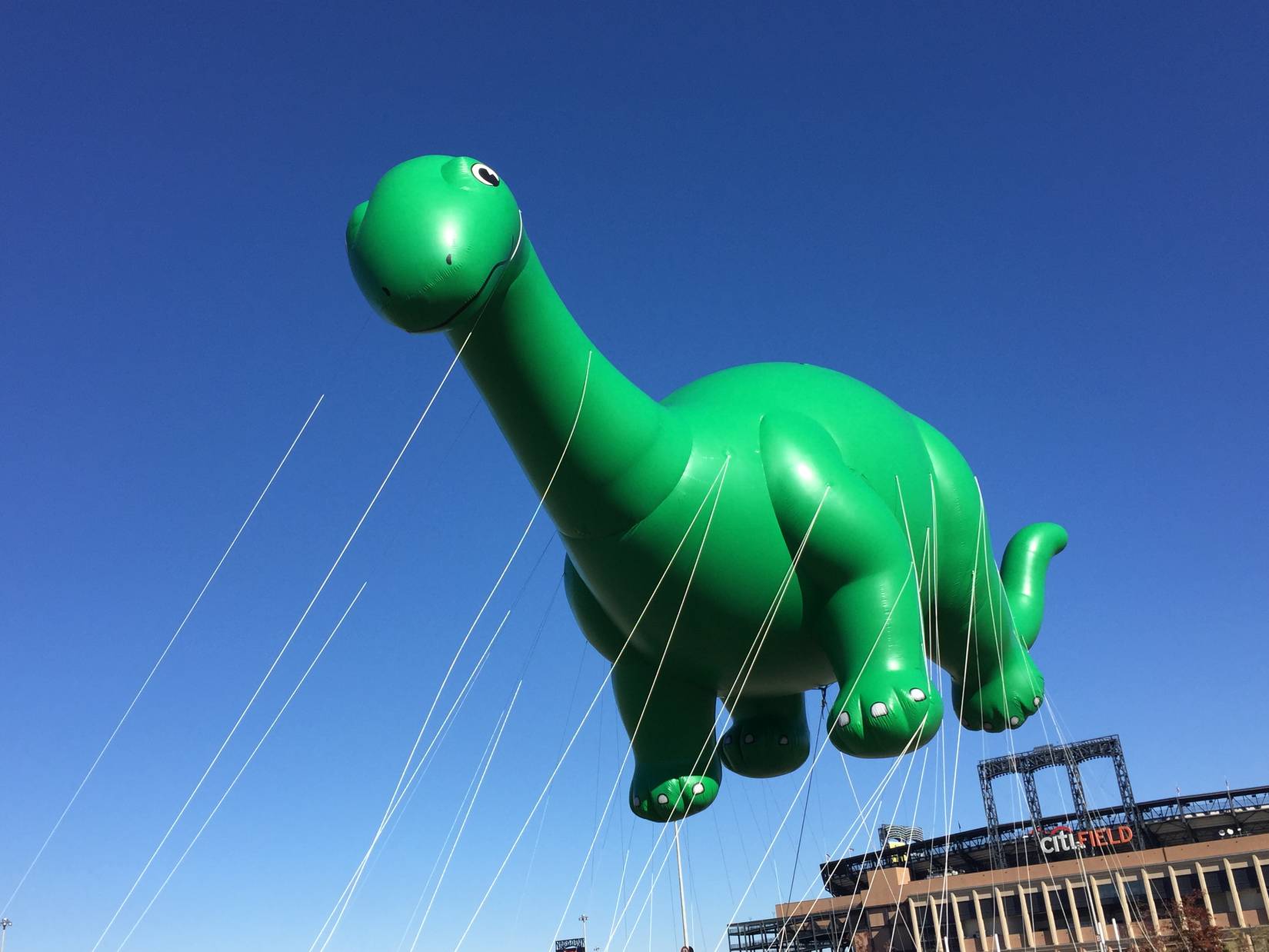
Long before Dino the statue found itself overlooking the Yellowstone River, the giant green mascot had already become one of the most recognizable roadside symbols in America. Sinclair Oil adopted the similarly named “DINO” brontosaurus as its mascot in the 1930s, using prehistoric imagery to promote its prehistoric Pennsylvania petroleum while creating a symbol that generations of travelers would come to associate with road trips across the United States.
Over the decades, Sinclair dinosaurs have appeared outside gas stations, museums, and roadside attractions, becoming popular stops for photographs and family vacations. For many travelers, spotting one of the towering fiberglass statues is as much a part of the journey as the destination itself, turning a fuel stop into a photo opp and a place to create memories.
Although originally introduced as a brontosaurus, Sinclair’s mascot later became an apatosaurus, mirroring the sauropod’s own scientific identity crisis during the debate over whether Brontosaurus was a distinct dinosaur.
That lasting popularity may also explain why the statues continue attracting attention decades later. Not every gas station has its own mascot, and the bright green icon knows how to get attention, making it an ideal target for dino-napping. People might notice a few garden gnomes planted in a forest, or even a few fake memorials commemorating imaginary events, but turning the Yellowstone region into another Jurassic Park is something tourists are bound to notice.
Whether remembered as a piece of roadside Americana, a nostalgic reminder of family vacations, or simply an oversized green brontosaurus, the Yellowstone River stunt demonstrates why these statues continue capturing the imagination of travelers. Although the Gardiner mascot has returned home, its brief journey ensured this roadside icon will likely be remembered for years to come. After all, for a fiberglass tourist, it’s apparently never possible to know where the next road trip might lead.