A brand-new trail park is coming to the Greater Zion tourism area. Several years in the making, the trail park is gearing up to offer tourists in the Southern Utah national park an all-new recreational spot to enjoy, with mountain biking, events, and other activities.
The Greater Zion Convention & Tourism Office has also confirmed how the project is being funded at a time when some of Zion National Park’s entry fees have recently been siphoned off to pay for President Donald Trump’s Washington, D.C. beautification projects.
However, critics are raising concerns over the potential impact on the major national park’s existing overtourism problem, which saw a record visitation year in 2025, hosting almost five million recreational visits.
Zion National Park’s New Trail Park Location And Opening
Speaking in an interview with KUTV 2 News Salt Lake City, Leslie Fonger, Destination Development Manager at Greater Zion Convention & Tourism, discussed the location for Zion’s new trail park, revealing that the decision on where to build it was years in the making.
“We’ve been hunting all over Washington County for several years now for a good place to do this. And we had a great partner come forward in Desert Color,” she told the news outlet.
Ms. Fonger said a partner, the Utah Trust Lands Administration, came forward and suggested the ideal spot in the Desert Color community, where they have a development agreement. The precise location is north of State Route 7 and west of River Road.
“The more we looked into this location […] how it would benefit the residents of the Washington County area as well as Desert Color, [we found] it really was a great spot.”
Ms. Fonger said the inspiration first came from “wanting to work with our Utah High School Cycling Association, to help them develop a home for their state championship.” “But this trail park will be able to handle so much more,” she added, alluding to the fact that visitors to Zion National Park and the Greater Zion area also are in line to benefit, not just locals.
In an interview, Ms. Fonger described the site as a “trail course designed for racing, with additional parking, staging areas, finish and start areas.” The park will feature six miles of mountain bike paths specifically designed for beginner and intermediate cyclists.
“This course still rides easy for everyone. Most of the trail runs blue and green, fast and flowy, with a few sections built for riders ready to push harder, so first-timers and seasoned racers can share the same six miles,” the Greater Zion website states.
It will also be home to dedicated parking and event spaces to accommodate community gatherings and other recreational activities.
When Zion’s New Trail Park Will Open
When asked about the expected opening timeframe, Ms. Fonger confirmed that Zion tourists can expect the trail park to open “some time” this coming fall.
“We are in the midst of getting this construction going. There is some dirt moving. It will be completed sometime this fall. We’ll be open to the public as long as it’s not being used for an event,” she added.
Although the project is full steam ahead, some critics have taken issue with the new park existing at all.
Why There Is Opposition To Zion’s New Trail Park
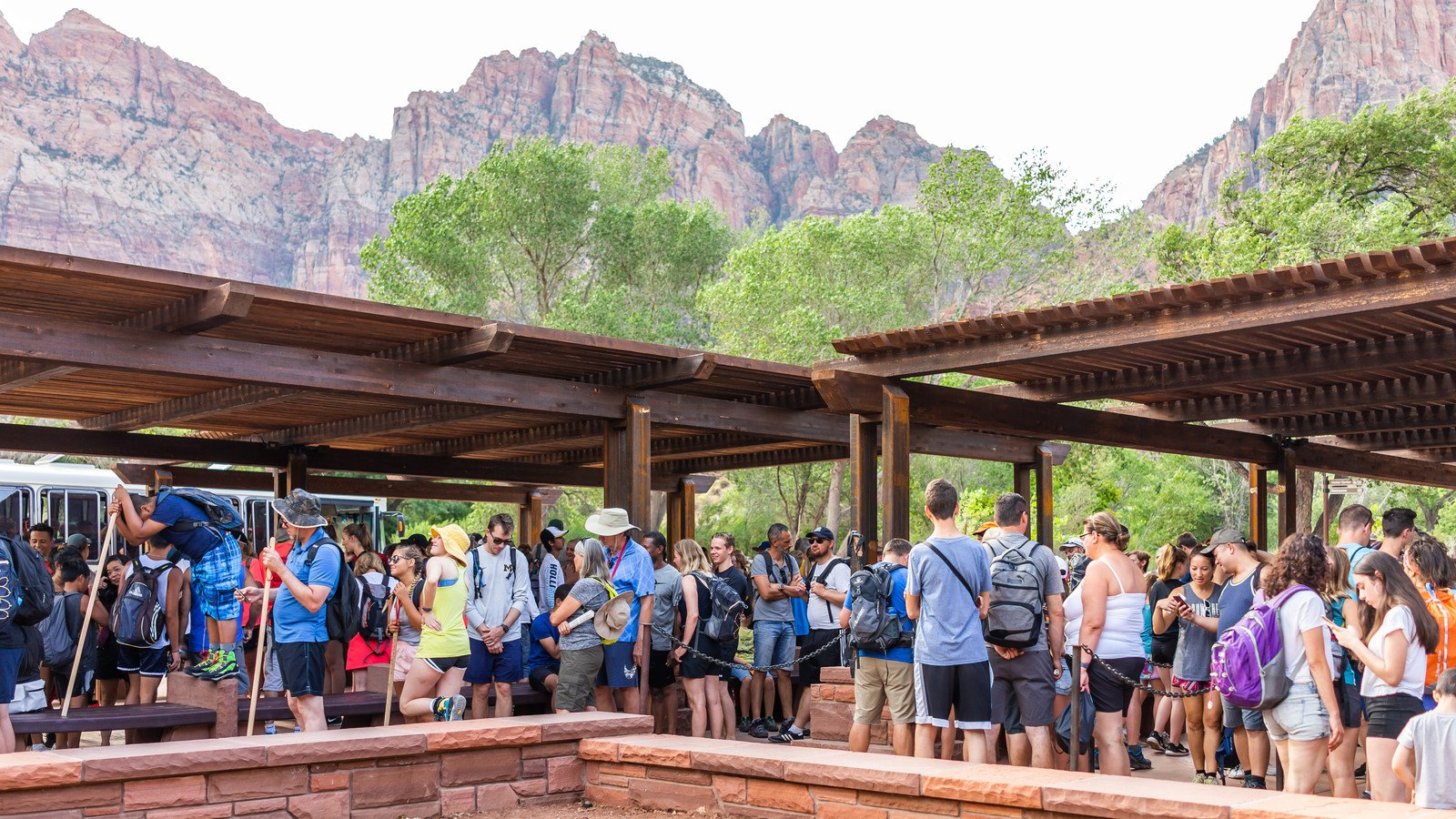
Zion’s new trail park isn’t pleasing everyone because it will add to the area’s overtourism, according to critics, who are concerned about increasing crowds. Park rangers even hinted at crowding woes when TheTravel visited Zion National Park in July to explore its quieter areas.
We asked three park rangers where visitors could go to escape the crowds, and one ranger’s simple response summed it up entirely: “You came to the wrong park,” they told TheTravel. Indeed, that sentiment is echoed in the comments of KUTV News’s video about the new trail park.
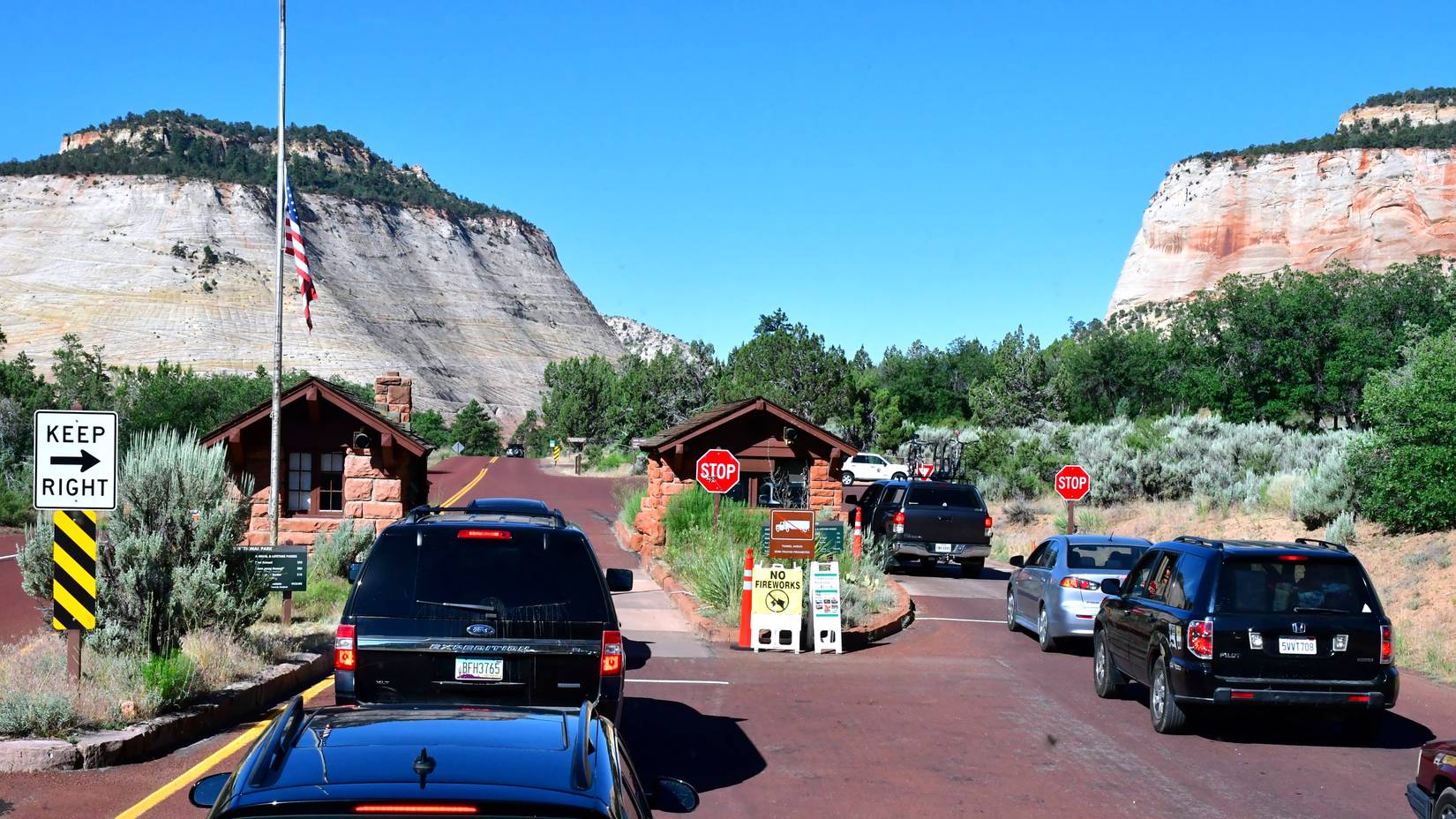
For example, some members of the public expressed concern over the park and its surrounding areas’ already crowded spaces. “I’d really prefer they limit capacity, not encourage it,” one person wrote. “Doesn’t belong in Zion National Park,” another agreed.
And those worries have weight; Zion’s visitation in the past decade has ranged from around 4.2 million to a little over five million annually, according to the National Park Service (NPS).
|
Year |
Total Zion National Park Visits |
|
2026: |
2,473,817 |
|
2025: |
4,984,525 |
|
2024: |
4,946,592 |
|
2023: |
4,623,238 |
|
2022: |
4,692,417 |
|
2021: |
5,039,835 |
|
2020: |
3,591,254 |
|
2019: |
4,488,268 |
|
2018: |
4,320,033 |
|
2017: |
4,504,812 |
|
2016: |
4,295,127 |
As of 2025, visitation figures make the Utah destination the second most visited national park in the U.S., at 4.9 million (that’s even more than America’s first and oldest national park, Yellowstone).
2026 is lined up to be another busy year for Zion, with 2,473,817 recreational visits recorded in the first half of the year, according to the NPS’s visitor numbers released at the end of June.
The pandemic year of 2020 was the only anomaly in the last 10 years, when Zion saw just under 3.6 million visits.
Unlike many major national parks, Zion doesn’t require timed-entry reservations in advance, the NPS says. The lack of this system, which many parks use to control crowds, means large numbers of tourists are possible on any given day, particularly in summer and on major holidays.
The effects of no-timed entry are also being seen at some of the most popular parks, like Yosemite, which canceled reservation rules for 2026 and began seeing hours-long entrance lines even before peak summer season. Arches and Glacier National Parks dropped their timed-entry systems as well.
Still, despite some members of the public voicing apprehension about the crowds that Zion’s new trail park may bring, there is some relief to be had in terms of how the project is being funded and where the revenue generated will go.
Who Is Paying For Zion’s New Trail Park And Where Revenue Will Go
The Greater Zion Convention & Tourism Office confirmed that Zion’s tourism dollars are helping to fund this new trail park project.
“Tourism dollars are the primary funder of this project. Those are the tax revenues generated from visitors who are staying in hotels and similar overnight accommodations,” Ms. Fonger said.
Ms. Fonger explained that the park will invest those tourism dollars back into itself, which will thus bring in visitors, while also remaining “accessible, usable and enjoyable” for local residents.
“We consider that a good investment of those visitor dollars to help keep dollars like that being reinvested and to benefit our residents.”
TheTravel has contacted the Greater Zion Convention & Tourism Office for additional comment. In the meantime, visitors can learn more about the park before and after its official opening on the official Greater Zion website.