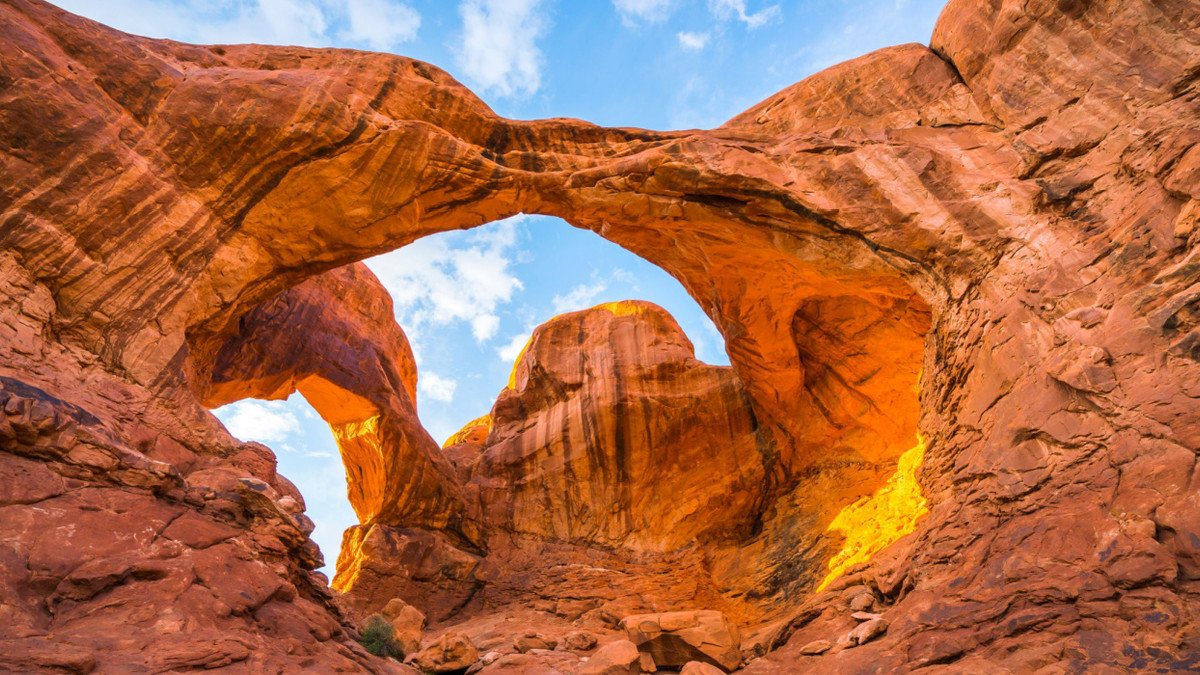
Imagine a place where over 2,000 natural sandstone arches glow against a deep blue Utah sky, creating a playground of red rock and high desert silence. This corner of the American Southwest has long served as a bucket list destination for hikers, photographers, and road trippers hoping to see the iconic Delicate Arch. It is a place defined by its fragile geology and the harsh, beautiful realities of the Colorado Plateau.
For several years, travelers heading to this red rock paradise had to navigate a strict digital gatekeeper. A timed entry reservation system, which acted as a pilot program to curb the crushing weight of overtourism, required visitors to plan their trips months in advance. That system was designed to distribute traffic evenly across the day, ensuring that parking lots remained functional, and the trails stayed manageable for the thousands who flocked to the region daily.
That era of predictable planning came to an abrupt end on February 18, 2026, when the federal government terminated the reservation requirement. The change has effectively turned the park into a deregulated free-for-all, where the gates are technically open to everyone but the infrastructure is physically prepared for far fewer. Visitors are now walking into the in between, a strange window of time in which the old rules are gone and the inevitable permanent caps of the future have not yet arrived.
Understanding how to navigate this new landscape is the difference between a sunset hike and a 5-hour wait at the entrance station. With visitation numbers trending toward a massive 3.6 million annually by the early 2030s, the current chaos is a preview of a much larger struggle for the soul of the desert. Travelers who arrive without a strategy are finding themselves trapped in gridlock, while those in the know are treating this period as a rare, fleeting chance to experience the park without a permit.
Summary
- Reservations ended Feb 18, 2026 — park is now first-come, causing morning gate closures and long entrance queues.
- Beat the rush: arrive before 6 a.m. or late afternoon; check NPS updates and use nearby BLM lands.
- Annual visits may reach 3.6M by early 2030s; expect shuttles or strict caps to protect park.
The Sudden Shift at Arches National Park
The transition away from the reservation system happened almost overnight, catching many travelers off guard during the early spring season. For the past few years, the timed entry pilot program provided a sense of order, limiting the number of vehicles allowed to enter during peak hours. With that system scrapped, the park has returned to a first-come, first-served model that often results in the main gates closing by mid-morning.
When the parking lots at major trailheads like Devils Garden or the Windows Section reach capacity, rangers have little choice but to halt all incoming traffic. These temporary closures can last anywhere from three to five hours, leaving a line of idling cars stretching back toward the highway. For many who drive hundreds of miles to see the sunrise, the “Park Full” sign is the first indication that the deregulated era comes with a heavy price.
The impact of this change is felt most acutely at the park entrance, which sits just a few miles north of the adventure hub of Moab. Without the reservation buffer, the morning rush has become a high-stakes race where the winners get a parking spot and the losers spend half their day in a queue. This shift has forced a return to the “dark ages” of park management, where the only way to guarantee entry is to arrive well before the sun touches the horizon.
Local observers have noted that while the timed entry system was successful at distributing the visitor load, its absence has created a vacuum of information. Travelers who rely on older guidebooks or outdated travel blogs may even show up expecting a ticketed experience, only to find a chaotic scramble for space. This lack of a middle ground has made the park experience feel more like a logistical hurdle than a natural escape.
The current situation is particularly jarring because it represents a total reversal of the progress made during the pilot years. Rangers who once spent their time educating visitors on trail safety are now redirected to traffic control, managing a flow of vehicles that the park roads were never built to handle. This period of deregulation is likely a short-lived experiment, as the sheer volume of visitors is already pushing the current infrastructure to its breaking point.
Hypervisitation and the Math of a Red Rock Crisis
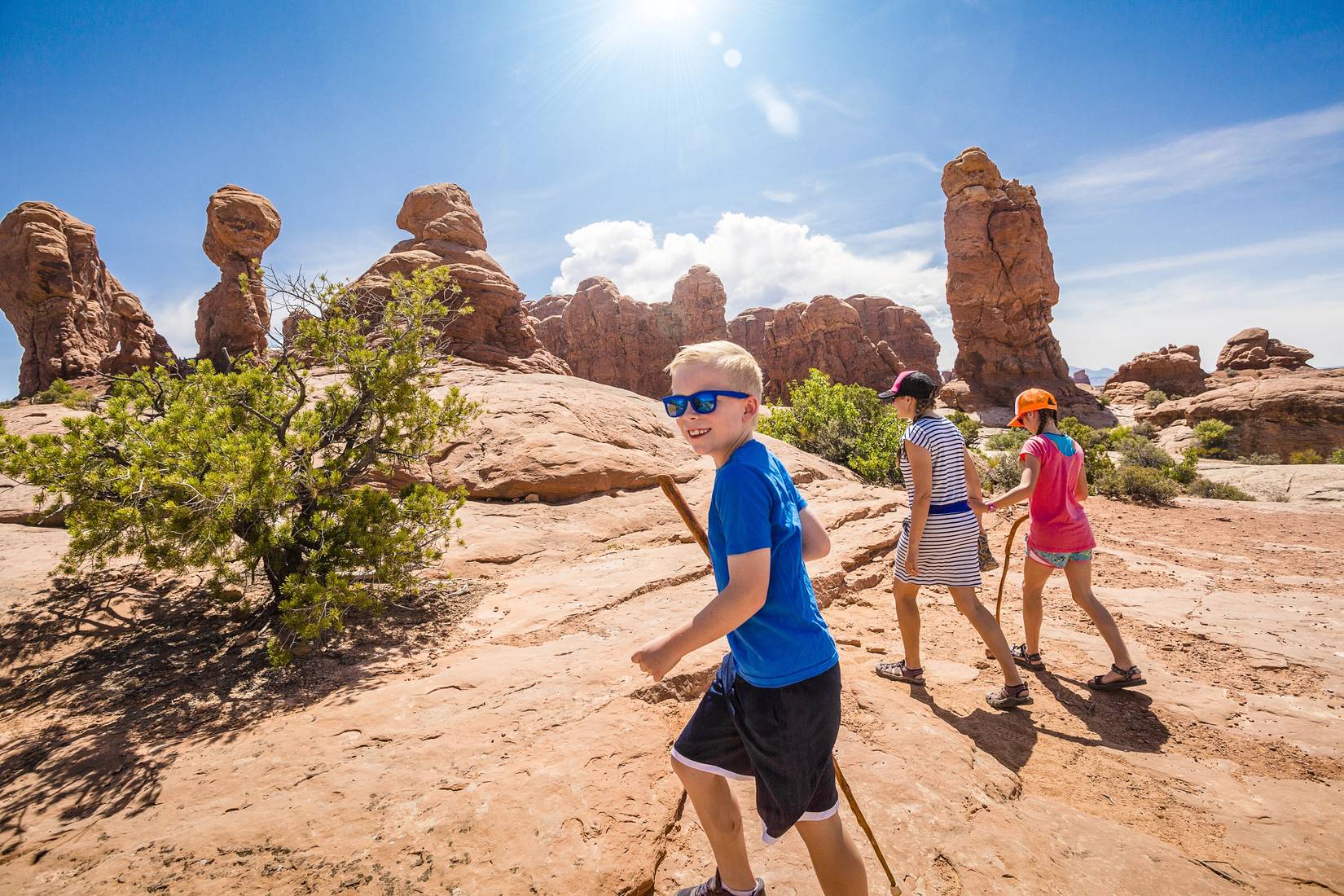
To understand why the reservation system was implemented in the first place, one must look at the staggering growth in visitation over the last few decades. In 1996, Arches drew roughly 856,000 visitors, a level that managers at the time already considered to be nearing the limit of what the landscape could sustain. By 2019, that number had more than doubled to approximately 1.8 million, a surge that fundamentally changed the character of the park.
This local explosion mirrors a broader trend across the entire National Park System, which has seen its popularity skyrocket over the last century. According to official visitation data, the system logged about 331 million visits in 2016, which is roughly 1,000 times the 326,000 recorded when the agency was founded in 1916. The demand for these protected spaces is outstripping the physical capacity of the land itself.
The term “hypervisitation” has been used to describe the fate of parks like Arches, where the sheer density of people threatens the very resources they come to see. A report on tourism toxification notes that at current growth rates, visitation at Arches could double again to 3.6 million by the early 2030s. That projection could be a nightmare scenario for park planners who are already struggling to manage half that volume without a reservation system.
The economic stakes of this growth are immense for the surrounding community of Moab and the rest of Grand County. Tourism is the lifeblood of the local economy, with roughly 70% of all jobs tied directly to the visitors who come to explore the red rocks. In 2024 alone, the park injected approximately $312 million into the local region, supporting everything from hotels and restaurants to specialized guide services and gear shops.
However, there is a point of diminishing returns where the chaos of the visitor experience begins to harm the reputation. If travelers spend their entire vacation sitting in traffic or being turned away at the gate, they are less likely to return or recommend the destination to others, which would inevitably have an impact. This tension between economic necessity and resource protection is at the heart of the current debate over how to manage the park in the post-reservation era.
Navigating the Interregnum: A Field Guide to the Chaos
For those determined to see the arches during this deregulated window, the key is to throw out the traditional 9-to-5 tourist schedule. Since the gates are no longer managed by a digital clock, the most successful visitors are those who arrive either incredibly early or surprisingly late. Entering the park before 6 a.m. usually guarantees a parking spot at the most popular trailheads, allowing you to finish your hike before the mid-morning gate closures begin.
Alternatively, the late afternoon “second wave” has become a popular strategy for savvy travelers. After the morning rush subsides and the initial crowds begin to leave for dinner in Moab, the park often reopens its gates around 4 p.m. or 5 p.m. This timing offers the added benefit of seeing the red rocks under the soft light of the golden hour, though you must be prepared to hike back to your vehicle in the twilight.
The lack of a reservation system means that flexibility is your most valuable asset. If the main entrance is blocked, consider exploring some of the lesser-known areas around Moab that offer similar scenery without the federal gatekeepers. The Bureau of Land Management lands surrounding the park contain dozens of incredible arches and canyons that rarely see the same level of congestion, providing a much-needed pressure valve for the region.
Inside the park, the visitor access and experience plan continues to be a work in progress as officials monitor the impact of the current deregulation. It is highly advised to check the official park social media channels or the NPS app every morning for real-time updates on gate closures. These platforms are currently the only way to know if the park is open or if you should pivot to a different activity for the day.
This particular situation offers a sense of freedom that was missing during the reservation years, but it requires a much higher level of self-sufficiency and patience. By treating the trip as a strategic operation rather than a casual stroll, you can still find the solitude and wonder that make this high desert landscape so legendary.
The Future of Moab and the Permanent Cap
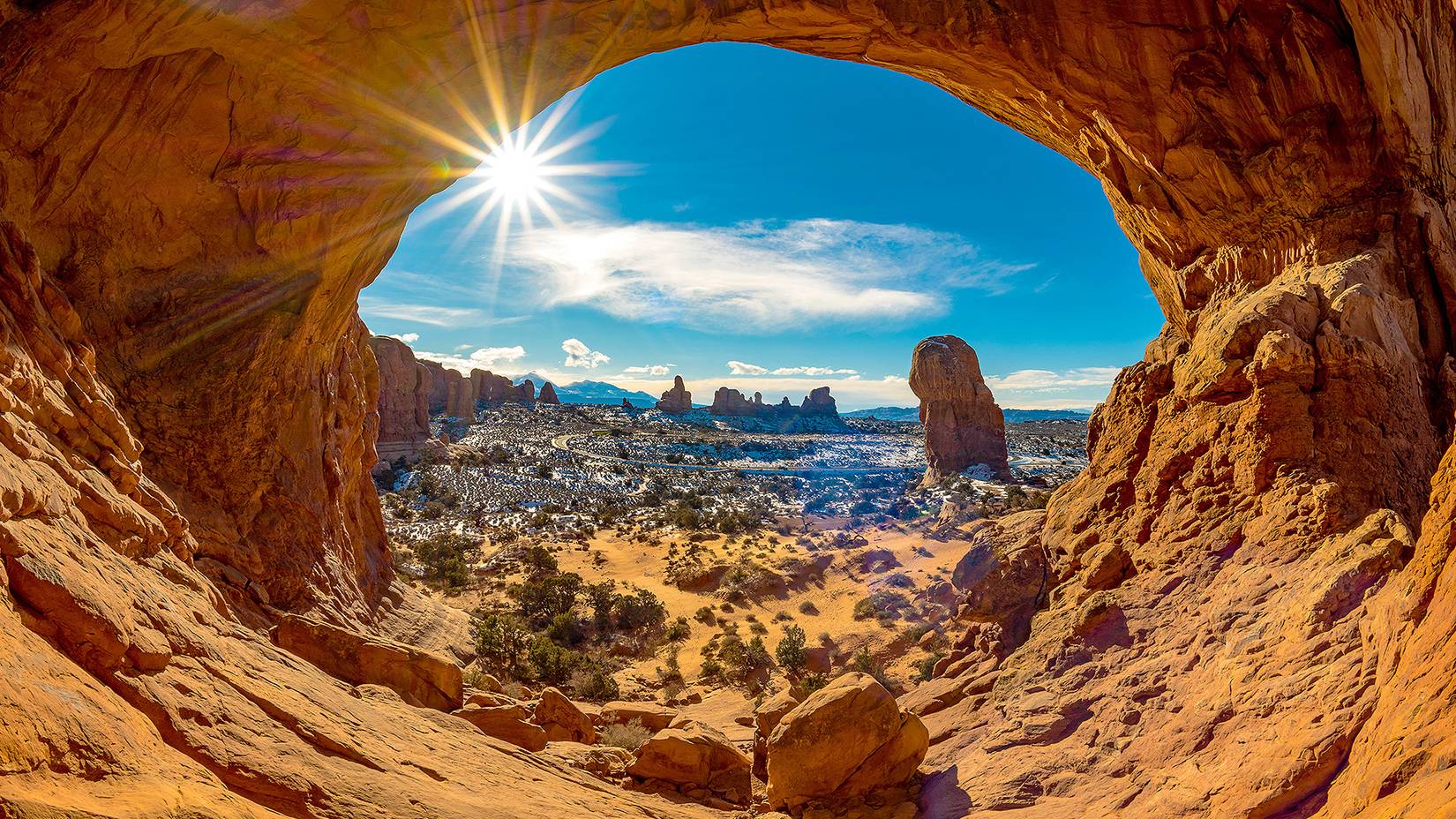
While the current chaos feels like a step backward, it is likely the catalyst for a more permanent and restrictive management style. The math of 3.6 million projected visitors simply does not work with the current road and parking infrastructure. Local leaders in Grand County are already discussing alternative solutions, including the possibility of a voluntary or even mandatory shuttle bus system similar to those used in Zion or Bryce Canyon.
A shuttle system would fundamentally change the way people experience Arches, removing the stress of parking but also limiting the spontaneity of a self-drive tour. It would allow the park to handle a much higher volume of people while protecting the fragile desert soil from illegal off-road parking. However, the costs and logistics of such a system are significant, and it would take years of planning and federal funding to become a reality.
The temporary end of reservations has served as a wake-up call for both the National Park Service and the gateway community of Moab. It has demonstrated that doing nothing is not a viable long-term strategy in an era of hypervisitation. The current state of “first-come chaos” is unsustainable for the staff, the environment, and the visitors themselves, making a new, more robust management plan an eventual certainty.
For now, the best way to support the park is to be a patient participant in this experimental era. The red rocks have stood for millions of years, and while the human management of the land is currently in a state of flux, the arches themselves remain as resilient as ever. Visitors should definitely enjoy this deregulated window while it lasts, because the permanent caps of the future are already appearing on the horizon.