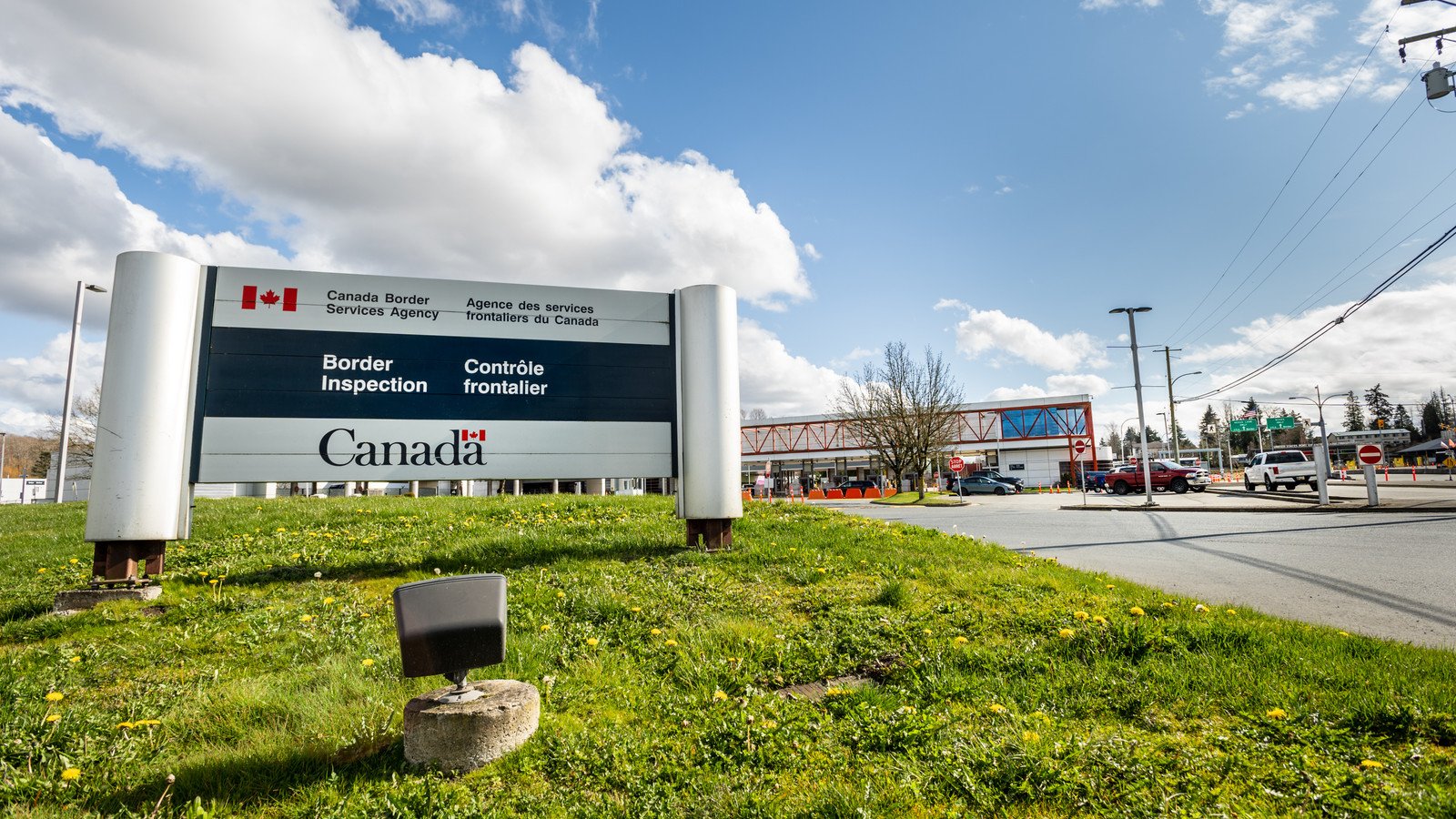
A traveler from the United States was denied entry into Canada because their length of stay did not match what was found in their vehicle. Due to suspicion regarding the length of stay, the Canada Border Services Agency (CBSA) applied the rare ruling and denied the traveler.
Similarly, we have seen instances of U.S. Customs and Border Protection denying Canadians for purpose of entry. However, we are also seeing cases of Americans being denied entry into Canada. This recent incident was another example of how an innocent issue can cause long-term problems for travelers crossing the border.
A U.S. Traveler Was Denied Entry Into Canada After Their Luggage Didn’t Match Their Intended Stay
Traveling to Canada for the first time, a visitor from the U.S. was denied entry. Canada Border Services Agency officers deemed the visitor’s vehicle “unsearchable.” According to the traveler’s experience posted to Reddit, the ruling was made after their luggage and trunk contents did not match his intended stay, which was for an afternoon visit.
The traveler revealed, “I was denied entry at the border because my luggage didn’t match my intended stay. Context: I had a box and a half of clothes in my backseat for donation purposes. My trunk had some spare car parts and Christmas decorations in it. These things are not unusual for me to store in my car Since I have no border experience, it did not occur to me that it would come across as unusual to have these things with me. But as I only intended on being in Canada for the afternoon, they deemed the vehicle “unsearchable” and denied me entry.”
The individual added that the Canadian officers did not require that they sign any form. Instead, the officers kept a yellow slip that they had previously filled out following the refusal. Once the visitor went back to the U.S. Customs side, they were not given any paperwork. Instead, they were let go after a simple ID check and an explanation of why they had been denied entry by the CBSA.
Along with the unusual circumstances surrounding the refusal, the visitor now fears future visits and whether their recent rejection will cause more issues in the future.
The U.S. Traveler May Face Future Issues When Crossing Into Canada
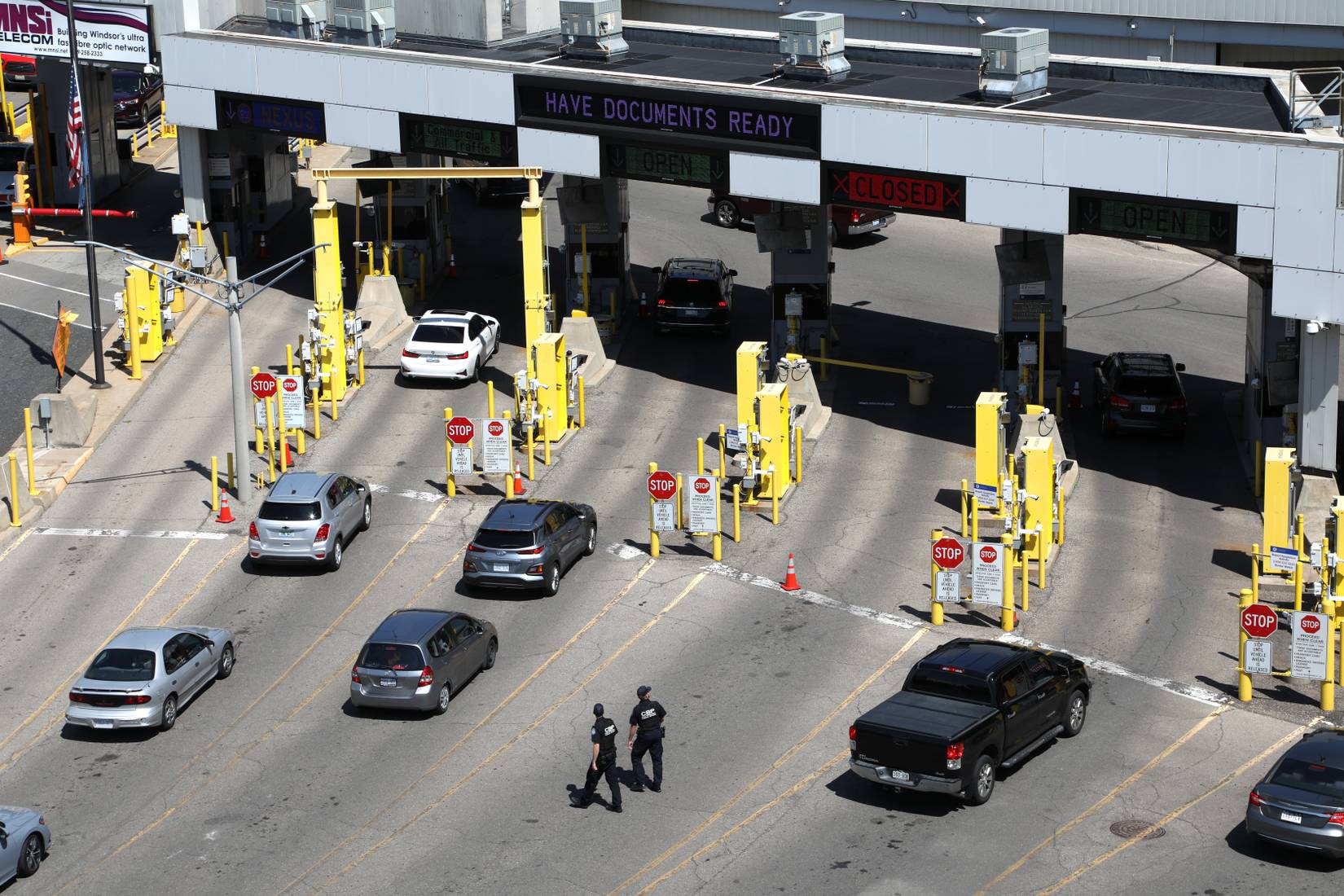
The traveler concluded their border crossing experience by expressing concerns regarding future visits to Canada. There are legitimate concerns, such as frequent secondary inspections, given that they were just flagged.
“The officer on the Canadian side said I wasn’t being flagged for anything and shouldn’t have any issues re-entering Canada, with an empty vehicle next time. My question now is: will this affect anything else? Is there extra documentation I need to bring next time? Will it hinder my ability to apply for a passport in the future?”
Commenters chimed in, offering advice. One person said that the priority during the next visit to Canada is to clean out their vehicle and bring other key documents that prove their long-term residence in the U.S.
“Clean out your car. Make sure you have proof of income (enough to cover your stay). Make sure you have proof of your address. You don’t want to look like somebody who will overstay.”
Others noted that the flag in the person’s record may last roughly 7 years. Given the timeline, the traveler must ensure that their vehicle is properly sorted prior.
|
-“The refused entry will be recorded in the system so there will be a higher chance you may be sent to secondary next time you try to cross. The next time you try to cross, make sure this sort of stuff isn’t in your car. It’s a good idea to have something on hand that shows proof of employment and proof of property rental or ownership. But ONLY show this if you are specifically asked. Make sure you also can show that you have the funds to support your trip.” |
|
-“They can’t give you a definitive answer about entry next time, because it is always up to the officer at the time of entry.” |
|
-“Flags in the system can last something like 7 years. Worse case you get sent to secondary for questioning every time you cross. Best case, they question you a bit more and let you through without searching the vehicle. The concern is probably that you are planning to overstay / move to Canada without a visa, by overstaying a tourist visa. If you can demonstrate ties to the US, such as a job, house, marriage, kids, etc. And demonstrate that you have a planned itinerary in Canada with hotel bookings or clear commitments, then you will arouse much less suspicion.” |
Although the ruling may surprise some, the Canada Border Services Agency has clear entry rules. Among them is the purpose and intent of travel. If the explanation does not match, the CBSA may refuse entry to a visitor.
The CBSA Can Deny Visitors Entry Into Canada Over Purpose Of Visit
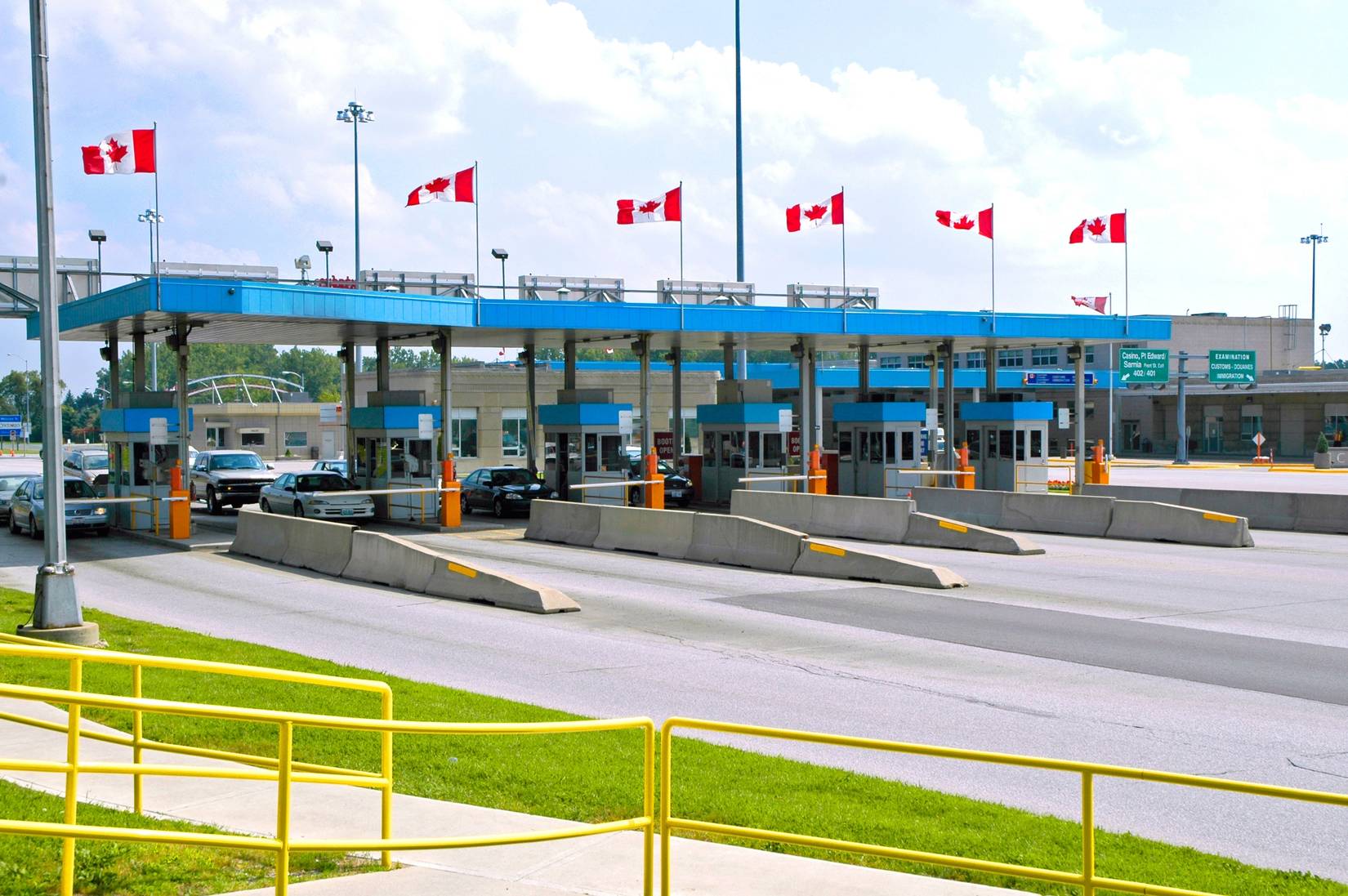
Under its “Visitor Visa: prepare for your arrival” page, the CBSA clearly states visitors may be denied entry if the evidence isn’t sufficient to show that a traveler will fulfill their approved length of stay.
“In some cases, the officer may limit or extend your time in Canada, depending on the purpose of your visit. Ask questions if you’re not sure about something.”
The CBSA adds that false or incomplete statements related to length of stay may result in suspicion. These are other grounds for refusal of entry.
“You won’t be allowed into Canada if you give false or incomplete information. The officer must be convinced that: you’re eligible for entry into Canada. You’ll leave Canada at the end of your approved length of stay.”
The incident is a stern reminder for visitors to have their vehicles in order. Clarifications about the purpose of travel and length of stay are crucial for border agents. If the explanation doesn’t match, a visitor may be refused entry, similar to this situation.