Some of the United States’ most beloved tourist destinations have seen changes recently due to the White House’s national park censorship efforts. It started with the U.S. National Park Service (NPS) quietly canceling staff jobs and reducing staff at parks around the country.
Then, in May 2025, the Trump administration directed federal agencies to remove anything that “inappropriately disparage[s] Americans past or living,” which ultimately became a censorship effort. The goal was to avoid highlighting any history that the administration saw as negative optics for the country. From sites memorializing important aspects of Native American history to stories about the country’s background in slavery, pieces of U.S. history quietly faded from view in national parks around the country.
But some former rangers aren’t having it. From showing up on their own time to tell the true story to forming resistance programs that keep U.S. citizens and park visitors educated on accurate American history, private citizens who have invested their lives in America’s national parks are fighting back.
A Former Park Ranger Is Taking Removed History Back Into National Parks
The federal government can remove a national park sign. But it can’t stop a knowledgeable former ranger from standing near the empty space and telling visitors what used to be there.
That’s the approach Melissa Dalley has taken since leaving the NPS in April, according to SFGATE.
The former ranger at New York’s Martin Van Buren National Historic Site helped launch America433+, a coalition using unofficial park teach-ins, printed materials, archived signs, and virtual workshops to preserve historical and scientific information that members say is being censored from public lands.
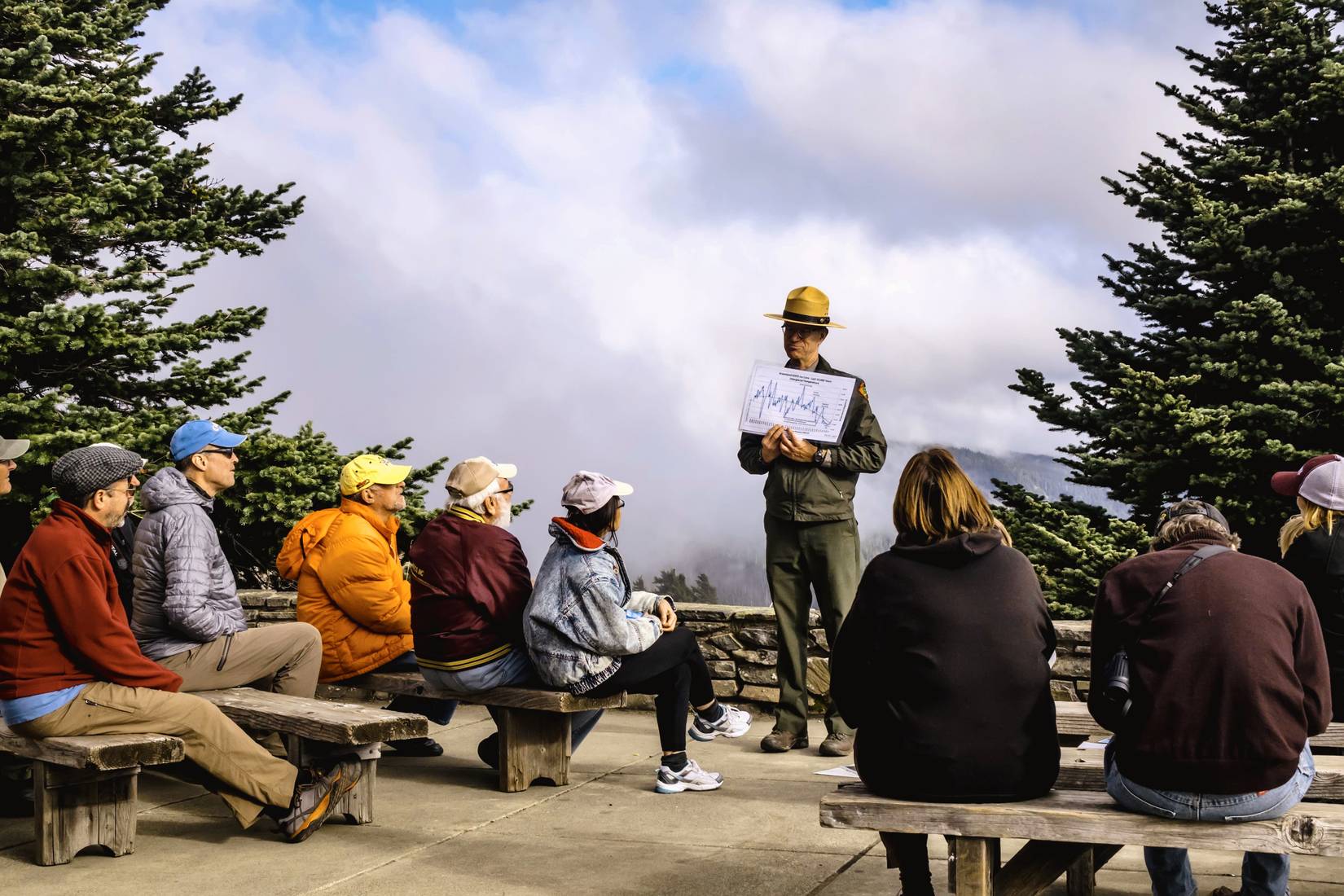
Dalley has since visited Yellowstone, Grand Teton, and Glacier national parks as an ordinary tourist. Instead of wearing an official uniform, she starts conversations with other visitors and explains what information has disappeared from exhibits.
At Grand Teton, that meant directing people’s attention to an empty space where a display discussing a massacre of Native Americans once stood. She then handed out material with the censored information.
Dalley no longer represents the NPS
That gives her a certain level of freedom.
As a federal employee, she watched the Park Service lose staff, centralize communications, restrict individual park social media accounts, and review public-facing materials under Trump’s directives.
“The Park Service has been entirely cut off in every avenue that we have that’s meaningful to connect with the public,” Dalley told the outlet.
Now, the government’s historical censorship has also become widespread, according to Dalley.
“The scope of it is so huge, people don’t realize that no matter where you are in the country, there’s probably one of these sites near you,” she said.
After leaving her position, she began returning to parks as a visitor.
The work is now being organized through America433+. Its name refers to the 433 NPS sites, although their campaign also covers other public lands and institutions.
The group says it’s trying to preserve material involving Indigenous history, slavery, civil rights, climate science, immigration, labor history, environmental justice, and other subjects affected by removals or political interference.
Dalley’s concern isn’t just about whether the exhibits eventually return, but about the experiences Americans are having now when they visit the country’s national parks under the current administration.
“There are millions of people who are coming to these sites today who are not getting the full story,” she told SFGATE. “That’s an irreparable loss to me.”
A display restored several years later simply can’t give that information back to people who already visited while it was hidden away.
The Trump Administration Ordered Parks To Review “Negative” Signs
The dispute began with President Donald Trump’s March 2025 executive order, “Restoring Truth and Sanity to American History.”
Interior Secretary Doug Burgum followed it with Secretarial Order 3431 on May 20, 2025. The order directed agencies to review monuments, exhibits, markers, and other public material for content considered “disparaging” toward past or living Americans. It also called for public lands to focus more on the “beauty and grandeur” of American landscapes.
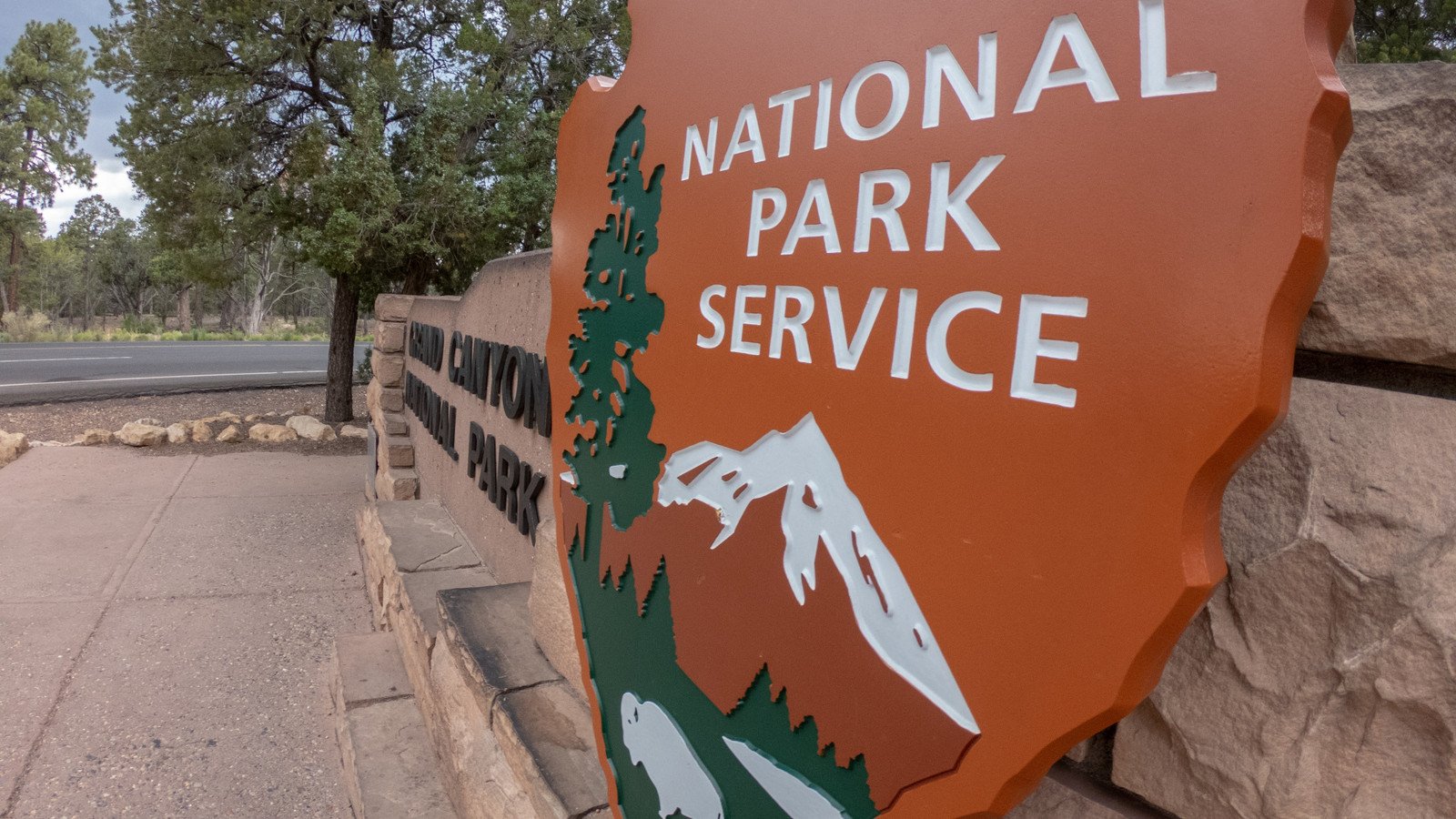
National park sites started displaying signs asking visitors to report information that they considered negative about Americans or insufficiently focused on the country’s natural beauty.
But the public response didn’t unfold as officials might have expected.
An Associated Press analysis of about 35,000 comments found that more than half, even before duplicates were considered, criticized the initiative itself. Some visitors used the reporting process to defend existing interpretation and object to what they viewed as an attempt to erase difficult history.
Save Our Signs, a crowdsourced preservation project, had documented at least 59 removed or modified displays by July. The affected signs were linked to topics including slavery, Native American history, women’s rights, conservation, civil rights, and climate change. The Interior Department has maintained that some material was removed for maintenance rather than ideological reasons.
Examples cited in lawsuits challenging the administration’s efforts included an exhibit discussing George Washington’s ownership of enslaved people in Philadelphia and climate-related displays at Fort Sumter, according to Reuters.
A Court Order Briefly Required The Missing Signs To Return
The sign removals are still being contested in federal court.
On June 12, U.S. District Judge Angel Kelley ordered the Interior Department to restore exhibits removed or altered under the policy and stop further changes while the lawsuit continued.
Kelley found that the challengers were likely to prove the removals violated federal laws governing the NPS.
“History cannot be faithfully told while excluding the experiences of communities whose contributions, struggles, and achievements form an important part of our Nation’s story,” she wrote in her judgment.
However, that ruling did not remain in effect for long.
On July 2, the 1st U.S. Circuit Court of Appeals placed the injunction on hold. The appeals panel questioned whether the organizations suing the government had demonstrated that they would suffer irreparable harm without immediate restoration.
The decision allows the administration to continue reviewing and removing material while the underlying legal challenge proceeds. However, it’s a temporary victory for the government rather than a final ruling that the removal policy is lawful.
For Dalley and America433+, that uncertainty makes unofficial preservation more urgent.
Even when removed displays have been photographed or archived, replacing them would require complete records, staff, funding, and approval. Dalley also said employees have even put new exhibits on hold, essentially hoping to wait out the current administration, because they fear the material won’t survive the current review process.
America433+ Held Its First Teach-In At Harpers Ferry
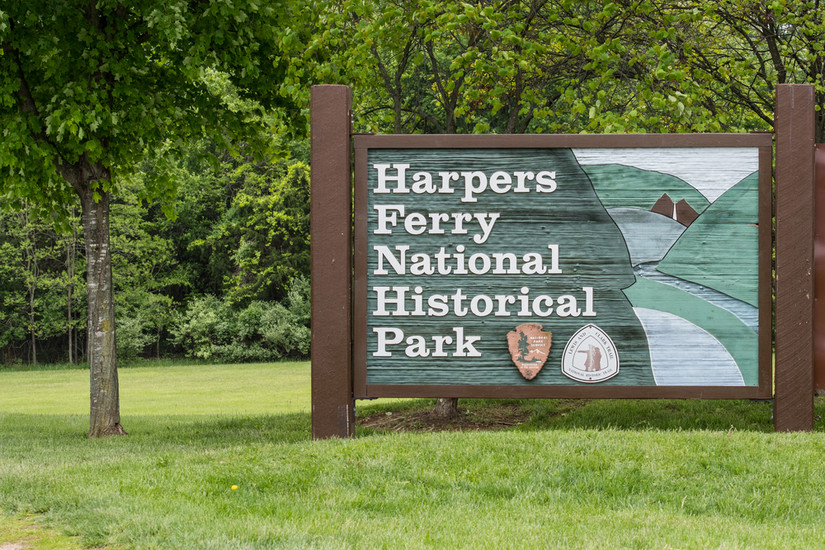
America433+ tested its visitor-facing approach during a Juneteenth teach-in at Harpers Ferry National Historical Park in West Virginia.
The June 19 event was held inside the park but organized independently of the NPS. Visitors were invited to hear speakers, write postcards to lawmakers, participate in children’s activities, and learn about parts of Harpers Ferry’s history that organizers said were absent or threatened.
The program discussed the Black men who joined abolitionist John Brown’s 1859 raid, the Freedmen’s Bureau, and Storer College, an early institution established to educate formerly enslaved people.
Former Harpers Ferry ranger Elizabeth Kerwin also discussed an unfinished exhibit called “Making a Way Out of No Way.” The planned installation was intended to follow the Black experience at Harpers Ferry from enslavement and emancipation through later struggles for equality.
“On Juneteenth, I want people to think about something that isn’t here,” said Kerwin. “We were on track to open Making a Way Out of No Way by Juneteenth 2026. The exhibit would have honored generations of African Americans whose lives and labor helped shape Harpers Ferry and this nation. Instead, visitors find an empty room. The public deserves to know these stories,” Kerwin said in a press release.
The official Harpers Ferry website still describes the site’s history as complex, covering slavery, John Brown’s attack, the Civil War, and the education of formerly enslaved people. The unofficial teach-in went further by focusing on material participants believed was being delayed, suppressed, or removed.
Children at the event could also complete activities and receive “Junior Resistance Ranger” badges, a program created with Resistance Rangers and modeled on the Park Service’s traditional Junior Ranger activities.
Visitors Can Organize Their Own Unofficial Park Lessons
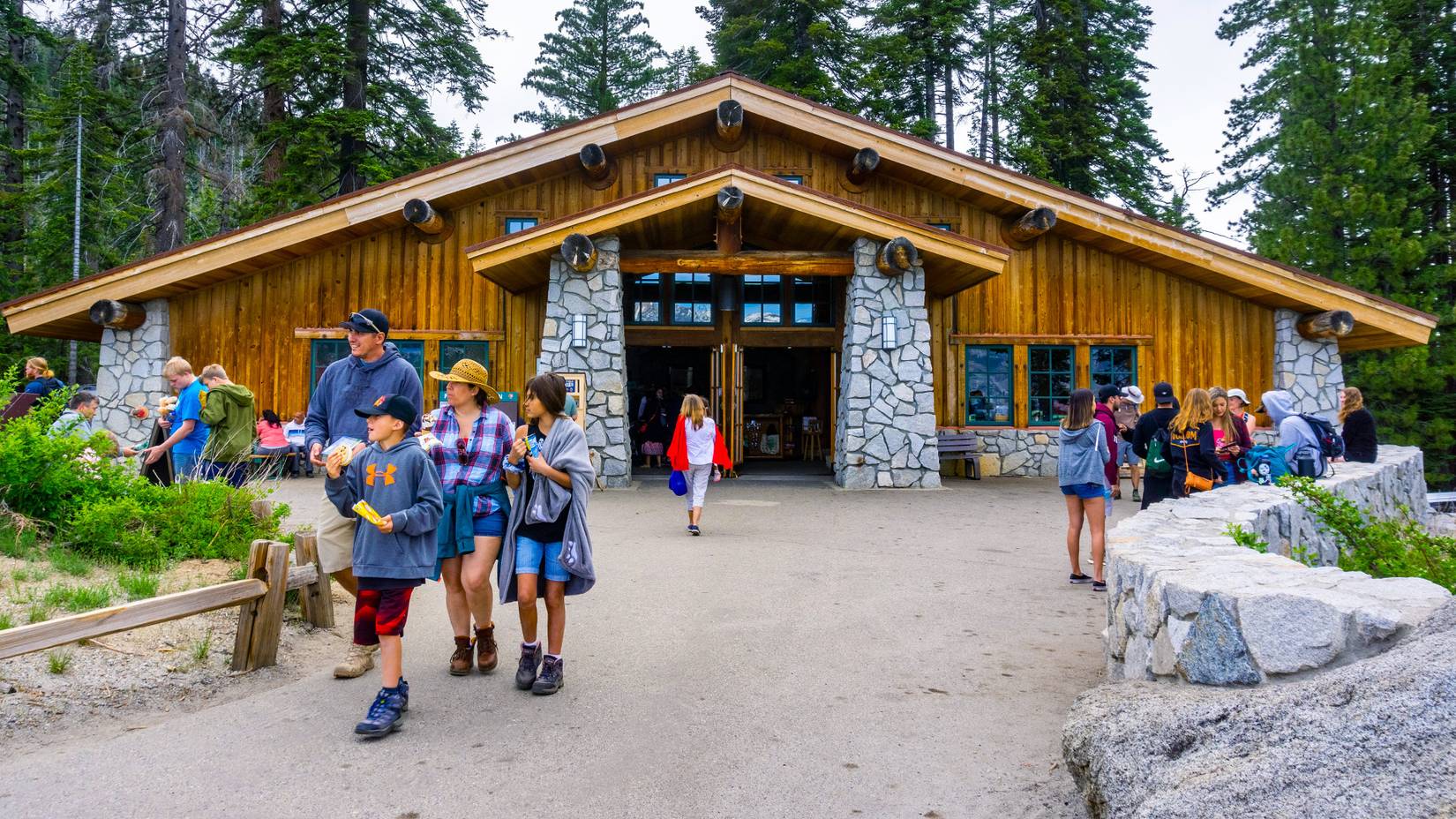
America433+ is encouraging supporters to repeat the Harpers Ferry model at other parks.
Visitors can use the Save Our Signs archive to locate photographs and text from displays that have been removed or identified as vulnerable. They can then discuss that material with other visitors or distribute informational flyers.
Casual conversations and leaflet distribution are generally possible, according to SFGATE, although rules differ among parks. More elaborate activities involving tables, organized gatherings, or speakers may require a permit. Visitors should contact the park before planning anything that goes beyond ordinary conversation.
The campaign also operates away from park grounds. America433+ has hosted virtual workshops teaching participants to create zines containing endangered or censored history.
The group’s website offers park-specific pages connecting visitors with archived signs, outside research, stories about altered interpretation, and suggested actions.
None of it makes America433+ an official source of NPS interpretation. Its speakers, flyers, and children’s badges are all products of an advocacy coalition, not the federal government.
But that’s also the point of the project.
The federal administration controls the exhibits placed inside our national parks and historical sites. Dalley and other former rangers are attempting to create a separate layer of interpretation that remains outside of that control.