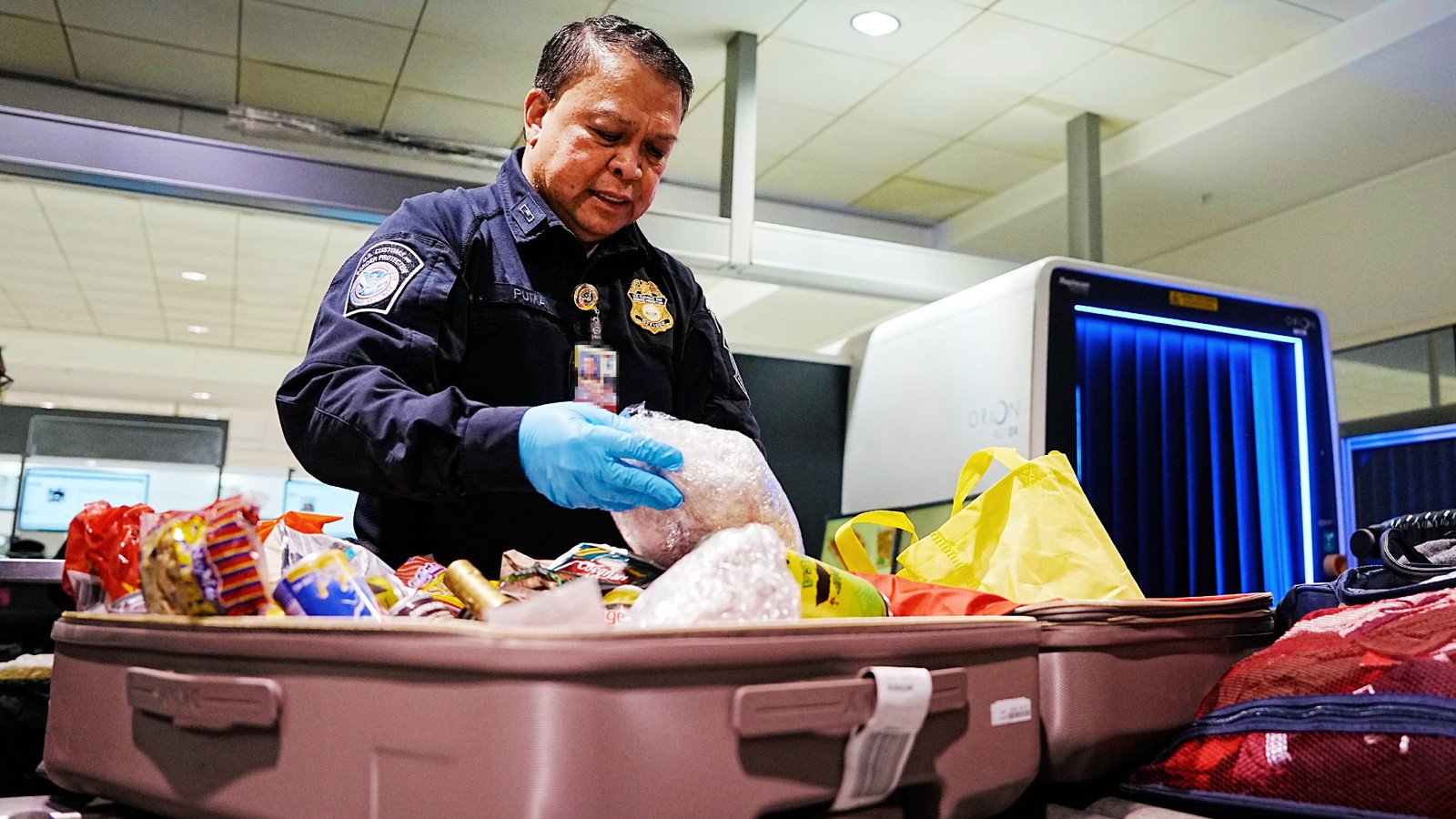
U.S. Customs and Border Protection (CBP) recently revoked a traveler’s Global Entry after officers confiscated over $21,000 from their baggage at Philadelphia International Airport (PHL). The incident comes amid a growing number of travelers reportedly losing their Trusted Traveler status over stricter rule enforcement.
In fact, this occurred shortly after some U.S. citizens filed a federal lawsuit against the Department of Homeland Security (DHS), alleging that their TSA Precheck and Global Entry were removed as a form of “retaliation” for filming U.S. Immigration and Customs Enforcement (ICE) agents.
While the latter involves complex legal and First Amendment battles, losing travel privileges over cash is far more straightforward and avoidable. But even frequent flyers tend to forget the one step that can save them from losing both their money and their airport perks.
CBP Revokes Traveler’s Global Entry After Confiscating Unreported $21,000 At Philadelphia Airport
On Sunday, July 26, U.S. Customs and Border Protection officers discovered $22,016 in unreported cash, concealed in the carry-on bag of a U.S. citizen from Columbus, Ohio who was bound for a flight to Santiago, Dominican Republic. The man, who has now lost his Global Entry status, initially reported to CBP officers that he was carrying about $7,000 to $8,000.
However, after he was given a document about U.S. currency reporting laws, he ended up writing on the form that he had $10,000 in cash instead. Federal law mandates that anyone, when entering or leaving the U.S., must report amounts of cash exceeding $10,000 to CBP.
“This traveler egregiously violated the terms of his trusted traveler contract by deliberately underreporting the amount of currency he possessed, and he will consequently lose his trusted traveler privileges,” said CBP’s Acting Area Port Director Elliott Ortiz in Philadelphia in a media release. “Currency reporting laws are easy to comply with by just truthfully reporting all of your currency to Customs and Border Protection officers during your arrival or departure inspection.”
Following the inspection, CBP officers confiscated $21,516 but handed back $500 to the traveler for humanitarian purposes. The man was also released without criminal charges. It is a costly reminder that CBP enforces a strict zero-tolerance policy regarding undeclared large sums of cash.
The tragic part here, really, is that avoiding cash seizures and revoked Global Entry memberships takes only a couple of minutes. It is not illegal to carry large amounts of cash into or out of the U.S., as long as you properly declare it to CBP. It takes less than the time you are likely to spend standing in line for coffee at the airport.
How To Properly Declare Cash Over $10,000 To U.S. Customs And Border Protection
Anyone who is bringing, sending, or receiving currency (including coins) or other monetary instruments (e.g. checks, promissory notes, money orders) over $10,000 in total at one time, either going in or out of the U.S., must declare it to CBP. This includes those who are transporting, mailing, or shipping these items for themselves or on behalf of another individual or business.
Note that for families or groups traveling together, the $10,000 threshold applies to the total amount they are carrying collectively, not per person. To properly declare these items, you must file FinCEN Form 105, which CBP recommends you do online via the FinCEN Form 105 Website. You may also print and fill out the form before your trip and present it to a CBP officer.
Notifying The CBP Officer At The Airport
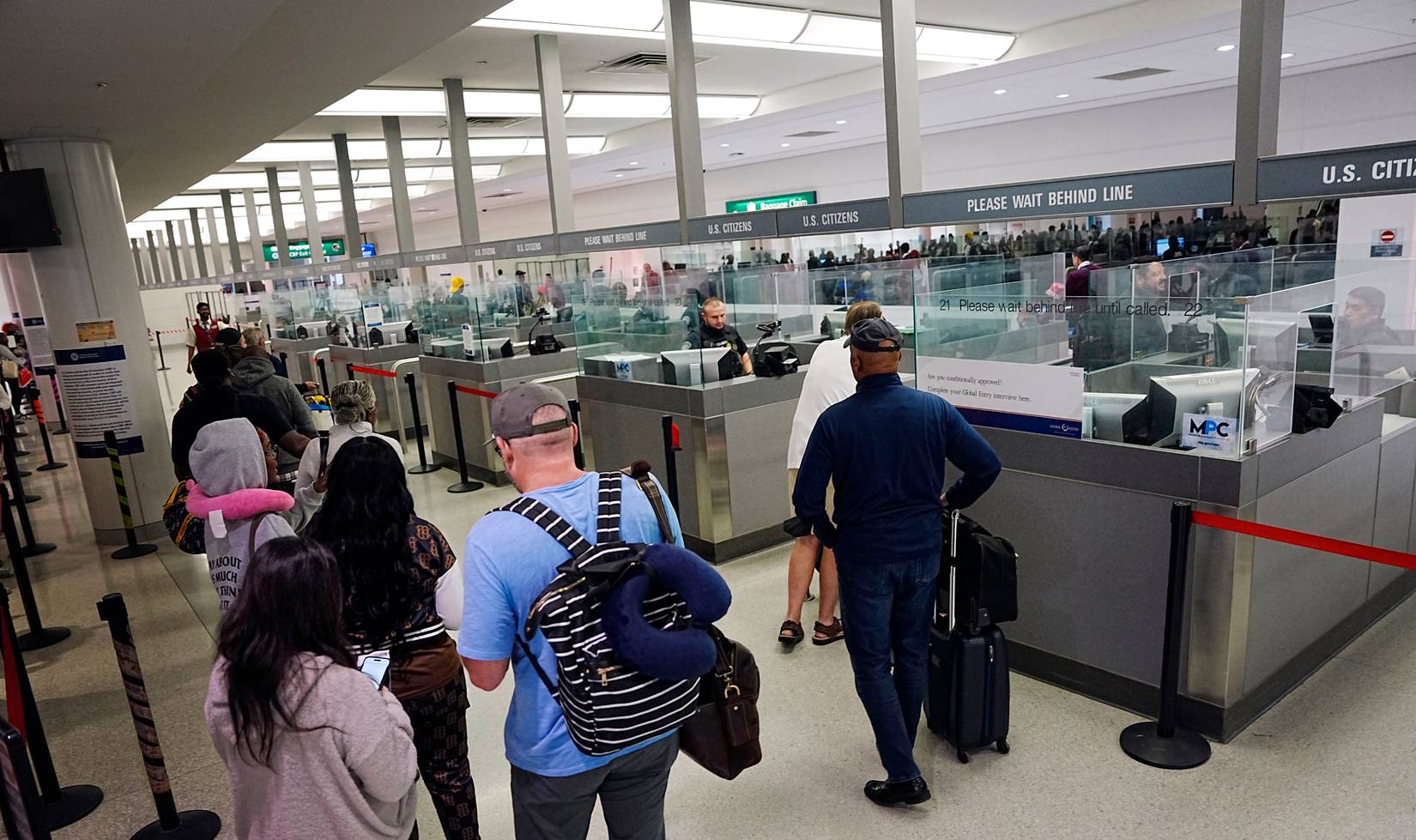
When arriving in the U.S., indicate that you are carrying over $10,000 in cash on your initial declaration, which could be via the Global Entry kiosk or the Mobile Passport Control app, as well as through filling out CBP Form 6059B. After that, inform the CBP officer at the primary inspection desk right away, and then present your passport and your filled-out FinCEN Form 105 or digital confirmation receipt.
Expect the CBP officer to inspect the physical cash or monetary instruments and count the money in front of you before stamping or verifying your Form 105 submission, and then allowing you to proceed with your travels.
The process is slightly different when you are exiting the U.S., as you have to locate a CBP officer or visit the CBP Port Office/Airport Inspection Area at the airport before passing through Transportation Security Administration (TSA) security or boarding your international flight. You should then inform them that you have $10,000 in cash and present your completed FinCEN Form 105 or digital submission barcode.
Can CBP Reinstate Revoked Global Entry Membership After Undeclared Cash Violation?
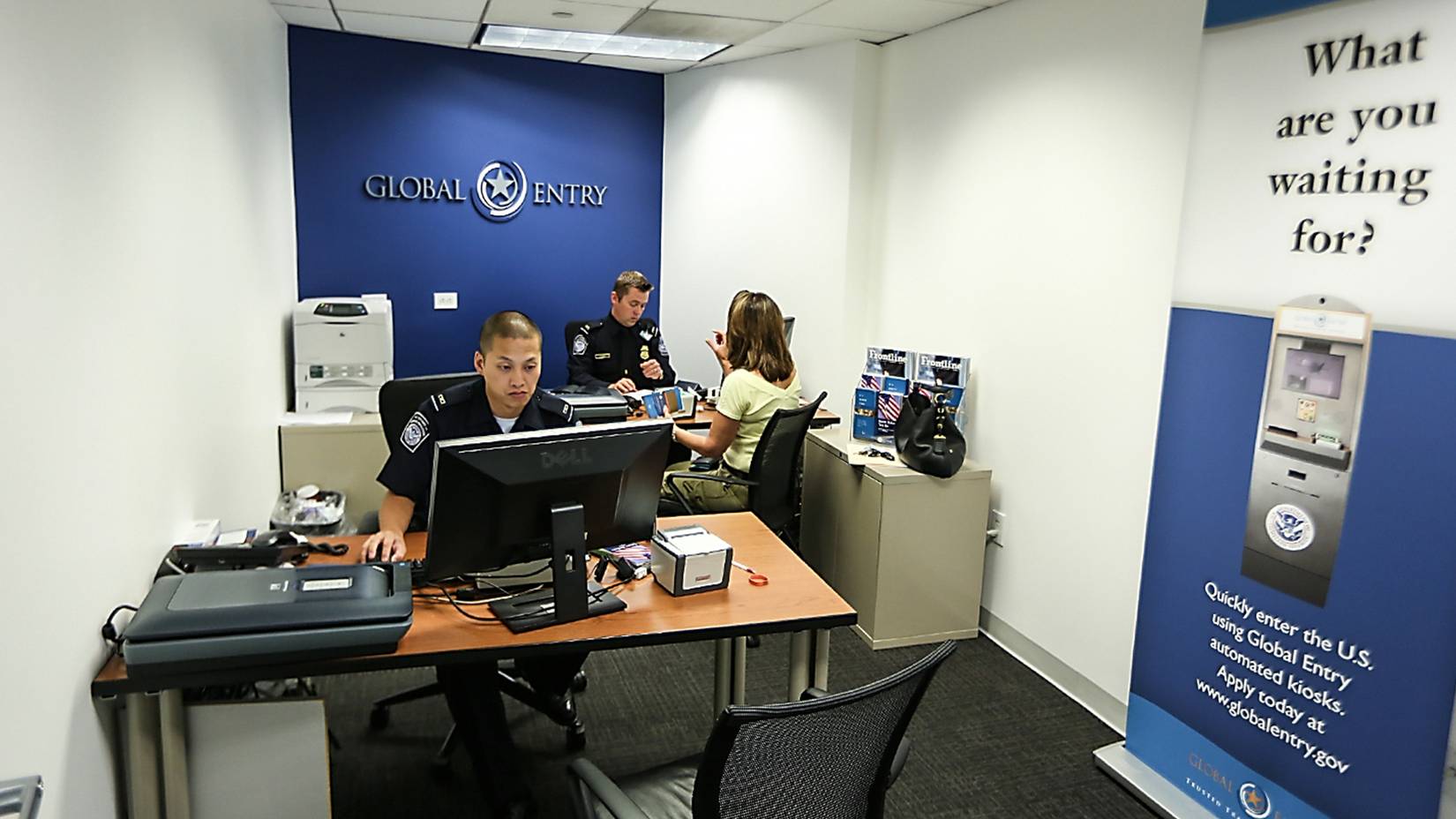
Technically, yes, CBP can reinstate a revoked Global Entry membership after an undeclared cash violation. However, it could be difficult and is entirely up to agency discretion. It largely depends on the severity and intent. For instance, in the Philadelphia Airport traveler’s case, intentionally concealing over $22,000 is a major breach of trust—making it nearly impossible to overturn the revocation of his Global Entry.
However, there have been a number of successes for minor cases after filing a formal reconsideration request through the online Trusted Traveler Programs (TTP) Portal. Travelers must then upload supporting documents, receipts, or a clear and factual explanation if the violation was only a genuine misunderstanding or a clerical error.
This would require some patience, though, as the review could take months. Ultimately, strict compliance with CBP rules is the best way to avoid severe financial penalties and losing your Trusted Traveler status.