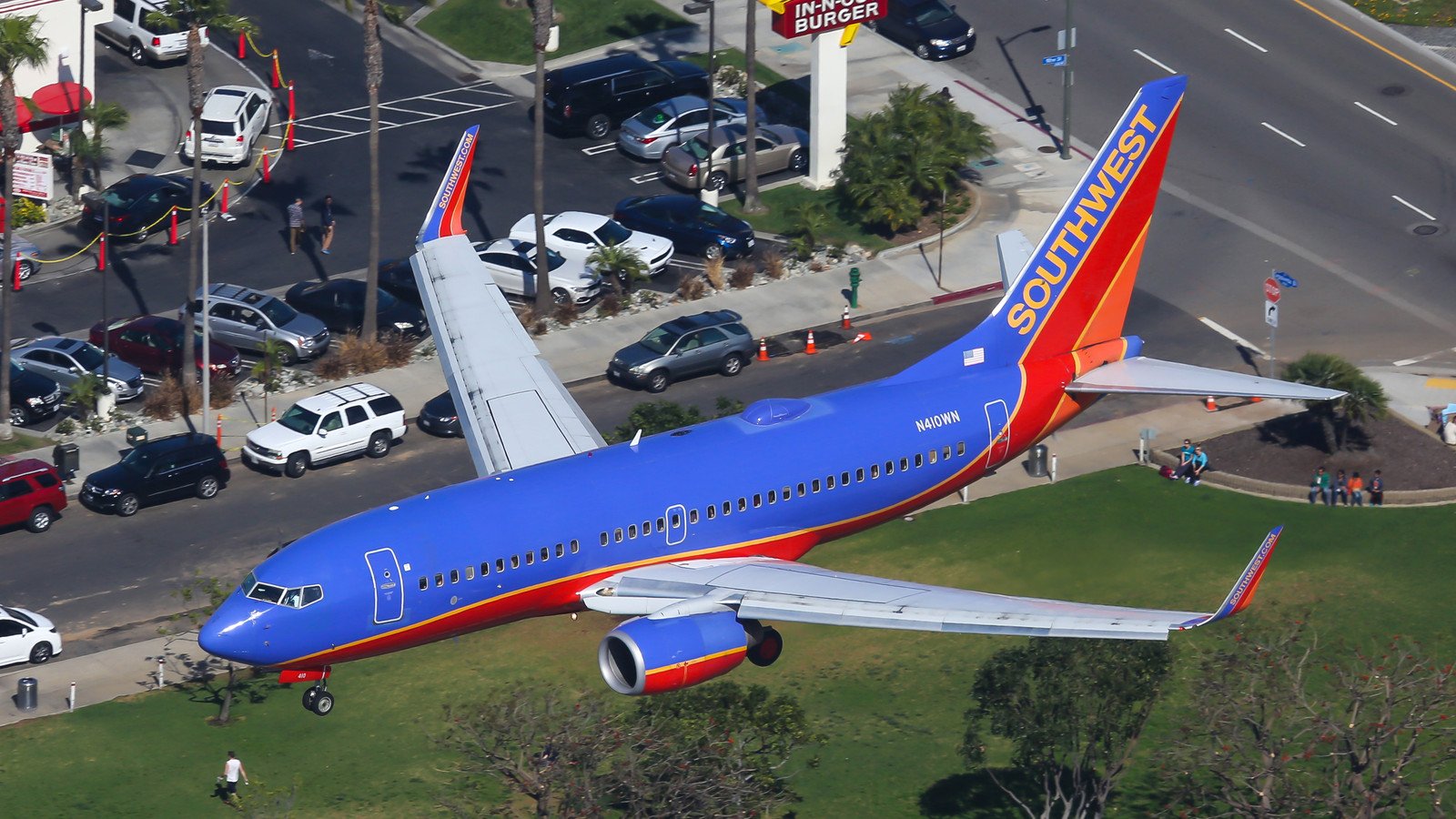
After extensive testing that began in 2018, the Federal Aviation Administration (FAA) has finally certified a much-anticipated small Boeing aircraft. Southwest Airlines, the plane’s primary customer and the largest buyer, celebrated the FAA decision and said it looked forward to bringing the new planes into service in “the coming months.”
After disturbing facts had emerged about Boeing’s MAX airplanes in 2019, the plane faced two major worldwide groundings, one in March 2019 and a partial grounding in January 2024. Now, under new and updated federal requirements and after extensive testing, the FAA announced Monday that it had certified the Boeing 737 MAX 7.
With just under 300 orders for the 737 MAX 7, Southwest plans to phase out its aging older-generation aircraft, used primarily for short- and medium-haul domestic point-to-point routes, as well as high-frequency short corridors.
Southwest Airlines Celebrates FAA Certification Of Boeing 737 MAX 7
Southwest Airlines became the launch customer for Boeing’s 737 MAX 7 in 2013. The airline ordered a total of over 300 planes, with current active firm orders between 233 and 269 planes. Often in the news for unhappy news, such as the recent FAA airport shutdowns and flight cancellations because of bad weather, Monday’s FAA approval for the new plane has already led to the company’s stock surging over 7%.
On the other hand, excited about the FAA certification, Southwest says they plan to introduce the planes into service in the coming months, within three to six months after delivery of the first jet.
“Southwest Airlines is pleased with the FAA’s certification of the Boeing 737-7 aircraft and we look forward to the plane entering service in the coming months,” Southwest said in a statement to TPG. “Certification is an important step toward continuing to modernize our all-Boeing 737 fleet with upgraded interiors and more fuel-efficient aircraft to fit our Customers’ preferences and demand patterns.”
Southwest plans to use the 737 MAX 7 to modernize its fleet, phase out older aircraft, and serve short- and medium-haul routes. The new planes are likely to directly replace its aging fleet of 737-700 next-generation aircraft. One of the major advantages of the new planes is that they reduce fuel burn by roughly 14% compared to older models, cutting operating costs and lowering emissions.
About The Boeing 737 MAX 7
- Single-aisle (narrow-body) aircraft (only one aisle).
- Shortest and smallest model in the MAX aircraft family.
- With a maximum of 172 passengers, it features a standard 3-3 seating layout (three on each side of the aisle).
Southwest Routes Likely To Be Impacted By The New Planes
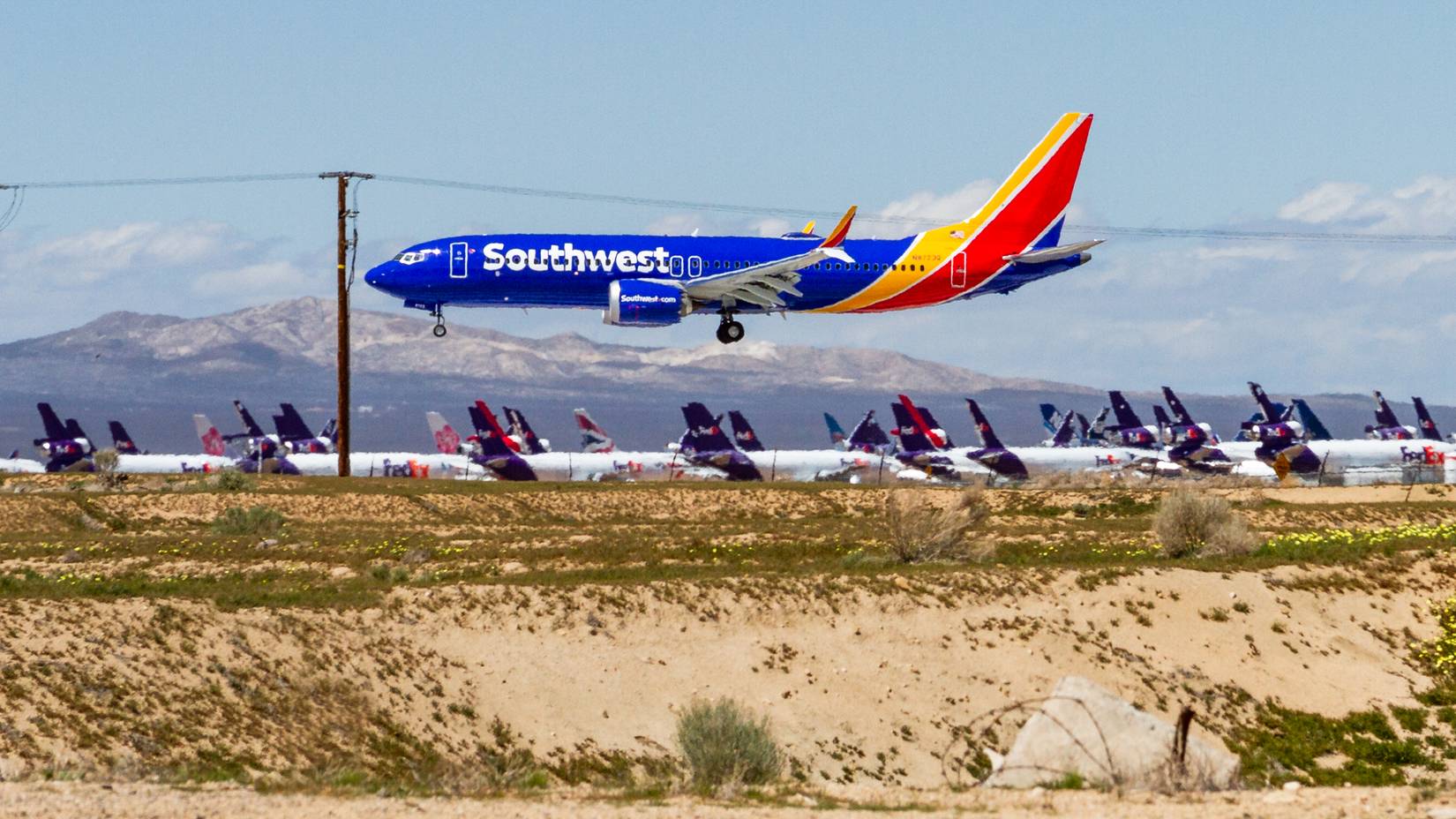
The new 737 MAX 7 planes will be used on Southwest’s short- to medium-haul domestic routes and lower-demand “thinner” markets where the carrier currently uses its aging 737–700 jets. Actual flights can be expected by early 2027.
|
Southwest route |
Why the Boeing 737 MAX 7 |
|---|---|
|
Mid-sized hubs |
Major Southwest focus cities that rely on flexible point-to-point networks. |
|
Lower-demand, high-frequency |
Maintain high-frequency flight schedules without needing many seats. |
|
Hawaii network |
Fly fewer passengers efficiently across the Pacific (after ETOPS* certification). |
*Extended-range Twin-engine Operational Performance Standards (ETOPS) certification.
Since the MAX 7 has fewer seats, it is inherently faster to board and deplane. With checked bag fees causing new boarding times on thousands of Southwest flights, faster boarding will help reduce delays and maintain current flight schedules.
Also, the lighter MAX 7 is better optimized for shorter runways or high-altitude approach and departures where larger planes face takeoff weight restrictions.
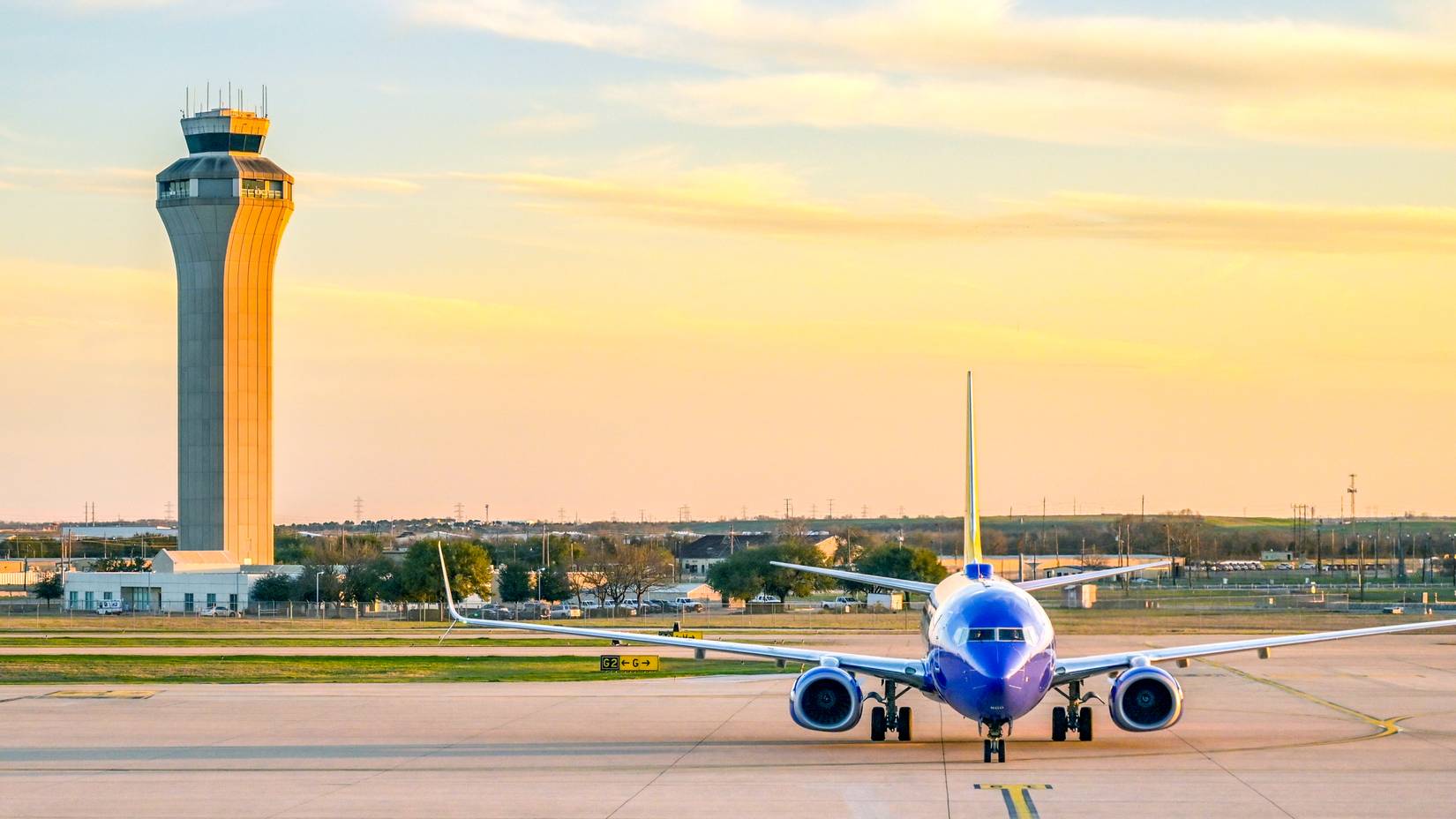
In high-frequency corridors, such as the California Shuttles (Los Angeles/San Francisco/San Diego) or the Texas Triangle (Dallas-Fortworth/Houston/Austin), saving ten minutes per airport arrival/departure will allow Southwest to squeeze an extra flight segment out of the aircraft each day.
While these are great reasons for Southwest to be excited about introducing the new planes into service, passengers also have more than a few features to look forward to.
Passenger Advantages Of The 737 MAX 7 Versus The Older 737-700
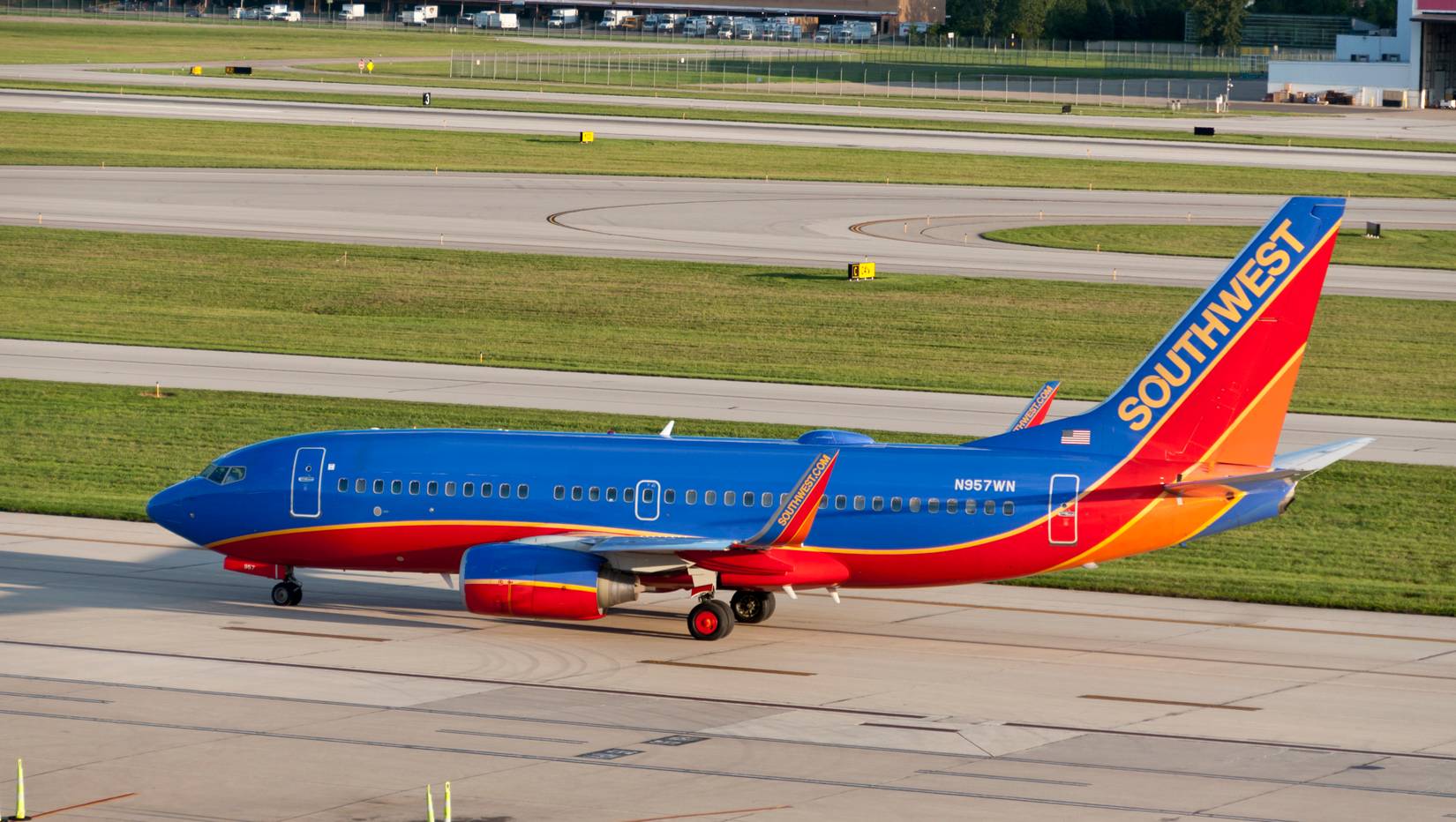
An airplane that took over eight years to be certified must bring some tangible advantages for its passengers. The newly certified 737 MAX 7 promises to do just that.
What Southwest Passengers Can Expect On The 737 MAX 7
|
Feature |
737 MAX 7 |
737-700 |
Why it matters |
|---|---|---|---|
|
Cabin noise |
Advanced, ultra-quiet engine |
Standard older engines |
Quieter |
|
Interior lighting |
Modern interior, dynamic LED lighting |
Traditional interior, standard lighting |
Less eye strain |
|
Flight ranges |
Up to 3,850 nautical miles |
Around 3,200 nautical miles |
More direct flights |
|
Environment |
20% lower fuel burn and emissions |
Standard fuel consumption |
Guilt-free travel |
While Southwest Airlines is the largest buyer for Boeing’s 737 MAX 7, the U.S. ultra-low-cost carrier Allegiant Air also has 24 firm orders for the aircraft. Boeing also has several private buyers of a highly specialized, luxury private-jet version of the aircraft through its Business Jets (BBJ) division.
In summary, flying on the newer 737 MAX 7 allows a noticeably quieter flight, fresher lighting, and more direct flight options, all while shrinking its carbon footprint (for the conscientious traveler). But it’s also important to understand the 737 MAX 7’s journey and why it took eight years for the FAA to certify this airplane.
Why The FAA Took Eight Years To Certify The Airplane
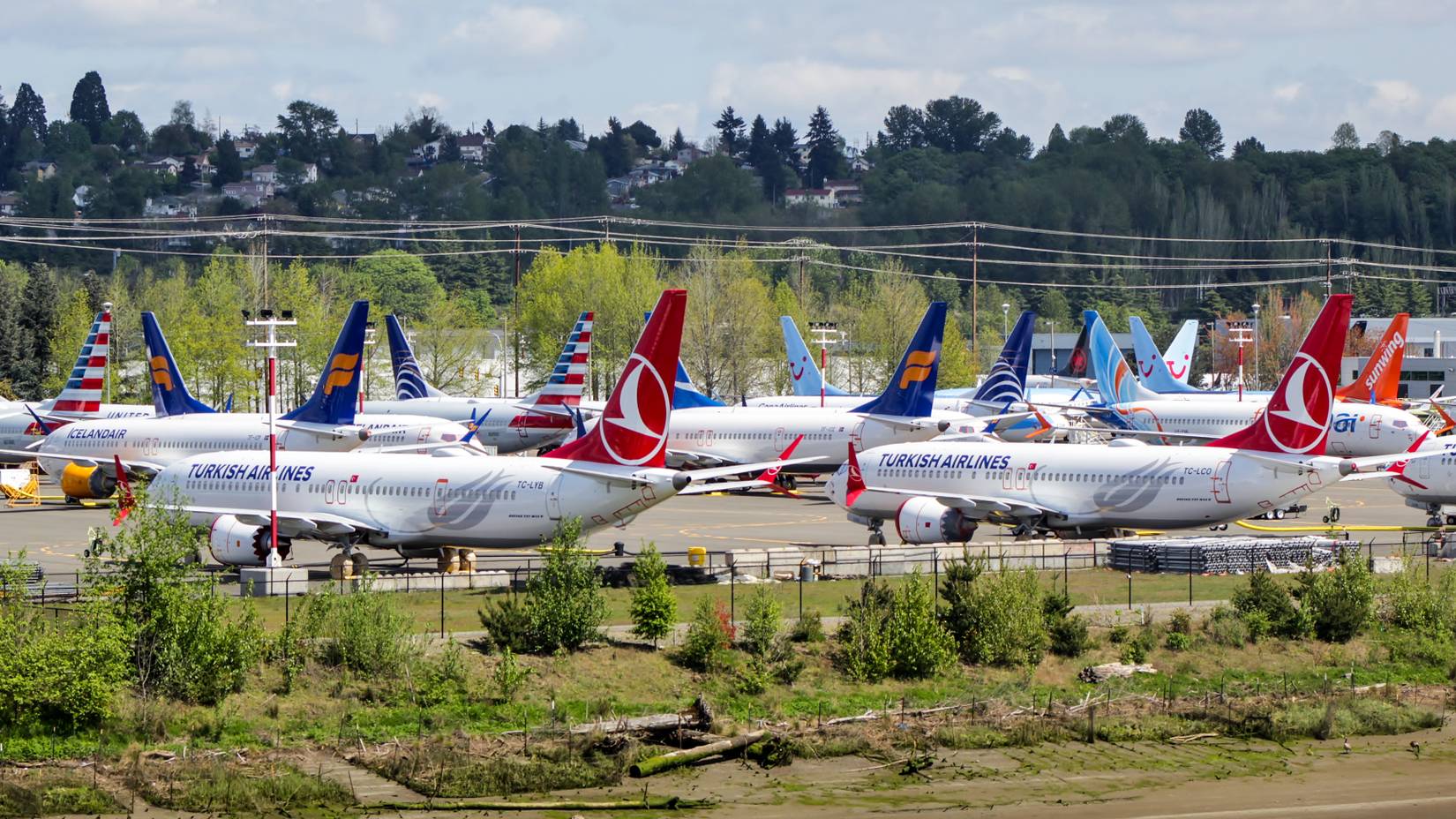
After two crashes of the 737 MAX 8, the FAA was forced to overhaul its certification processes and requirements for all new Boeing aircraft. This included stricter testing parameters, tougher compliance protocols, and critical upgrades keeping safety inspectors heavily involved in all production systems.
Two Boeing 737 MAX 8 Crashes
- Lion Air Flight 610 (2018): killed all 189 people on board
- Ethiopian Airlines Flight 302 (2019): killed all 157 people on board
Initially expected to be delivered in 2019, Boeing had to completely redesign multiple aspects of the plane’s key areas and components, from anti-ice systems to cockpit warning and alerting systems, among others.
737 MAX 7 Is Boeing’s First New Aircraft Cleared Since Crashes
The aircraft company completed 441 flight tests over 686 test flight hours before the new 737 MAX 7 was certified by the FAA, following “years of sustained work to resolve complex technical issues,” the federal agency said.
“Our team stayed focused on completing all requirements and delivering a safe and more capable airplane to our customers,” said Stephanie Pope, president of Boeing Commercial Airplanes.
“This important certification validates the rigor of our airplane’s design and recognizes the determination and resilience of our 737 MAX development team,” said Stephanie Pope.
The aircraft manufacturer’s 737 MAX 10, the largest in the MAX family with a maximum of 230 seats, is also close to being certified. However, the much-delayed widebody plane, the Boeing 777X, is not close to being certified yet.
TheTravel has reached out to Boeing, the FAA, and Southwest Airlines for their comment. This page will be updated with any response.