Each year, millions of visitors head to U.S. national parks to set out on hiking trails, winding through dense forests, camping beneath the stars, and experiencing the thrill of spotting wildlife in its natural habitat (from a safe distance). For most, that’s exactly what happens. Unfortunately, not for all; for some the trip ends in tragedy.
Since its inception, the U.S. National Park Service (NPS) has worked to ensure adventure doesn’t come at the expense of safety and the cost of human life. Rules about where to hike, how to store food, and when to light campfires aren’t designed to restrict visitors and limit their experience—they’re meant to protect them from real hazards.
Despite those efforts, one park has seen its share of incidents. Since 2007, at least 161 people have died in America’s most popular national park, Great Smoky Mountains National Park. While the causes of death vary, there are a few that stand out as the main reasons people lose their lives in the Smokies.
Understanding these statistics isn’t meant to scare travelers away. Instead, it’s a reminder that following the park’s rules and guidelines is crucial for visitor safety. Here’s what the data reveals about the most common dangers in Great Smoky Mountains National Park and how travelers can enjoy their visit without incident.
Over 160 People Have Died In America’s Most Popular National Park
According to National Park Service mortality data from 2007 to January 1, 2026, Great Smoky Mountains National Park, America’s most visited national park, has seen 161 deaths.
Of those, men made up the majority with 108 fatalities (just over 67%), while women accounted for 41 (25%). Another 7.5% were listed without a recorded gender. More than ten causes of death appear in the data, but the most common categories are motor vehicle crashes, something that has made the park crack down on higher fines on speeding vehicles.
Top Causes of Death in Great Smoky Mountains National Park since 2007
|
Cause of Death |
Number of Deaths |
|---|---|
|
Motor Vehicle Crash |
60 |
|
Suicide |
15 |
|
Medical (During physical activity) |
14 |
|
Drowning |
13 |
|
Undetermined |
24 |
|
Medical (Not during physical activity) |
9 |
|
Fall |
8 |
With 60 of 161 deaths (37%) from vehicle crashes, more attention is needed to understand this and hopefully develop a strategy to counter or at least lessen the problem going forward.
Why Are Most Deaths From Motor Vehicle Crashes?
The high volume of visitors (as the most popular U.S. national park), dangerously winding mountain roads, blind curves, and frequent wildlife or pedestrian interference are the main reasons for the high fatality numbers in the park.
Specific hazards in Great Smoky Mountains National Park cause heavy traffic congestion and increase the likelihood of collisions.
Terrain: Hundreds of miles of narrow, steep roads with sharp, blind curves and sheer drop-offs.
Crossings: Pedestrians and wildlife frequently cross roadways, which cause drivers to brake suddenly, resulting in rear-end collisions.
Congested Corridors: Highway stretches like Newfound Gap Road (Highway 441) and the Gatlinburg Spur often see large volumes of traffic, increasing the odds of accidents.
Heavy Fog: The park’s signature ‘smoke,’ a mix of dense fog and vapor, often drops visibility to near zero. Combined with the park’s challenging geography, the weather triggers a high number of road accidents.
Recklessness: Alcohol-related fatalities and reckless speeding are major contributors to fatal crashes in Great Smoky Mountains National Park.
The NPS also warns visitors against swimming or floating in park waters due to several hazards. The park has no lifeguarded swimming areas, and rivers can rise quickly with strong currents and unexpected undertows. Countless injuries have resulted from swimming or tubing, with emergency help often hours away.
Falls are another recurring danger. Several visitors have died or sustained serious injuries after slipping near waterfalls or along riverbanks.
Unfortunately, as recently as March 2025, a 65-year-old woman died after falling from a 60-foot cliff edge in the Great Smoky Mountains National Park. Rocks coated with mist and algae can be deceptively slick, making even short climbs dangerous.
Collisions on the park’s narrow, winding roads also claim lives each year. With heavy traffic, blind curves, steep drop-offs, and frequent wildlife crossings, the conditions leave little margin for error. When serious accidents happen, they sometimes make headlines across the country.
Several Tragedies In Great Smoky Mountains National Park Have Made National Headlines
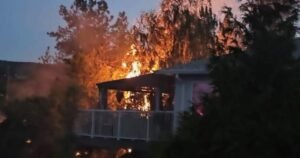
Not every incident in the Smokies stays local. A few have drawn national attention, highlighting just how quickly an ordinary trip can turn into something far more serious. In 2016, the Chimney Tops 2 fire began inside the park and, fueled by high winds, swept into the town of Gatlinburg. The flames destroyed more than 2,000 structures and claimed 14 lives, making it one of the deadliest wildfires in Tennessee’s history.
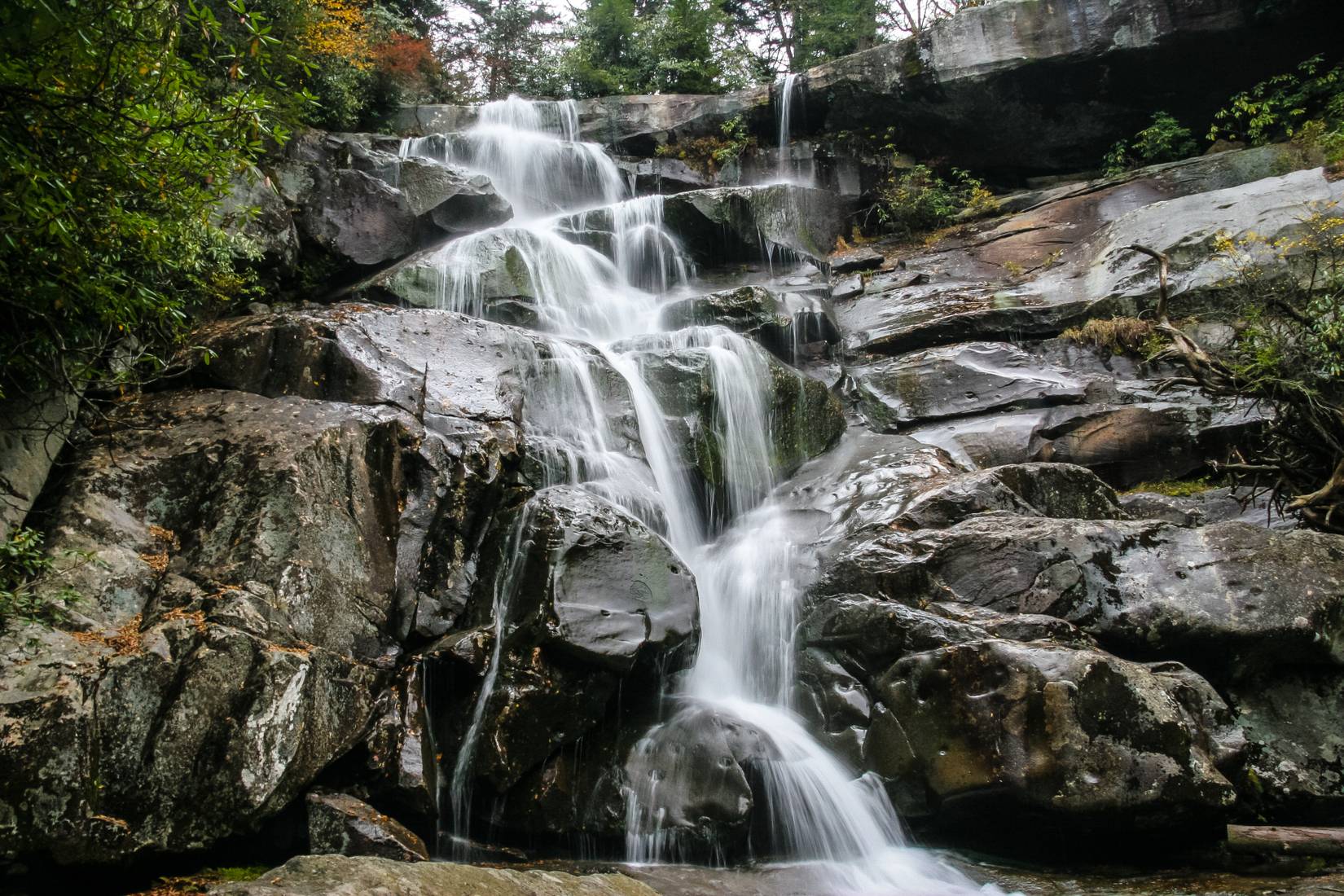
Waterfalls have also been the site of multiple high-profile accidents. The Ramsey Cascades Trail is known for its striking 100-foot waterfall, but the rocks near the top are notoriously slick. Most recently, in 2017, a 37-year-old man fell about 80 feet to his death from the top of the waterfall, according to a news report by WCNC Charlotte.
In 2018, a Georgia man was killed in a four-vehicle collision along Newfound Gap Road, one of the most traveled scenic routes in the Smokies. Collisions here often make regional and national news, highlighting just how hazardous not following the rules of the road can be.
@randall_nick30 Let’s go for a relaxing drive on Newfound Gap road 🛻⛰️#fyp #foryoupage #outdoors #hike #explore #trail #travel #backpacking #adventure #camping #overlanding #tennessee #greatsmokymountains #hiker #hiking #nationalpark #explorepage #tourist #appalachiantrail #backpack #tacoma4x4 ♬ Wash. – Bon Iver
And while deadly wildlife encounters are rare, when they do happen, they usually make national headlines. For example, in 2020, backpackers found the remains of a 43-year-old male park visitor in the Hazel Creek area. According to multiple news outlets, the man was most likely killed by a 240-pound black bear while camping. Not long after the man was discovered, law enforcement rangers euthanized the bear after observing it scavenging on the remains.
Officials Are Urging Visitors To Follow Life-Saving Park Rules
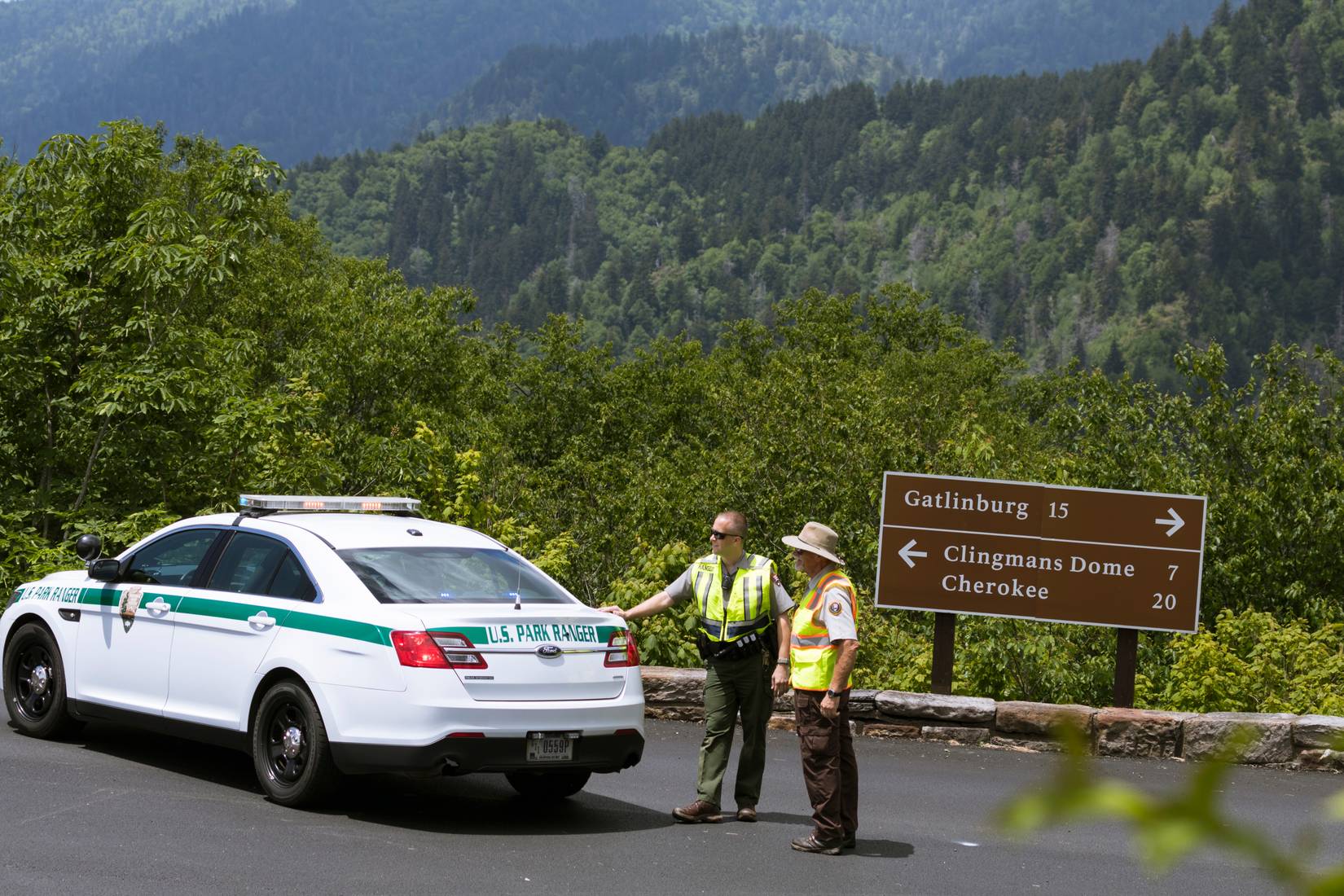
Fatal injuries, unfortunately, occur every year in Great Smoky Mountains National Park, but following safety guidelines can go a long way toward preventing accidents. The NPS provides recommendations to help visitors stay safe while enjoying the park’s trails, rivers, and scenic roads.
In terms of water safety, the NPS urges visitors to avoid climbing on rocks near waterfalls due to slick surfaces. Diving into streams or pools is also strongly discouraged, since the depth is often hard to determine. Additionally, visitors should avoid crossing swollen streams after heavy rain. If you get caught in fast-moving water, don’t try to stand up—this increases the chance of a foot entrapment. Instead, float on your back with your feet pointed downstream and toes above the surface until you can safely exit.
When it comes to driving in the Smokies, the region’s narrow, winding mountain roads require extra caution. Drivers are advised to stay alert, slow down on blind curves, and never drive impaired. In fact, in August, park officials are cracking down on speeding to help reduce the number of car accidents.
Additional safety tips include:
- Carry enough food, water, sturdy footwear, and rain gear for every hike
- Never feed bears or leave food where wildlife can reach it.
- Check weather forecasts before heading out and watching for changing conditions.
- Stay alert for yellow-jacket activity and carrying medication if you’re allergic.
With over 160 visitor deaths from 2007 to 2025, it’s not surprising that Great Smoky Mountains National Park has so many rules and regulations. While it may sound exciting to explore nature without restrictions, it’s important to remember that following these rules isn’t about limiting adventure – it’s about ensuring you return home safely.
window.arrayOfEmbeds[“f9d8c2547fcb65ff”] = {‘facebook’ : ‘"n<div id="fb-root"></div>nn<div class="fb-post" data-href="https://www.facebook.com/fox6news/posts/pfbid0dVXtgWYuzJMDkzsPsoBn8EEPsn2sMBrvGXiBdNuRA9i37QerYF2tXVDQNmmrUFK9l" data-width="552"></div>n"’};
window.arrayOfEmbedScripts[“facebook”] = “"<script async="1" defer="1" crossorigin="anonymous" src="https://connect.facebook.net/en_US/sdk.js#xfbml=1&version=v25.0"></script>"”;