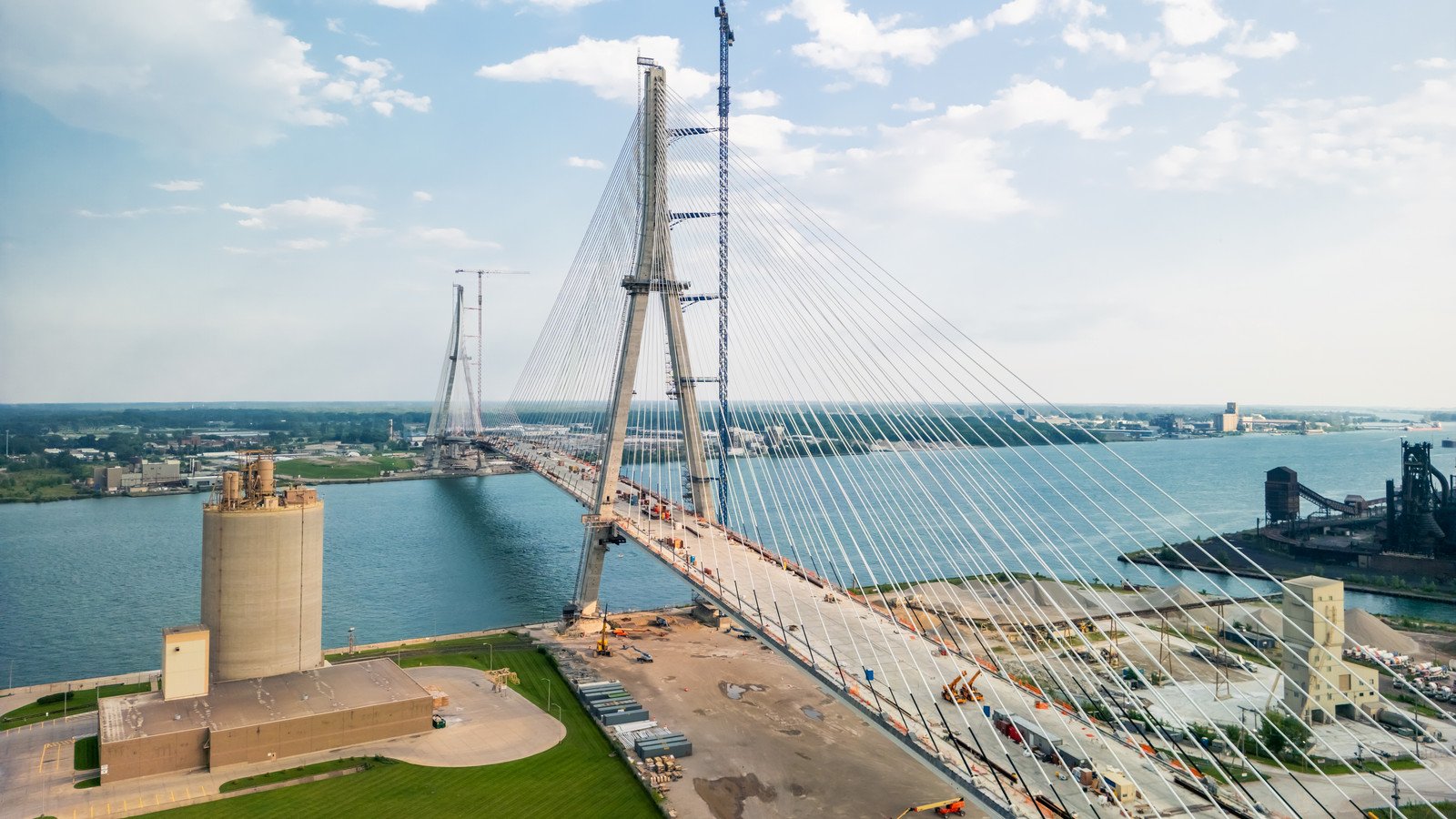
For more than a year, Canadians have been making their frustration with the United States government visible at the border.
Trips south plunged in 2025 after President Donald Trump’s tariffs and repeated comments about Canada becoming the “51st state.”
Although cross-border travel has recently shown a small rebound, Canadians are still visiting the U.S. at dramatically lower levels than before the dispute began. Now, a bridge built specifically to bring the two countries closer has become the latest symbol of how strained that relationship has become.
Canada inaugurated the roughly $4.5 billion Gordie Howe International Bridge on Friday, July 24, but American officials who had been expected to celebrate alongside their Canadian counterparts were no longer invited. The decision came just days after Trump announced a new round of 50% tariffs on selected Canadian goods, serving as yet another reason for Canada’s continued U.S. travel boycott.
Canada Disinvited U.S. Officials From Its $4.5 Billion Bridge Ceremony
The Gordie Howe International Bridge stretches 1.5 miles across the Detroit River, creating a new direct connection between Windsor, Ontario, and Detroit, Michigan.
Its opening should have been an obvious moment for Canada and the U.S. to celebrate together. Instead, Friday’s ceremony became a Canadian-only affair, The New York Times reported.
A joint ribbon-cutting had originally been planned near the international boundary in the center of the bridge. Following Trump’s latest tariff announcement, Canada withdrew the invitations extended to U.S. representatives and moved the event onto the Canadian side, at the border inspection plaza.
“In light of trade action threatened by the United States earlier this week, it would be inappropriate to proceed with a celebratory event between the two countries,” a spokesperson for Canadian Infrastructure Minister Gregor Robertson said.
Reuters reported that the ceremony went ahead with Canadian officials, members of the Howe family and other guests. There was even a road hockey game honoring Gordie Howe, the Canadian hockey legend who spent much of his career playing for the Detroit Red Wings.
Windsor Mayor Drew Dilkens summed up the mood more bluntly.
“It’s regretful that this is what it’s come to,” Dilkens told The New York Times, adding that the scaled-back event reflected the current state of the relationship between the two countries.
And this wasn’t the first opening ceremony to fall apart. A ribbon cutting scheduled for June 12 was suddenly postponed as Canada and the U.S. worked through what the Windsor-Detroit Bridge Authority called “outstanding issues.” Prime Minister Mark Carney later said the delay had been made at the request of the U.S., according to CBC News.
All of the drama initially started with Trump’s threats to delay the bridge’s opening unless the U.S. was “compensated” to his liking.
“I will not allow this bridge to open until the United States is fully compensated for everything we have given them, and also, importantly, Canada treats the United States with the Fairness and Respect that we deserve,” Trump said.
However, there has been uproar over this back-and-forth, considering Canada alone paid for the bridge and planned to use its traffic revenue to offset construction costs. TheTravel has reached out to both the Canadian Border Services Agency and Mayor Dilkens for comment.
Trump Responded To Canada’s Snub In The Middle Of The Ceremony
During the ceremony, Trump posted on social media that Canada had “disinvited the United States of America,” adding that it was “fine, considering they are paying substantial TARIFFS to the United States.”
He then revived another dispute surrounding the bridge. Trump claimed the original agreement governing the crossing “no longer stands” and said his administration had changed the deal so the U.S. receives 50% of the bridge’s profits.
The agreement published by the Gordie Howe International Bridge tells a more complicated story.
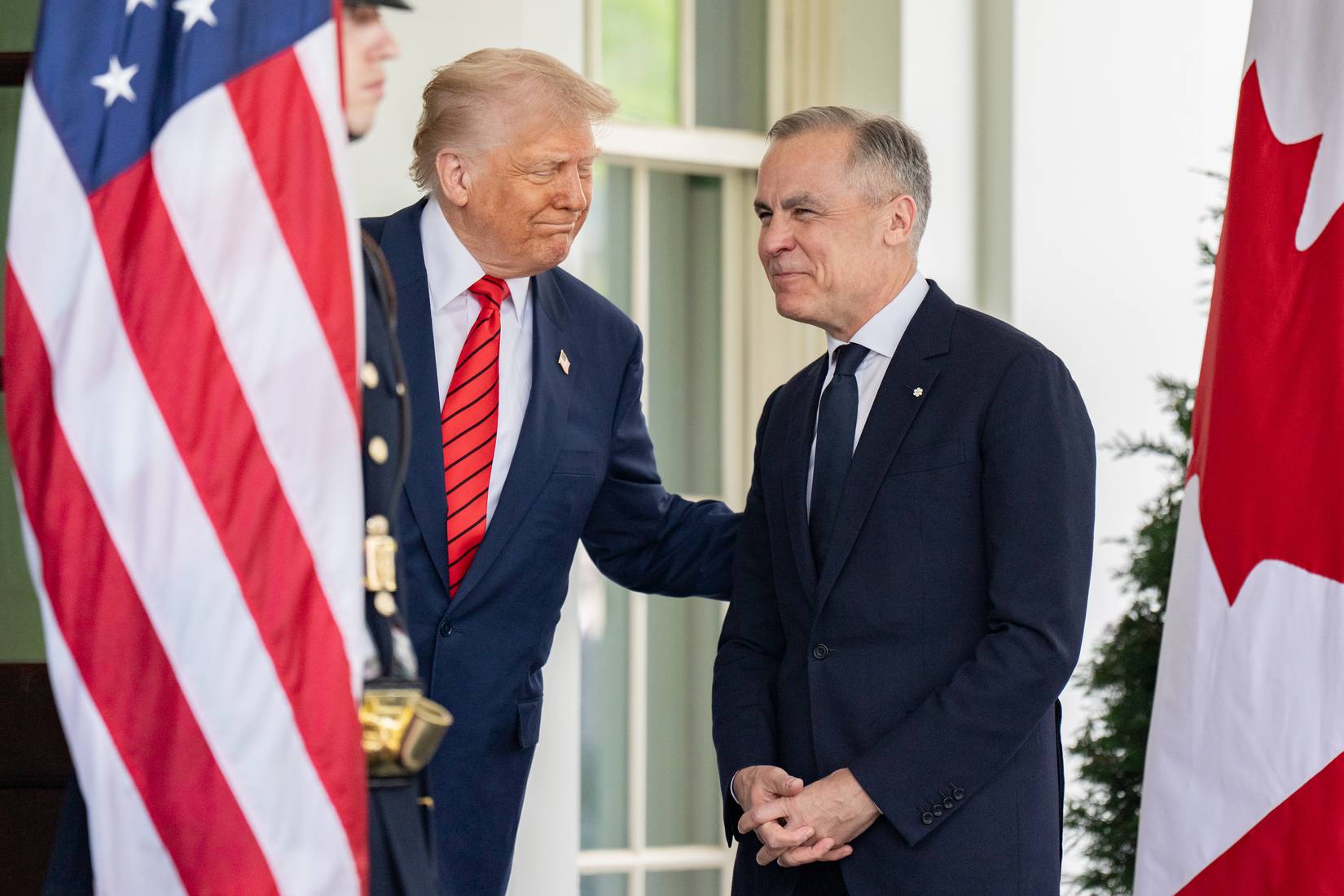
Under the new agreement in principle, Canada will make annual payments equal to 50% of net bridge and crossing-related revenue into a U.S.-controlled economic development fund for the first 15 years of operation. However, the same document explicitly says nothing in the new arrangement should be interpreted as amending or superseding the original 2012 Canada-Michigan Crossing Agreement.
Canada financed the entire C$6.4 billion project. The bridge is jointly owned by Canada and Michigan, and the original financial structure called for Canada to recoup its investment through toll revenues. That dispute has now become wrapped into a much larger trade fight.
On July 20, Trump announced additional 50% tariffs on selected Canadian products, including goods ranging from wine to hockey sticks and cement. The measures are expected to take effect after a 30-day period. Canadian Prime Minister Mark Carney described the move as the latest in a series of U.S. trade actions against Canada.
“If these tariffs proceed, Canada should respond tariff for tariff, dollar for dollar,” Ontario Premier Doug Ford posted on social media.
Canada’s U.S. Travel Boycott Has Already Cost Billions
Canadians have already shown they’re willing to make their feelings known by spending their vacation money somewhere else.
The travel pullback kicked off in early 2025 as Trump’s tariff threats and repeated suggestions that Canada should become America’s 51st state angered Canadians. Travel agencies reported cancellations, airlines adjusted capacity, and some Canadian politicians encouraged residents to vacation at home instead.
Before that, Canada was America’s largest source of international visitors.
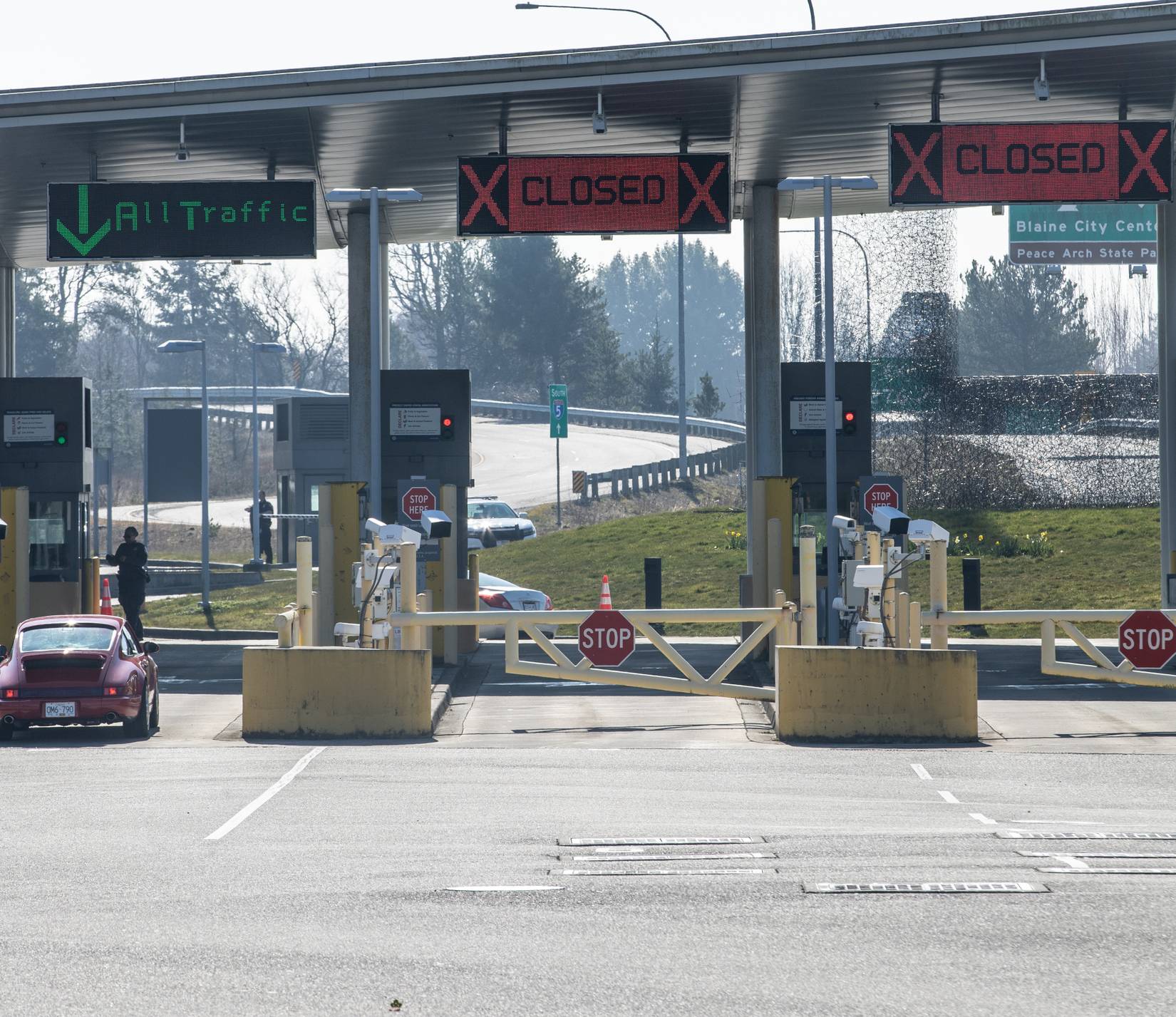
More than 20 million Canadians visited the U.S. in 2024, spending approximately $20.5 billion, according to the U.S. Travel Association. At the beginning of the boycott, the association warned that even a 10% decline could eliminate $2.1 billion in visitor spending.
The eventual decline was much worse.
Canadian visitation fell approximately 22% in 2025. Adjusting the figure based on the initial $20.5 billion estimate means the U.S. saw an economic hit of roughly $4.5 billion instead.
There has been some improvement in 2026, but the boycott hasn’t disappeared. Statistics Canada recorded 1.7 million Canadian-resident return trips from the U.S. by vehicle and air in June 2026, a 3.2% increase from June 2025. It was the third month in a row with a year-over-year increase.
However, Canadian return trips from the U.S. in June 2026 were still 28.7% lower than in June 2024, before the “Elbows Up” travel backlash ramped up. Vehicle crossings were still down 29.6% over that two-year period, while air travel was down 25%.
|
Canadian Travel To The U.S. |
Percentage Change |
|---|---|
|
June 2026 vs. June 2025 |
+3.2% |
|
June 2026 vs. June 2024 |
-28.7% |
|
Vehicle trips, June 2026 vs. 2024 |
-29.6% |
|
Air trips, June 2026 vs. 2024 |
-25.0% |
So while the steepest part of the decline may have stabilized, Canadian travel to the U.S. is far from back to normal.
The Gordie Howe dispute, followed almost immediately by another round of tariffs, gives Canadians who stopped visiting the U.S. over the political relationship little reason to believe that the tensions which initially triggered the boycott have been resolved.
Ironically, The Bridge Is Meant To Make U.S.-Canada Travel Easier
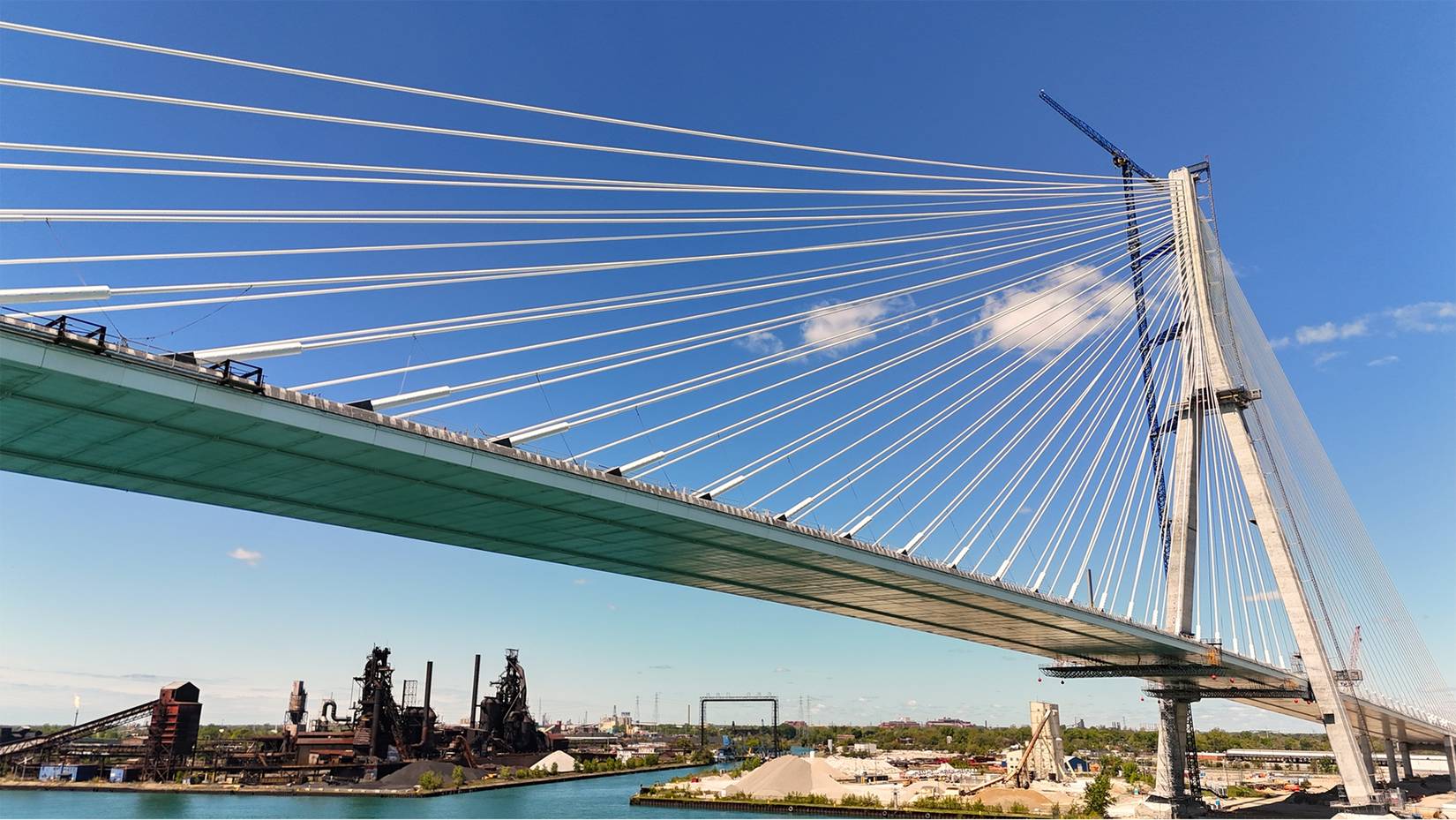
Despite all the drama surrounding its opening, the Gordie Howe International Bridge itself is intended to make crossing the border easier.
Cars and commercial vehicles will begin using the bridge on Monday, July 27, at noon, according to the Windsor-Detroit Bridge Authority. The bridge creates a direct highway-to-highway connection between Ontario’s Highway 401 and Interstate 75 in Michigan.
The Windsor-Detroit corridor is Canada’s most important trucking gateway, carrying approximately 30% of Canada-U.S. trade by truck and more than $274 million in goods each day, according to the Canada Border Services Agency. For travelers, it also offers another option alongside the Ambassador Bridge and Windsor-Detroit Tunnel.
The bridge authority says the crossing will operate around the clock and accept passenger cars, trucks and motorcycles. A free multi-use path for pedestrians and cyclists is also scheduled to open August 5.
After years of construction, the new bridge is finally ready to remove one obstacle between Canada and the U.S. But convincing Canadians that they actually want to use it to cross the border may end up being the bigger battle ahead.