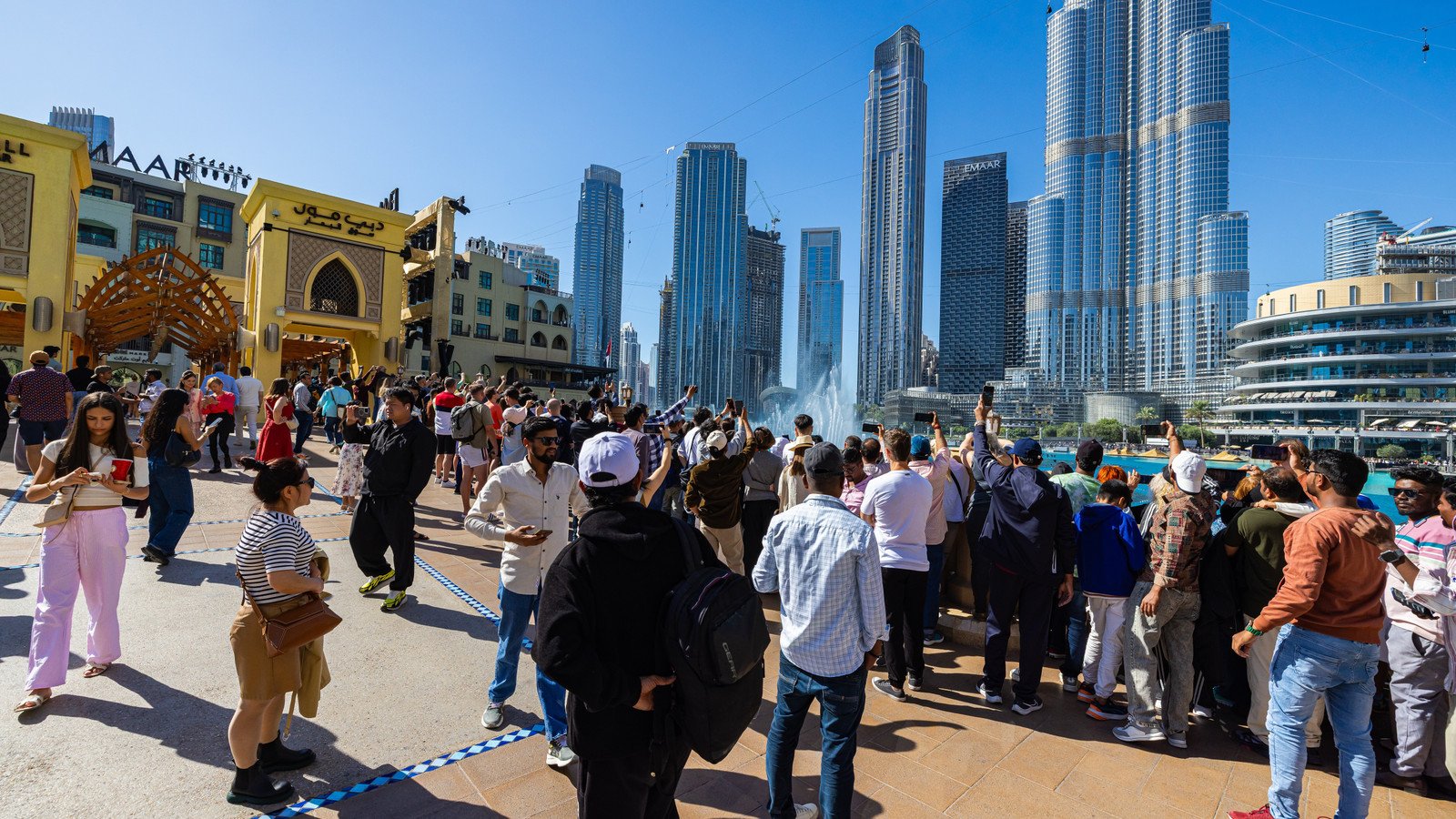
The U.S. Department of State renews its travel warnings for Americans in the Middle East, as well as those who have plans to travel to the region, to reconsider their trips amid the heightened tensions between the U.S.–Israel war with Iran. This comes after the State Department issued a worldwide caution for Americans last week, as the war enters its fifth month.
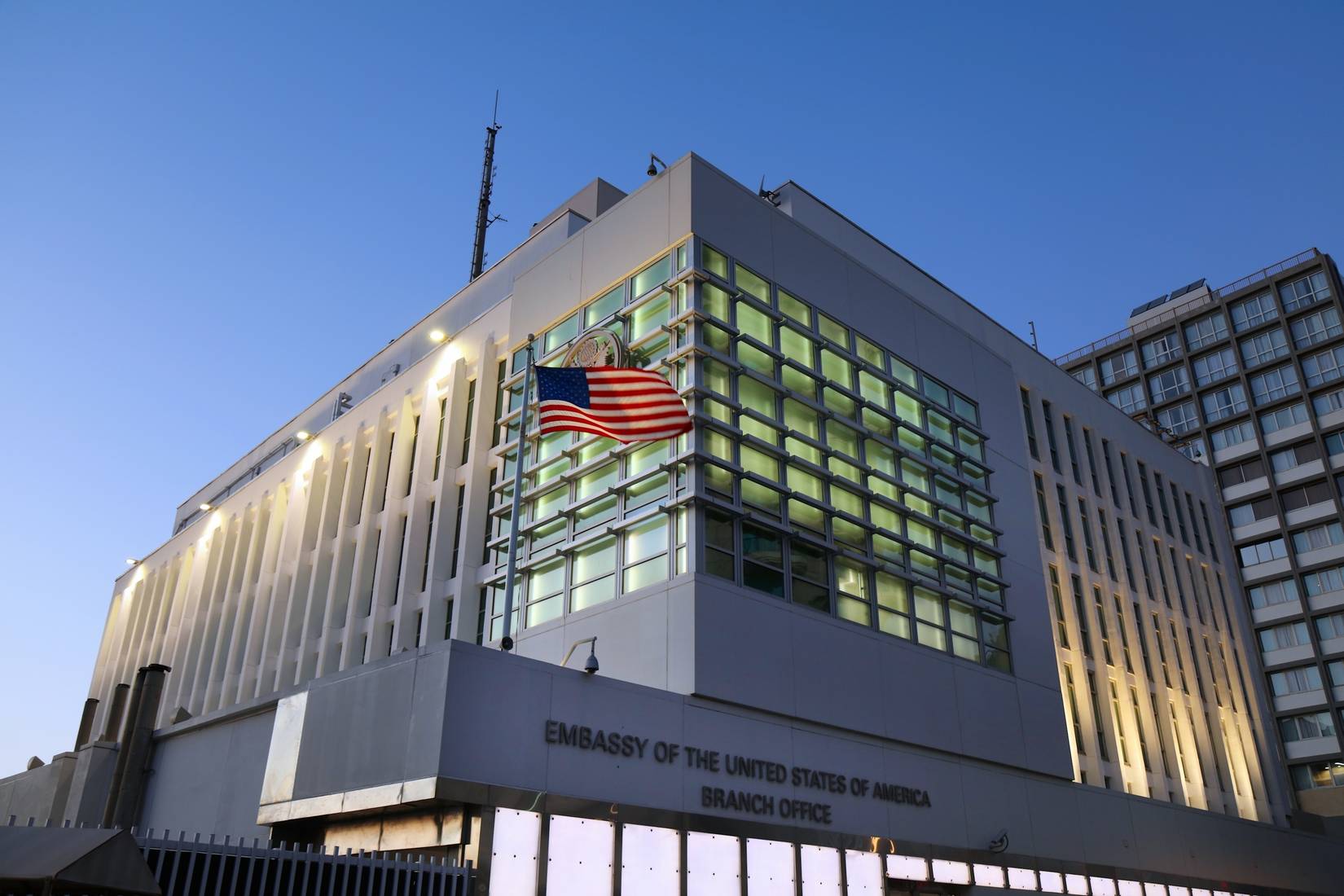
On Instagram, the State Department urges Americans to “exercise caution and heightened vigilance,” and expect flight disruptions, as tensions in the Middle East continue to simmer. The U.S. embassy in Jerusalem also issued the same travel alert, warning Americans of the possibility of U.S.-associated entities in the region and even those outside the Middle East to be Iran’s next target.
U.S. Government Warns Americans Of Flight And Travel Disruptions In And Outside The Middle East
Concerns over regional instability in the Middle East remain elevated following the exchange of attacks between the U.S. and Iran, particularly last week’s Iranian strike that killed two service members in Jordan and another in northern Iraq during a “controlled detonation of unexploded ordnance” from a downed Iranian drone.
The State Department’s updated travel advisory warns American “flight cancellations, periodic airspace closures, and potential travel disruptions,” and urges those who are in the Middle East to be more aware of their surroundings, as the security situation in the region evolves.
“Some airlines in the region have postponed resumption of earlier flight schedules; others have canceled some routes. Americans should follow the latest guidance from the nearest U.S. embassy or consulate and can contact the U.S. Department of State to receive information or assistance,” reads the State Department’s travel warning.
The U.S. embassy in Jerusalem also said that the “security environment remains complex with the potential for unforeseen escalation,” urging all Americans outside the Middle East to “reconsider travel to and through the region,” and “monitor information about airport and airline operations.”
“U.S. diplomatic facilities, including outside the Middle East, have been targeted. Iran and groups supportive of Iran may target other U.S. interests overseas or at locations associated with the United States and Americans throughout the world, including U.S. businesses and other institutions,” reads the U.S. Embassy in Jerusalem’s travel alert.
These warnings followed the collapse of a signed interim ceasefire agreement, while both countries fight for control of the Strait of Hormuz. Days after the war started on February 28, the U.S. also advised Americans to reconsider traveling to Cyprus due to tensions with Iran.
Transportation schedules could change with little notice, as tensions in the Middle East continue to escalate. The U.S. Virtual Embassy Iran also warns that border-crossing procedures at Iran’s land borders might change, and “travelers should be aware that entry requirements for the country you are entering may also shift quickly.”
The U.S. government also asked Americans in Iran to leave as soon as possible, and “know the location of the nearest shelter in the event of hostilities.”
Flight disruptions due to the escalating unrest in the Middle East are not new. Following the U.S. and Israel’s coordinated attacks on Iran in February, major airlines immediately canceled all flights across the region.
The U.S.-Israel-Iran War’s Impact On Travel In And Out Of The United States
Periodic airspace closures across many parts of the Middle East, heightened security concerns, and schedule changes have significantly impacted international travelers, including Americans, especially those flying between the U.S. and destinations in the region.

While domestic travel in the United States remains largely unaffected, sudden changes to airline operations, as well as flight cancellations and delays in the Middle East, Americans are advised to closely monitor airline updates and official travel advisories before and during their trip.
World Leaders In The Middle East Attempt To De-Escalate Tensions Between The U.S. And Iran
Following the recent strikes between the U.S. and Iran, officials in the Middle East said that they discussed “joint coordination to de-escalate tensions and enhance security and stability in the region.”
In a post on X (formerly Twitter), the Foreign Affairs Ministries of Qatar and Egypt said that regional stability and de-escalation of tensions were the focus of their talks.
The ministers “stressed the need for all parties to commit to dialogue and diplomacy,” and to “implement what was agreed upon within the framework of the Memorandum of Understanding between the United States of America and the Islamic Republic of Iran.”
This includes ensuring “freedom of navigation in the Strait of Hormuz,” to maintain regional security, preserve the gains achieved, and enhance regional stability.
What The U.S. Department Of State’s Worldwide Travel Advisory Means For American Travelers
The current situation in the Middle East, as the conflict between the United States and Iran continues to worsen, warrants increased caution. It does not forbid Americans from traveling overseas, particularly to the Middle East, but it is a reminder that, given heightened tensions in the region, U.S. citizens should expect flight disruptions.
The alert also reflects concerns that escalating tensions in the region could lead to security threats affecting Americans in multiple countries — not just those directly involved in the conflict.
Actions To Take When Traveling Across The Middle East
International travel remains largely possible for U.S. citizens, but may require greater flexibility and awareness as geopolitical tensions continue to be high-risk.
|
Stay updated with official government sources. |
|
Know the location of your closest shelter or protected space. |
|
Avoid demonstrations or large gatherings in high-risk areas. |
|
Contact your airline directly for flight change details if your flight is affected. |
|
Secure important documents and make sure they are accessible. |
|
Expect and prepare for travel disruptions. |
|
Know the location of the nearest U.S. embassy in the area. |
|
Enroll in the Smart Traveler Enrollment Program (STEP). |
|
Follow local news, evacuation, and departure guidance. |
|
Review travel insurance coverage. |
|
Keep a low profile. |
The conflict has demonstrated that security conditions can change rapidly. Travelers are encouraged to check the U.S. Department of State’s Middle East travel advisories page regularly for updates specific to their destination.