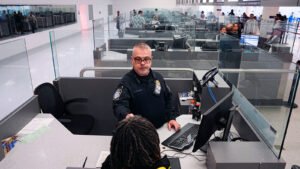
After the U.S. Department of State confirmed a $15,000 visa bond for tourists from 50 countries, the agency is now making this pilot program permanent and is also raising the fee to $20,000. The bond should be posted by travelers who apply for a B1/B2 visa from the affected 50 countries.
The Associated Press reports that a draft notice posted on Friday, July 31, in the Federal Register, showed that there is “sufficient data” after almost a year-long review, suggesting that the bond program is effective in compliance with visa conditions, reducing applications from the countries subjected to the fee by 45,000.
U.S. Visa Bond Increases To $20,000 And Is Set To Be Permanent For 50 Affected Countries
Twelve more countries were added to the list in April, closing it to 50, which are mostly in Africa, and travelers from these affected nations applying for business and tourist visas, also known as B1 and B2 visas, will now be required to post a bond of up to $20,000. This is also slated to be permanent, and there may be more countries to be added to the list.
The permanent bond policy, however, will remove the $5,000 low-end payment, which was initially the amount set ($5,000 to $10,000, with a maximum bond amount at $15,000), depending on a consular officer’s judgment.
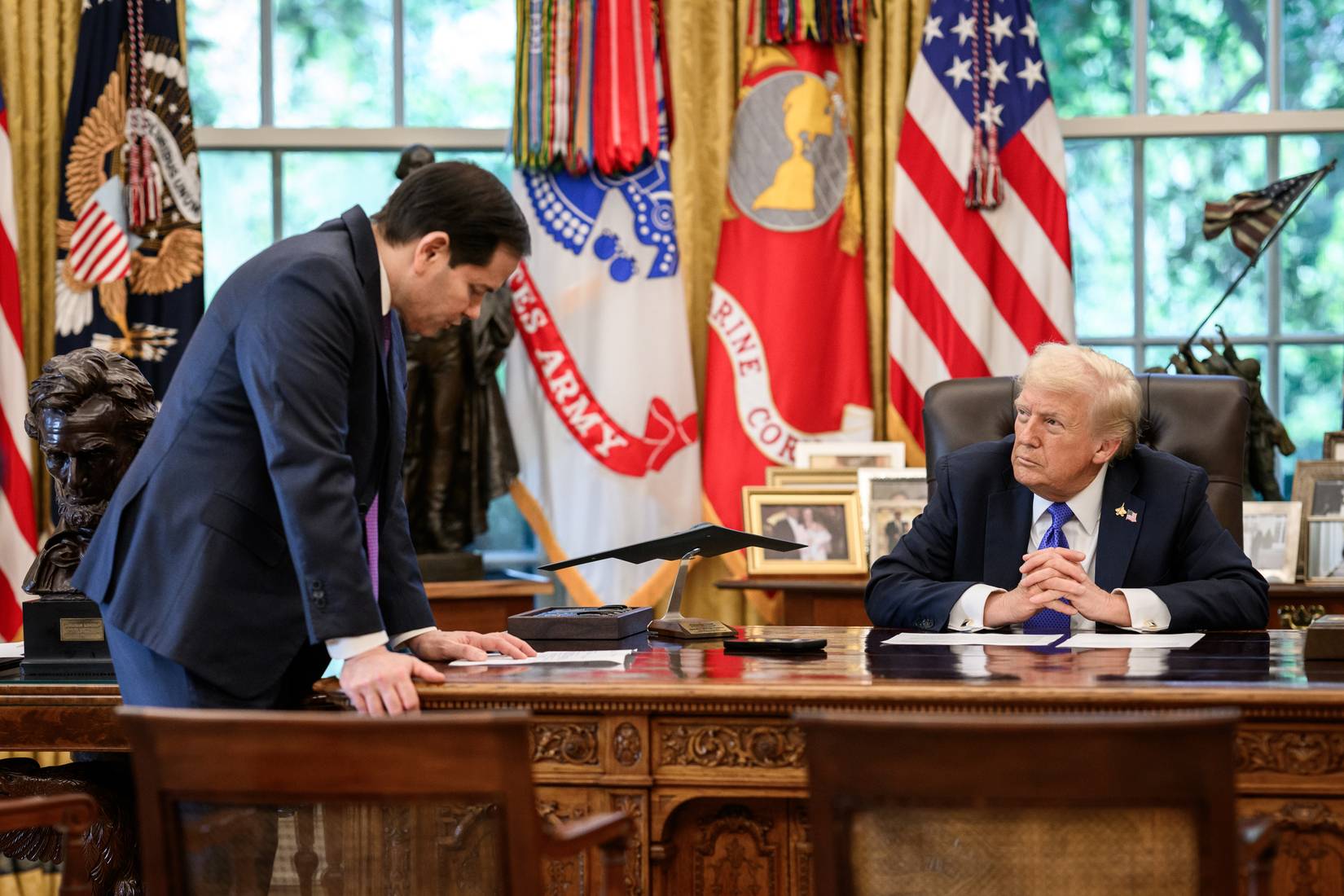
According to the Associated Press, the visa bond program becomes permanent on Monday, August 3, with the notice to be formally released on the same day. The visa bond fee is refunded when the application is denied or when the traveler follows the conditions when approved and leaves the U.S. on time.
“The department expects that this final rule will contribute to the continued reduction of demand for B1/B2 visa applications from nationals of countries subject to the program,” the State Department’s notice reads.
During the FIFA World Cup, however, the program was temporarily suspended for international travelers, giving fans easier travel procedures when entering the U.S. for the world’s biggest sporting event.
Reduced Overstays Seen As A Success For The U.S. Visa Bond Program
The State Department sees the visa bond program as a successful effort to curb overstays in the U.S., especially from 50 countries subject to the fee.
According to the notice, there were around 45,500 travelers from these affected nations who overstayed their visas in 2024, but following the bond program, the figure went down to less than 50. This prompted the State Department to increase the bond up to $20,000 and make it permanent, seeing the program as a great success.
The department also said that the number of business and tourist visas issued to travelers from the 50 affected countries dropped by 83% in the first year of the visa bond program.
This occurred after almost half of the 20,000 applicants (ten times more than what the State Department expected) did not pay the bond, or decided not to continue with their application.
U.S. Overstay Rate Summary As Of Fiscal Year 2024
As of 2024, the U.S. government recorded a total of 283,121 overstays from travelers on B1/B2 status, who were admitted to the United States through air and seaport of entry, excluding Canada and Mexico. These visitors were under the Non-Visa Waiver Program.
|
Admission Type: |
Non-Visa Waiver Program Countries (Business or Pleasure Visitors (excluding Canada and Mexico) |
|
Expected Departures: |
12,131,255 |
|
Out of Country Overstays: |
13,739 |
|
Suspected In-Country Overstays: |
269,382 |
|
Total Overstays: |
283,121 |
|
Total Overstay Rate: |
2.33% |
|
Suspected In-Country Overstay Rate: |
2.22% |
U.S. visa overstays account for a significant portion of undocumented residents (travelers), which has also resulted in immigration enforcement agencies increasing tracking and targeted apprehensions to curb internal movement of overstayers.
What This Permanent Visa Bond Program Means For Travelers From Affected 50 Countries
The Department of State’s visa bond may be permanent for travelers from 50 countries covered by the program, and represents a significant change to the U.S. visitor visa process, but it is refundable, so long as they adhere to visa terms and do not overstay in the United States.
However, the $20,000 bond, which is higher than the initial amount set, may discourage more legal and documented travelers who want to visit the U.S. for leisure or business.
Critics of the bond program argue that it only makes U.S. international tourism struggle even more, as travel boycotts continue, even after the White House praised Trump’s tourism efforts, which drew a sour response from international travelers.
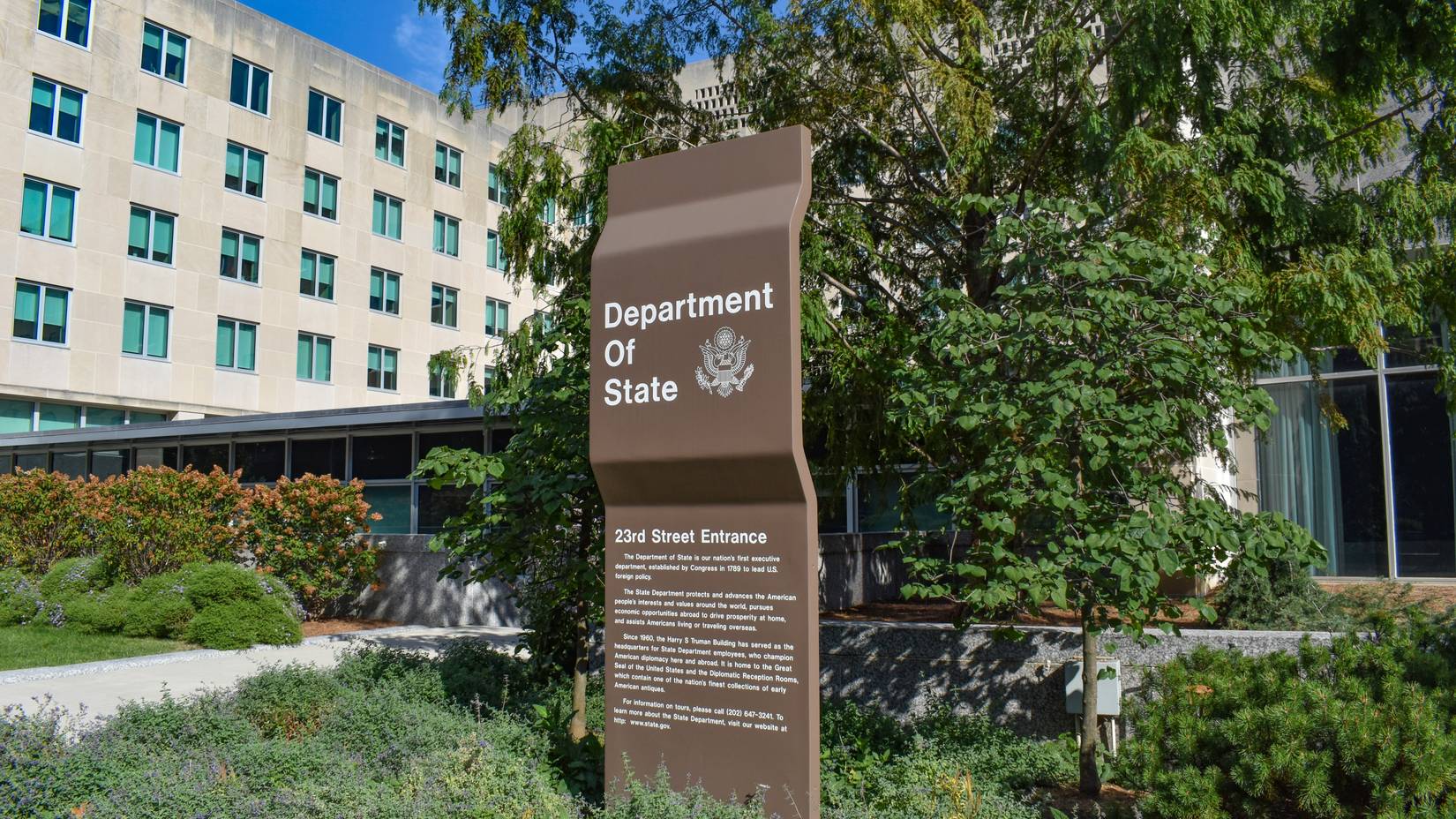
Travelers from these 50 countries should check the visa processes before proceeding with their application, especially since the bond will be permanent. They should also expect heightened scrutiny at ports of entry, as Trump’s immigration crackdown remains intact.
The U.S. Department of State’s decision to make the visa bond program permanent signals the country’s strengthened program against illegal immigrants.
However, while the department sees the reduction in visa applications from these 50 countries as evidence of the program’s success, the higher cost of the bond may also discourage prospective travelers who are visiting the U.S. mainly for tourism or business, and have no plans to overstay their visas.