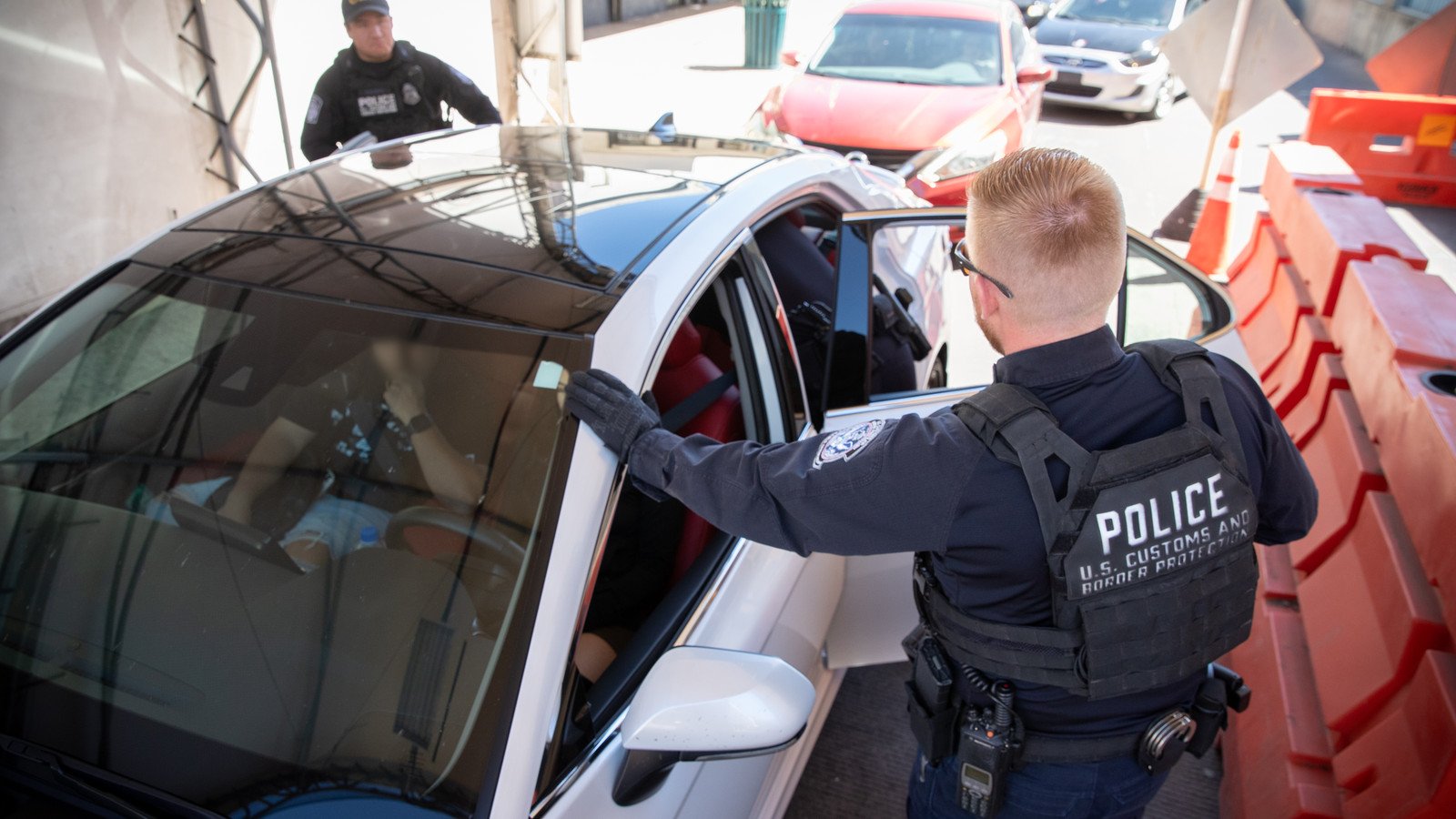
An American traveler’s cross-border trip took a dramatic turn when the U.S. Customs and Border Protection (CBP) officers discovered that the man had an outstanding felony warrant. Biometric checks uncovered information about the traveler’s crime that prompted an immediate law enforcement response.
According to CBP’s news release, the traveler was pulled into secondary inspection, where biometric verification revealed he had a warrant issued by the Val Verde County Sheriff’s Office in Del Rio, Texas.
CBP Arrests American Traveler At Del Rio Border Over Serious Felony Charge
It would have been a routine border crossing for Juan Manuel Gomez, 58, a U.S. citizen, at the Del Rio International Bridge on July 15. He was flagged for secondary inspection, where the CBP officers learned through biometric data that Gomez had a warrant for aggravated sexual assault of a child.
He was arrested, and the Del Rio Police Department transported him to the Val Verde Correctional Facility. The biometric verification was done through the Federal Bureau of Investigation’s (FBI) National Crime Information Center (NCIC), a centralized automated database of criminal justice information, available to Federal, state, and local law enforcement and other criminal justice agencies.
Port Director Liliana Flores of the Del Rio Port of Entry said in a statement that the “arrest highlights the critical role CBP plays in protecting the most vulnerable among us.”
“The apprehension of individuals wanted for heinous crimes, such as the sexual assault of a child, underscores our dedication to public safety and our collaborative efforts with law enforcement partners to protect our communities,” Flores said.
The arrest highlights the critical role of border technology in identifying individuals wanted for serious crimes. Through the NCIC, the U.S. Customs and Border Protection officers have arrested travelers before with outstanding warrants for a wide range of offenses.
American Traveler’s Arrest Was Not The First At The Border
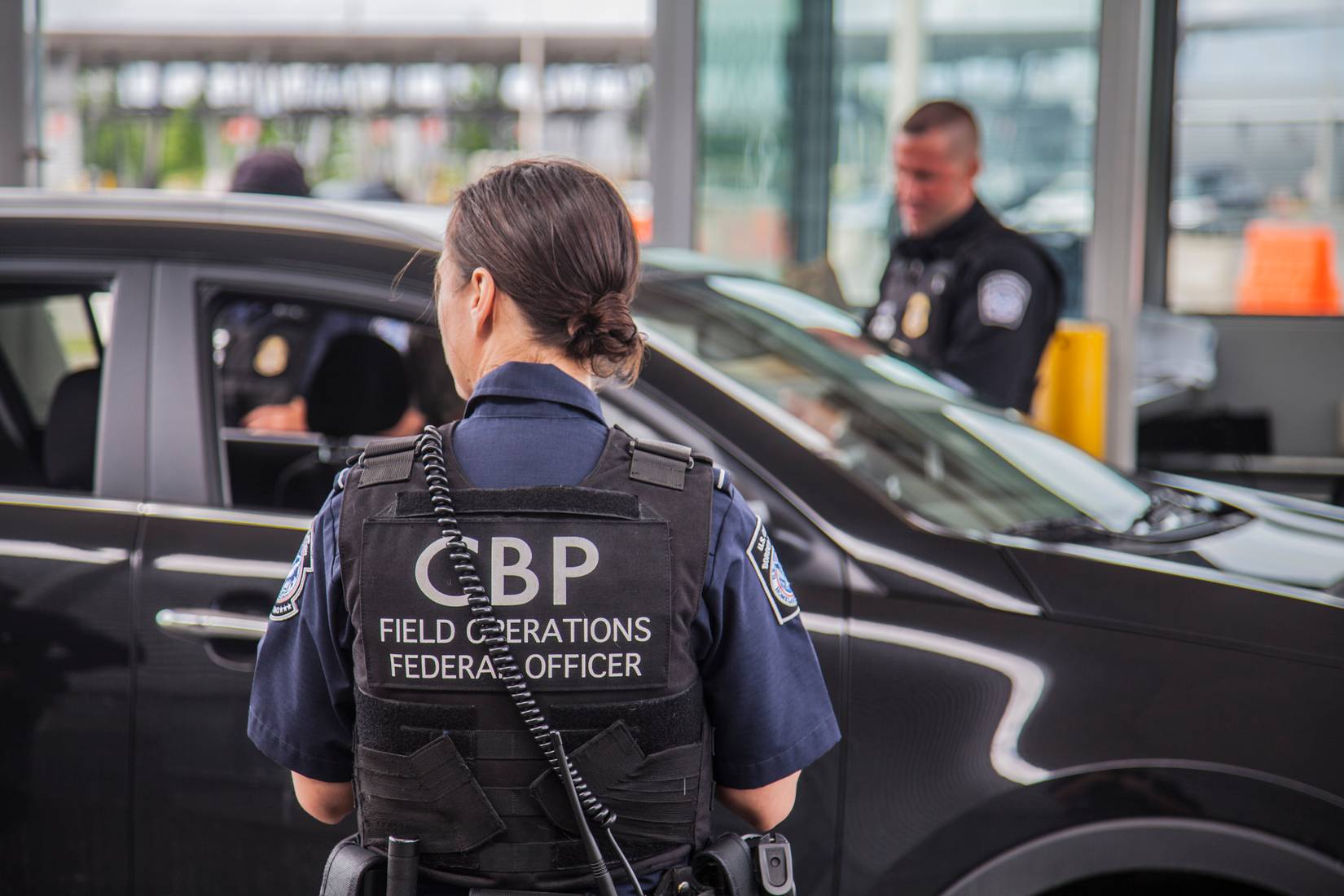
Border checkpoints at ports of entry continue to serve as a critical line of defense in identifying fugitives sought by local, state, and federal law enforcement agencies. Juarez’s arrest was one of the many made during CBP’s routine border inspection.
While it was a high-stakes arrest due to the serious felony charge, it wasn’t an isolated incident. CBP officers have apprehended wanted individuals at ports of entry through routine inspections and biometric screening technology.
In May, CBP officers arrested a Honduran undocumented immigrant who tried to flee the U.S. aboard a flight to Honduras. The man had the same felony child sex offense charges as Juarez, but the CBP officers nabbed him at New York’s John F. Kennedy International Airport.
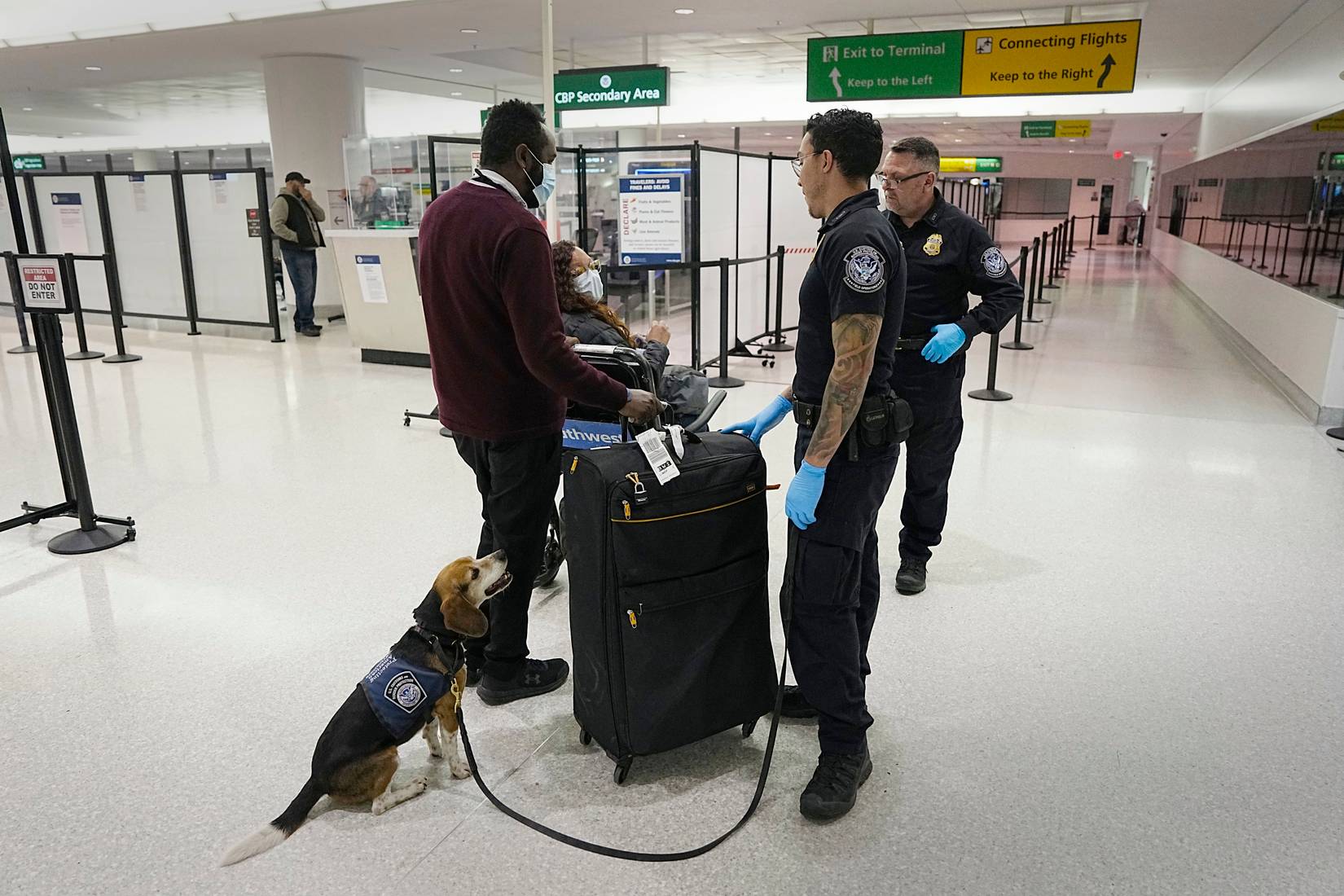
Not only are travelers wanted for felony charges being nabbed at ports of entry, but also those who illegally possess contraband and those who fail to declare monetary funds. This happened to an American-Peruvian traveler bound for Cancun, Mexico, in April, when CBP confiscated his undeclared currency of $44,000 at Philadelphia International Airport.
Another traveler bound for Kingston, Jamaica, in July also failed to declare $53,000 in cash, which was seized by CBP officers. While it is not illegal to carry huge amounts of monetary funds, U.S. law requires travelers to declare any amount that exceeds $10,000 with the U.S. Department of the Treasury.
Narcotics also don’t go unnoticed at the border. In May, CBP officers arrested another American traveler with 14 packages of ketamine and cocaine with a street value of $455,000 at the Laredo Port of Entry in Texas during a secondary inspection.
Officials have warned travelers that border officers’ ongoing commitment to protecting the American communities from dangerous drugs and illicit activities goes beyond intercepting contraband, as routine inspections and biometric screenings also help identify travelers with outstanding criminal warrants.
CBP Statistics: Travelers Nabbed At United States Ports Of Entry
Juarez’s arrest at the Del Rio International Bridge was just one of the many conducted by U.S. Customs and Border Protection officers. CBP is widely recognized for intercepting illegal drugs, weapons, and other contraband, but it also plays a critical line of defense in intercepting fugitives in the U.S.
Hundreds of thousands of travelers have been arrested at ports of entry, and these are either trying to flee or enter the United States. The CBP Enforcement Statistics show that these travelers were either inadmissible, arrested with criminal convictions, or removed from the country.
Total CBP Enforcement Actions and Arrest Statistics
The data below reflect the Fiscal Year (FY) 2024 to 2026 (as of June)
|
Enforcement |
FY 2024 |
FY 2025 |
FY 2026 (June) |
|
Office of Field Operations (OFO) |
1,343,823 |
437,723 |
192,803 |
|
U.S. Border Patrol (USBP) |
1,577,319 |
254,183 |
87,853 |
|
Total Enforcement Encounters |
2,901,142 |
691,906 |
280,656 |
CBP said that its intensified scrutiny and heightened vigilance at all ports of entry show the agency’s commitment to protecting the American border from fugitives and other illegal activities.
What CBP’s Increased Scrutiny Means For U.S. Travelers
With CBP’s heightened screenings at ports of entry, travelers in the U.S. should expect more thorough inspections, especially when officers find discrepancies in documents and during routine questioning.
Biometric screenings have also been intensified at the border, as these are the fastest way of identifying high-stakes individuals with serious felony charges, which can result in immediate arrests.
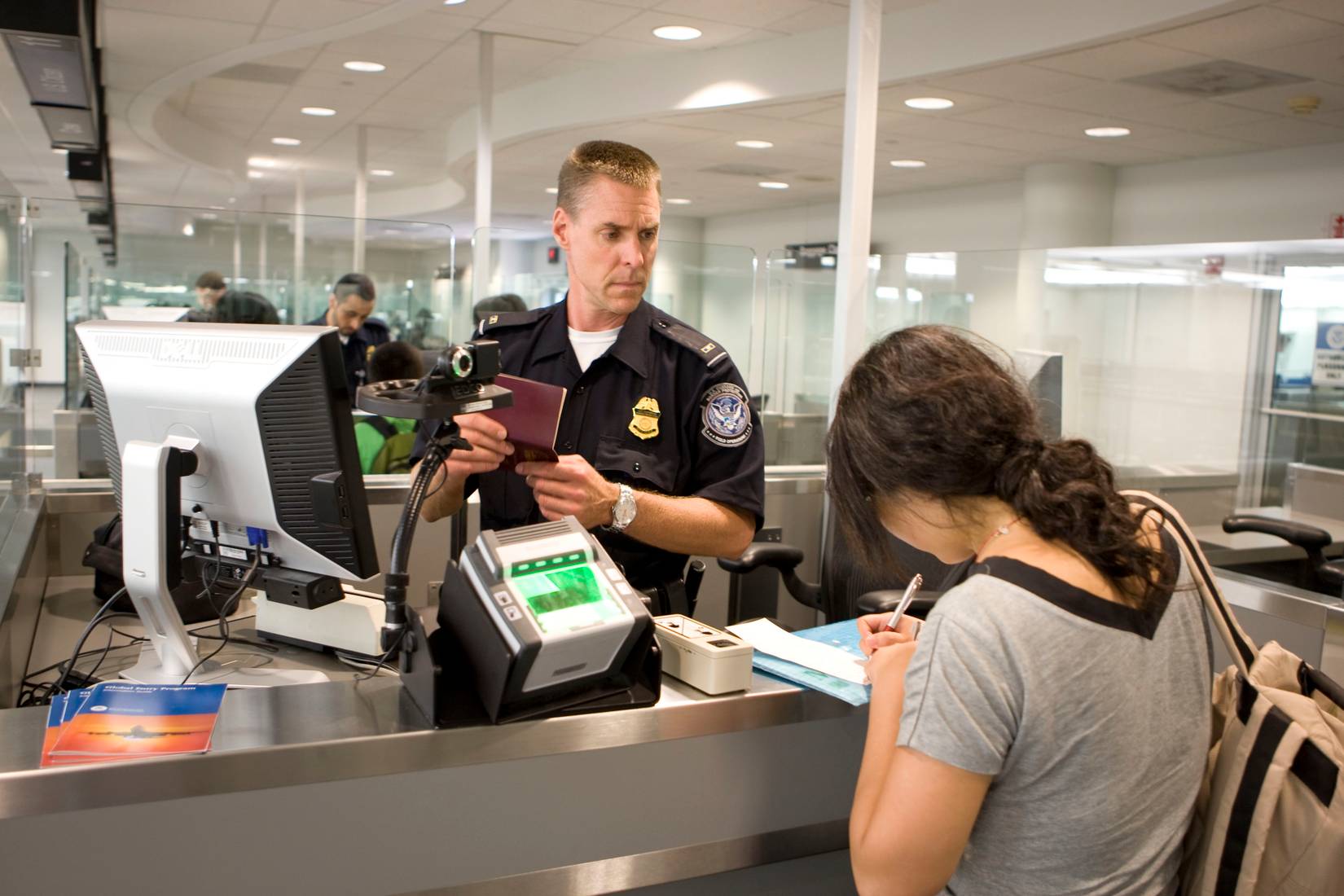
U.S. travelers must carry valid travel documents regardless of the duration of the trip to ensure accuracy and consistency at the border during routine inspections. Cooperation with CBP officers also plays a vital role in crossing the border with ease.
When biometric screening uncovers outstanding criminal warrants, any routine inspections at ports of entry can quickly escalate. As CBP continues to expand its use of technology, travelers should expect security checks to remain an important part of the border crossing process.