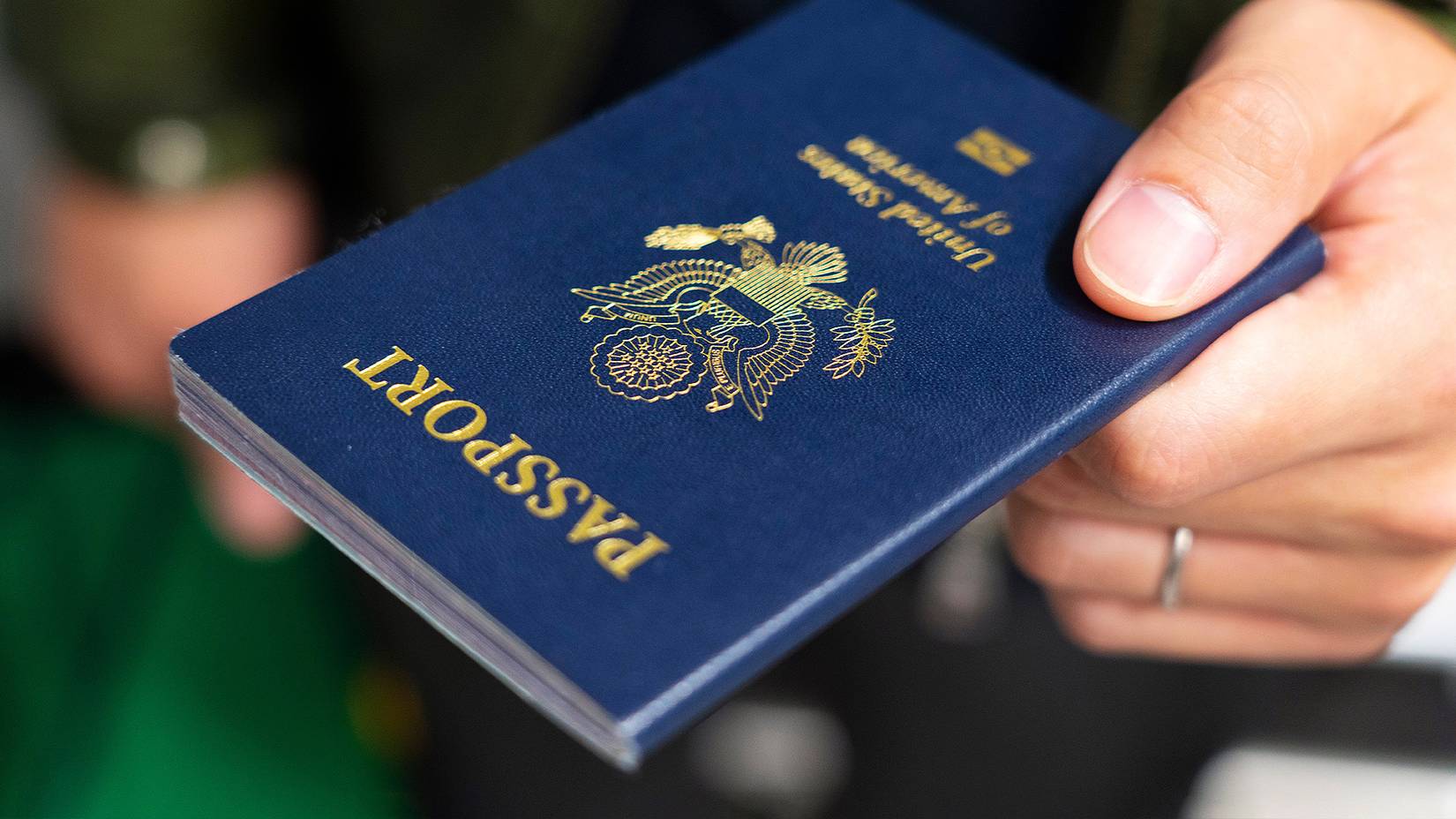
Despite losing to 36 countries on the world’s top passport index, the U.S. passport has ranked among the most valuable travel documents, giving Americans access to much of the globe with relatively few restrictions. However, in 2026, that same blue passport can attract unwanted attention in a handful of countries. Instead of speeding travelers through immigration, it can lead to targeted detention by hostile foreign governments or outright entry bans.
The U.S. Department of State now explicitly warns that American travelers face arbitrary arrest in countries like Iran, Russia, Venezuela, and Afghanistan under its “Wrongful Detention (D)” indicator. Meanwhile, a parallel wave of reciprocal entry bans across West African nations like Niger, Mali, and Burkina Faso has shut the door on U.S. citizens entirely.
Here’s why the U.S. passport has become a liability in these specific destinations, how state-sponsored detentions differ from diplomatic entry bans, and what to know before booking international travel in 2026.
How A U.S. Passport Can Increase Travel Risk In 2026
For years, the U.S. Department of State has relied on its Travel Advisory system to help Americans assess risks abroad. The highest warning, a Level 4 “Do Not Travel” advisory, urges citizens to avoid a destination due to extreme threats like armed conflict, terrorism, or kidnapping. As of May 2026, 21 countries carry a Level 4 advisory, including Russia, Iran, Ukraine, and Haiti. However, a second, specialized risk indicator now poses an even greater threat to American travelers.
The “Wrongful Detention (D)” indicator is a distinct risk factor attached to high-risk travel advisories. It signals that foreign government authorities actively target U.S. citizens for arbitrary arrest, detention, or interrogation without due process or reliable consular access. According to the James W. Foley Legacy Foundation, 54 Americans were wrongfully detained across 17 countries in 2024, accounting for 83% of all foreign detentions of Americans.
Unlike traditional travel warnings that focus on street crime, civil unrest, or terrorism, the hazard in a (D)-designated country comes directly from the host state itself.
This shift marks a major turning point in global travel. In a growing list of nations, carrying a U.S. passport functions as a targeted liability rather than a shield. Worsening diplomatic ties, economic sanctions, regional proxy conflicts, and host country efforts to secure political leverage have turned ordinary Americans into potential bargaining chips.
In 2026, this breakdown in passport privilege split into two distinct threat categories:
- Targeted Detention States: Nations like Iran, Russia, Venezuela, and Afghanistan, where Americans face deliberate state-sponsored arrest, interrogation, or long-term detention because of their U.S. citizenship or personal background.
- Reciprocal-Ban States: Nations like Niger, Mali, and Burkina Faso, which implemented retaliatory entry bans that completely block U.S. passport holders at the border following expanded U.S. visa restrictions on January 1, 2026.
Why Some Countries See A U.S. Passport As A Liability
While standard Level 4 “Do Not Travel” advisories stem from violent crime, civil war, or terrorism, countries carrying the “Wrongful Detention (D)” indicator pose a distinct threat. In these destinations, the host government actively targets American travelers for politically motivated arrest, turning U.S. citizenship into the primary source of risk. Here are the key nations driving wrongful detention warnings.
Iran
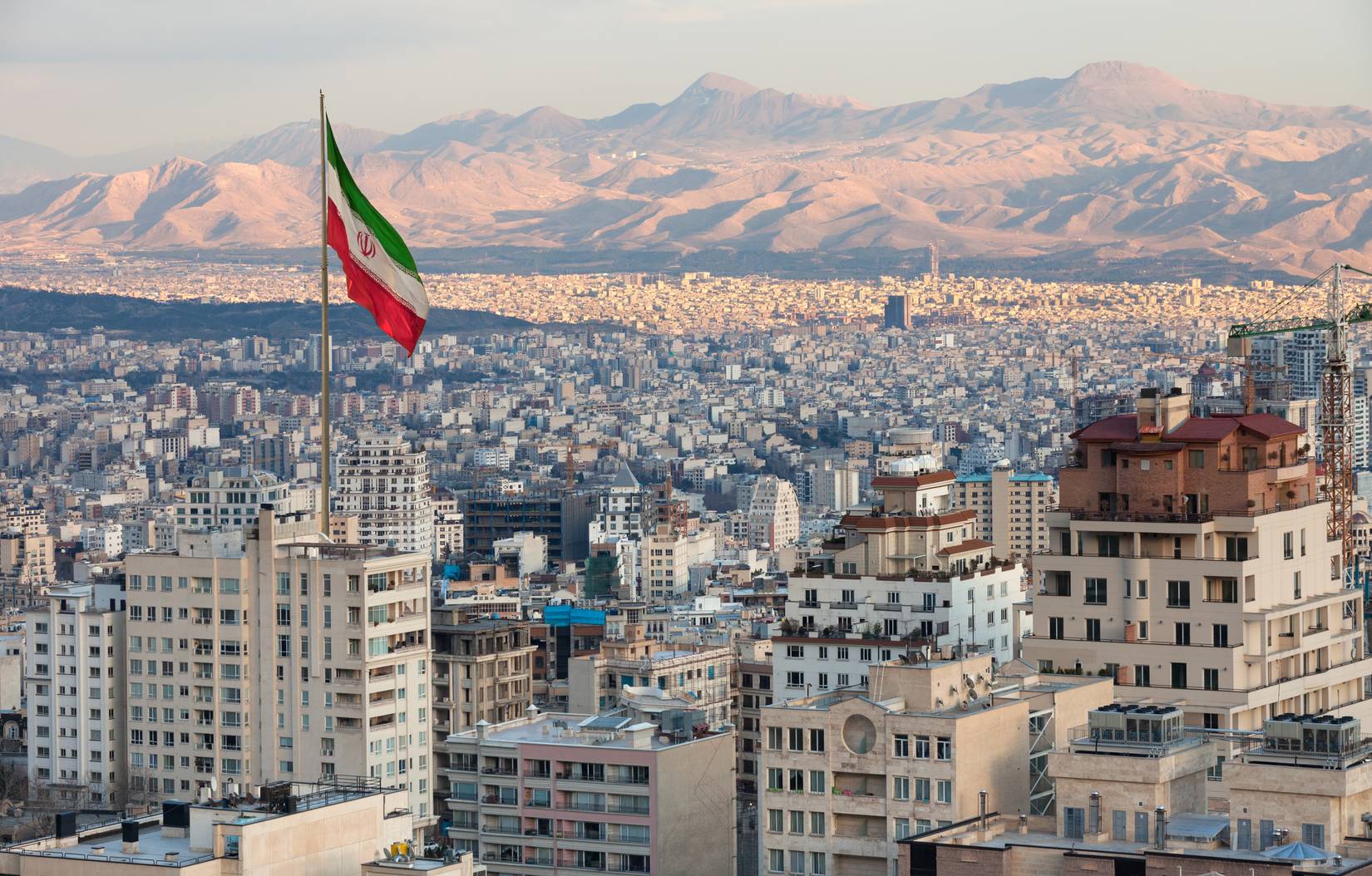
In February 2026, the U.S. designated Iran a “State Sponsor of Wrongful Detention” due to its systemic practice of taking American hostages. Iran does not recognize dual nationality. For travelers born in Iran or holding dual Iranian-American citizenship, a U.S. birthplace or passport provides zero protection. Local authorities treat these individuals strictly as Iranian national subjects, blocking U.S. consular access and increasing detention risk.
Russia

The State Department keeps Russia under a (D) indicator due to heightened geopolitical conflict and aggressive enforcement of local laws against Americans. Travelers with backgrounds in journalism, military service, government work, or defense contracting face immediate scrutiny upon arrival.
Venezuela
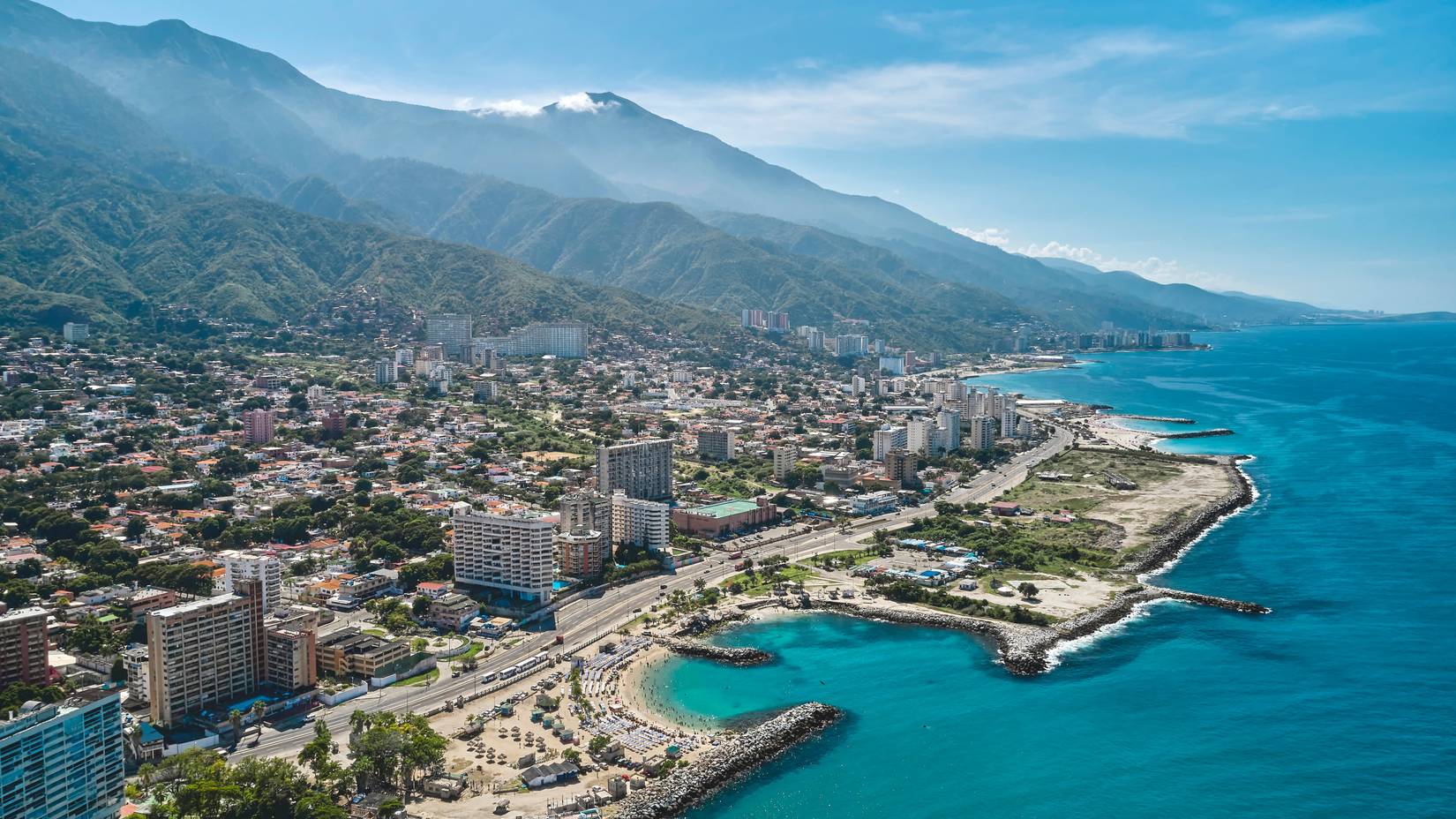
Years of severed diplomatic ties leave the U.S. government with no physical embassy or active consular operations inside Venezuela. American passport holders face high risks of arbitrary arrest by security forces, with virtually no direct U.S. government assistance available if detained.
Afghanistan
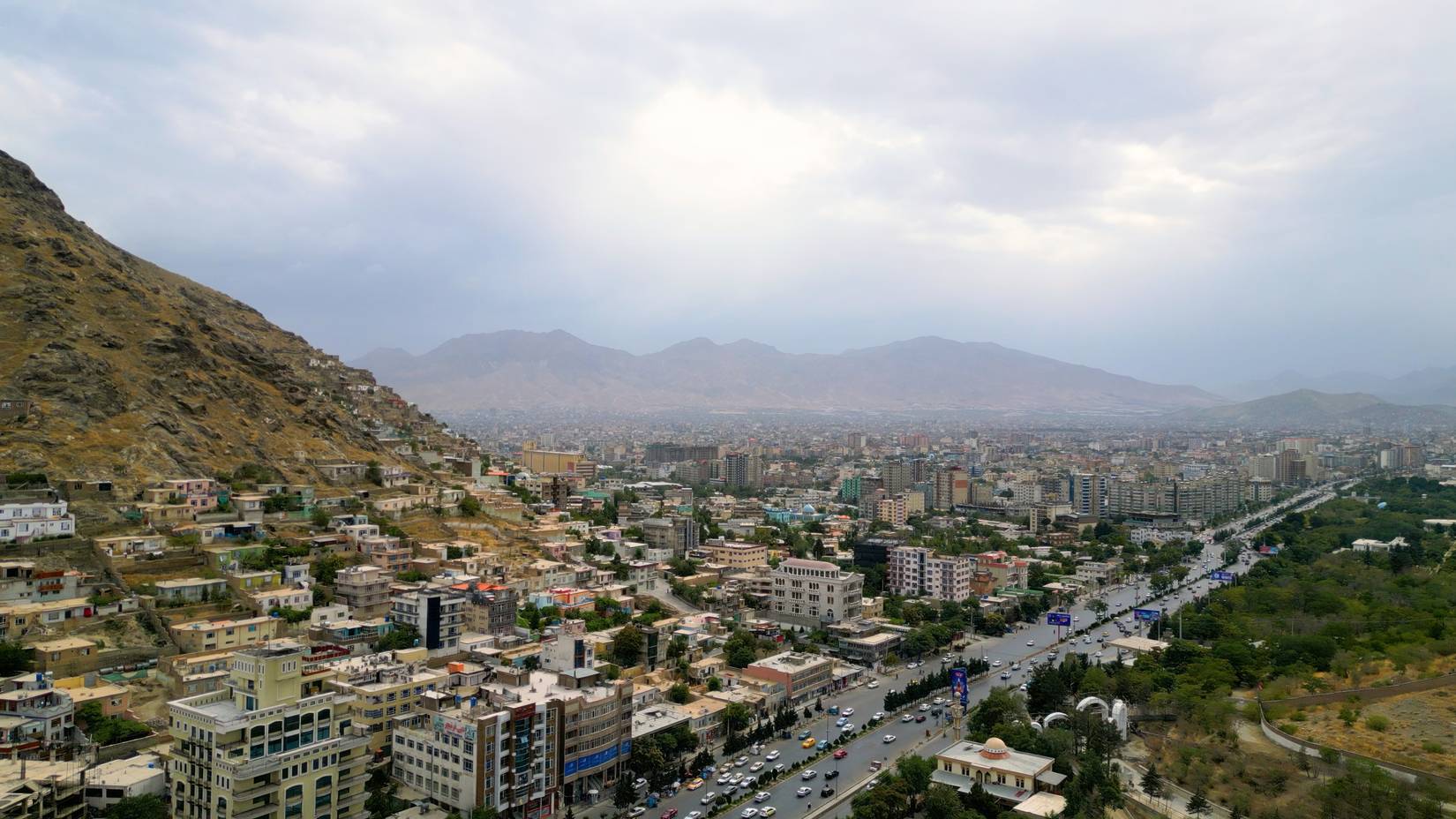
Operating under Taliban control, Afghanistan is among the most dangerous countries to visit as it carries both a Level 4 advisory and a (D) indicator. Following ongoing detentions of U.S. citizens, U.S. Secretary of State Marco Rubio designated the Taliban regime as a state sponsor of wrongful detention in early 2026. Without formal diplomatic relations, the State Department has minimal capacity to negotiate releases or verify detainee well-being.
Common Misconceptions About Wrongful Detention

Wrongful detention is often misunderstood. Unlike other travel risks, many people assume those who are detained must have knowingly accepted the risks of visiting high-risk destinations or broken local laws. However, experts say these assumptions are often misplaced.
Asked about the biggest misconceptions Americans have about the risk of wrongful detention, Elizabeth Richards, the Director of Hostage Advocacy & Research at The Foley Foundation, told TheTravel:
“The risk of wrongful detention is real, and it can happen to you or to someone you love. I sometimes read the comment sections of news articles, social media posts, YouTube videos, etc. Inevitably, there is at least one comment that blames the individual being unjustly held for their wrongful detention (e.g., ‘well, they must have done something wrong,’ or ‘why were in that country in the first place’). These views are harmful, because they reinforce a view that blames the victim and ignores the facts. First, to the comments that imply the individual must have done something wrong, no, they have not.”
Richards continued: “In cases of wrongful detention, the reason the person is being held is because of their U.S. passport. In countries that engage in wrongful detention, we have seen cases where U.S. passport holders are pulled out of line and subjected to additional scrutiny, as authorities search for a pretext for the unjust detention.”
How Visa Restrictions Shut Out Americans In West Africa
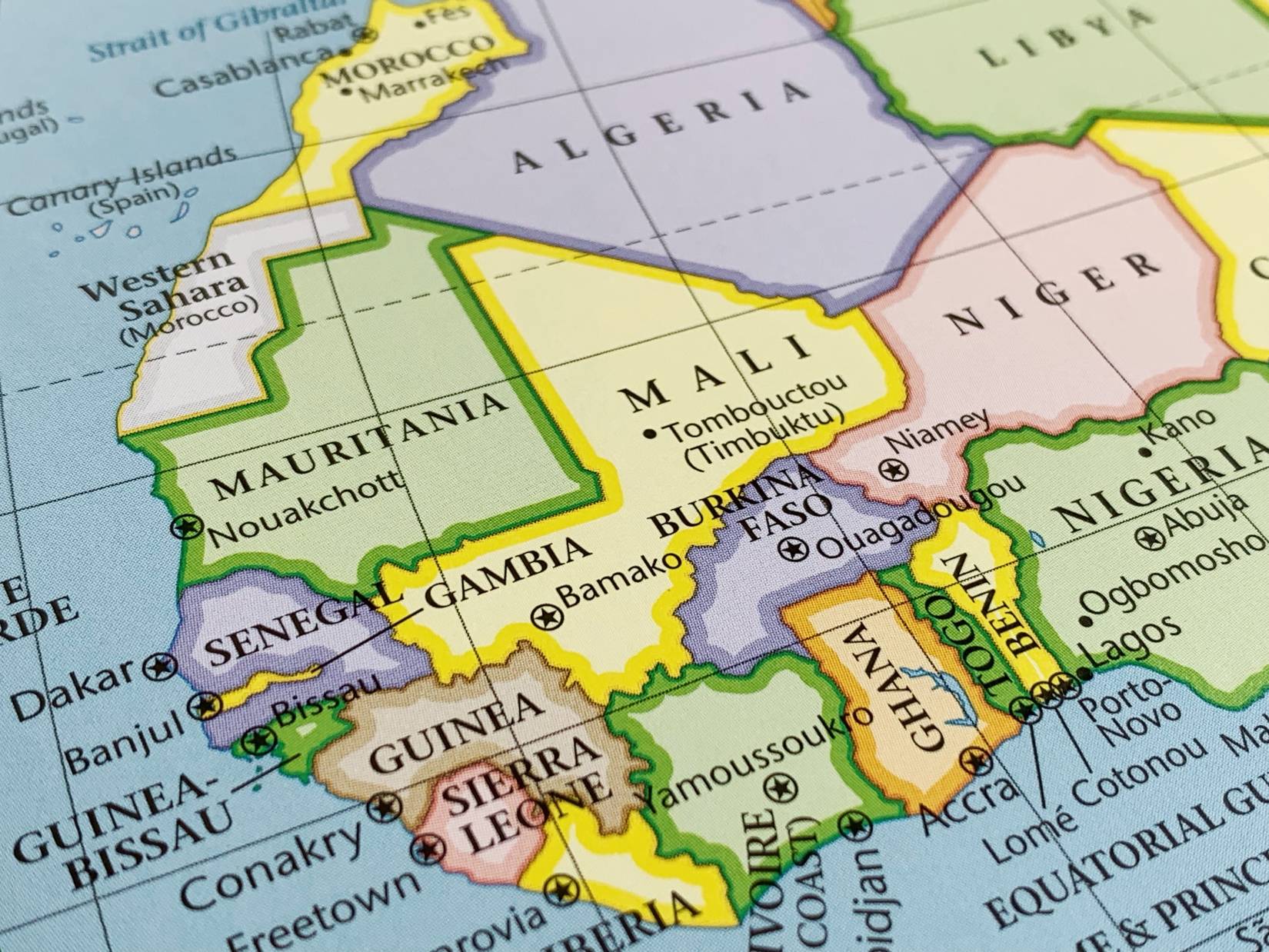
State-sponsored detention is not the only mechanism eroding U.S. passport power. In 2026, a distinct wave of retaliatory border policies has created total denial of entry, a second threat category for American travelers. Rather than targeting individual tourists for arrest upon arrival, these measures shut out U.S. passport holders before they can board a flight.
This retaliatory wave stems from expanded U.S. visa restrictions that took effect on January 1, 2026. When the Trump administration placed sweeping visa limits on nationals from 39 countries, several West African governments responded by exercising international diplomatic reciprocity. The result is an indefinite shutdown of entry privileges for Americans across a strategic corridor of Sahel nations.
The Sahel Alliance Reciprocal Bans
- Niger: Niger instituted an indefinite ban on U.S. citizens entering its borders in response to the January 1 U.S. policy changes. This strict tit-for-tat measure means a valid U.S. passport no longer grants entry or visa eligibility.
- Mali: Mali aligned with its regional neighbors by suspending visa issuances and entry for American travelers. The restriction is purely geopolitical, aimed directly at U.S. foreign policy rather than individual travel risks.
- Burkina Faso: Burkina Faso completed the bloc response by implementing identical reciprocal entry restrictions on U.S. passport holders. Together with Niger and Mali, Burkina Faso demonstrates how rapidly diplomatic fallout can erase traditional passport privileges.
Reciprocal Bans Vs. Targeted Detention
Understanding the distinction between these two threat categories is critical for travel planning:
- Reciprocal-Ban States (Niger, Mali, Burkina Faso): The primary hazard is procedural denial. Border officials, airlines, and embassies simply refuse entry or reject visa applications at the port of departure.
- Targeted Detention States (Iran, Russia, Venezuela, Afghanistan): The hazard is physical captivity. Travelers are permitted to enter or are lured under legal pretenses, only to face arbitrary arrest, interrogation, and hostage diplomacy once inside.
What American Travelers Should Know Before Visiting High-Risk Destinations

International travel now demands far more strategic preparation than checking basic visa requirements. Diplomatic relations can deteriorate overnight, entry policies can shift instantly, and a U.S. passport can quickly transition from an asset to a risk factor. In a statement to TheTravel, the Foley Foundation also helped address situations where U.S. citizenship may increase a traveler’s risk abroad, saying:
“There are certain countries, such as Iran and Russia, that view Americans as bargaining chips. An American traveler does not need to do anything wrong, those countries will invent a reason to unjustly hold a U.S. passport holder. We recommend individuals review the country page before travel, however, examples like China illustrate how those pages might not always reflect the full reality of a country’s use of wrongful detentions.”
Simply put, before booking international itineraries in 2026, travelers must evaluate whether their destination presents risks that go beyond ordinary tourist concerns.
Key Steps For High-Risk Destination Preparation
- Verify Specific Travel Restrictions: Beyond standard advisories, some destinations carry total legal prohibitions. For instance, the U.S. State Department has extended its ban on using U.S. passports to travel to, in, or through North Korea, declaring all passports invalid for North Korean travel without special validation.
- Distinguish General Risk from Hostile State Targeting: Learn to differentiate between a standard Level 4 “Do Not Travel” advisory and a “Wrongful Detention (D)” indicator. A Level 4 advisory addresses widespread dangers like armed conflict or violent crime, whereas the (D) indicator warns that host government authorities actively arrest U.S. citizens for political leverage.
- Never Rely on Dual Nationality as a Shield: Countries like Iran and Russia do not recognize dual citizenship. If you hold dual nationality or were born abroad, foreign authorities will treat you strictly under local law, blocking access to U.S. consular officials and elevating your risk of arbitrary detention.
- Enroll in the Smart Traveler Enrollment Program (STEP): Register your travel plans with the U.S. Department of State’s STEP system before departure. This enables the nearest U.S. Embassy or Consulate to send real-time security alerts and locate you during geopolitical emergencies.
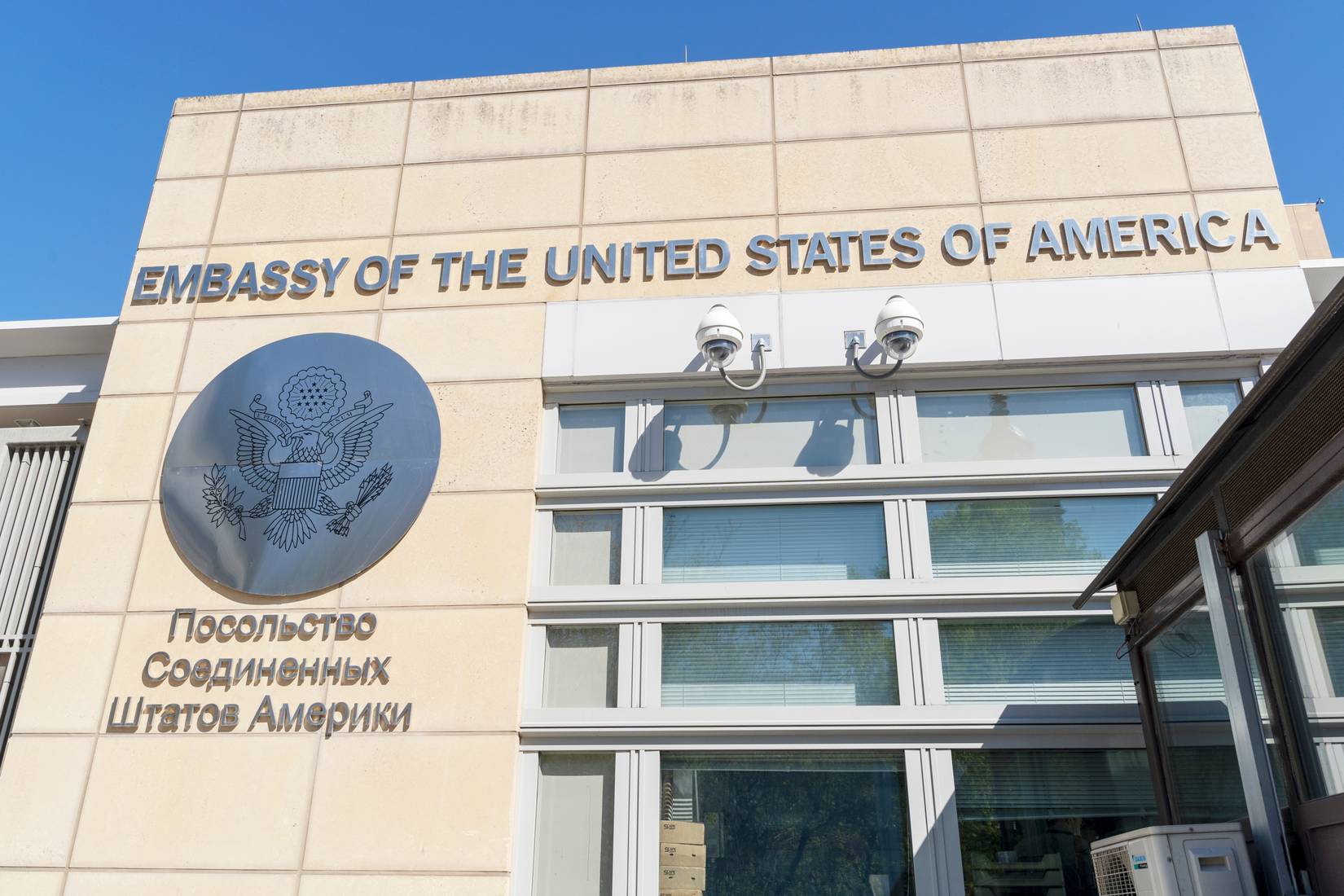
- Confirm Active U.S. Consular Presence: Research whether the U.S. government maintains an operating embassy in your destination. In countries like Venezuela, Afghanistan, and Syria, the absence of formal diplomatic operations leaves Washington with virtually zero capacity to assist detained citizens.
- Monitor Visa Reciprocity Shifts: Review entry requirements shortly before departure. As seen across West Africa, retaliatory diplomatic actions can trigger sudden entry bans on American passport holders with no advance notice.
In addition to the steps above, the Foley Foundation also encouraged tourists to prepare thoroughly before leaving the U.S., explaining:
“We highly recommend people read up on the country they are traveling to ahead of time, familiarize themselves with the local laws, and check all their bags/pockets, and make sure they are not accidentally carrying anything that is legal in the U.S. and not in the country where they are traveling.”
While the U.S. passport remains one of the world’s premier travel credentials, its immunity is no longer guaranteed. In a growing number of destinations, carrying American citizenship introduces targeted risks. Understanding these threat categories and staying informed before departure allows travelers to navigate an increasingly fragmented global landscape safely.