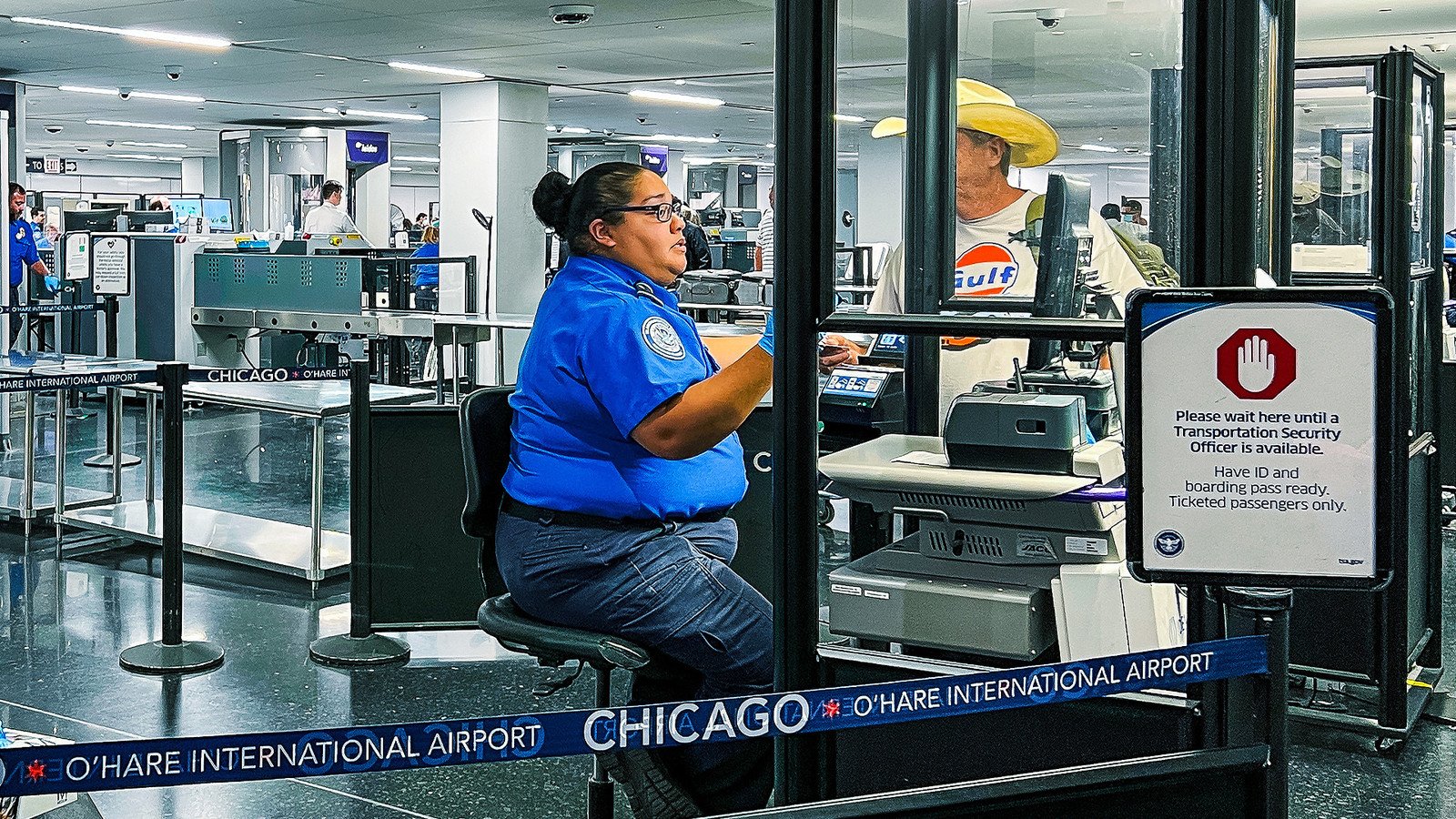
With long government shutdowns in recent years, it’s safe to say that the Transportation Security Administration (TSA) has been making headlines for all the wrong reasons. Lengthy queues that have extended outside terminal buildings and long screening delays have all been in the news.
However, the TSA has been rolling out its TSA Gold+ Program for airports across the country. Launched in May 2026, the program outsources the TSA screening process to private companies who become responsible for staffing and screening equipment, all overseen by TSA, but not directly run by them. Tampa, Charleston, and Des Moines have become the first airports to announce they are adopting the program.
This shift is designed to improve passenger experience at the airport by reducing queues and improving efficiency, but unions, like the AFGE, have expressed concerns around worker pay and benefits, as well as the handling of sensitive information and technology.
With this in mind, will privatized screening actually improve the airport experience long-term? Which airports are handing their TSA checkpoints over to private contractors, and what will it mean for passengers and TSA workers?
Tampa, Charleston, and Des Moines Are All Rolling Out The TSA Gold+ Program
In July 2026, three more airports, Tampa, Charleston, and Des Moines, declared that they will be adopting the TSA Gold+ Program, part of the government’s Screening Partnership Program. They will be the first airports in the country to opt into the program with the aim to improve operational efficiency and customer satisfaction overall.
Des Moines Airport, Iowa, will transition to the program in January 2027, followed by Charleston International Airport, South Carolina, in February 2027, and Tampa International Airport, Florida, in May 2027. In a statement on their website, Tampa International Airport argued that the TSA Gold+ program is necessary for improving all-time-low customer satisfaction scores:
“Our quarterly Airports Council International Airport Service Quality (ASQ) passenger survey showed a sharp decline, our lowest-ever scores, in the TSA screening category during the last shutdown. TPA ranked 45th out of 56 participating airports, which is not the level of customer service TPA’s travelers have come to expect.”
While these changes aren’t expected to be implemented fully until each airport’s proposed date, some shifts will take place as early as September 2026, when the TSA will select the specific private contractor for each of the three airports. When asked about concerns surrounding changes to the current screening staff in the face of privatization, Charleston Airport told TheTravel:
“Every current TSA officer at CHS who wishes to remain will have the opportunity to transition to the screening contractor at equivalent pay and benefits. In addition, employees will no longer face the uncertainty of missed paychecks during future federal government shutdowns.”
While this shift is not expected to impact passengers until next year, contractor selection and transfer decision-making will need to be done by the current security staff at these airports.
Why Are Airports Opting For Privatized Screening Contractors?
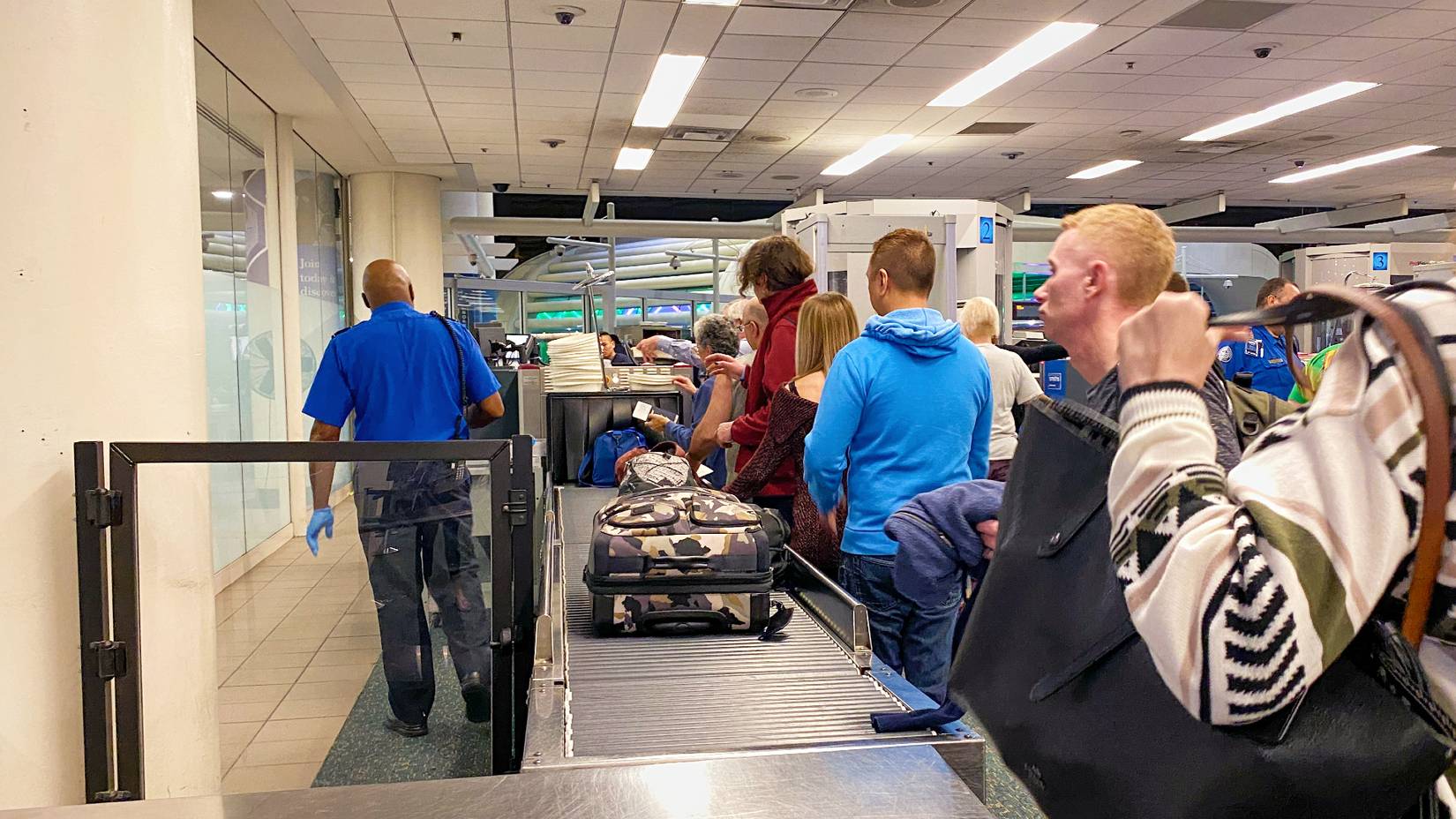
The fundamental reason why airports are opting for privatized screening contractors is for operational efficiency. After the last government shutdown wreaked havoc on TSA lines across the U.S., airports are now having to look for ways to become more resilient and make sure they mitigate the effects of security queues and staffing issues on passengers.
Because TSA operates as part of the federal government, any government-wide shutdown affects the workforce and creates uncertainty around pay. During previous shutdowns, this led to mass walkouts, with many TSA officers calling in sick or seeking part-time employment elsewhere for the duration, unable or unwilling to work without pay.
While this is completely understandable on the part of the workers, this left airports massively understaffed and with huge queues to deal with, which led to angry passengers and a lot of missed flights.
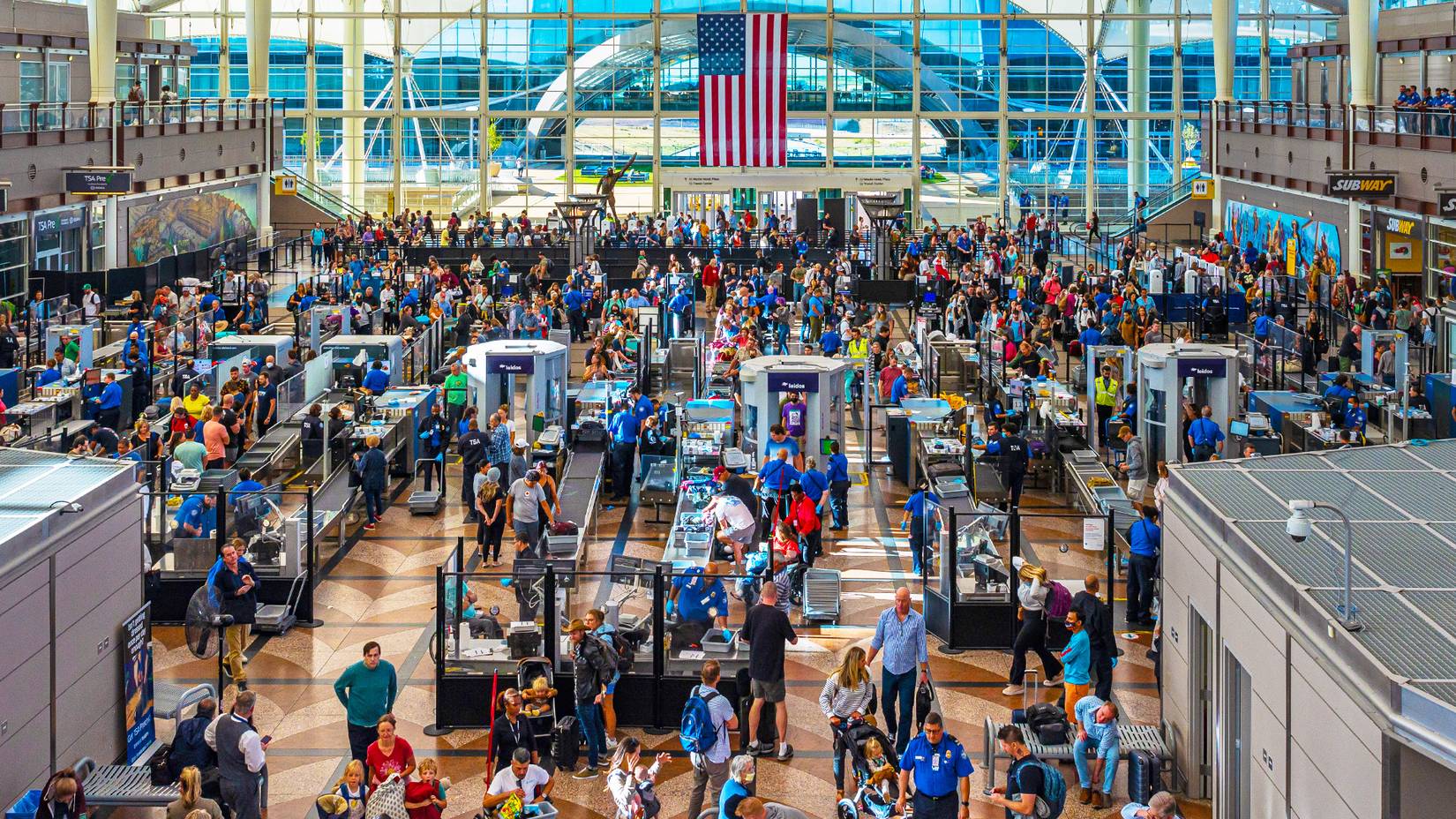
The shift toward private contractors is also partly driven by the push for better screening technology. Private companies can fund newer equipment already being used at airports across Europe, Asia, and some newer airports like Jorge Chávez International Airport (LIM) in Peru, including technology that could allow passengers to keep liquids and electronics in their bags. This speeds up security queues without affecting the actual security risks.
Alongside privatization efforts, the bipartisan SAFEGUARDS Act is currently trying to redirect around a third of the 9/11 Passenger Security Fee revenue (about $15 billion since 2014) back into aviation security.
This was redirected to help mitigate the national debt, but because of this, upgrades to TSA equipment and tech have been lagging behind other nations. By funneling back the money into aviation security, these upgrades can be made, alongside private contractor-funded machinery and staff.
How Will The Adoption Of TSA Gold+ Affect Passengers?
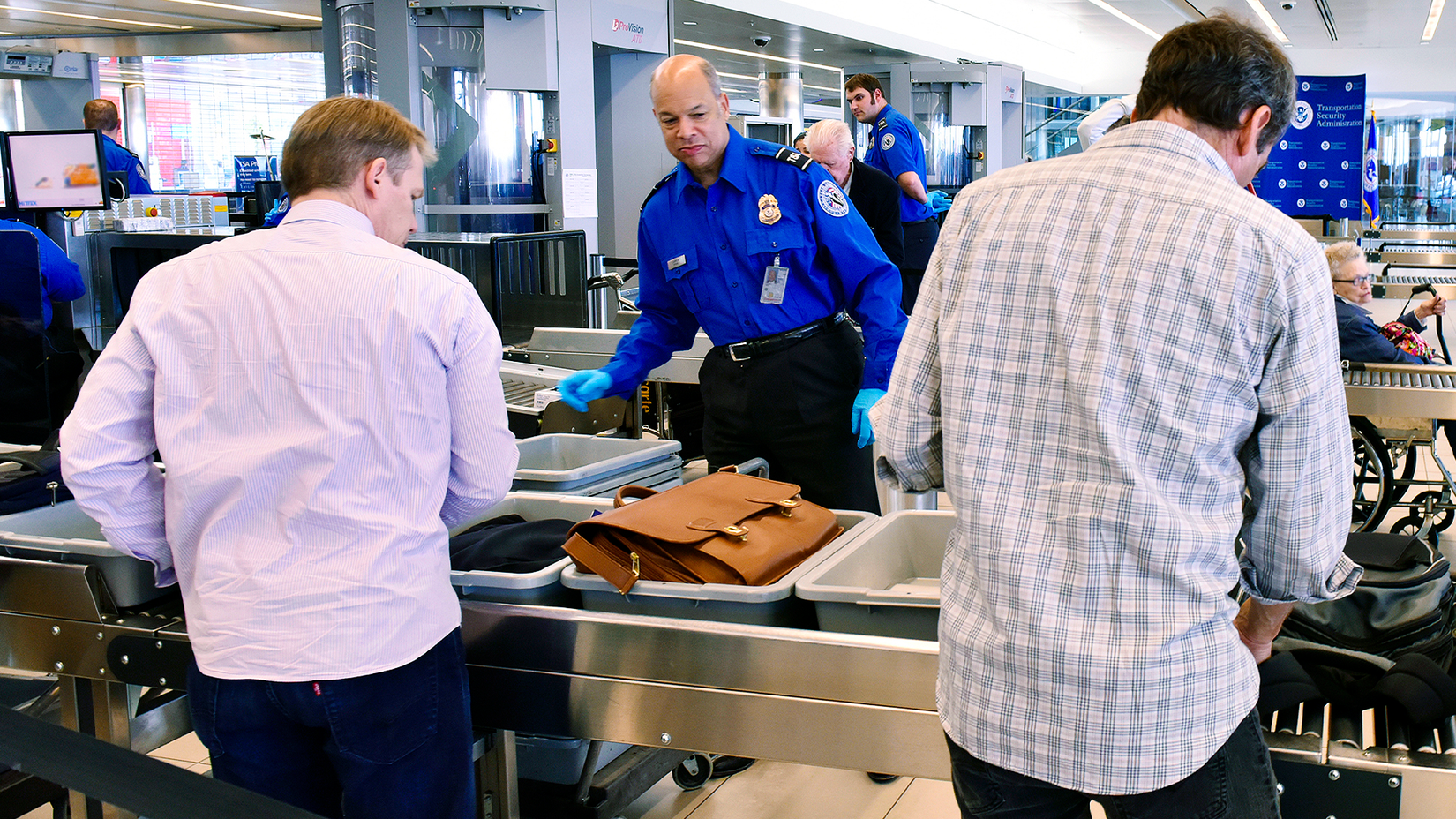
For now, passengers traveling through Des Moines, Charleston, or Tampa Airport are unlikely to notice any immediate changes. The private contractors are not expected to be selected until September 2026 at the earliest, with full TSA Gold+ transition expected in January, February, and May 2027.
According to Tampa Airport, during the transition, passenger operations will continue as normal, with TSA PreCheck, PreCheck Touchless ID, and family lanes still being available throughout.
In the longer term, with TSA Gold+ in place, passengers could benefit from shorter queues and upgraded screening technology in the airports. As newer scanners are introduced, you could eventually be allowed liquids over 100 mL in your carry-on bag, as well as your electronics.
The result should be a much quicker and more efficient security process, with less time spent unpacking and repacking bags, and fewer secondary screenings caused by a forgotten hand cream or water bottle. This, thereby, means shorter queues and greater passenger satisfaction. All in all, it means you should sail through security faster and be on your way to a coffee or the lounge in no time.
Airports In The U.S. With No TSA Lines
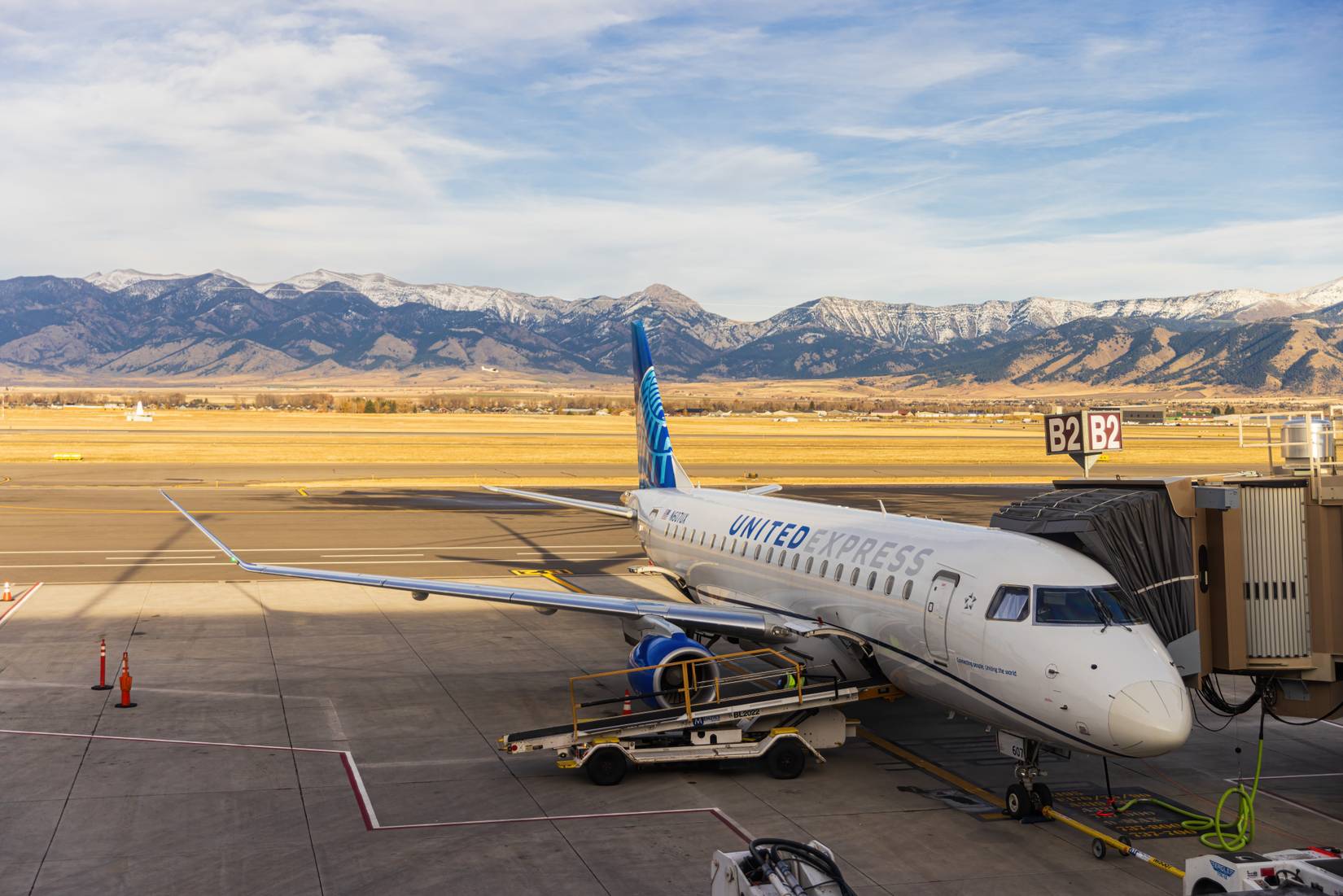
While Tampa, Des Moines, and Charleston are set to roll out TSA Gold+, there are plenty of airports across the country that opt to handle airport screening by private contractors rather than the TSA. The largest airport that has private security screening is San Francisco International Airport (SFO). Others include:
- Atlantic City International Airport (ACY) in New Jersey
- Charles M. Schulz Sonoma County Airport (STS) in Santa Rosa, California
- Dawson Community Airport (GDV) in Glendive, Montana
- Great Falls International Airport (GTF) in Great Falls, Montana
- Glacier Park International Airport (FCA) in Kalispell, Montana
- Frederick Douglass Greater Rochester International Airport (ROC) in Rochester, New York
- Havre City-County Airport (HVR) in Havre, Montana
- Kansas City International Airport (MCI) in Kansas City, Missouri
- L. M. Clayton Airport (OLF) in Wolf Point, Montana
- Orlando Sanford International Airport (SFB) in Sanford, Florida
- Portsmouth International Airport (PSM) in Portsmouth, New Hampshire
- Punta Gorda Airport (PGD) in Punta Gorda, Florida
- Roswell Air Center (ROW) in Roswell, New Mexico
- San Francisco International Airport (SFO) in San Francisco, California
- Sarasota Bradenton International Airport (SRQ) in Sarasota, Florida
- Sidney-Richland Regional Airport (SDY) in Sidney, Montana
- Sioux Falls Regional Airport (FSD) in Sioux Falls, South Dakota
- Tupelo Regional Airport (TUP) in Tupelo, Mississippi
- Wokal Field-Glasgow Valley County Airport (GGW) in Glasgow, Montana
- Yellowstone Airport (WYS) in West Yellowstone, Montana
Over time, it is expected that more airports will join this list, especially if TSA Gold+ does provide the operational efficiency, customer satisfaction, and technological upgrades that it is promising. It would be interesting to see the impact on major hubs like JFK, Washington-Dulles, LAX, or O’Hare if this shift were to happen.
There are more staff, higher passenger numbers, and greater scrutiny on these hubs, so only time will tell how effective this privatization shift will be for both passengers and airport workers.