There really is no shortage of breathtaking national parks across the U.S. From the sheer rock-climbing walls of Yosemite National Park to the exquisite wildlife of the Tetons to the sandstone beauty of Arches National Park, there are a lot of natural places to love in America. However, some are more popular than others.
In fact, America’s largest national park is actually one of the most overlooked and undervisited national parks in the country. Its remote nature means that many people avoid the logistics of getting there in favor of a more easily accessible park. Still, for those intrepid enough to visit, they’ll be rewarded with outstanding views, amazing outdoor adventure, and world-class wildlife.
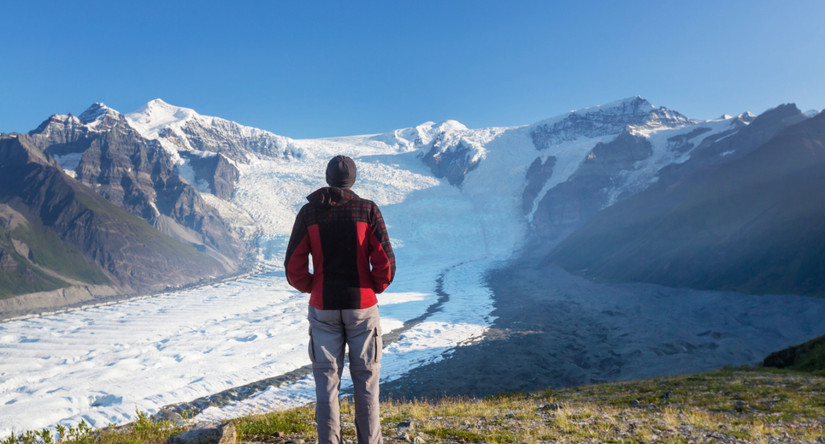
Located in Alaska, Wrangell-St. Elias National Park and Preserve spans an incredible 13 million acres. For context, that makes this park six times larger than Yellowstone, and larger than the entire state of Maryland. Despite this, it only sees around 75,000 visitors per year. With so much to see and explore, why is it so overlooked? With over 3,000 glaciers within the park boundaries, there’s no shortage of spectacular vistas and amazing experiences.
So, why is this park so large and underrated compared to other national parks?
Wrangell-St. Elias National Park And Preserve Spans 13 Million Acres
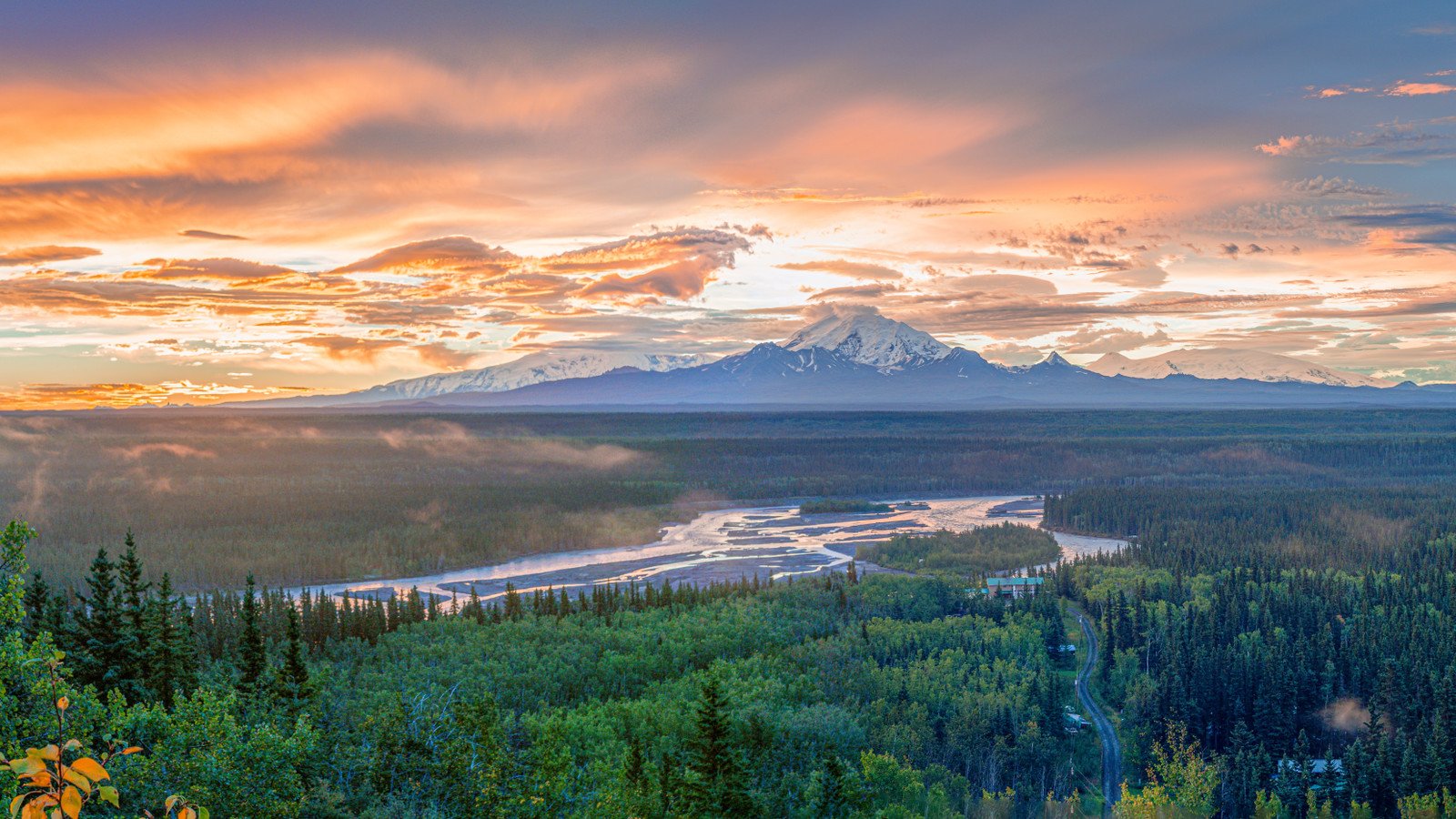
Located in southern Alaska, Wrangell-St. Elias National Park and Preserve is the largest national park in the country, encompassing 13.2 million acres of diverse protected lands. It goes as far south as Yakutat Bay and as far northeast as Slana and Chistochina, according to the NPS. It’s a behemoth of natural wonder and adventure, owing in no small part to the 3,000 glaciers and expansive ice valley that lies within the park borders.
The central part of the park is dominated by the Wrangell Mountains; however, you can also find parts of the Alaska Range, the St. Elias Mountain Range, and the Chugach Mountains within the national park. This huge swathe of mountain landscape gives an imposing topography to the park, which allows for hiking, skiing, and adventuring, as well as creating homes for amazing wildlife.
While Wrangell-St. Elias National Park and Preserve is protected, and the park is also part of a wider UNESCO World Heritage Site. The combination of Wrangell-St. Elias National Park and Preserve, Glacier Bay National Park and Preserve, Canada’s Kluane National Park and Reserve, and Tatshenshini-Alsek Provincial Park are all part of the 24 million-acre World Heritage Site. This actually makes it one of the world’s largest protected ecosystems.
Why Is Wrangell-St. Elias National Park and Preserve So Overlooked?
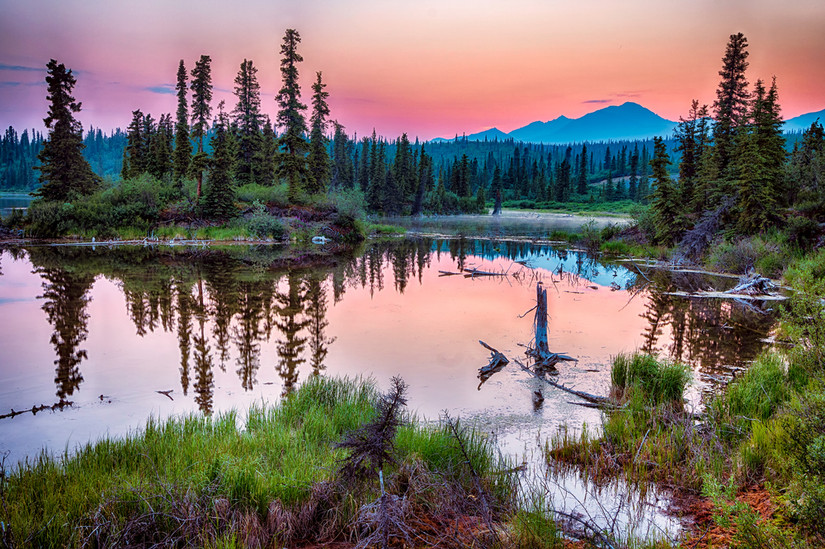
Part of why many people don’t visit Wrangell-St. Elias National Park and Preserve is unique because of its remote nature. Alaska’s national parks tend to get much fewer visitors than those in the continental U.S. on the whole. There are eight national parks in Alaska, with most visitors stopping at Glacier Bay, Denali, or Kenai Fjords. This tends to be because of the accessibility via cruise ships, as this is one of the most popular travel methods to Alaska.
Alaska National Park Visitor Numbers In 2023
|
National Park |
Visitor Numbers in 2023 |
|
Glacier Bay |
703,659 |
|
Denali |
498,722 |
|
Kenai Fjords |
389,525 |
|
Wrangell-St. Elias |
78,305 |
It’s also relatively easy to get to Denali due to the train links. However, for Wrangell-St. Elias, you need to drive. There are three main entrances: Copper Center Visitor Center, Nabesna Road, and McCarthy Road/Kennecott Mine. The McCarthy Road is unpaved and can be tricky to maneuver, especially outside of the peak summer season.
In fact, to help boost visitor numbers, entry to Wrangell-St. Elias National Park is actually free. It’s one of just 19 national parks in the U.S. that have free entry. The park also has regular shuttles around the park to help access the more remote corners of the 13.2 million-acre giant, but the shuttles can be pricey. There aren’t any NPS-provided shuttles, so they’re all privately owned and operated. Primarily, they run between Glennallen, McCarthy, and Kennecott, and can cost around $100 per person each way.
What Can You Do In Wrangell-St. Elias National Park And Preserve?
As you might imagine, some of the best things to see and do in Wrangell-St. Elias National Park revolves around soaking up nature. One of the highlights is driving the scenic 60-mile McCarthy Road. This road is unpaved, so a 4×4 vehicle is necessary, and check the road conditions and weather report before you set out. It takes between two and three hours, and you’ll see moose, swans, grizzly and black bears, owls, and eagles along the way. It ends at the McCarthy footbridge, so you can wander into the town at the end.
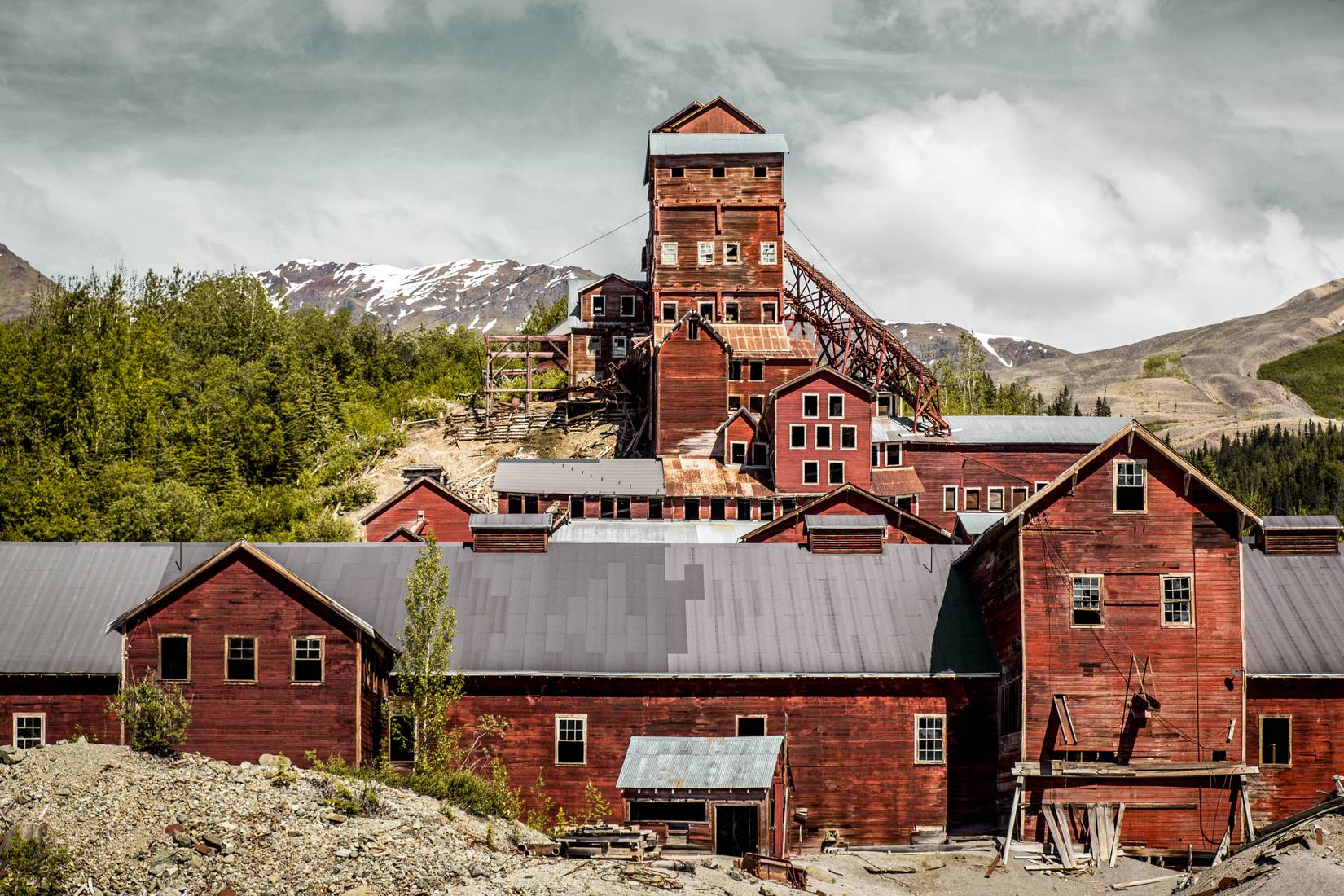
For a unique experience, check out the Kennecott Ghost Town. Built in 1904 and abandoned by 1938, this copper mining ghost town is eerie but strangely beautiful. If you book a local tour, you’ll even be allowed inside the buildings. You can also book a flight sightseeing tour to encompass the bulk of this gigantic park.
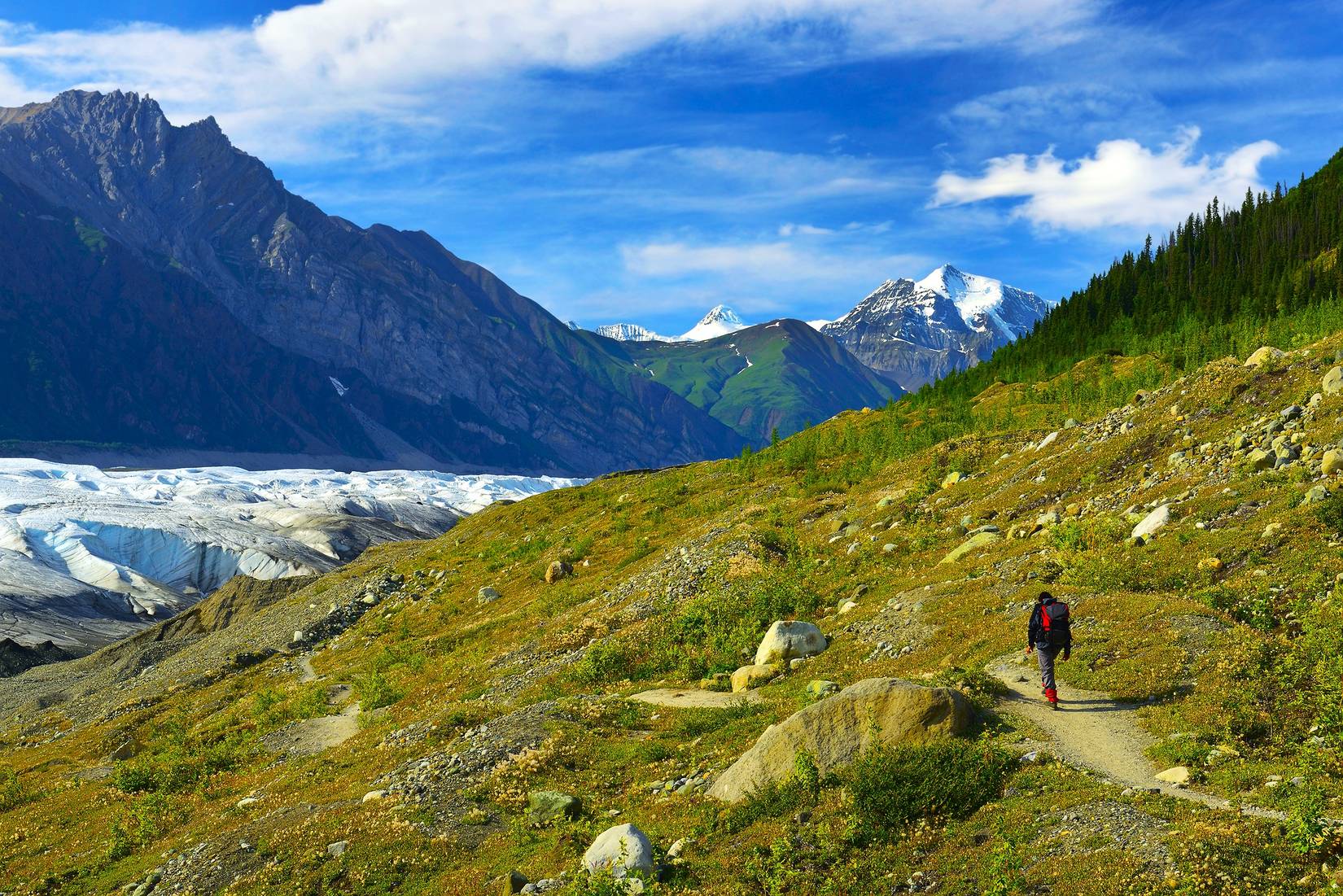
If you want to hike or backpack, base yourself around the Skolai Pass. This is where the majority of the popular hikes start. However, it’s advised that you hire a guide while you’re here, as the trails are well-maintained for the first few miles and then a little sketchier after that. If you’re planning on doing a glacier hike, you should definitely hire a guide, as there can be hidden crevasses.
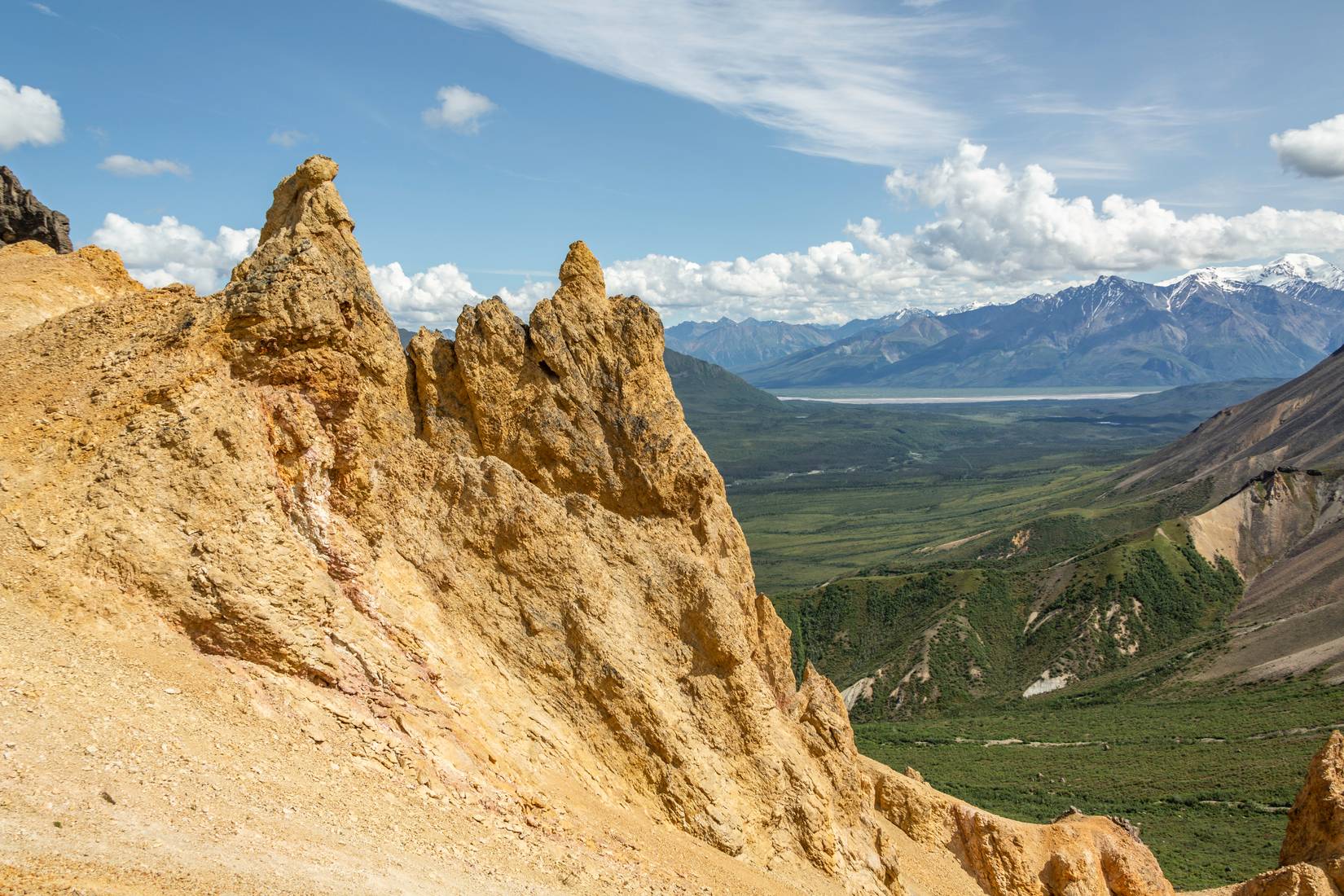
Finally, as the park only has two major roads, rafting and kayaking are a great way to experience the national park. You can pick up maps from the visitor centers. Some of the more popular rivers include the Kennicott, Nizina, Copper, and Chitina rivers.
How To Get To Wrangell-St. Elias National Park And Preserve
The closest major airport to Wrangell-St. Elias National Park is Anchorage International. This airport has tons of routes all around the world, making it pretty accessible. Alaska Airlines also runs stopovers through Seattle for more long-haul routes.
From here, the closest town to the national park is Copper Center, Alaska. This is around 10 miles from the Copper Center Visitor Center, and has some restaurants and lodging for basic travelers. There’s also a gas station here if you need to top up before exploring the park or heading back up to Anchorage.
Driving from Anchorage, it’s three hours and 20 minutes to Copper Center. Alternatively, you can jump on the direct bus that goes towards Tok. This stops at Glennallen, Chistchina, and Slana along the way, so if you’re basing yourself on the northern edge of the park, these are great options. The bus takes 5 hours and 50 minutes from Anchorage to Slana.
Some people opt to fly into Valdez from Anchorage. This is in the southwestern part of the park, making it more convenient for the southern section of the park. From here, Highway 4 runs all the way through the park to Glennallen, giving you plenty of opportunities to explore.
So, if you want to experience the U.S.’s largest national park, head north to Wrangell-St. Elias National Park and Preserve in Alaska. While it’s pretty remote to get to, the spectacular scenery and incredible wildlife more than make up for it.