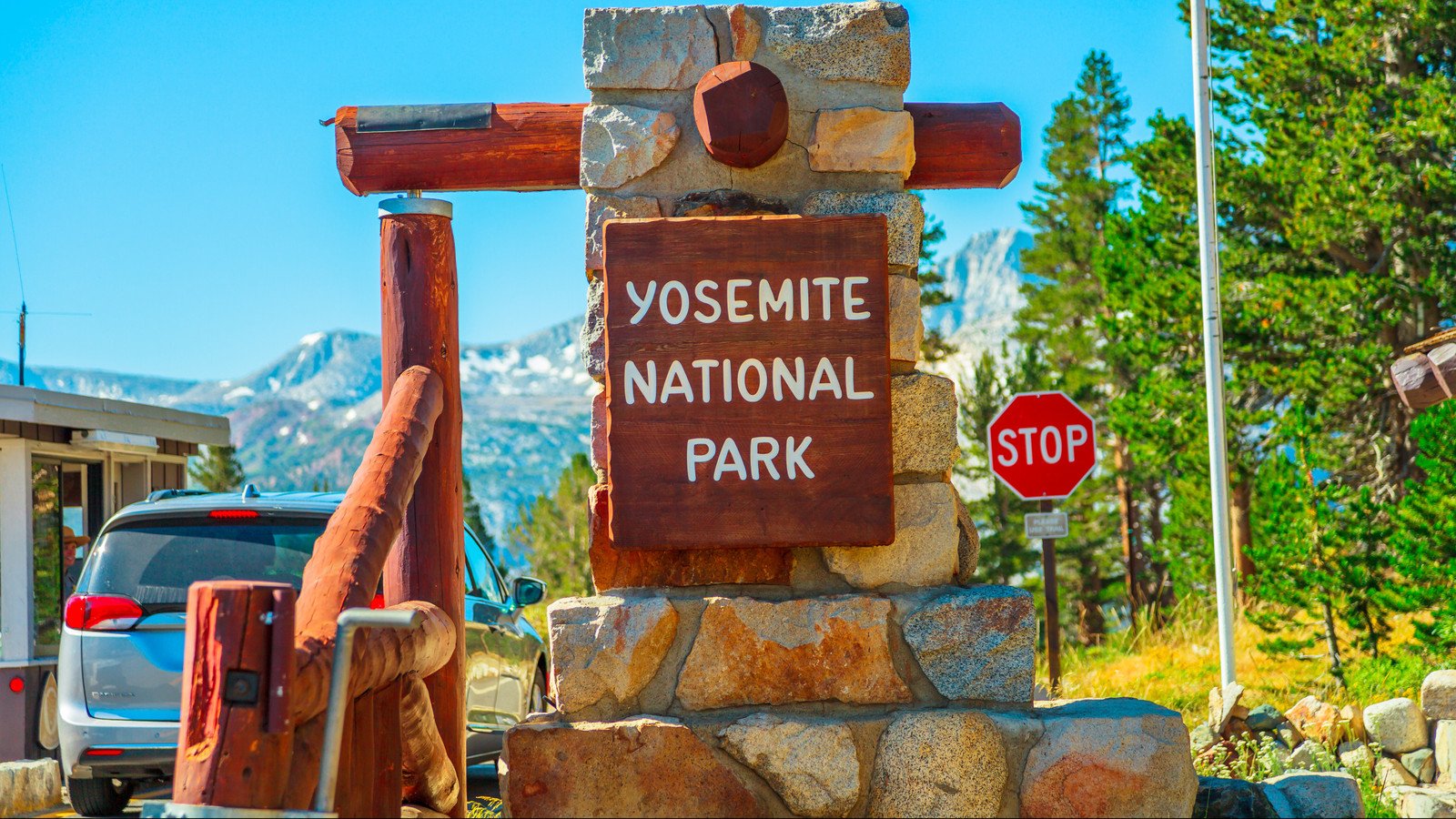
Another Yosemite National Park visitor has died at the scene, after responders found him unresponsive at the Merced River swimming hole, a popular spot in the park. His death followed that of 22-year-old Josue Baires Alfaro, who died after falling at the park’s Nevada Falls.
Lai Yinshan, 24, was found injured and unresponsive at the swimming hole, reports SFGate, and Yosemite park rangers, who responded to the scene, tried to save him, but failed. He was pronounced dead at the scene. Yosemite National Park, however, has not disclosed any information surrounding the death of Yinshan, as well as that of Alfaro.
Yosemite National Park Is Silent On Visitor Deaths After Internal Communication Restrictions
The American public is used to learning about incidents, including deaths at national parks, as officials communicate them through news or press releases. For instance, in June, Grand Canyon National Park was able to release information about the separate deaths of three visitors, and even warned travelers of heat-related incidents that could be life-threatening, reaffirming the dress code policy in the summer.
This time, Yosemite National Park remains silent about the two recent separate deaths in the park, and has not issued a public statement about the case. This undermines the National Park Service’s long-standing disclosure policy to release as much available information as possible.
However, Yosemite’s silence about the deaths of visitors may be in line with the internal memo from the U.S. Department of the Interior, which oversees the National Park Service (NPS), directing all staff to stop disclosing information about the deaths and injuries of those who visit the national parks.
The Washington Post reports that the Interior Department’s internal memo was issued in December, directing all employees, particularly park staff who communicate with the media, to stop disclosing any information surrounding the deaths of visitors, as well as those who suffer from severe injuries.
“Interior shall not confirm a death in all Interior communications involving fatalities, suspected fatalities, serious injuries, or emotionally sensitive incidents,” the internal memo states.
Interior press secretary Aubrie Spady said that the order “is not intended to conceal fatalities or delay information,” but rather to “create a more consistent approach to incident communications across the department.”
“We continue to provide public safety information, statements, news releases, and incident updates as appropriate, while respecting investigative processes, privacy considerations, next-of-kin notifications, and, in some cases, requests from family members not to release identifying information,” Spady said.
However, several national park employees, who spoke on the condition of anonymity out of fear of retaliation, argued that the Interior’s new rule weakens the goal of national parks to keep future visitors informed about the dangers they might experience when exploring the parks.
National Parks Are Still Generally Safe Despite Recent Deaths
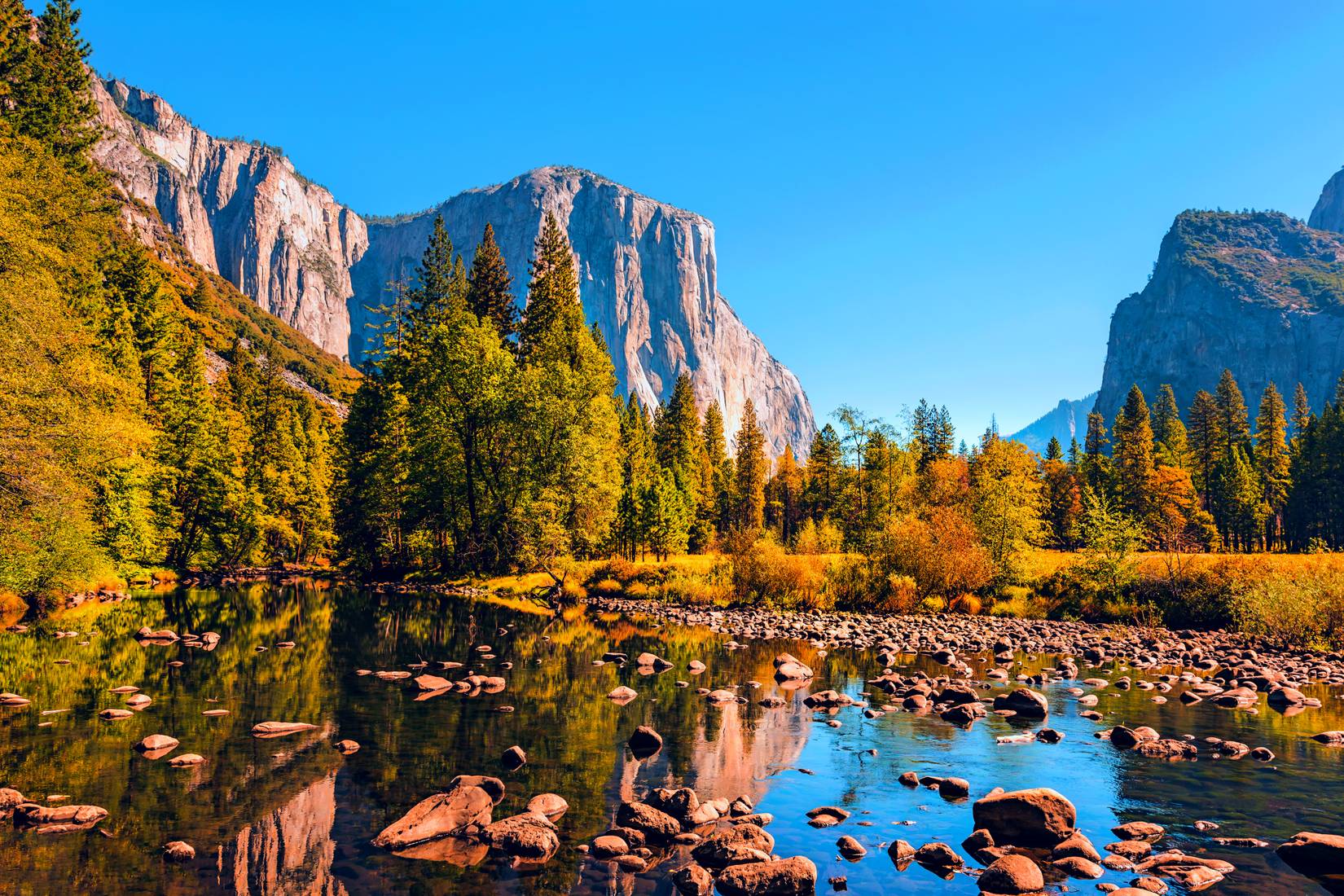
The NPS keeps records of the deaths occurring in national parks, and explicitly states that these statistics identify important factors that help the agency “prioritize safety projects and prevent injuries.” The data is also used by park managers to “plan operations and target resources to save lives.”
According to NPS data, 358 deaths a year, or seven deaths a week, were reported between 2014 and 2019, and in this period, there were 177 out of 420+ national parks that reported one or more deaths in the same period.
The figures, however, are just a fraction of the millions of visits national parks receive every year, which means that they are still safe despite the unfortunate deaths of visitors.
Data For National Park Deaths Help The NPS Identify The Following:
|
Leading causes of death in parks |
|
Activities in parks that resulted in a death |
|
Populations that are at greater risk of dying |
|
Factors that contribute to deaths, such as environmental, mechanical, and behavioral factors |
NPS also uses the data for visitor safety projects, including:
- High-visibility traffic safety enforcement campaigns.
- Preventive search and rescue (PSAR) programs.
- Injury prevention campaigns such as drowning prevention, heat safety, safe distance from wildlife, etc.
- Life jacket loaner stations.
These are the major factors why several national park employees argue that the disclosure of visitor deaths and severe injuries plays a critical role in keeping travelers updated and aware of any risks when there’s a lack of park guidance.
What Yosemite National Park’s Silence Over Recent Deaths Means For Travelers
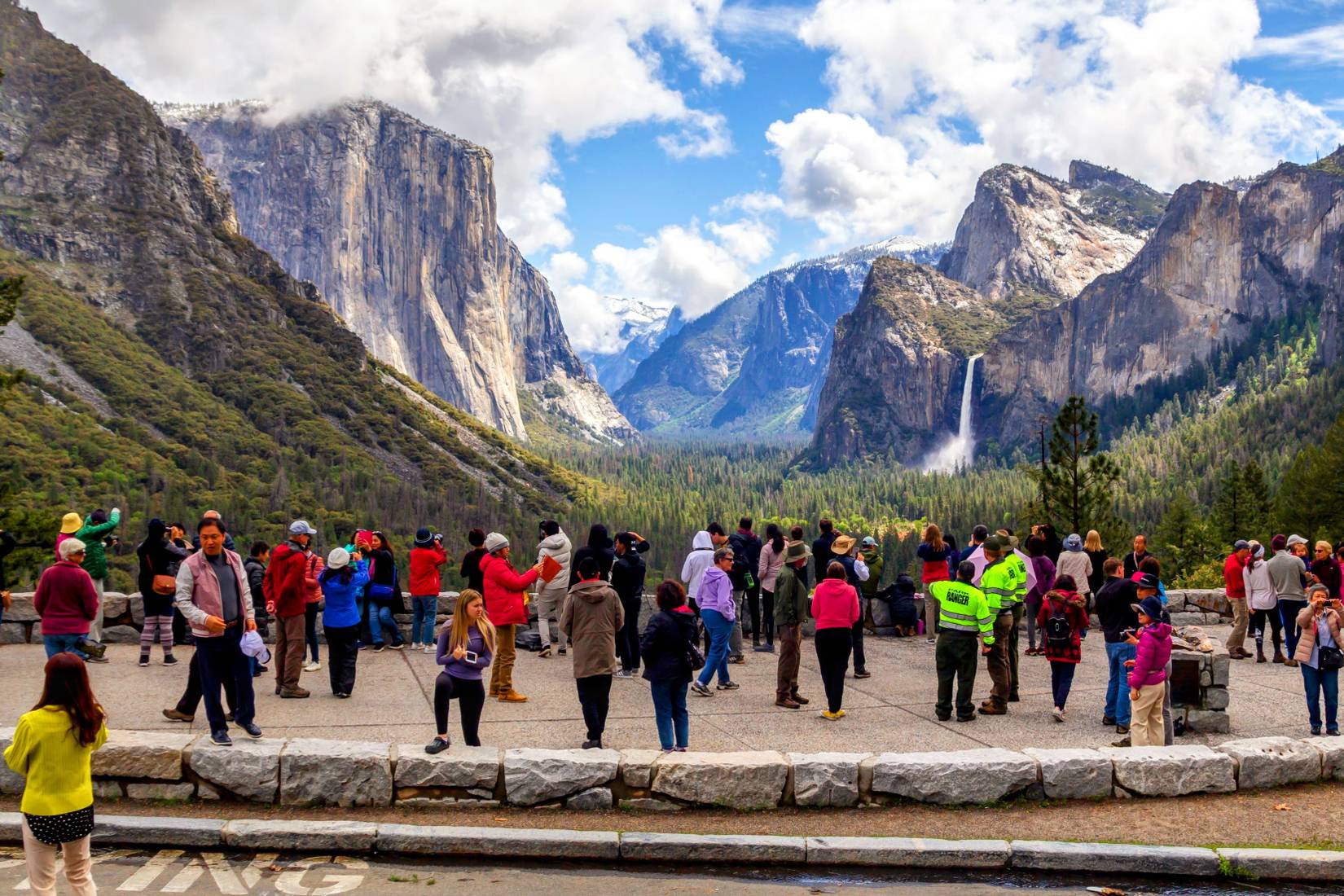
Following the Interior Department’s directive to stop publicizing deaths in national parks, travelers should now remember not to solely rely on park news releases about unfortunate deaths and injuries to stay informed about safety conditions. This, however, doesn’t mean that Yosemite would stop issuing hazard and weather condition warnings.
Travelers are still encouraged to check with the park’s official website for a legitimate source of information, especially when travelers plan to visit the park.
Visitors should recognize that Yosemite’s rugged terrain presents year-round risks, including swift rivers, steep drop-offs, rockfalls, and unpredictable, changing weather, regardless of whether information about recent incidents has been publicly released.
Yosemite National Park’s silence over the recent visitor fatalities also highlights the importance of self-reliance on safety decisions based on the park’s current weather and wildlife conditions, rather than Yosemite’s public announcements about individual incidents.