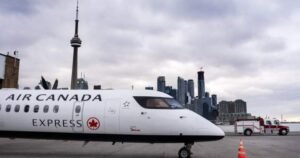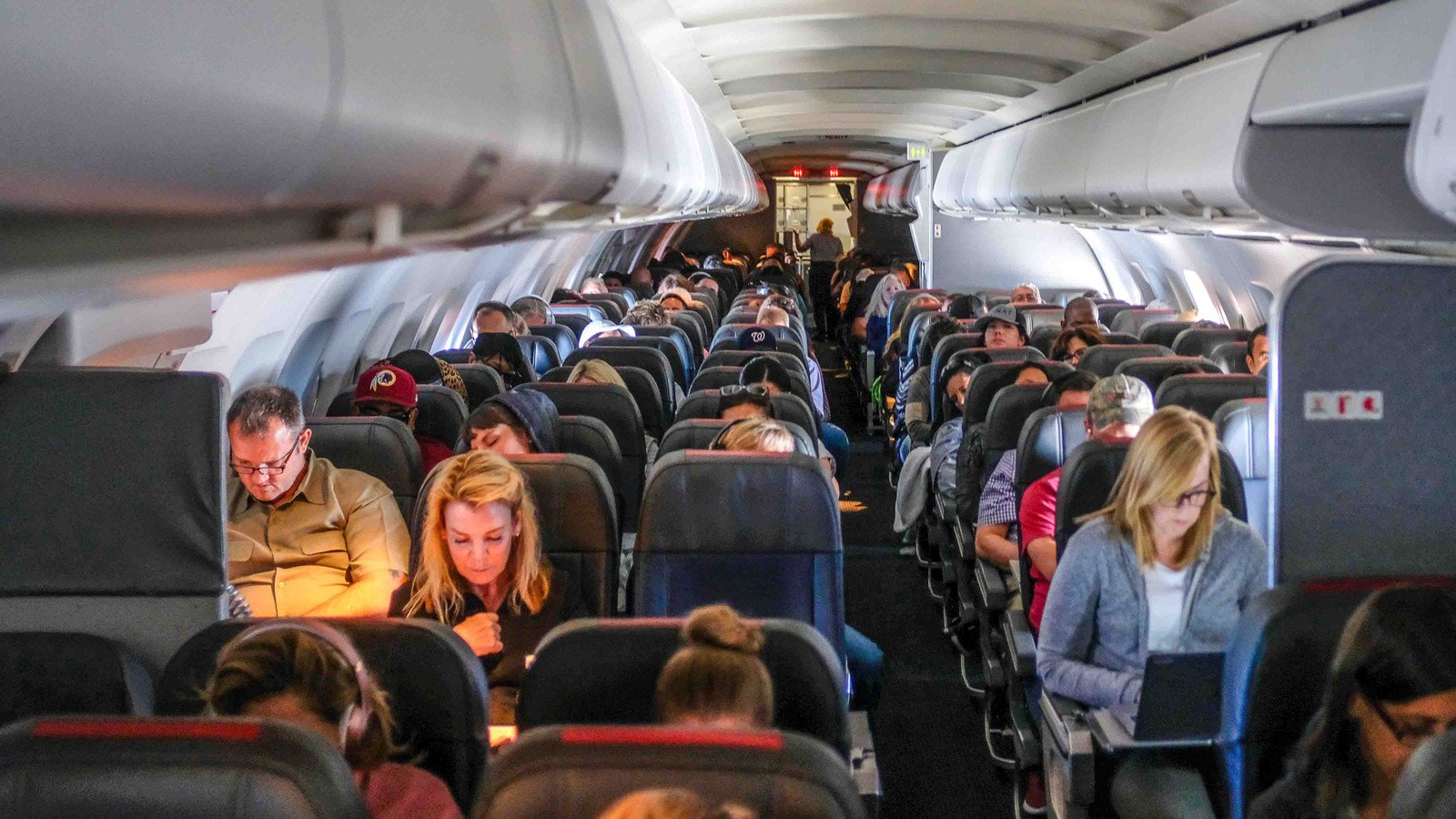
An American Airlines (AA) flight bound for Philadelphia was diverted to Dublin following a midair medical incident involving multiple crew members. While a carrier’s utmost priority is the safety of everyone on board, AA may also face financial consequences approaching $200,000 under European passenger rights rules.
Aviation insider JonNYC posted on X (formerly Twitter) that six of nine flight attendants felt dizzy, although he subsequently said this was “100% unconfirmed.”
On the other hand, a spokesperson for the airline confirmed that the disruption was due to the “reported odor onboard,” but did not provide further details regarding the incident.
American Airlines Passenger May Be Compensated $200,000 For Disrupted Flight
With their transatlantic journey being disrupted due to several American Airlines flight attendants needing medical help, passengers may qualify for compensation under the European Union’s EC 261 compensation regulations. This requires airlines to pay travelers for lengthy delays unless the disruption was caused by extraordinary circumstances.
According to EC 261, passengers may claim up to €600 ($682 USD) in cash compensation, especially when the flight landed at least four hours late. Although American Airlines is a U.S. airline, Flight AA719 departed from Rome Fiumicino Leonardo da Vinci International Airport (FCO) in Italy, a member state of the European Union.
EU air passenger rights apply when:
|
A flight is within the EU and is operated either by an EU or a non-EU airline. |
|
A flight arrives in the EU from outside the EU and is operated by an EU airline. |
|
A flight departs from the EU to a non-EU country operated by an EU or a non-EU airline. |
|
If passengers have not already received benefits (compensation, re-routing, assistance from the airline) for flight-related problems for this journey under the relevant law of a non-EU country. |
Gary Leff of ViewFromTheWing said that AA may shell out $194,370 in cash, with 285 seats on a full aircraft at $682 per passenger. However, this won’t be as easy, especially when passengers have to go through a first-level objection, or when AA can “establish extraordinary circumstances.”
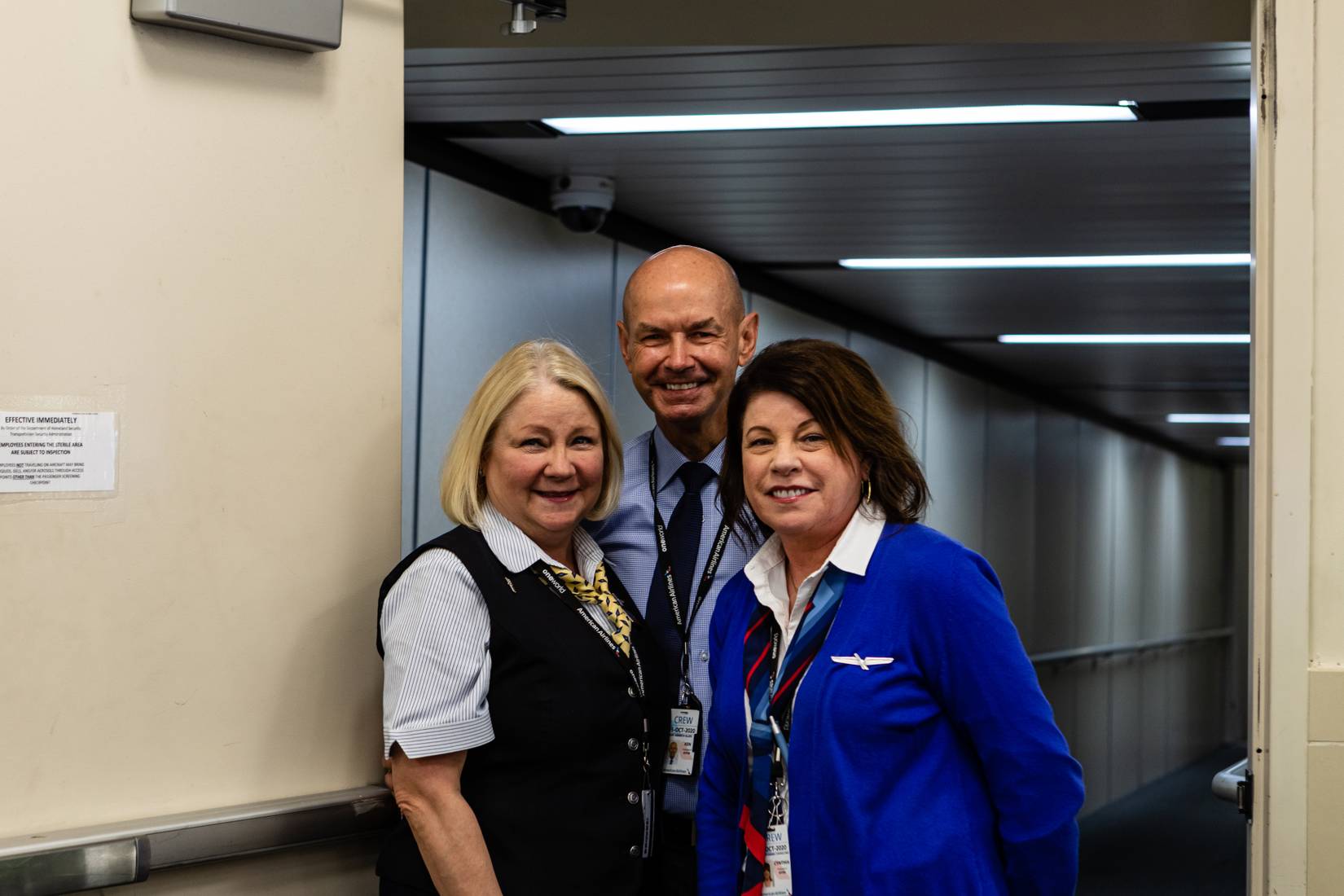
According to the EU, passengers should see a printed or electronic notice clearly displayed at the airport check-in desk, at check-in kiosks and online, informing them of their EU air passenger rights.
“If you are denied boarding, your flight is canceled, you experience a delay of more than 2 hours at departure, or you arrive with a long delay at your final destination, the airline must give you a written notice setting out the rules for compensation and assistance,” the EU explained.
The European Court of Justice has ruled that the sudden illness or even death of a pilot or flight attendant who needed to operate a flight does not automatically qualify as an “extraordinary circumstance” under EU passenger rights rules.
Instead, it is considered among the normal operational risks carriers are expected to handle and manage, meaning they do not necessarily relieve an airline of its obligation to compensate passengers.
TheTravel reached out to American Airlines for comment, but did not receive a response by the time of publication.
What Possibly Made American Airlines Flight Attendants Get Sick Onboard
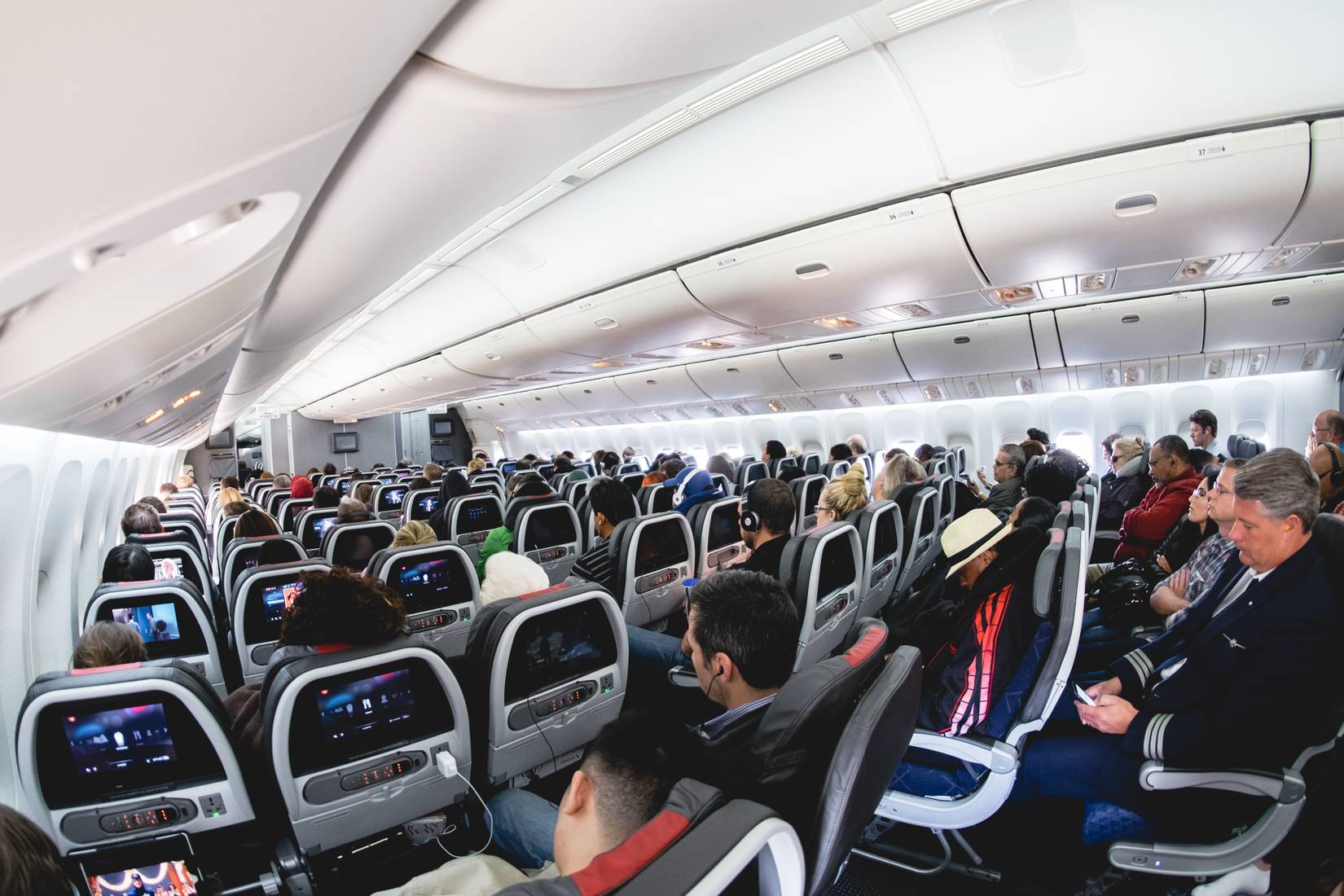
American Airlines has faced operational challenges in recent months, such as passenger complaints and flight disruptions. Just this weekend, AA canceled almost 2,000 flights worldwide, including hundreds of overseas trips. This happened after two AA flight attendants were injured on Flight 174 due to severe turbulence, and had to divert to JFK.
However, the incident involving six FAs getting sick at once was out of the ordinary. AA’s spokesperson did not detail what transpired on Flight AA719, citing only an “odor onboard.” JonNYC noted on X that one individual said “they felt decompression and lower oxygen levels” in front of the aircraft.
American Airlines confirmed to SimpleFlying that the flight attendants and one affected customer were met by emergency medical teams at the gate, and were evaluated before they were released.
Some aviation experts believe it wasn’t a food issue or infectious disease that made the crew sick. It could be faulty air conditioning packs that supply air into the cabin.
PaddleYourOwnKanoo suggested that if “even one of these packs stops working, the levels of oxygen in the cabin can drop to the point that passengers and crew could start feeling the early symptoms of hypoxia.”
While it doesn’t trigger “a depressurization emergency,” it is enough to make passengers “start feeling dizzy, light-headed, and potentially even clumsy and euphoric.”
In November, a mysterious smell onboard an American Airlines flight also caused some passengers and crew members to get hospitalized, after “reported fumes in the flight deck and cabin.”
What The American Airlines Flight Attendants’ Sudden Illness Onboard Means For Travelers
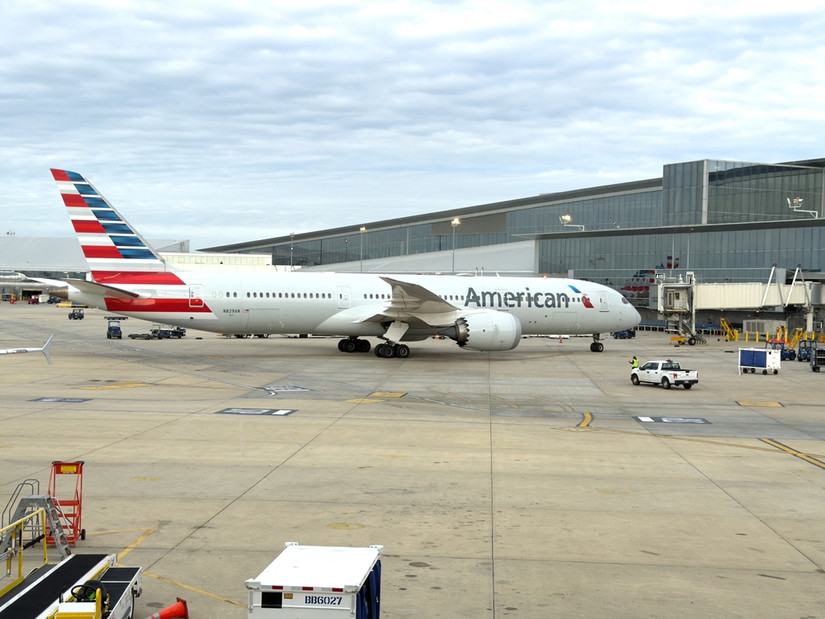
While flight diversions are common, especially when passengers are involved, sudden illnesses affecting multiple crew members can also cause disruptions.
Federal aviation regulations require airlines to have enough crew members on board, and if multiple flight attendants get sick at once, pilots need to divert the flight, as it is no longer safe to operate the aircraft.
Due to these emergency flight diversions, travelers should be prepared ahead of their flight, and plan accordingly for unexpected disruptions, such as medical emergencies, especially when crew members are involved, as well as weather conditions and mechanical issues.
Travelers should also review their passenger rights and consumer protections, just as happened with Flight AA719, which departed from the EU, as they may be eligible for cash compensation under the European Union’s EC 261 compensation regulations, if the disruption meets the law’s requirements.