There are plenty of small discomforts passengers expect when they board a packed flight — a tight row, a late departure, or maybe a neighbor who takes both armrests.
But a seat soaked with someone else’s vomit is a nightmare scenario for many travelers. It is also something most would consider entirely unacceptable.
American Airlines has faced two separate public complaints recently on X, formerly known as Twitter, from passengers who said they were assigned seats contaminated with bodily fluid. The posts spread because the alleged issue is perceived as something much worse than an involuntary downgrade or a minor cabin mess. These are basic sanitation complaints, and American has responded publicly to both passengers in the comments.
TheTravel has reached out to American Airlines for comment on its standard procedure for incidents involving bodily fluids and the options passengers have in similar scenarios.
Passengers Said American Airlines Assigned Them Seats Contaminated With Vomit
The first X post accused American Airlines of seating a passenger in a vomit-contaminated area. American’s official account responded to the post, a sign that the complaint had reached the airline’s social care team.
Another post described a separate American Airlines bodily-fluid seat incident. That account appears to track with the Reddit story TheTravel covered previously, in which a passenger said he and his pregnant wife discovered vomit in their seats, then had to remain in the area after attempts to clean it failed.
In both cases, the passengers allege their seats were contaminated, and they weren’t moved to a clean seat or given suitable alternatives.
American has not issued a public statement about the two posts or yet responded to TheTravel’s request for comment, as of the time of publication. However, the company’s replies on X show the airline was at least engaging with the complaints directly.
The problem with incidents like this is that a flight can be technically operable while a specific seat is not fit for a passenger. If the cabin is full, that creates a difficult operational decision: delay the plane for proper cleaning, move the passenger (if possible), remove the seat from service, rebook the traveler, or ask someone to sit in a contaminated seat.
The complaints follow other high-profile cabin biohazard incidents
Airline cleanliness complaints aren’t new, but bodily-fluid cases tend to garner a lot of attention because they’re easy for travelers to empathize with. Few passengers need much explanation for why a wet seatbelt, vomit odor, or contaminated cushion is unacceptable for a passenger.
Air Canada faced a similar backlash in 2023 after two passengers said they were removed from a Las Vegas-to-Montreal flight after they complained about seats that had allegedly been smeared with vomit from a previous flight. The airline later apologized, saying the passengers “clearly did not receive the standard of care to which they were entitled,” according to AP News.
That same year, a Delta Air Lines flight from Atlanta to Barcelona turned around after a passenger had what the pilot described as a “biohazard issue,” with diarrhea reportedly spread through the aircraft. The Guardian reported that maintenance crews spent hours cleaning the Airbus A350 after it returned.
Delta has also been scrutinized for a vomit-related incident that brought up concern over why some flights seemed to be missing sick bags from the seatback pockets.
Those cases are more extreme than routine cabin grime, but they show the operational problem airlines face when bodily fluids enter the cabin. Tight aircraft turnarounds leave crews with little time to deal with it, while full flights leave few empty seats as alternatives. A delay can also disrupt hundreds of connections.
But none of that changes the passenger experience. If the seat is wet, stained, or smells like vomit, the flight is no longer just uncomfortable. It’s a sanitation problem.
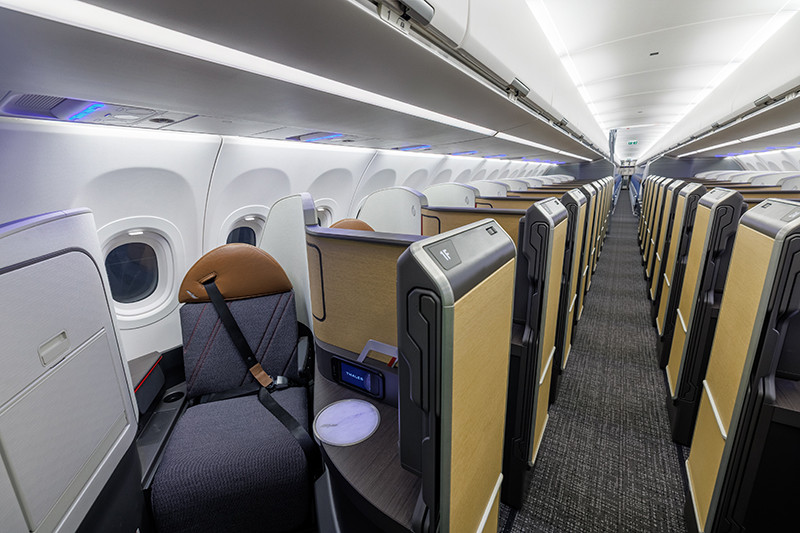
American Airlines has previously said its aircraft are cleaned before every flight, including high-touch areas such as seat buckles, bin handles, seats, and tray tables. The airline also said there is a more thorough deep cleaning of every aircraft each night.
That kind of policy sounds reassuring until a passenger alleges that the system failed and their seat is still in the contaminated area.
The CDC’s norovirus prevention guidance is not written specifically for airline cabins, but it provides useful public health context about these stories. After someone vomits or has diarrhea, the CDC advises cleaning and disinfecting the entire affected area immediately, using gloves, paper towels, a plastic trash bag, and a bleach solution or EPA-registered disinfectant effective against norovirus.
But an airplane seat isn’t smooth like a kitchen counter. Soft cushions, seatbelts, seams, carpet, and metal hardware can make cleanup harder. That’s exactly why passengers react so strongly when they believe vomit has not been removed or disinfected properly before boarding.
There’s also a difference between masking an odor and cleaning a biohazard. Perfume, coffee grounds, napkins, or a quick spray may temporarily mask odors. They don’t answer the larger question of whether the contaminated area is actually safe and usable.
Why these stories hit a nerve
The anger around these posts isn’t just about American Airlines’ cleanup policy. It is about the power imbalance passengers feel once they’re already on the plane.
A passenger assigned to a contaminated seat may have very little leverage. Refusing to sit could mean missing a connection, delaying the flight, or being removed from the aircraft, as the Air Canada passengers on the Las Vegas-to-Montreal flight were. Sitting in the contaminated seat can feel like accepting a situation no one should have to accept.
That’s why bodily-fluid complaints go viral so quickly online. The scenario is easy to understand, and it’s hard to side with the airline over the affected passengers.
|
What commenters had to say on a related Reddit post |
|---|
|
“We would have deplaned. Sorry this happened to ya.” |
|
“Unfortunately I think agreeing to sit in the vomit patch will limit the compensation you might get. If you refused to take the flight the airline might be more sympathetic. Not saying it’s right… but I know that’s how they operate.” |
|
“Ask for a CRO and inform cabin crew of your intentions to deplane. Also let them know you have checked luggage.” |
|
“No way I would have sat there. I would have asked to be rebooked and compensated. That’s a major biohazard especially for your pregnant wife.” |
|
“if there are people defending the airline in here, i dont know what kind of story would have unanimous support lmfao.” |
American should be given the chance to respond to the specific allegations. Social media posts don’t always show the full story, and flight crews may have been trying to manage a difficult situation under time pressure.
But the standard passengers expect in this instance isn’t complicated, either. If a seat is visibly contaminated with vomit or another bodily fluid, it should not be treated as a normal seat assignment.
For travelers, the best protection is a clearly documented complaint before departure. For airlines, the answer is even simpler: clean it properly, move the passenger, or do not fly someone in that seat.
What Passengers Can Realistically Ask For In Similar Situations
A contaminated seat doesn’t fall neatly into the same bucket as a canceled flight or lost bag.
The Department of Transportation’s automatic refund rule is clear when an airline cancels or significantly changes a flight, and the passenger does not accept the alternative. DOT also says passengers are entitled to refunds for paid extra services, such as Wi-Fi or seat selection, if the airline does not provide the service.
But a bodily-fluid seat complaint is murkier. If the passenger still takes the flight, the airline may not automatically owe a full ticket refund under the rules that apply to cancellations or major schedule changes. But a passenger who paid for a specific seat, extra-legroom seat, preferred seat, or premium cabin and then could not use it as sold may have a stronger claim for at least that fee or a service-related refund.
Before takeoff, passengers facing a similar issue should document and escalate.
Passengers who find vomit, urine, blood, feces, or any other bodily fluid on or around a seat should speak up before sitting down, if possible. Tell a flight attendant immediately, and take photos or video. Ask whether the seat can be properly cleaned, whether another seat is available, or whether a gate agent or supervisor can come onboard while the aircraft is still at the gate.
If the crew says the flight is full, ask what options exist before departure. That may include moving to another cabin, waiting for proper cleaning, being rebooked, or receiving written confirmation of the issue for a later complaint.
Travelers should write down the flight number, date, route, seat number, names or descriptions of employees involved, and what was said. If an employee says the airline cannot move the passenger or delay the flight, note that too.
After the trip, file a written complaint with the air carrier and include the photos, boarding pass, seat receipt, and any screenshots of customer-service replies. DOT says passengers can file a complaint with its Office of Aviation Consumer Protection if they can’t resolve an air-service issue with the airline. DOT also requires airlines to acknowledge consumer complaints within 30 days and send written responses within 60 days.