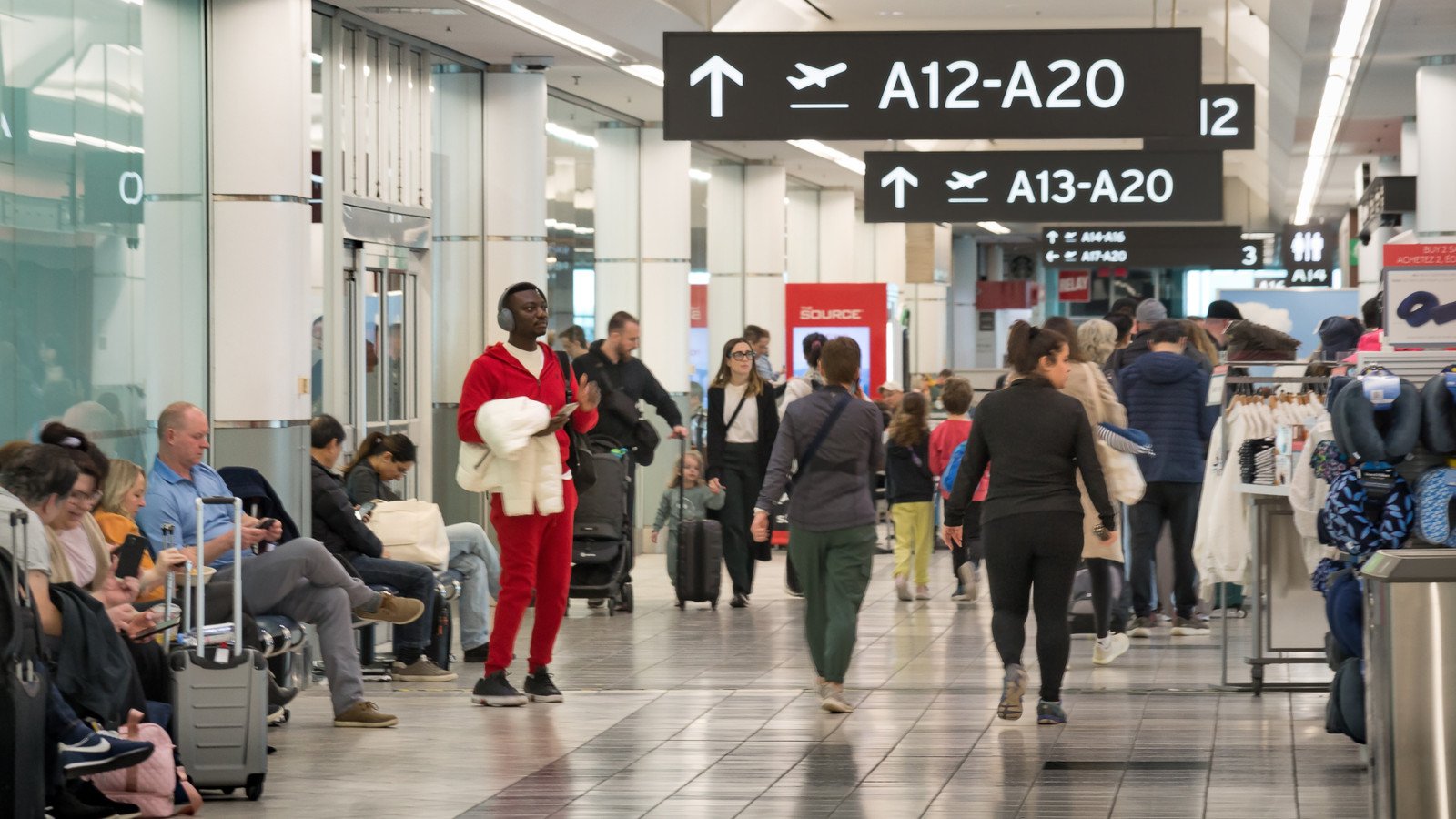
Recent Ebola outbreaks have prompted governments worldwide to introduce stricter health screenings and quarantine requirements for international arrivals. But Canada is going one step further by temporarily preventing some foreign nationals from entering the country, even though federal health officials currently consider the risk to people in Canada low.
Canadian officials argue that limiting arrivals will help protect the public, as the spread of Ebola becomes harder to control across the Democratic Republic of the Congo. However, the decision goes against guidance from the World Health Organization (WHO), which has warned that travel restrictions can potentially have the opposite intended effect.
Here’s who is affected by the ban and what the WHO says about it.
Canada Blocks Some Foreign Nationals Following Ebola Outbreak
On July 20 at 11:59 p.m. EDT, Canada put its new restriction in place. The Public Health Agency of Canada (PHAC) states that foreign nationals who visited the Democratic Republic of the Congo (DRC) in the past 21 days are temporarily barred from entering the country. Airlines must also prevent affected passengers from boarding flights to Canada.
The restriction will remain in place until August 29 at 11:59 p.m. EDT, but there are several exceptions. Canada’s border guidance states that crew members, certain diplomats and government officials, and people invited to assist with the Ebola response may still be able to enter. However, some travelers must obtain an exemption letter before boarding their flight.
Who Is Exempt From Canada’s Ebola Entry Ban?
|
Traveler Category |
Exemption Letter Required? |
|---|---|
|
Canadian citizens and permanent residents |
No |
|
People registered under the Indian Act |
No |
|
Crew members on a plane, ship, or train |
No |
|
Travelers entering Canada solely to become crew members |
No |
|
Accredited diplomats, consular officers, and representatives or officials of foreign governments, the UN, UN agencies, or eligible intergovernmental organizations |
Yes |
|
Immediate family members of eligible diplomats, consular officers, representatives, or officials |
Yes |
|
People invited by Canada’s health minister to assist with the Ebola response |
Yes |
|
Members of visiting military forces entering Canada to perform official duties |
Yes |
|
People entering to provide medical care |
Yes |
|
People transporting or collecting essential medical equipment, supplies, or treatments |
Yes |
|
People delivering, installing, maintaining, or repairing medically necessary equipment or devices |
Yes |
|
People whom the health minister determines do not pose a significant public-health risk or should enter in the national interest |
Yes |
Canadian citizens, permanent residents, and travelers registered under the Indian Act can still return after visiting the DRC, Uganda, or South Sudan. These travelers will receive a health assessment upon arrival and must quarantine for 21 days.
Why Canada Is Escalating Its Response To Ebola
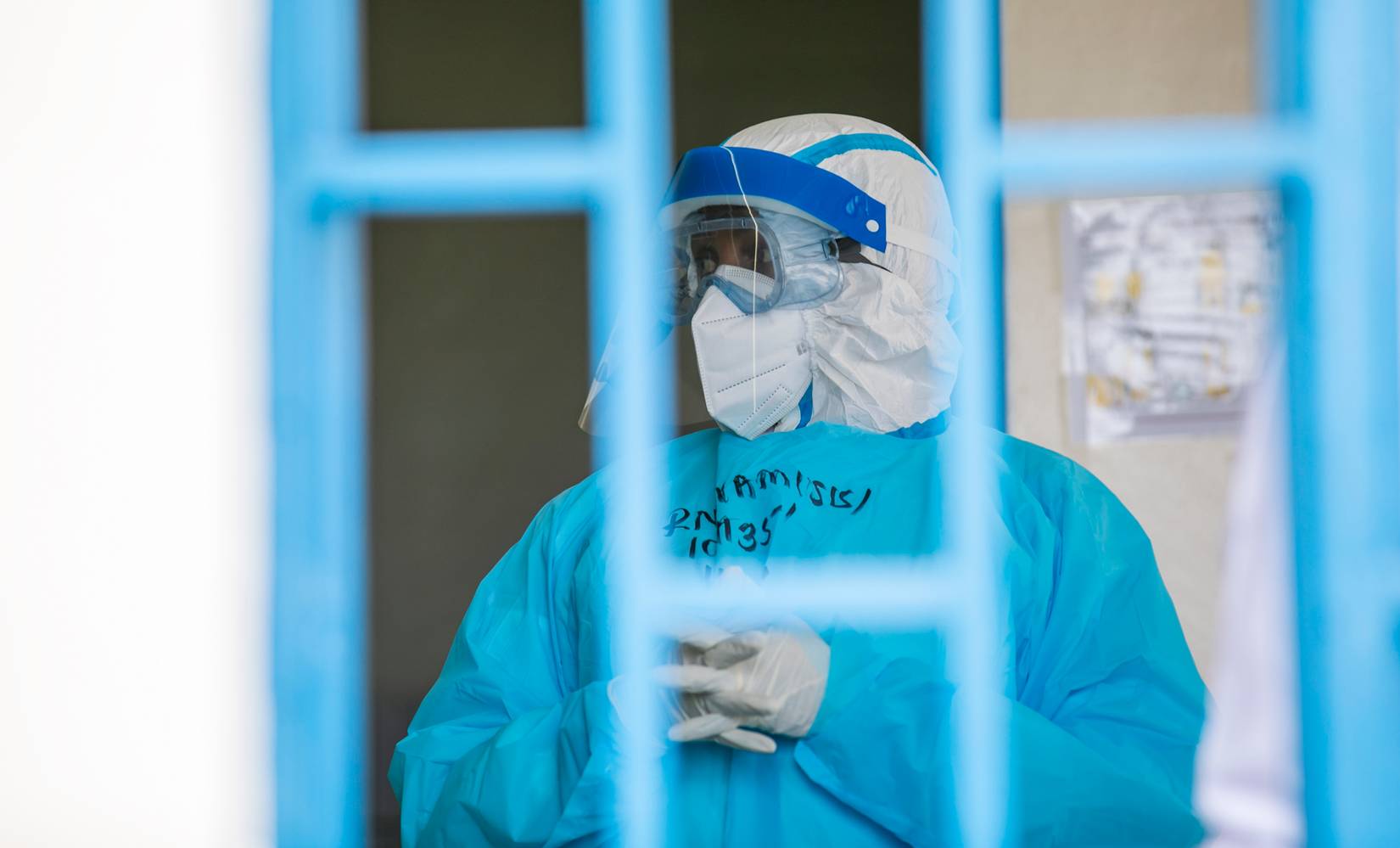
Canada’s new restrictions come as the DRC continues to battle what the WHO has described as the “third-largest Ebola outbreak on record.” The DRC declared the outbreak on May 15 after officials confirmed cases involving the Bundibugyo species of Ebola, which has no approved vaccine or treatment.
According to the WHO’s latest outbreak update, the DRC has recorded 2,423 confirmed cases and 967 deaths as of July 19. These numbers have significantly increased since July 1, when the agency reported 1,460 confirmed cases and 452 deaths.
Canada had already introduced Ebola-related border restrictions on May 30. Travelers arriving after spending time in the DRC, Uganda, or South Sudan were required to undergo a health assessment and quarantine for 21 days. However, the rapid growth of the outbreak in the DRC prompted the government to take further action.
The PHAC said the decision was made to reduce the possibility of Ebola entering and spreading within Canada.
“Limiting entry of foreign nationals who have been in the DRC in the previous 21 days may reduce public health risks for Canadians and is intended to increase the effectiveness and sustainability of border measures that can safely process travellers arriving in Canada, including our returning humanitarian workers,” the agency’s website states.
Nonetheless, Canada’s decision has attracted criticism from international health authorities, which warn that travel restrictions may create additional problems without significantly reducing the risk of Ebola spreading.
The WHO Warns Travel Bans Could Make Ebola Harder To Contain
Despite the growing number of cases, the WHO doesn’t recommend closing borders or imposing travel bans on the DRC. The agency argues that the risk of Ebola spreading internationally is low and that such policies can lead to new containment obstacles.
Stigma can make people more reluctant to report possible exposure, seek medical care, or cooperate with contact tracers. Travel restrictions may also disrupt trade and make it more difficult for humanitarian workers, medical supplies, and other resources to reach communities fighting the outbreak.
“WHO does not recommend travel restrictions… People from affected regions and African communities have faced unfair suspicion. The spread of Ebola is not determined by nationality or ethnicity. Stigma discourages people from seeking care and can make outbreaks harder to control,” it wrote in a news release.
Canada’s current approach appears to differ from the WHO’s recommendation, although it’s not the only country to introduce Ebola-related entry restrictions.
The United States introduced similar measures during the current outbreak. An updated July 13 CDC order temporarily bars certain non-U.S. citizens who have been in the DRC, Uganda, or South Sudan within the previous 21 days. The restriction, which includes lawful permanent residents, remains in effect through August 12.
For now, travelers who have recently traveled to the DRC will need to review the rules carefully before making plans for Canada or the U.S. With the restrictions scheduled to expire in August, the coming weeks will reveal whether officials extend them, modify them, or return to less restrictive screening measures.