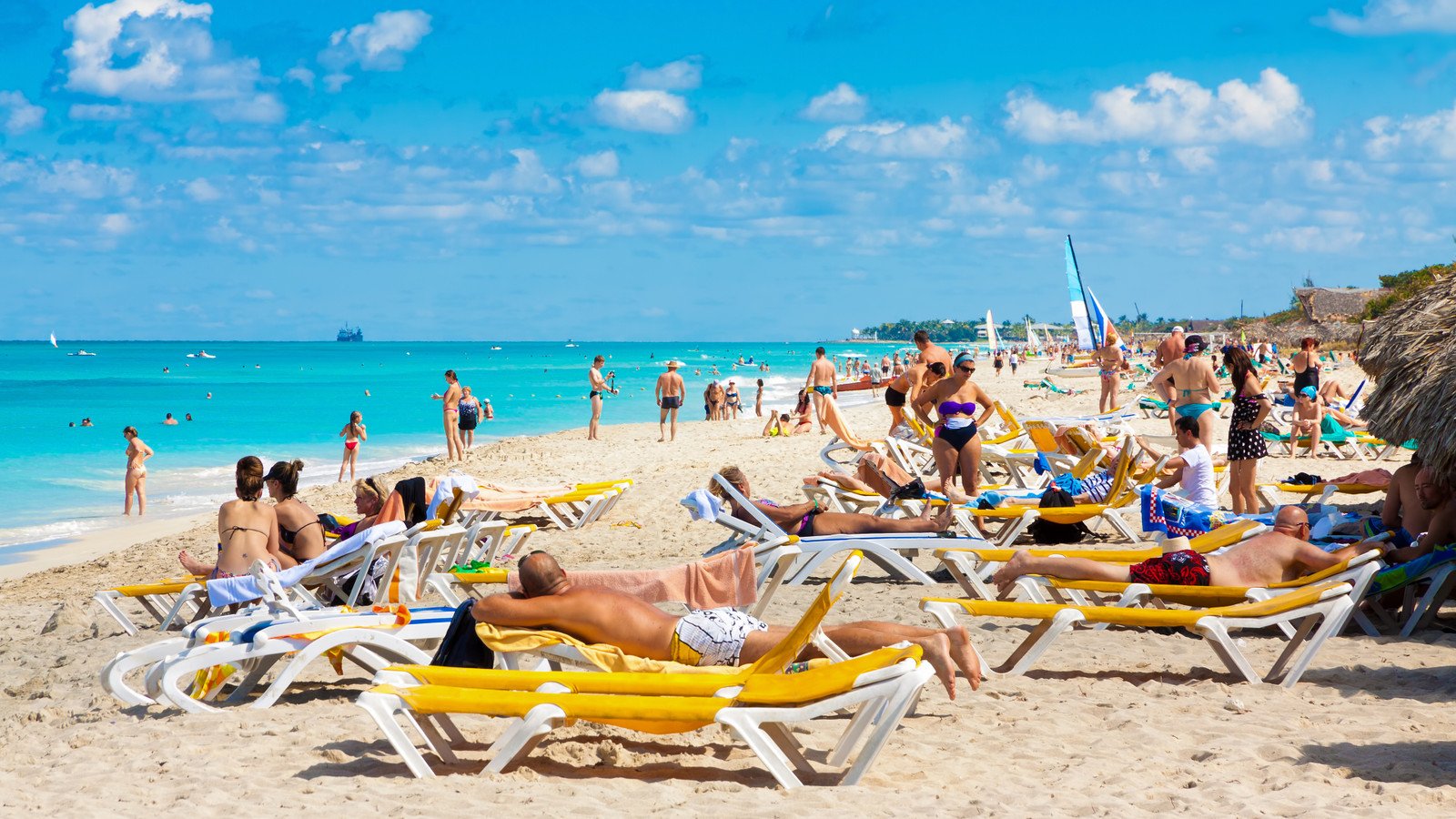
The Government of Canada has updated its “Avoid non-essential travel” advisory for Cuba, which was aiming to welcome 1 million Canadian visitors this year, before the U.S. imposed a fuel blockade on the Caribbean nation in January. With nationwide blackouts and acute shortages of essential supplies, Cuba’s tourism industry is already at near “total paralysis.”
However, Canada’s new travel warning for Cuba highlights another side to the crisis that particularly puts foreigners at “increased risk.” This alert comes as about 360,000 international travelers continued to visit Cuba during the first five months of 2026, despite marking a 58% decline blamed on the U.S.
Canada Updates “Avoid Non-Essential Travel” Advisory For Cuba With Crime Warning
On July 30, Global Affairs Canada added new safety information to its Level 3 travel advisory for Cuba, warning foreigners that they may be at “increased risk of opportunistic crimes.” This is due to Cuba’s deteriorating local security amid severe economic pressures, shortages of fuel and basic necessities, as well as prolonged daily blackouts.
The Canadian government cautions that these infrastructure issues may affect the ability of police and emergency services to respond immediately to incidents. Travelers are then urged not to rely solely on their cell phone for emergencies, as Canadian mobile networks may not work across the island nation, even in large cities.
Additionally, internet access is limited across the island nation, with access to social media potentially being blocked or restricted during or ahead of civil unrest or demonstrations. To maintain connections with your loved ones back home, the Canadian government recommends installing a VPN service before heading to Cuba, and to keep both digital and physical copies of your emergency contacts’ details.
What Travelers Should Expect When Visiting Cuba In 2026
The Canadian government’s official travel advice for Cuba underscores heightened safety threats for international travelers, as crime and volatility worsen alongside the economic collapse, including the following:
|
Petty Crime |
Pickpocketing, bag snatching, theft from hotel rooms/private accommodations |
|
Violent Crime |
Not frequent, though assaults may occur, including burglary or robbery |
|
Sexual Assault |
There have been reports of sexual assault against Canadian women, including at beach resorts |
|
Public Transportation |
Limited due to the fuel shortage; buses and trains may be unreliable, with taxis not equipped with standard safety measures |
|
Fraud |
Scams targeting tourists, using threats or violence; mostly taxis and some businesses charging exorbitant fees |
|
Harassment |
Some individuals, including women, 2SLGBTQI+ persons and members of racialized groups, have been subject to harassment or verbal abuse |
Before the U.S. fuel blockade, tourism served as a major source of foreign earnings for Cuba, with Canadians leading the international arrivals. However, Prime Minister Manuel Marrero Cruz recently revealed the devastating scale of the industry’s crash, confirming that 73% of Cuba’s hotels have closed down.
Cuba’s Tourism Industry Is In Near “Total Paralysis” Amid Tightening U.S. Sanctions
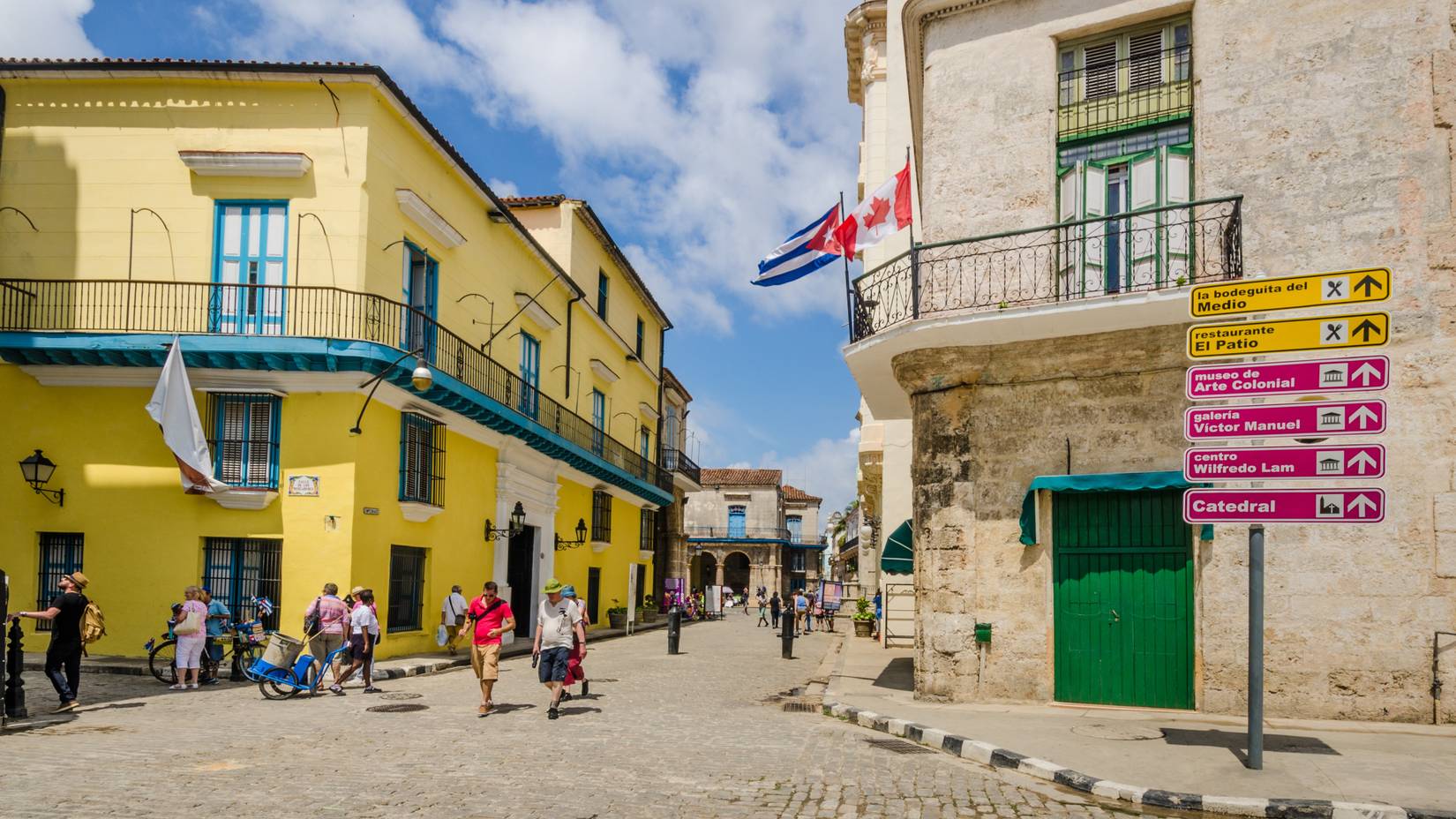
Cuba’s prime minister admitted that the Caribbean nation’s tourism sector is currently facing “almost total paralysis.” Roughly three-quarters of its hotels have shut down, with seven international hotel chains, including major operators like Meliá, Iberostar, and Barceló, completely pulling out from the country. About 25,000 workers are now “in a vulnerable situation.“
According to Cuba’s prime minister, this follows an “already catastrophic 2025” for Cuba’s tourism industry. Last year, the island saw 1.81 million international tourists, which was “the worst figure since 2002 and far below the official target of 2.6 million.”
The unprecedented hotel exodus escalated after the signing of Executive Order 14404 by U.S. President Donald Trump on May 1. The order introduced sweeping secondary sanctions for foreign companies with trade connections to GAESA—the military conglomerate that controls Cuban tourism—to sever ties or be locked out of the U.S. financial system.
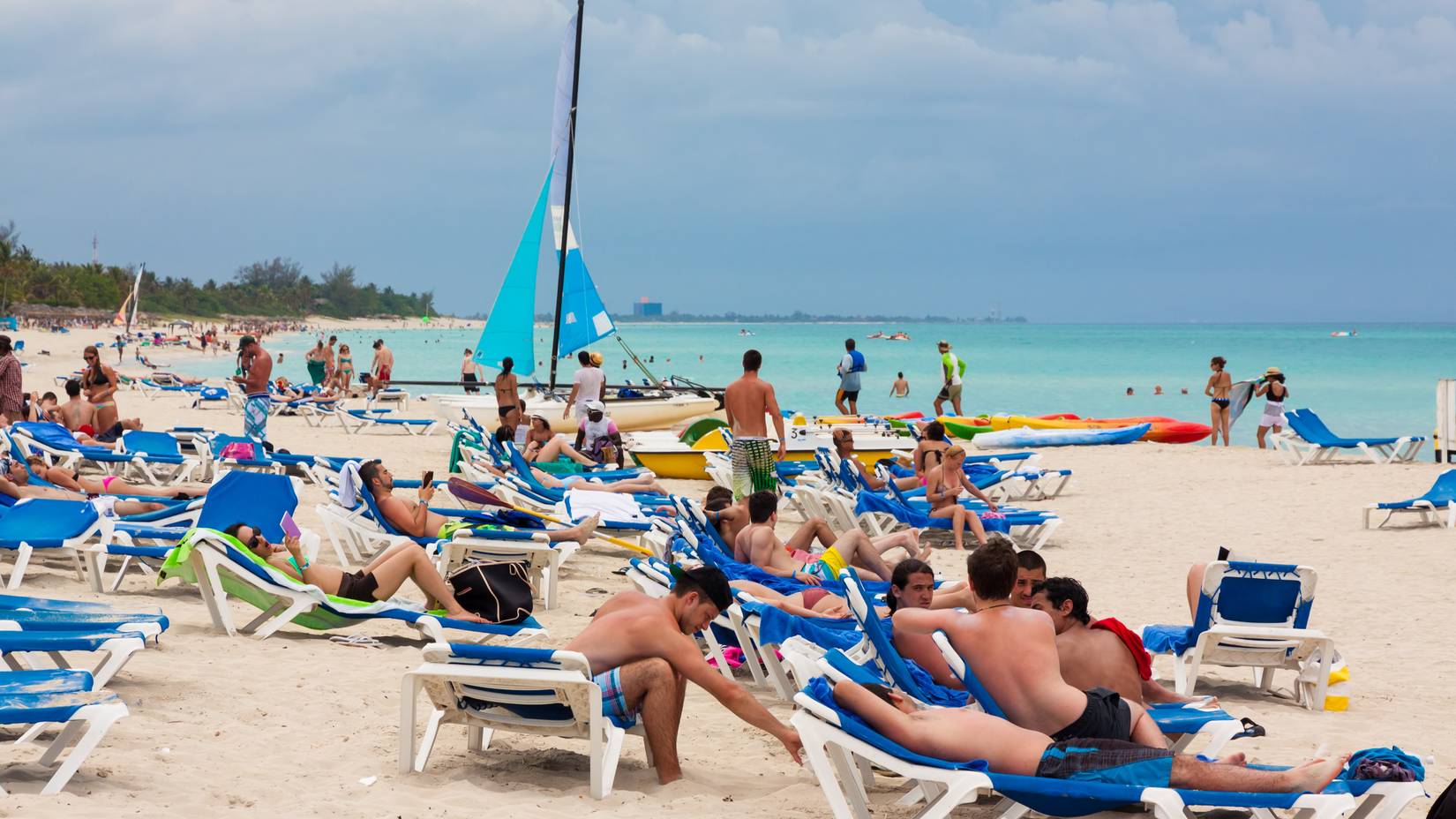
Before the U.S. introduced a strict energy embargo against Cuba in January, the country set a goal to attract 1 million Canadian visitors for the year after receiving 754,010 visitors from Canada in 2025. Canadian arrivals were already up 17% in early January compared to the previous year, but the momentum quickly evaporated amid the deepening fuel crisis and the subsequent suspension of commercial flights.
Canadian Tourists Continue To Skip Cuba
By February, major international airlines had already suspended or adjusted their commercial flights to Cuba, including Air Canada, WestJet, and Air Transat due to a severe jet fuel shortage. Approximately 10,000 Canadians were reportedly left stranded at the time, which sparked a major debate online on “unethical” Cuban vacations.
Some argued that visiting Cuba up to that point was “entitled behavior” while others argued that it was their way of helping the struggling local economy. Ultimately, Canadian tourist arrivals to Cuba dropped by 67.4% in the first five months of 2026, plummeting from 387,396 stopovers in 2025 down to 126,239 during the same period this year.
The Canadian government’s “Avoid non-essential travel” advisory for Cuba, along with extended flight suspensions by major Canadian carriers, finally curtailed tourism to the island. After early warnings were largely ignored late last year and in January, Canadian travelers who used to flock to Cuba’s resorts are now opting for alternatives in the Dominican Republic and Mexico.