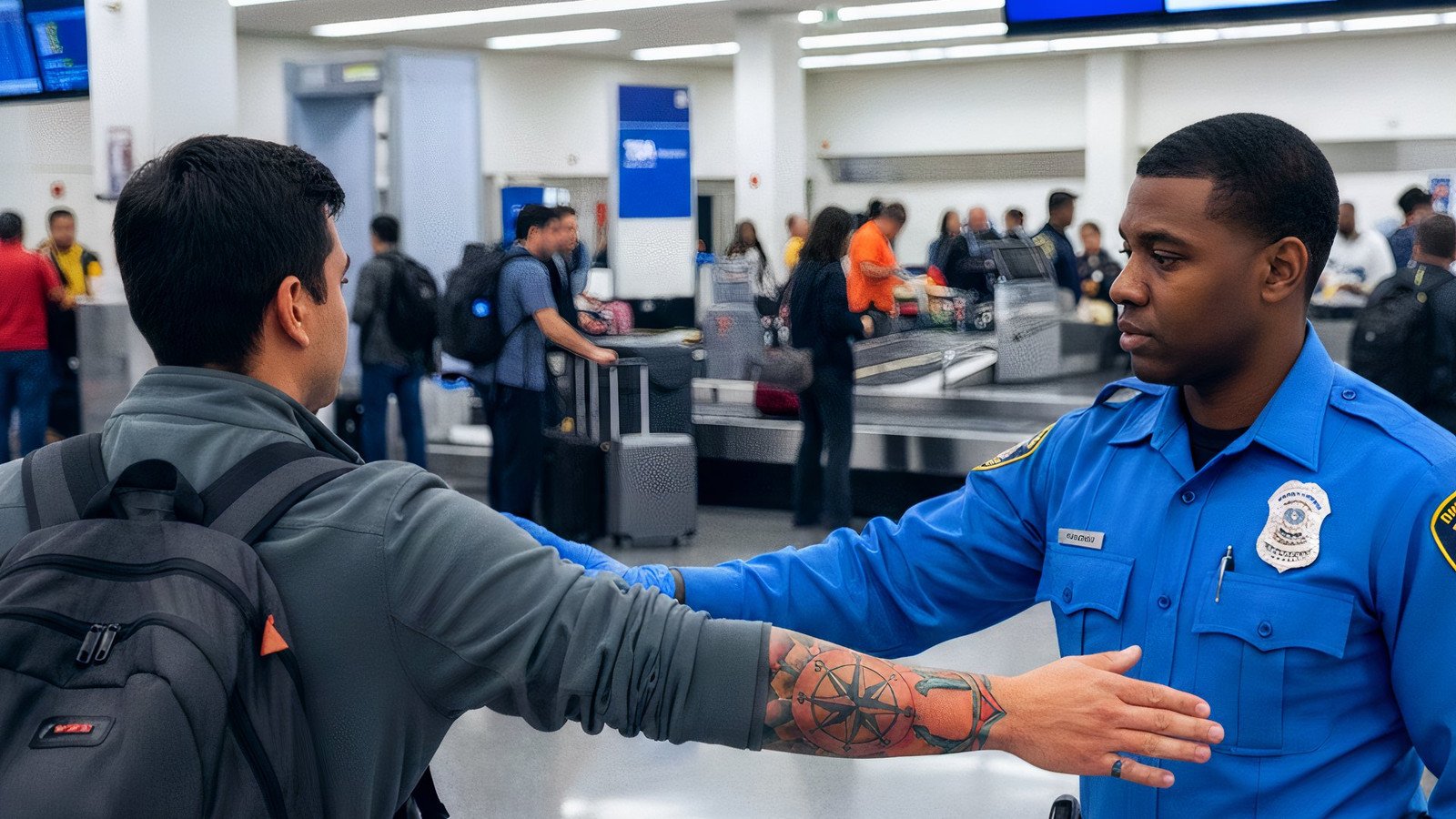
The Transportation Security Administration (TSA) is often in the spotlight when it comes to the unpleasant side of air travel. Transportation Security Officers (TSOs) have earned backlash for patting down a woman after her feminine products set off scanners and for their unusual baggage warnings in response to strange passenger incidents. I recently read an article written by a man who says he always wears long sleeves and pants at the airport to cover his tattoos while going through TSA security.
In the article, he states he took a scientific approach and conducted over 200 tests. These included dozens of flights in the U.S. and seven other countries over several years to see if he was indeed getting stopped because of his tattoos. During these experiments, he traveled with another person who also had a lot of tattoos. While going through airport security, one person would be covered from head to toe, and the other would show their tattoos.
Both passengers made sure to follow all the rules, avoid disruptions, and give no reason for extra screening. Neither traveler had tattoos that could be considered gang-related, criminal, or linked to any terrorist organization.
Note From A Former JFK Officer As I Share My Perspective On Tattoo Profiling By The TSA
I have limited knowledge of airport security in other countries, as I was a TSA officer at JFK Airport. It wasn’t detailed in the article which U.S. airports he went through, or if he visited any of them more than once.
He also doesn’t say how long his experiments went on before he stopped, or how he was going through security when flagged—whether through a metal detector or a full-body scanner.
The author posted a picture of himself showing tattoos on his arms and legs, though it was hard to see exactly what they were. While he state-tested his theory on more than 200 trips, I will only comment on airport security in the U.S. based on my experience working at JFK.
Tattoos Are Not Usually A Red Flag For TSA Officers
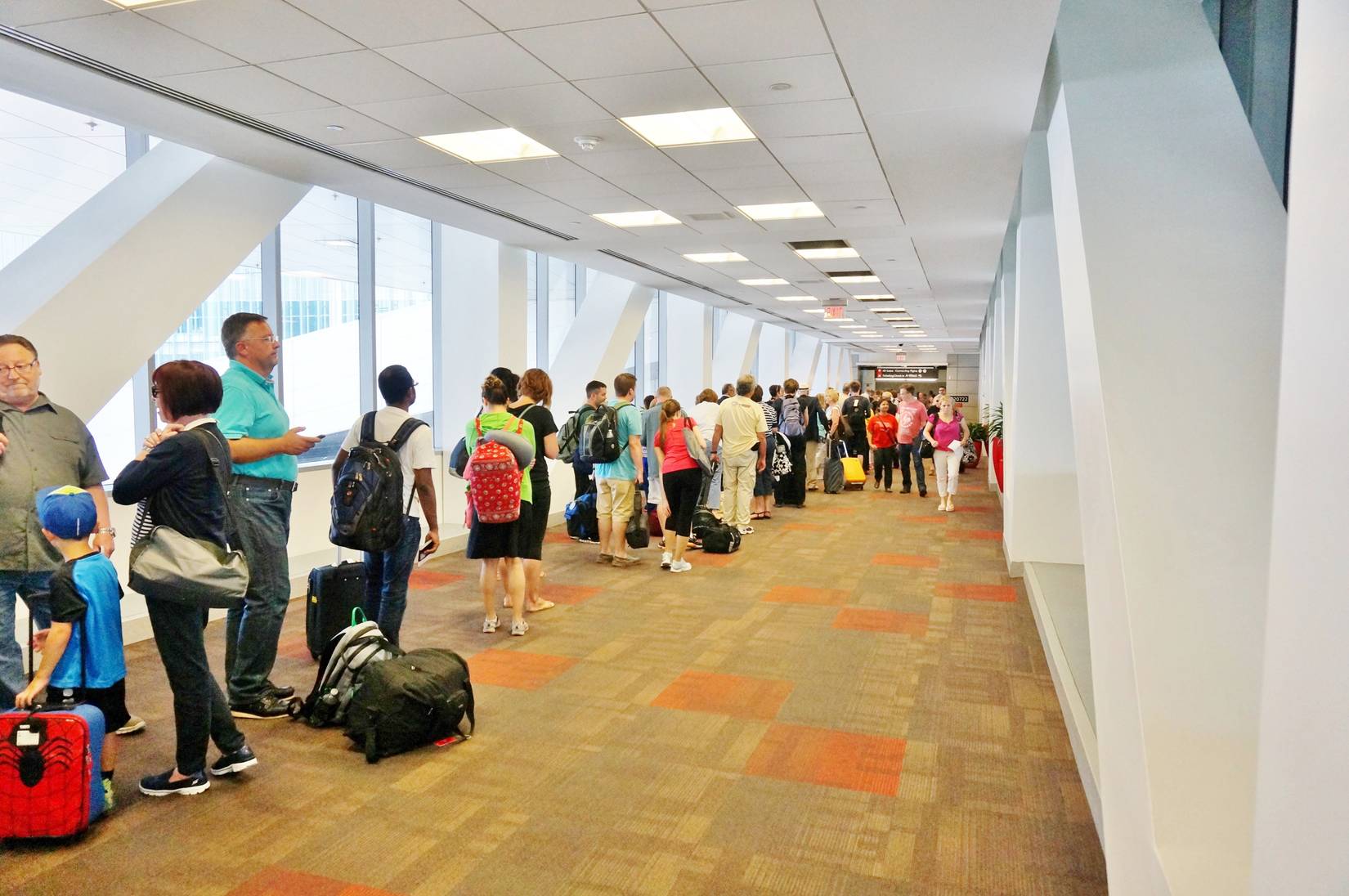
When I worked for the TSA, most of my coworkers were the ones with more tattoos than the passengers. Have you ever seen a TSA officer with a blue sleeve on his/her arm that is separate from their shirt? Those are worn by TSA officers to hide their tattoos. Although the official TSA employee policy is generally strict about covering tattoos, actual enforcement can sometimes vary depending on the airport and local management.
|
Security & Policy Aspect |
TSA Security Screening |
Airline Boarding Policies |
|
Primary Focus |
Passenger safety and threat detection at the checkpoint. |
Guest conduct and dress code compliance on the plane. |
|
Stance on Body Art |
Tattoos are generally neutral and not considered suspicious. |
Tattoos must not be lewd, obscene, or offensive. |
|
Enforcement Actions |
Additional screening or physical pat-downs if scanners alarm. |
Denied boarding or removal from the aircraft by gate staff. |
A TSO would not normally stop an individual because they have tattoos on show. Airlines tend to have their own policies on tattoos, but these are enforced by the specific airline, not the TSA. If your tattoos are obviously very controversial or offensive, you could have a problem. Spirit Airlines, for example, states in its contract of carriage:
“A guest shall not be permitted to board the aircraft or may be required to leave an aircraft if that guest … is barefoot or inadequately clothed (i.e., see-through clothing; not adequately covered; exposed breasts, buttocks, or other private parts), or whose clothing or article, including body art, is lewd, obscene, or offensive in nature.”
Possible Technical Explanations For Scanner Flags
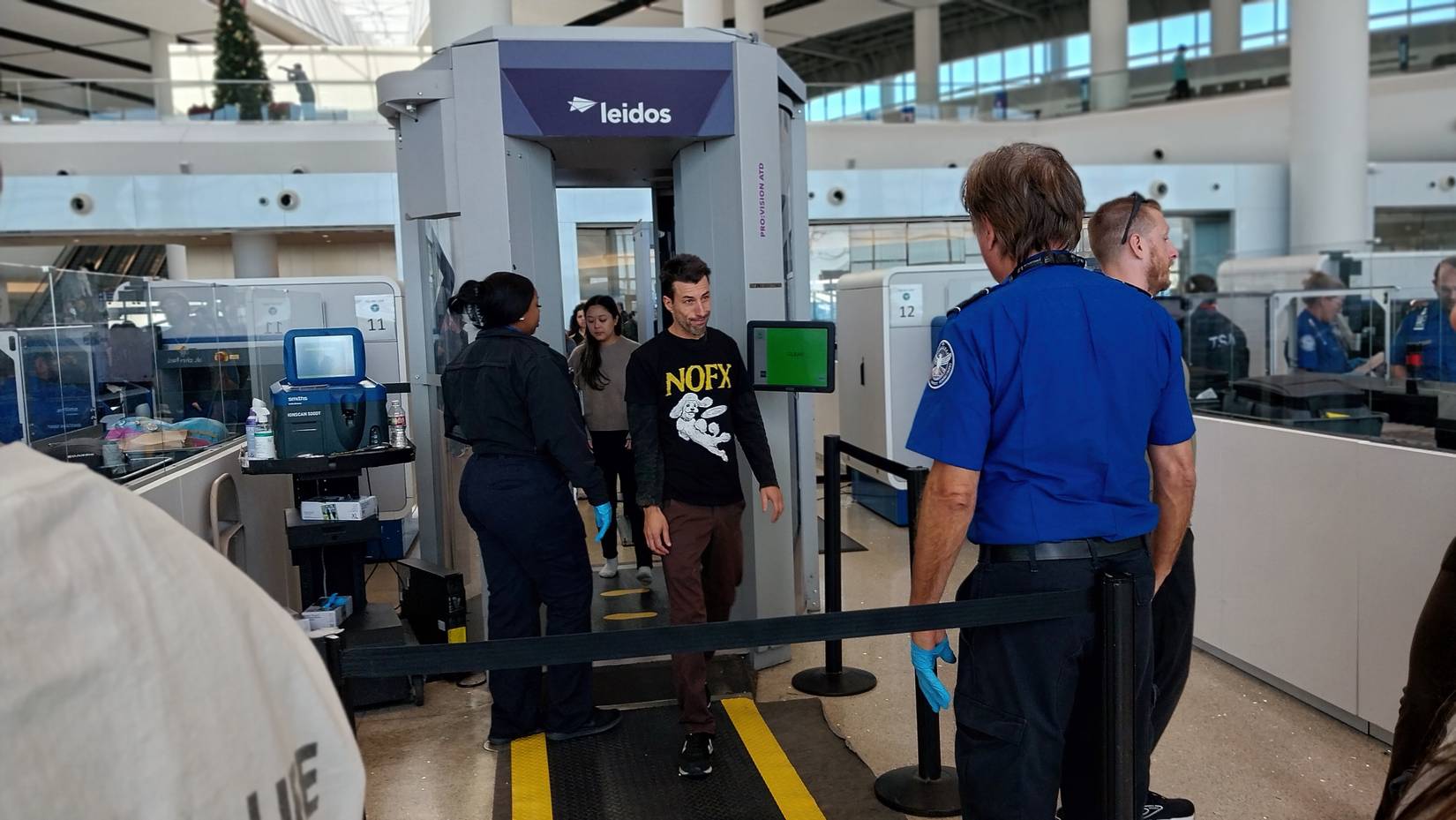
There are a few possible explanations as to why the man in the article would get stopped while going through airport security each time he showed his tattoos:
- Metallic Ink Ingredients: Some tattoo inks can contain metals like titanium, iron, or cobalt that could theoretically trigger the sensors while a passenger with tattoos is going through the full body scanner.
- Tattoo Size and Density: Other tattoos that are large, dark, or dense—especially with dark ink—could also possibly trigger an anomaly in the full body scanner. (The full body scanner is also referred to as AIT—advanced imaging technology.)
TSA Officers Will Notice These Aspects Of Your Appearance
There are certain elements of a passenger’s appearance or items they bring that may increase their chances of being held up at the TSA.
Specific Items That Frequently Trigger Additional Screening
- Body Piercings: Large or multiple piercings can set off metal detectors, and the full-body scanner may flag them as “anomalies.” This is very common and not considered suspicious, just procedural.
- Voluminous Hairstyles: Certain hairstyles, like large buns, braids, or hair wraps, can trigger scanner alerts. TSOs (Transportation Security Officers) may ask to visually inspect the hair or lightly pat the hair or run their hands around it. You can request a private screening for this if you wish. This happens because the scanners on the full-body scan look for hidden objects, not because of the style itself.
- Bulky Clothing Items: Loose, layered, or bulky clothing can trigger scanner alerts. Some examples are long coats, cargo pants, hoodies with large pockets, long flowing dresses or robes, and loose or low-hanging pants. These can obscure the body contours in the scanners and trigger a secondary scan or a pat-down.
- Accessories and Jewelry: Things that frequently trigger alarms and require removal or inspection are chunky necklaces, bangles, and belts with large buckles.
These Are The Things You Should Notify TSA About When It Comes To Your Body
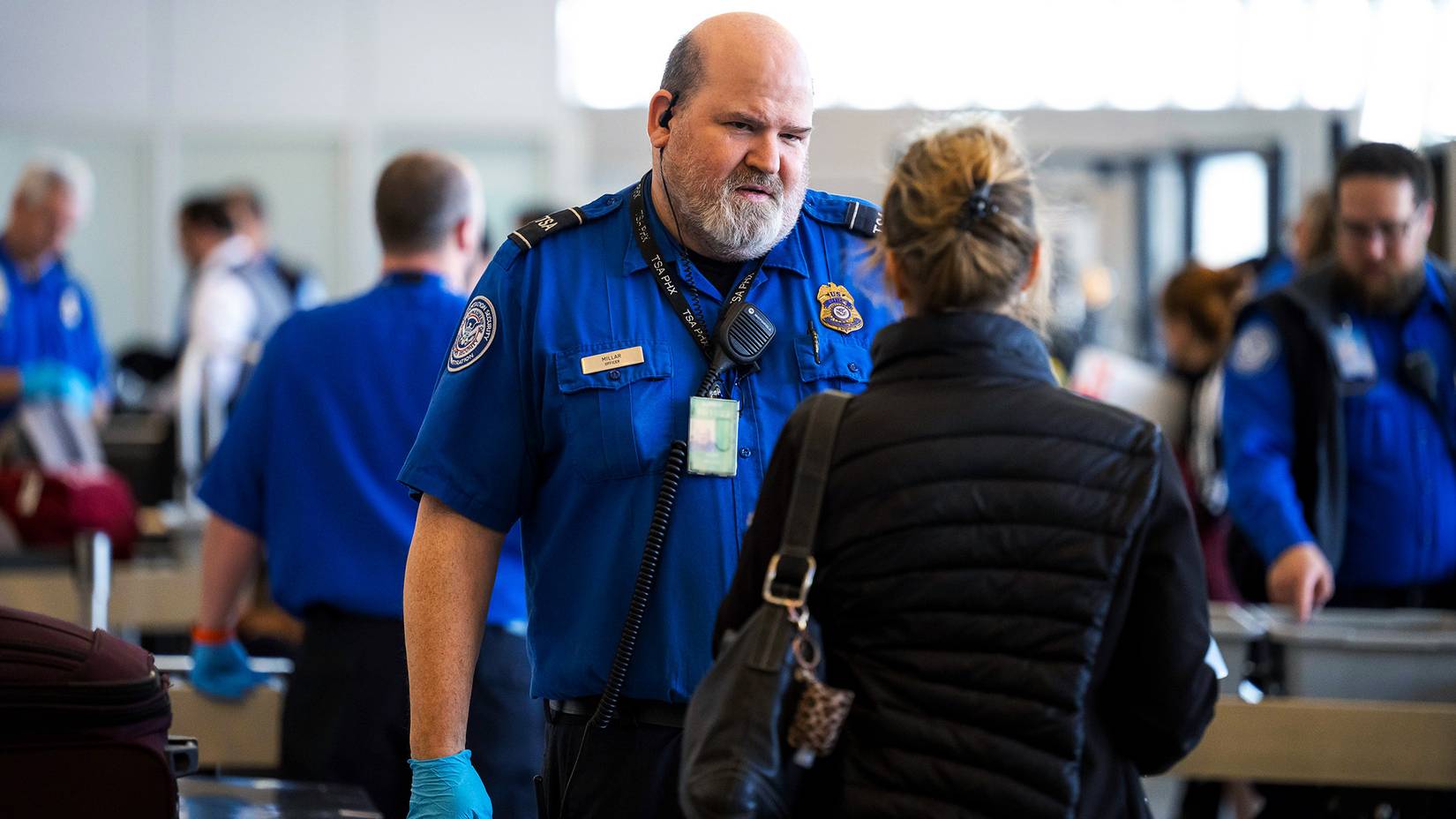
There are several things you should notify the TSA about regarding your body so they can better assist you.
Medical Devices and External Equipment
- Internal Medical Devices: Medical devices like pacemakers, insulin pumps, neurostimulators, medical implants of any kind, cochlear implants, metal plates, rods, screws, or joint replacements.
- Prosthetic and Mobility Aids: Prosthetic limbs, any kind of brace, orthopedic support, compression devices, and wheelchairs, canes, or walkers.
Post-Surgery and Physical Sensitivities
- Recent Surgeries and Medical Dressings: If you are flying after a recent surgery, please let the TSOs know, especially if you have any swelling, bandages, or drainage. If you have a catheter or ostomy bag, or any external medical devices or bandages, please inform the officers.
- Painful Areas or Limited Range of Motion: If you have any areas of your body that are painful when touched, if you have trouble raising your arms, or require special assistance in any way, please let the TSO know.
Final Advice For Passengers Heading Through Security
Although I can’t speak for every TSO, tattoos in general have never been a red flag for me or any of my coworkers when I worked for the TSA at JFK airport. I would always advise passengers to speak with TSOs about their concerns—whether it’s about tattoos, medical devices, or anxiety about going through security. Sometimes communication between the TSO and the passenger is key.