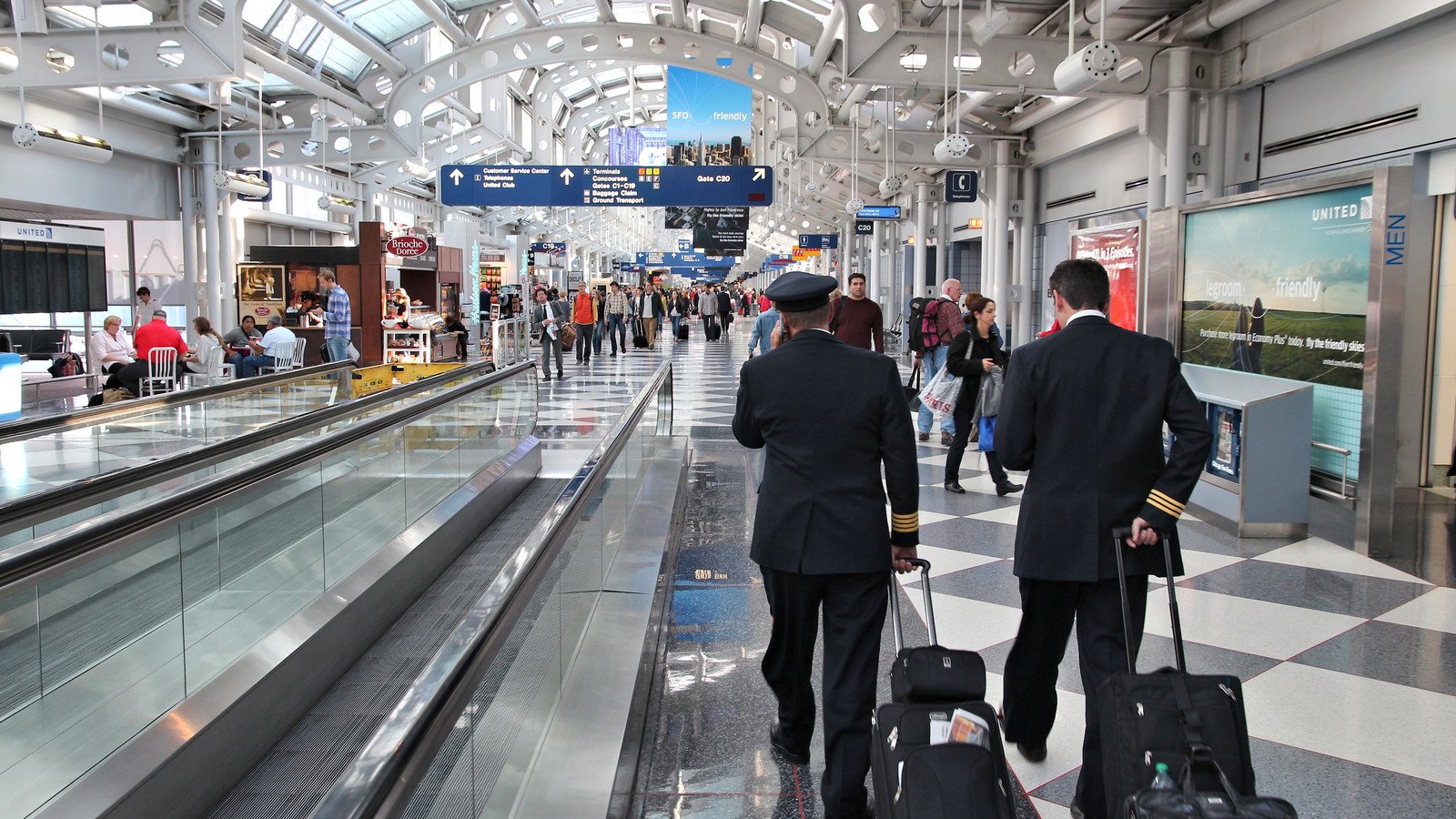
United Airlines has officially abandoned its plans to offer flights from Chicago O’Hare International Airport (ORD) to 10 regional airports after the Federal Aviation Administration (FAA) ordered the airline to reduce the number of trips in and out of ORD.
The FAA believes reducing the number of flights will prevent this already busy hub from becoming overloaded. Originally, the restrictions were set to expire this October but have now been extended into 2027.
News of the abandoned routes comes on the heels of the United and American Airlines rivalry, which has seen the two companies engage in an intense turf war at ORD.
Here’s a closer look at what routes are being axed and how United hopes to move forward.
United Hopes To Revive Abandoned Regional Routes From ORD
Reports from CBS say that United plans to reinstate the abandoned regional flights as soon as the FAA order expires on October 30, 2027.
TheTravel reached out to United Airlines but did not receive a reply in time for publishing.
The routes in question included the following destinations:
| University of Illinois Willard Airport (CMI) | Kalamazoo/Battle Creek International Airport (AZO) |
| Capital Region International Airport (LAN) | La Crosse Regional Airport (LSE) |
| Central Illinois Regional Airport (BMI) | Tri-Cities Airport (TRI) |
| Erie International Airport (ERI) | Rochester International Airport (RST) |
| Marquette Sawyer Regional Airport (MQT) | Central Wisconsin Airport (CWA) |
In addition to these U.S. airports, United will also have to wait until 2027 to begin offering flights from ORD to Guadalajara International Airport (GDL) in Mexico.
FAA Cites Airport Construction And United-American Rivalry As Reason For Flight Cap
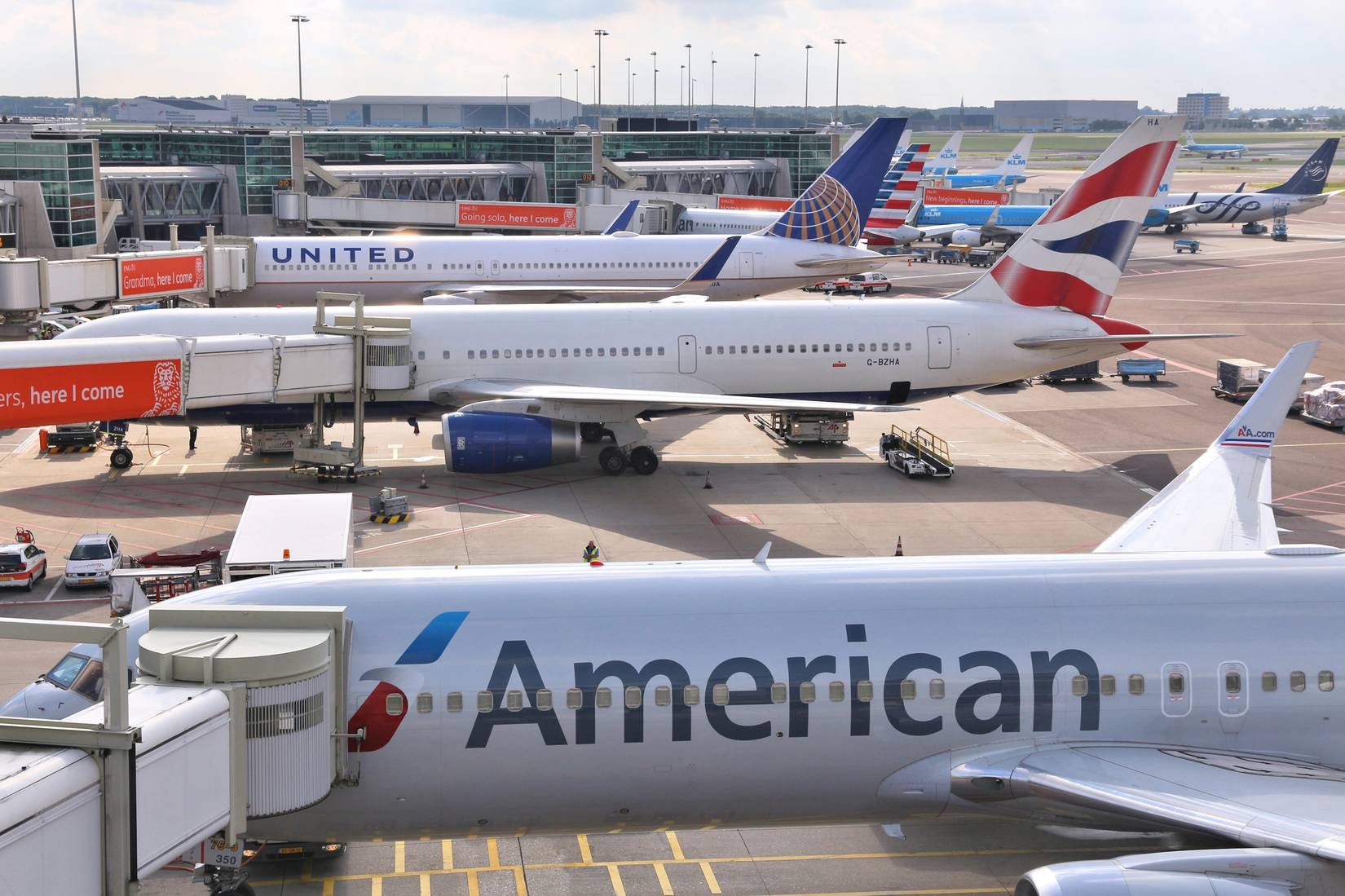
The official order from the FAA cites “airport construction and competitive scheduling dynamics occurring between the two largest carriers at the airport” as the reason behind their cap. They say that limiting ORD to 2,708 operations per day will help maximize efficiency.
“By establishing this scheduling limit, this Order will achieve significant public benefits in Summer 2026 by improving airspace and airfield safety and efficiency, reducing surface movement in the constrained taxiway environment, mitigating the substantial inconvenience to the traveling public caused by excessive flight delays at the airport, and will meet a serious transportation need by preventing widespread operational disruption at ORD and throughout the National Airspace System,” the FAA states.
ORD is undergoing major construction right now as part of its multi-billion-dollar “ORDNext” upgrades. The construction includes projects such as:
- A new 19-gate Concourse D
- Renovation of Terminal 3
- Foundation work for the new Global Terminal
- General improvements to the airfield
Naturally, these projects can and often do slow down operations at ORD. In fact, passengers are already feeling the effects.
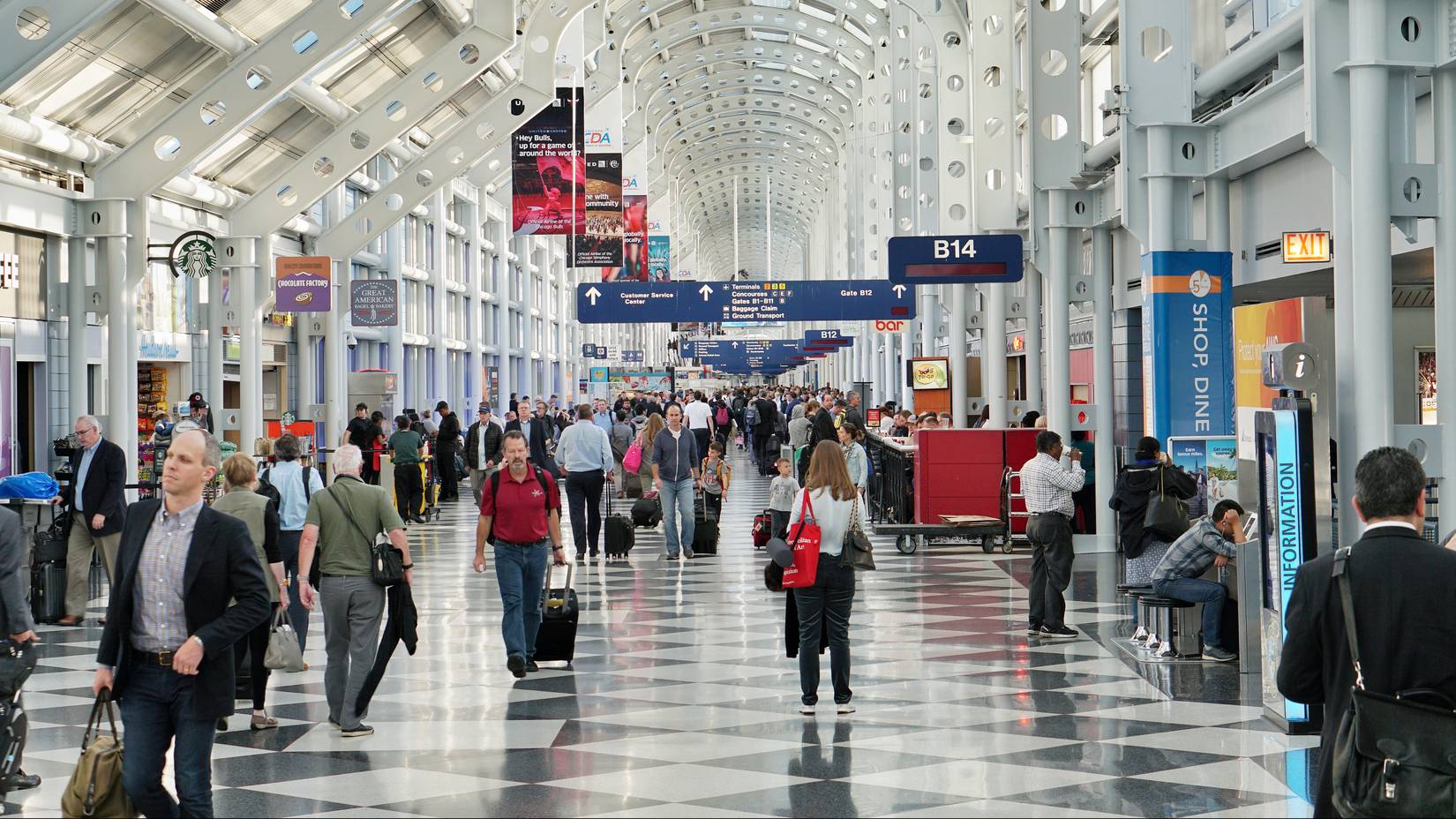
Passengers flying in and out of ORD have felt the pains of the ORDNext project, and many have taken to platforms like Reddit to discuss their grievances. Here’s what some are saying:
| “One hour has become typical at ORD sadly.” |
| “Took us an hour to taxi to the runway. O’Hare is O’Haring” |
| “My record is 2 hours parked on tarmac on top of a one hour taxi.” |
| “Does the airport not realize what a terrible experience it is, for tens of thousands of passengers every day?” |
Outside of construction-related incidents, flight delays and cancellations have run rampant at O’Hare lately due to the weather. Last month, an FAA stoppage left thousands stranded at ORD as cancellations reached triple digits at the airport.
More recently, ahead of July 4 holiday travel, O’Hare faced the highest cancellations worldwide, the result of another FAA ground stop.
As for the regional communities who were expecting better travel options via United and O’Hare, their loss is indicative of a larger airline trend.
Simple Flying reports that the industry trend of up-gauging to larger airliners is negatively affecting regional airports.
“While the FAA implemented these cuts under Secretary Sean Duffy to prevent crushing delays and safeguard safety, the agency may have to course-correct if the negative impact snowballs,” the publication said.