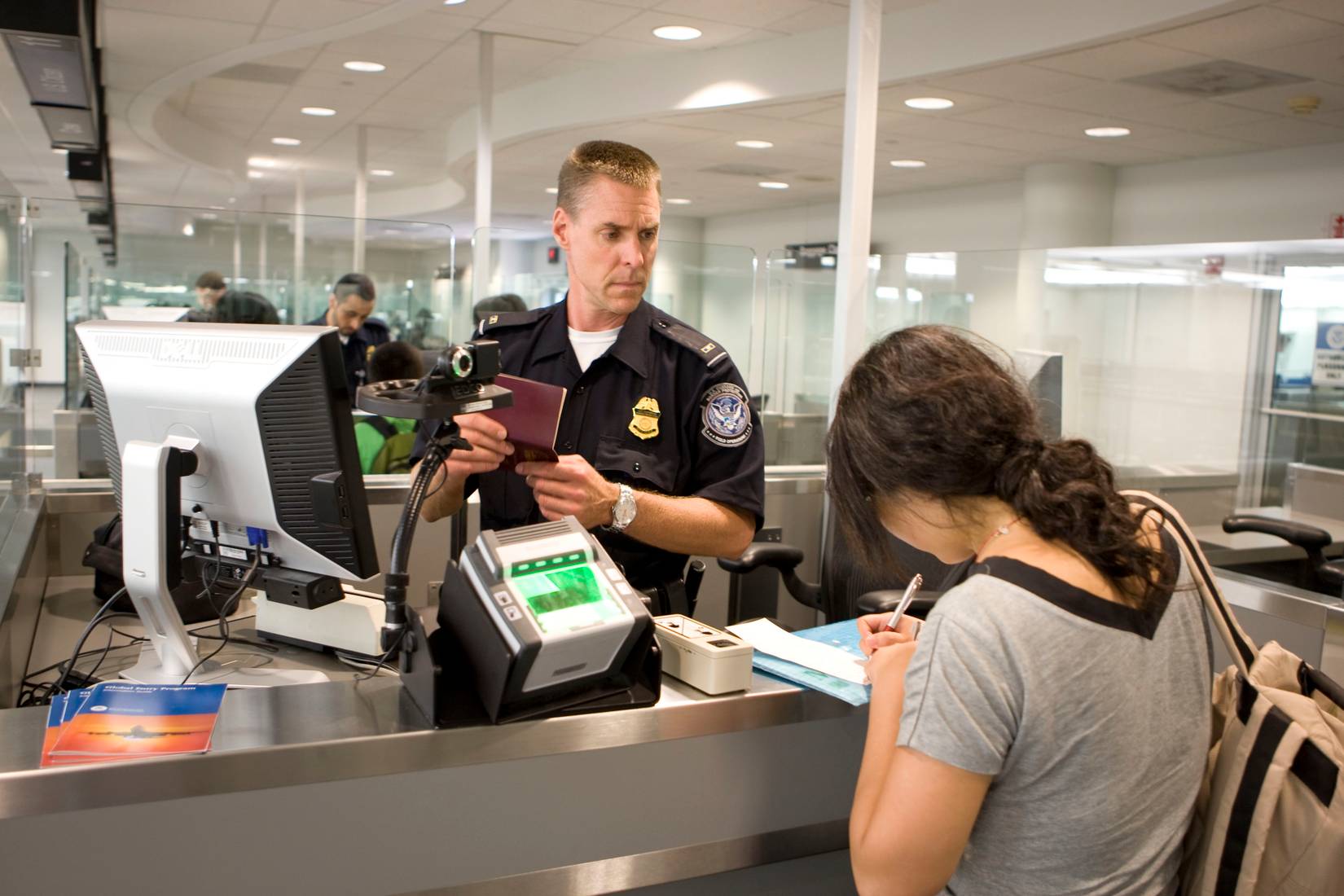
As frontline law enforcement professionals under the Office of Field Operations, U.S. Customs and Border Protection (CBP) officers are the first faces travelers see when entering the United States. They enforce customs regulations, inspect cargo, and assess admissibility at ports of entry. Yet, despite their high visibility, their pay is often misunderstood.
A CBP officer’s true earnings go far beyond a base salary. Since they are paid under the federal General Schedule (GS) pay system, their take-home pay is heavily shaped by locality adjustments, premium differentials, and substantial overtime.
This guide breaks down the GS-5 to GS-12 career ladder and details the financial incentives that can boost an officer’s pay by thousands of dollars each year. We also evaluate whether this total compensation matches the intense physical and mental demands of the job, which includes searching a traveler’s phone, a task TSA can’t do.
What Is A CBP Officer’s Starting Base Salary?
U.S. Customs and Border Protection officers are paid under the federal government’s General Schedule (GS) pay system. This is the standard pay scale used for most civilian federal employees. According to official 2026 OPM pay tables, the base salaries for these entry grades are set at exact rates:
- GS-5 starting base pay is $34,799
- GS-7 starting base pay is $43,106
- GS-9 starting base pay is $52,727
While job listings on USAJOBS display these base rates, actual starting pay is immediately higher once locality adjustments are factored in.
How The General Schedule Works
The General Schedule consists of grades and steps. A grade shows the level of responsibility and qualifications required for the job, while steps reward employees with periodic pay increases as they gain experience. Each GS grade features ten distinct steps, with standard within-grade increases ranging from $1,160 at GS-5 to $1,758 at GS-9.
For new hires, the entry grade is determined by educational achievements or professional backgrounds. A bachelor’s degree in any field qualifies an applicant for the GS-5 grade. One full year of graduate-level study or qualifying specialized experience permits entry at GS-7, while holding a master’s degree can qualify a candidate to start directly at GS-9.
Why Salary Figures Vary
There is no single nationwide salary for CBP officers. This explains why different salary ranges appear online. Several factors determine what an individual officer earns, including:
- The entry grade (GS-5, GS-7, or GS-9)
- The specific step within that grade (Steps one through ten)
- The duty location and its associated geographic locality adjustment
- Annual career promotions along the ladder.
To illustrate, the following table compares the starting base rates with the average total compensation (which includes average locality pay, overtime, and premium shifts) across different entry levels.
|
GS Pay Grade |
2026 Base Salary |
Average Total Compensation |
|
GS-5 |
$34,799 |
$52,255 |
|
GS-7 |
$43,106 |
$65,594 |
|
GS-9 |
$52,727 |
$82,389 |
|
GS-11 |
$63,795 |
$102,529 |
|
GS-12 (Journeyman) |
$76,463 |
$122,874 |
This data reveals a significant gap between base pay and actual earnings. Base salary is only one part of the compensation package. Many CBP officers significantly increase their income through locality pay, premium shift differentials, recruitment incentives, and overtime.
How Locality Pay, Recruitment Incentives, And Overtime Increase CBP Officer Earnings
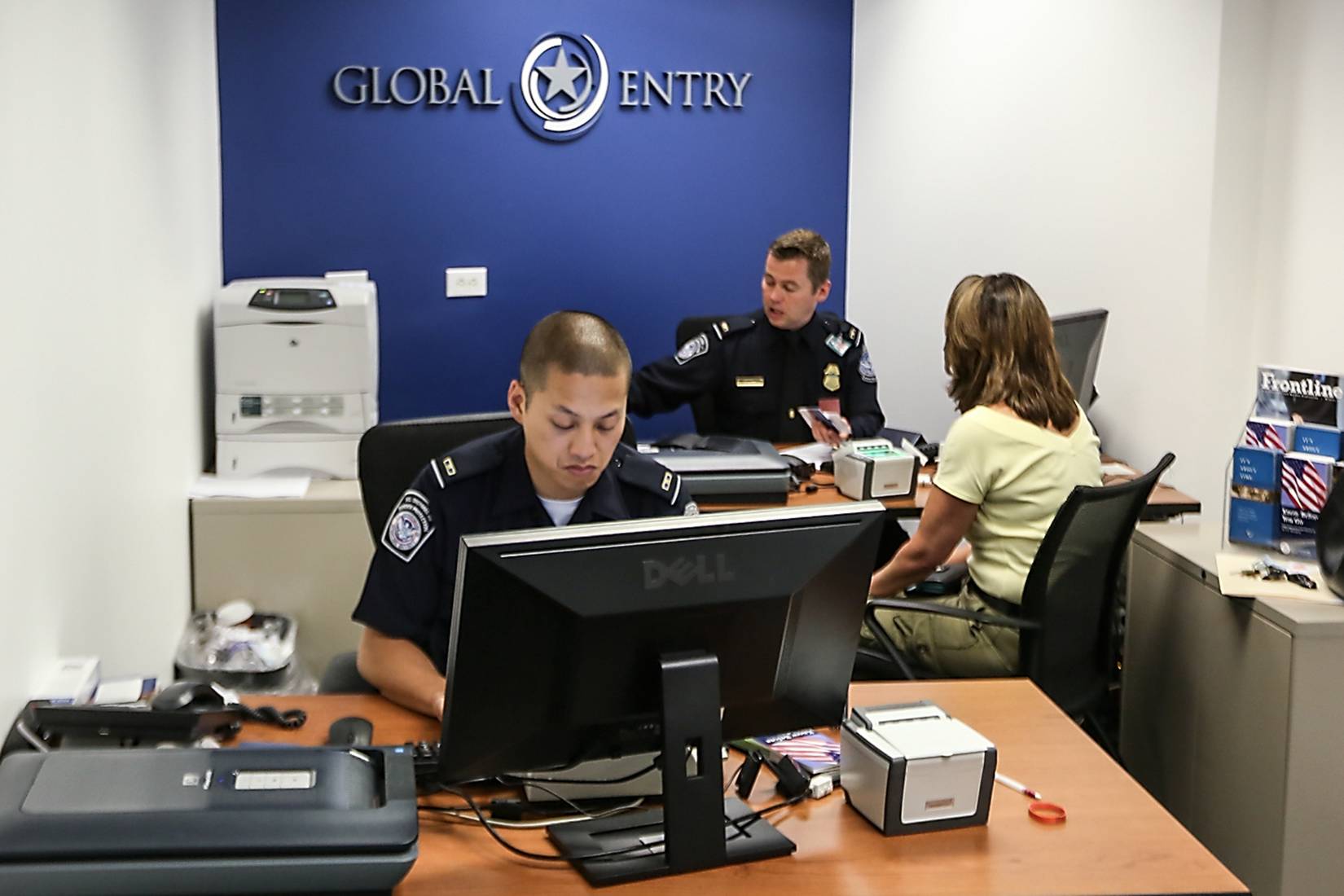
Just like cruise directors, the salary listed in a job announcement is not necessarily what a CBP officer takes home. In addition to base pay under the General Schedule, officers receive locality adjustments, premium pay, recruitment incentives, and federal benefits that increase their overall compensation.
Locality Pay Significantly Increases Earnings
Locality pay is designed to help federal salaries remain competitive in different labor markets across the country. The Office of Personnel Management applies locality adjustments based on geographic region, meaning officers assigned to higher-cost areas generally earn more than those working in regions with lower living costs.
These adjustments range from a standard 17% “Rest of U.S.” rate up to over 45% for high-cost hubs like San Francisco and New York, which are some of the most expensive cities in the U.S.
For example, a GS-9, Step one officer at a lower-cost port of entry receives a smaller locality percentage. On the other hand, an officer of the exact same grade and step stationed at John F. Kennedy International Airport, rated as one of the busiest airports in the U.S., will earn a significantly higher rate.
This geographic adjustment is one of the main reasons salary figures for CBP officers vary across job announcements and career websites. Interested job applicants can view the exact geographic boundaries on the OPM Locality Pay Area Definitions.
Overtime Is A Major Part Of Compensation
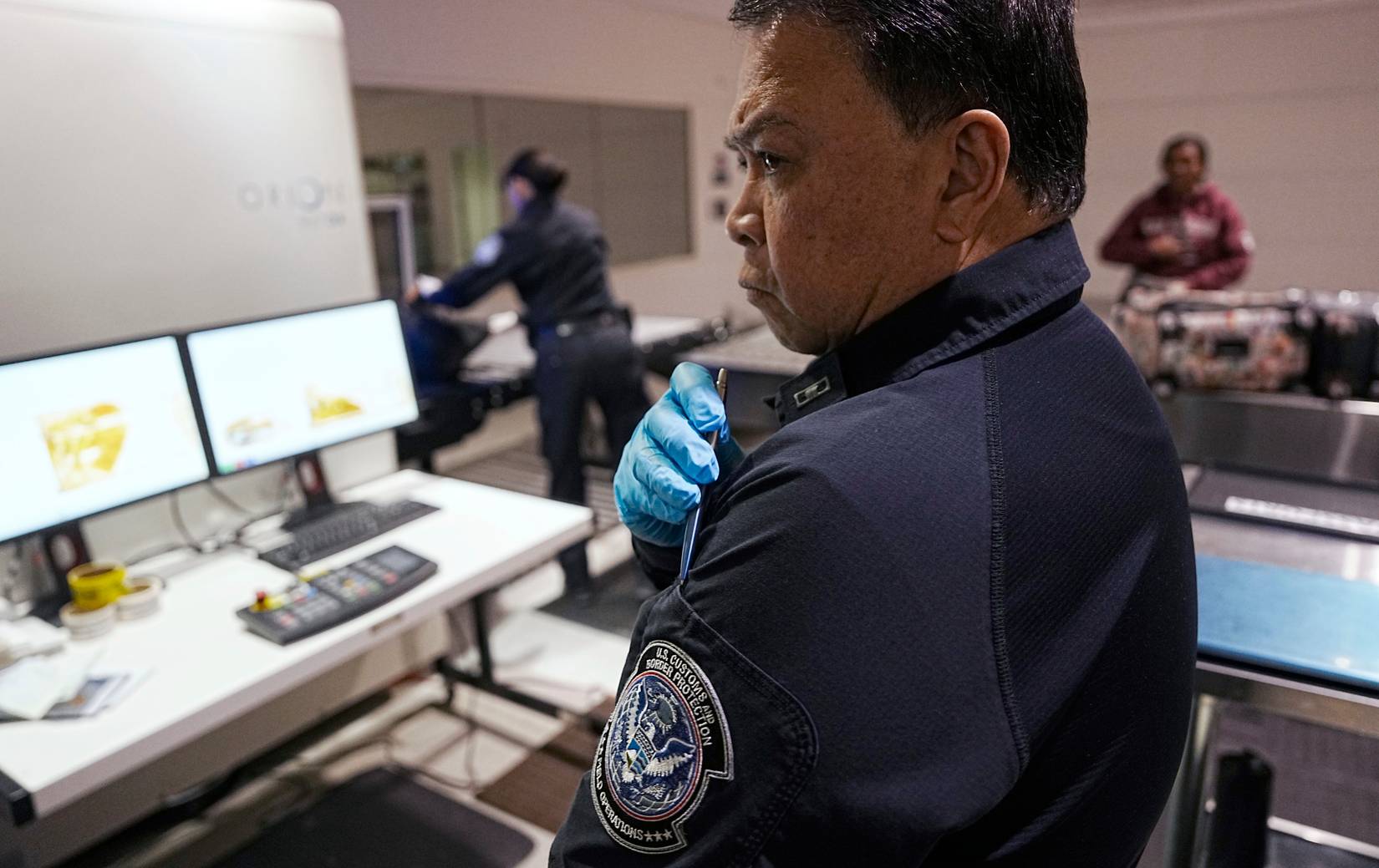
Overtime has a massive impact on earnings. U.S. Customs and Border Protection operates around the clock at airports, seaports, and land border crossings, creating staffing needs that extend beyond a standard workday. Additional hours are routinely needed during:
- Peak holiday travel seasons
- High passenger and cargo volumes
- Staffing shortages at critical crossings
- Special security operations
For CBP officers, overtime is governed by the Customs Officer Pay Reform Act, commonly known as COPRA. Unlike standard federal overtime, COPRA compensates officers at double their hourly rate for overtime hours worked.
Note on the Overtime Cap: COPRA overtime earnings are capped by law at $45,000 per year. However, during high-demand periods or critical staffing shortages, this cap can be waived by agency leadership, allowing some officers to bring home significantly more.
Additionally, officers receive a 15% to 20% premium for night shifts, a 50% premium for Sunday shifts, and double-time pay for federal holidays.
Recruitment Incentives And Premium Pay
To staff critical border crossings, CBP offers substantial recruitment incentives. Depending on the specific duty location, newly hired officers can receive up to $15,000 per year.
Over a three-year or four-year service contract, these incentives can accumulate up to a total of $60,000 in additional compensation. These bonuses are offered at designated locations, including hard-to-fill ports of entry in Arizona, California, Vermont, and Washington.
Federal Benefits Add Long-Term Value
Compensation extends beyond a paycheck since CBP officers receive access to the standard federal employee benefits package. These include health insurance, paid annual and sick leave, and the Federal Employees Retirement System (FERS). Additionally, officers can contribute to the Thrift Savings Plan (TSP), which is the federal government’s equivalent of a private-sector 401(k) program.
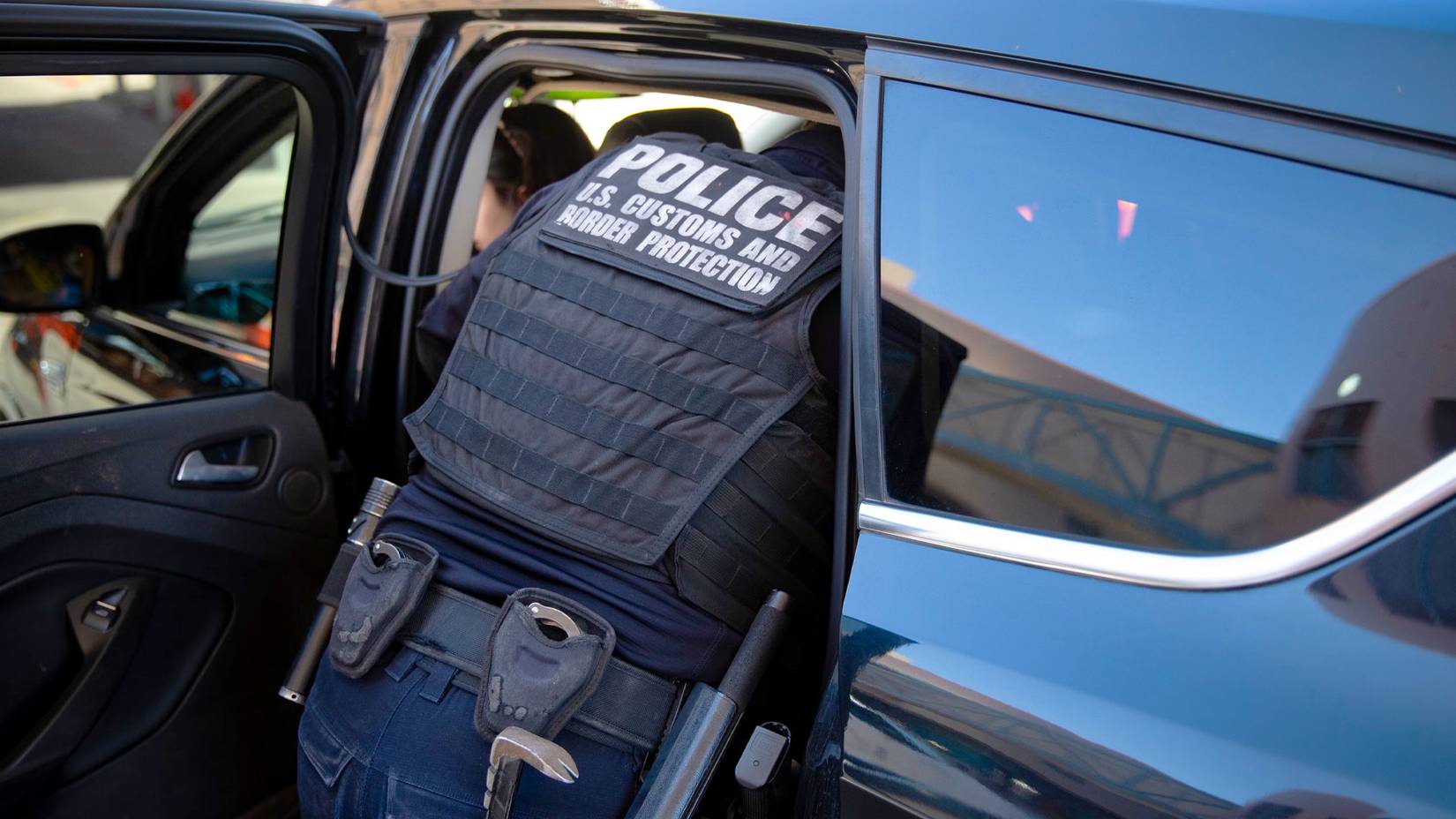
Under the TSP, the federal government automatically contributes 1% of the officer’s base pay and will match employee contributions up to an additional 4%. Taken together, these forms of compensation explain why a CBP officer’s total earnings are significantly higher than their starting base salary.
They also reflect the staffing demands and around-the-clock operations that support the nation’s ports of entry every day.
The Pay-To-Workload Reality: What CBP Officers Are Paid To Handle
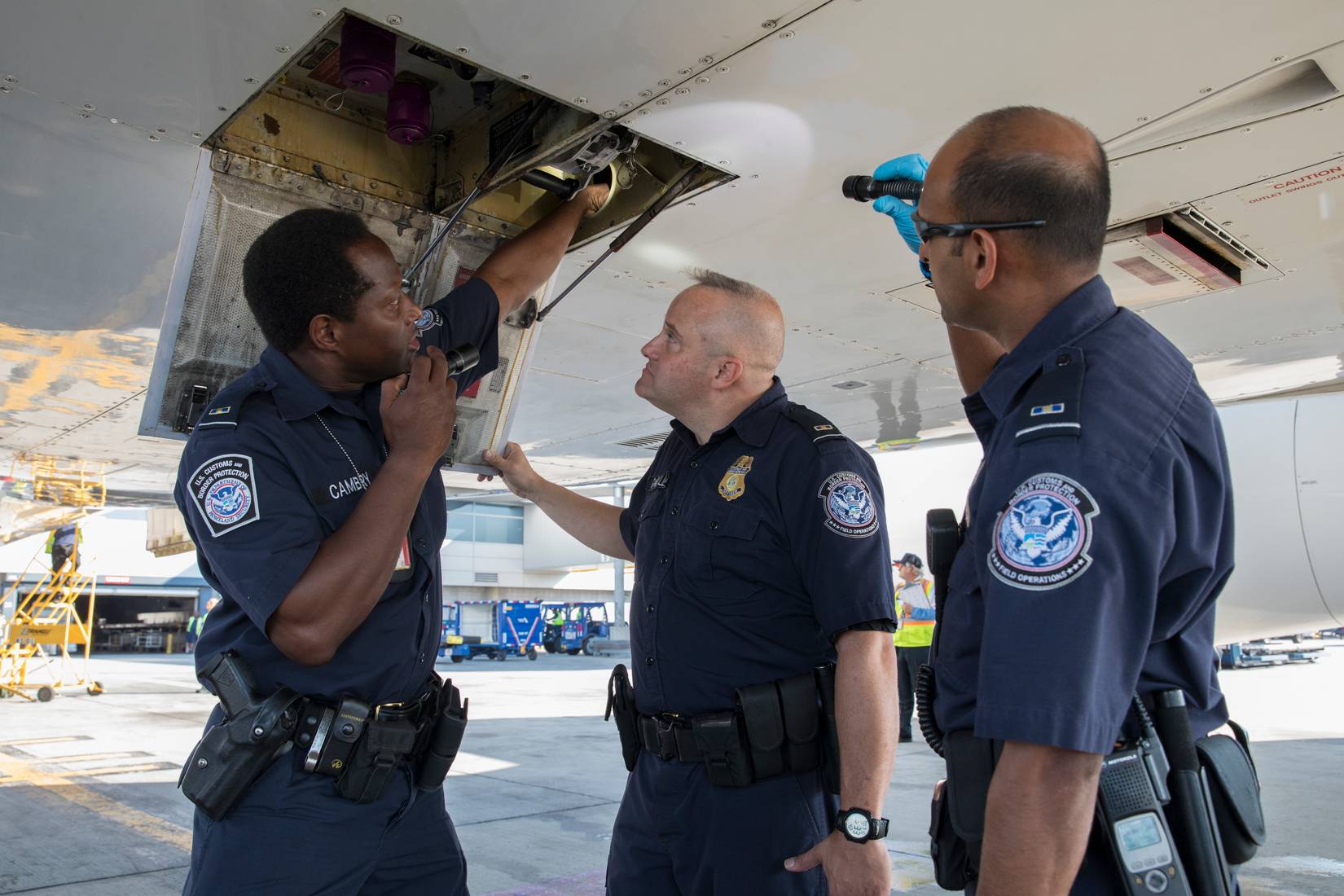
A CBP officer’s compensation reflects more than time spent at an inspection booth. The role combines law enforcement, border security, customs enforcement, and public service. This diverse workload requires officers to make rapid, high-stakes decisions while processing millions of international travelers and cargo shipments each year.
The Core Daily Responsibilities
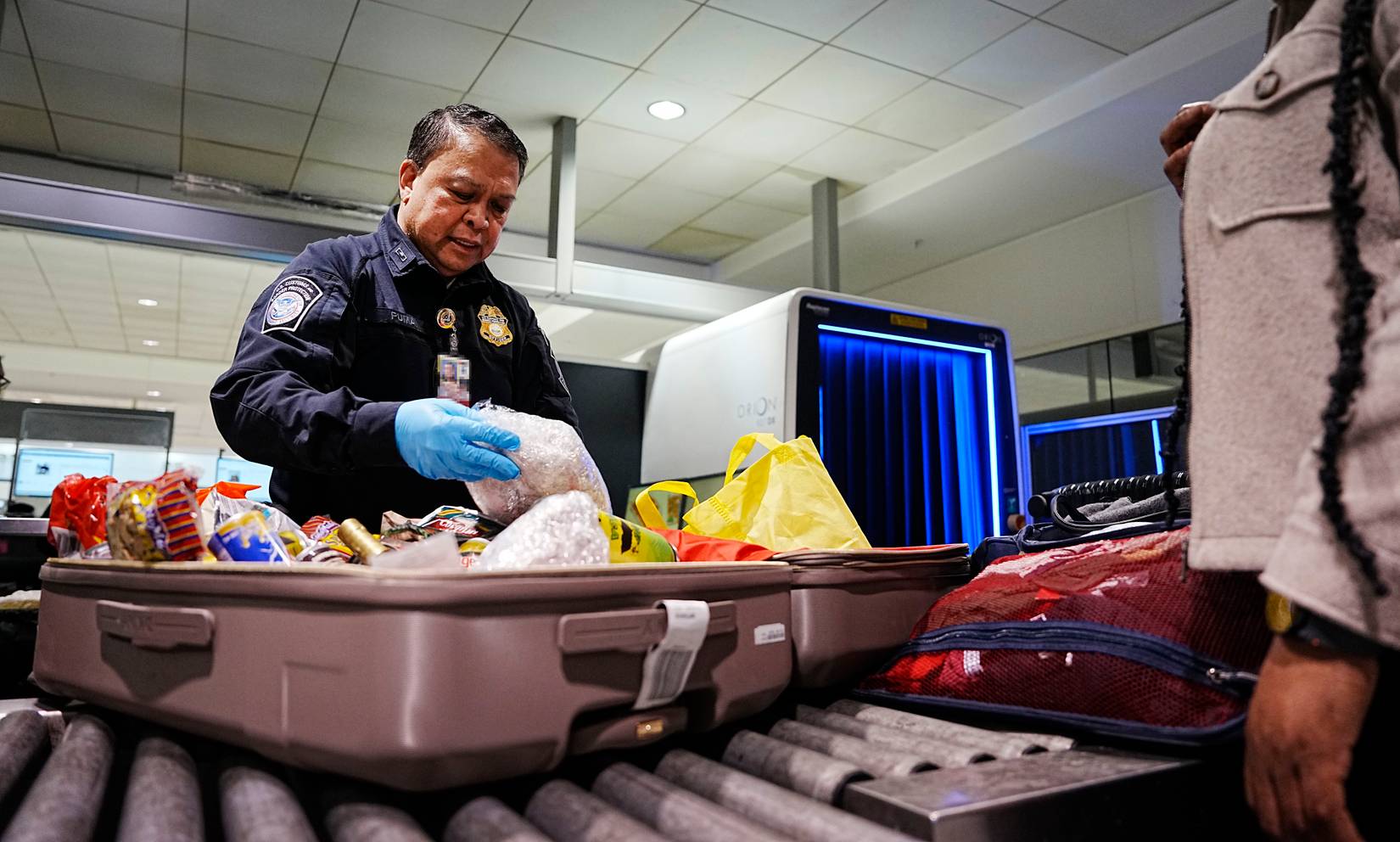
On a typical shift, an officer’s duties vary depending on their assigned port of entry. While officers at international airports focus heavily on passenger processing, those stationed at land borders or busy seaports handle massive commercial cargo streams. Regardless of the location, their daily responsibilities include:
- Checking passports, visas, and other entry documents for authenticity
- Conducting interviews to assess the admissibility of arriving travelers
- Screening passenger baggage, commercial cargo, and international mail
- Identifying and seizing prohibited agricultural products, weapons, and narcotics
- Referring suspicious individuals or shipments for secondary inspection
- Enforcing federal trade, immigration, and customs laws while collecting duties
The job carries immense national security responsibilities. CBP officers must remain highly vigilant to identify fraudulent travel credentials and intercept unauthorized travelers. In a recent incident, CBP detained Canadian travelers after noting customs violations.
On a typical shift, an officer’s duties vary depending on their assigned port of entry. While officers at international airports focus heavily on passenger processing, those stationed at land borders or busy seaports handle massive commercial cargo streams. Regardless of the location, their daily responsibilities include:
- Checking passports, visas, and other entry documents for authenticity
- Conducting interviews to assess the admissibility of arriving travelers
- Screening passenger baggage, commercial cargo, and international mail
- Identifying and seizing prohibited agricultural products, weapons, and narcotics
- Referring suspicious individuals or shipments for secondary inspection
- Enforcing federal trade, immigration, and customs laws while collecting duties
The job carries immense national security responsibilities. CBP officers must remain highly vigilant to identify fraudulent travel credentials and intercept unauthorized travelers. In a recent incident, CBP detained Canadian travelers after noting customs violations.
These decisions must be made quickly, professionally, and accurately, often during periods of high traveler volume. Officers must continuously balance the strict enforcement of federal laws with the efficient movement of legitimate trade and travel.
The Reality Of The Working Conditions
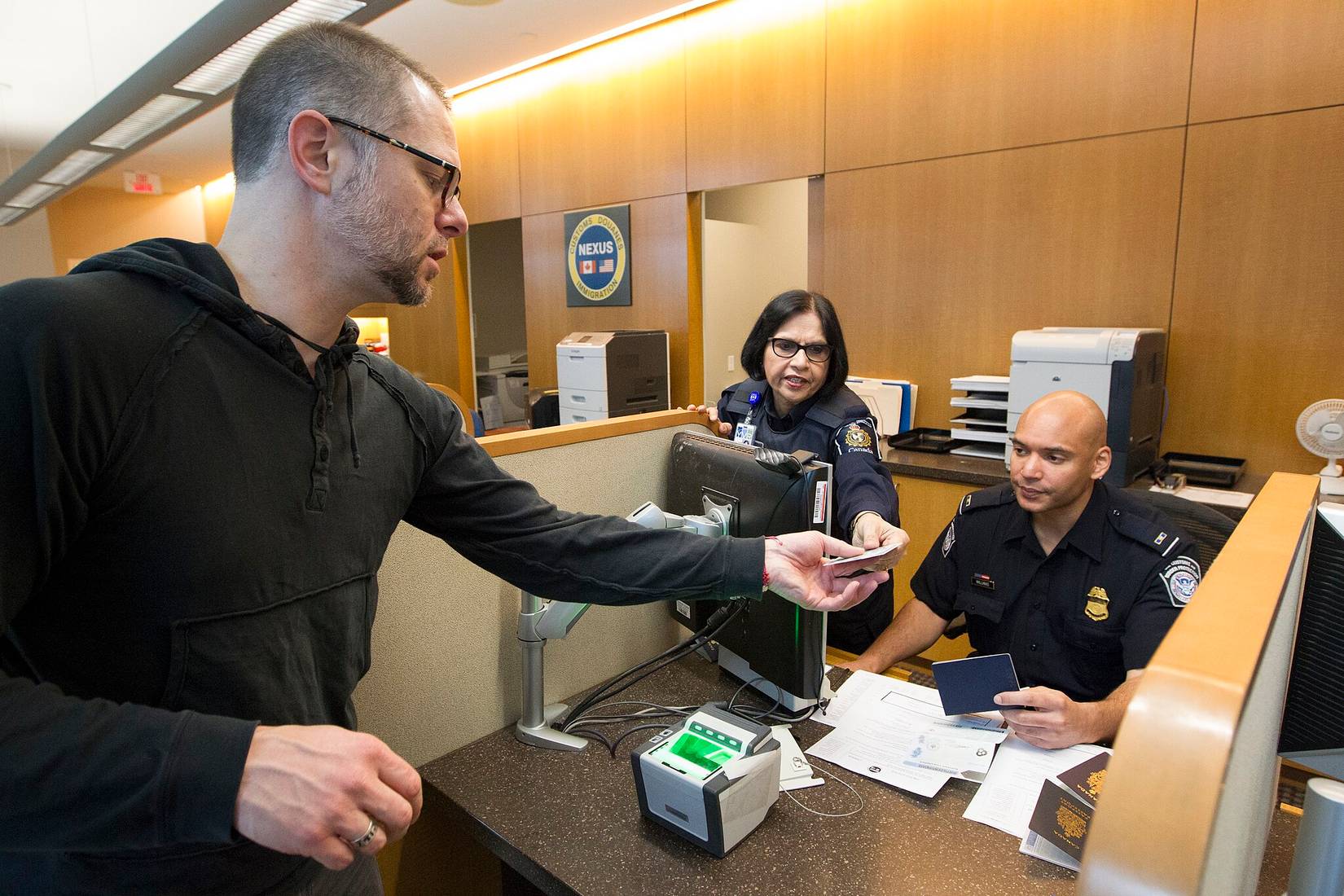
To earn their high compensation, CBP officers must adapt to demanding working conditions that physically and mentally challenge them daily. The primary workplace demands include:
- Rotating shift work: Since ports of entry operate around the clock, officers routinely work rotating schedules that include overnight shifts, weekends, and even holidays.
- Extended physical strain: Shifts often require standing for hours on end, walking on hard surfaces, and performing physical inspections of vehicles and cargo containers, even in extreme weather conditions.
- Sustained attention to detail: Officers must maintain absolute focus during repetitive tasks, as a single oversight can have severe national security consequences.
- Rigorous initial training: New hires must pass a demanding 103-day basic training program at the Federal Law Enforcement Training Center (FLETC) in Glynco, Georgia, where they are trained in firearms, physical tactics, and federal law.
Understanding a CBP officer’s salary requires looking beyond the basic hourly wage. Base pay, locality adjustments, premium differentials, and federal benefits are designed to compensate professionals for a highly demanding career that directly impacts national security. Together, they provide a complete picture of what CBP officers earn and the unique responsibilities they carry out every day.
TheTravel reached out to a CBP media relations representative requesting additional insight but did not receive a response by the time of publication.