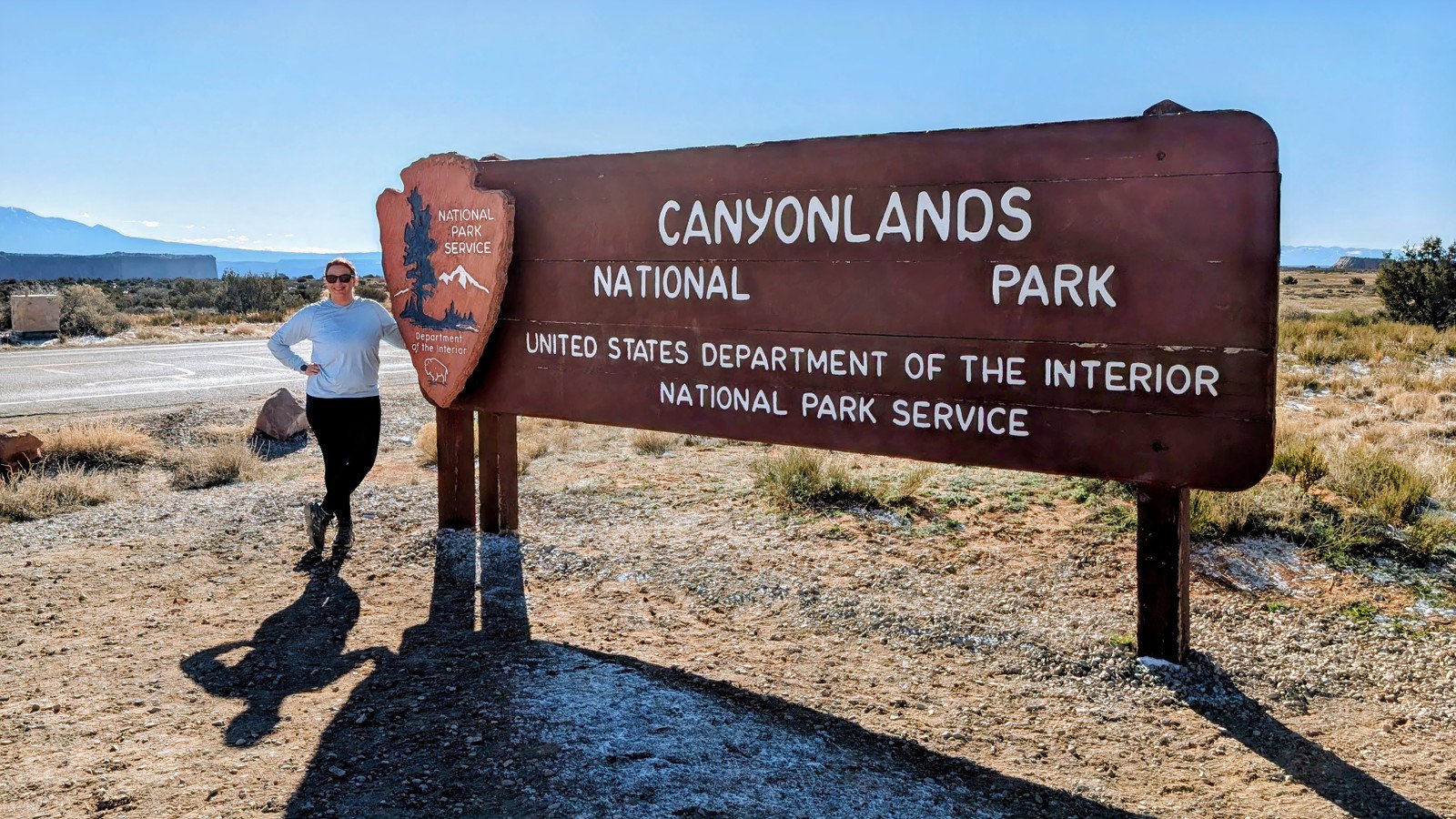
Conservationist Wallace Stegner once said,
“National parks are the best idea we ever had.”
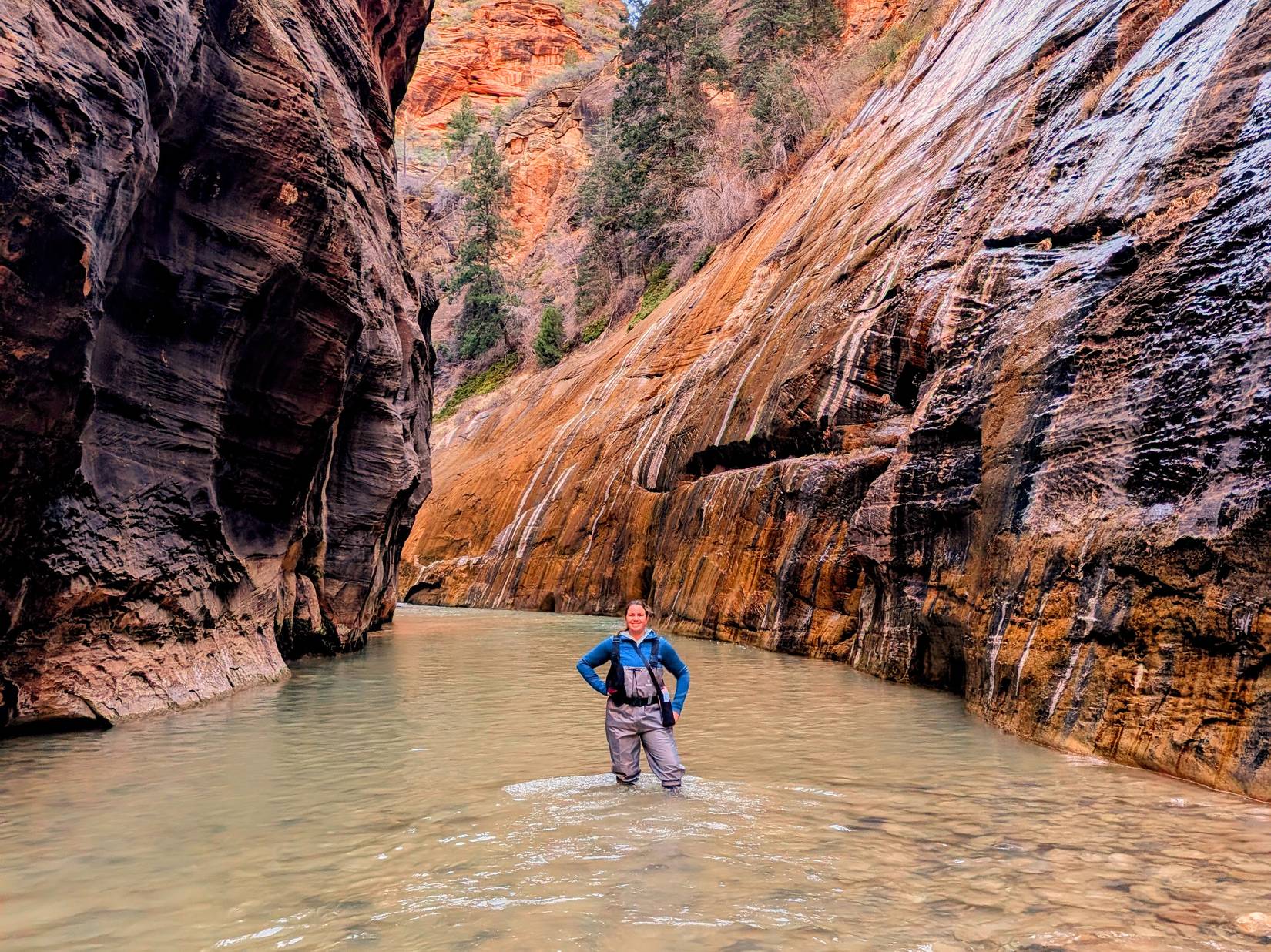
After visiting 15 national parks, it’s hard not to agree with Stegner. I’ve stood face to face with herds of bison, I’ve wrapped my arms around a redwood bigger than my car; I’ve been screamed at by a pika at 14,000 feet; I’ve sloshed through the Virgin River in the Narrows of Zion Canyon. National parks have given me some of the most memorable moments in my life.
Along the way, I’ve also made countless mistakes and learned more than a few lessons the hard way. The internet can be a wonderful resource, but no blog or listicle can fully prepare you for every aspect of visiting a national park, or multiple national parks (not even this one).
15 national parks later, here are nine things I’ve learned about how to have the most enjoyable national park experience possible.
A Poorly Timed Bathroom Break Can Ruin Your National Park Schedule
People always plan when it comes to water and food during a national park visit. When are we going to stop and eat, when do we need to fill up on water? It’s all basically written in stone at this point. You know what people (like me) forget to plan around? Stopping for the bathroom.
Here’s the problem. Most national parks only have plumbed bathrooms at the visitor center (if that), which means if you are squeamish about your bathroom breaks, you may be out of luck. Second, if you are planning to stop at a restroom at a trailhead, you’ve just made the same plan as everyone else there. 50 people ready to hike, and two hot, humid holes in the ground to go around.
You can lose a half hour waiting in line for a restroom if it’s the only one in that region of the park. That’s enough lost time to throw off an entire schedule.
My advice? Always stop at the visitor center and get refreshed. Then you can park and walk right past the line of people dancing their way to the port-a-potty.
You’ll Only Get One “Golden Goose” Hike Each Day, So Stay Focused
I love a good underrated hike, but like everyone else, I love getting my picture in front of those iconic spots. One of the most common pieces of advice people give about visiting national parks is “get there early to beat the crowds.” However, experience has taught me that you need to get there early with a plan, or you’ll still be in trouble.
If you have your heart set on a specific famous hike or vista, get there early and go right to that spot. It feels wrong, driving by so many beautiful spots, but parking lots fill up fast, and that detour could make all the difference.
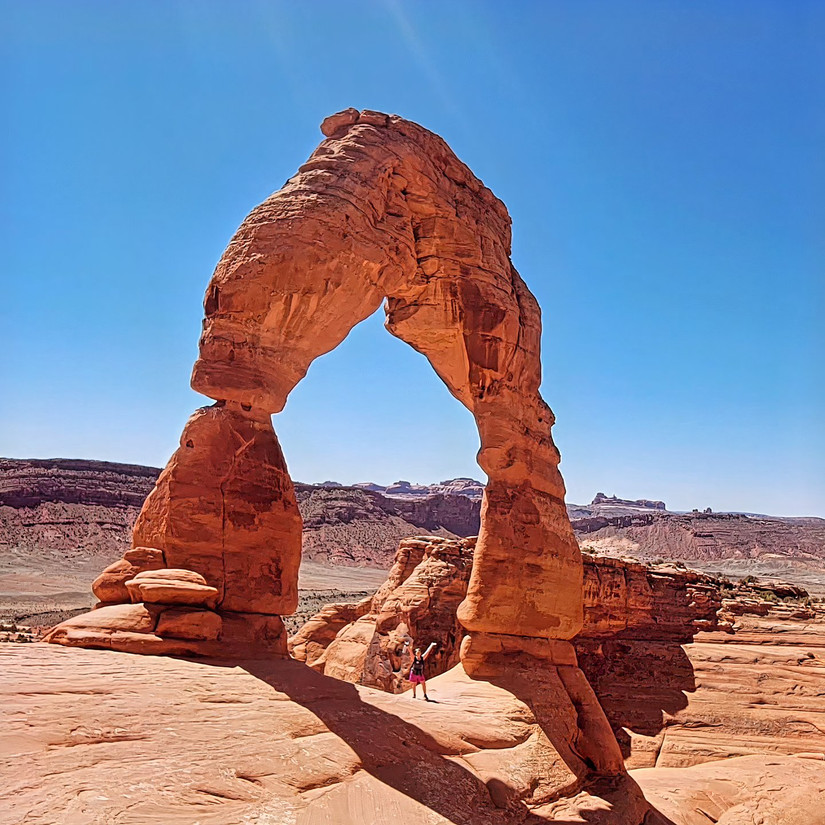
This strategy works particularly well in smaller parks, like Arches National Park in Utah. With my eye on the Delicate Arch trailhead, I drove past the Balance Rock, past the Windows Section, and past probably a dozen unnamed arches.
The result? A primo parking spot at the Delicate Arch trailhead, and lunch staring at one of the world’s most recognizable formations.
The “0.5-Mile” Rule Is Ideal For Those Looking To Avoid Crowds
I have visited some of the most popular national parks in the country, and have seen firsthand what 10,000 visitors in a single day looks like in a landscape meant for a few hundred at most. It can be overwhelming and honestly can hinder the enjoyment of the park.
After visiting the likes of Zion, Rocky Mountain, and Yosemite, I can promise that every single park has a quiet place if that is what you are looking for. I made the trek to Rocky Mountain National Park on Labor Day weekend, one of the busiest weekends of the year (~60,000 visitors over three days).
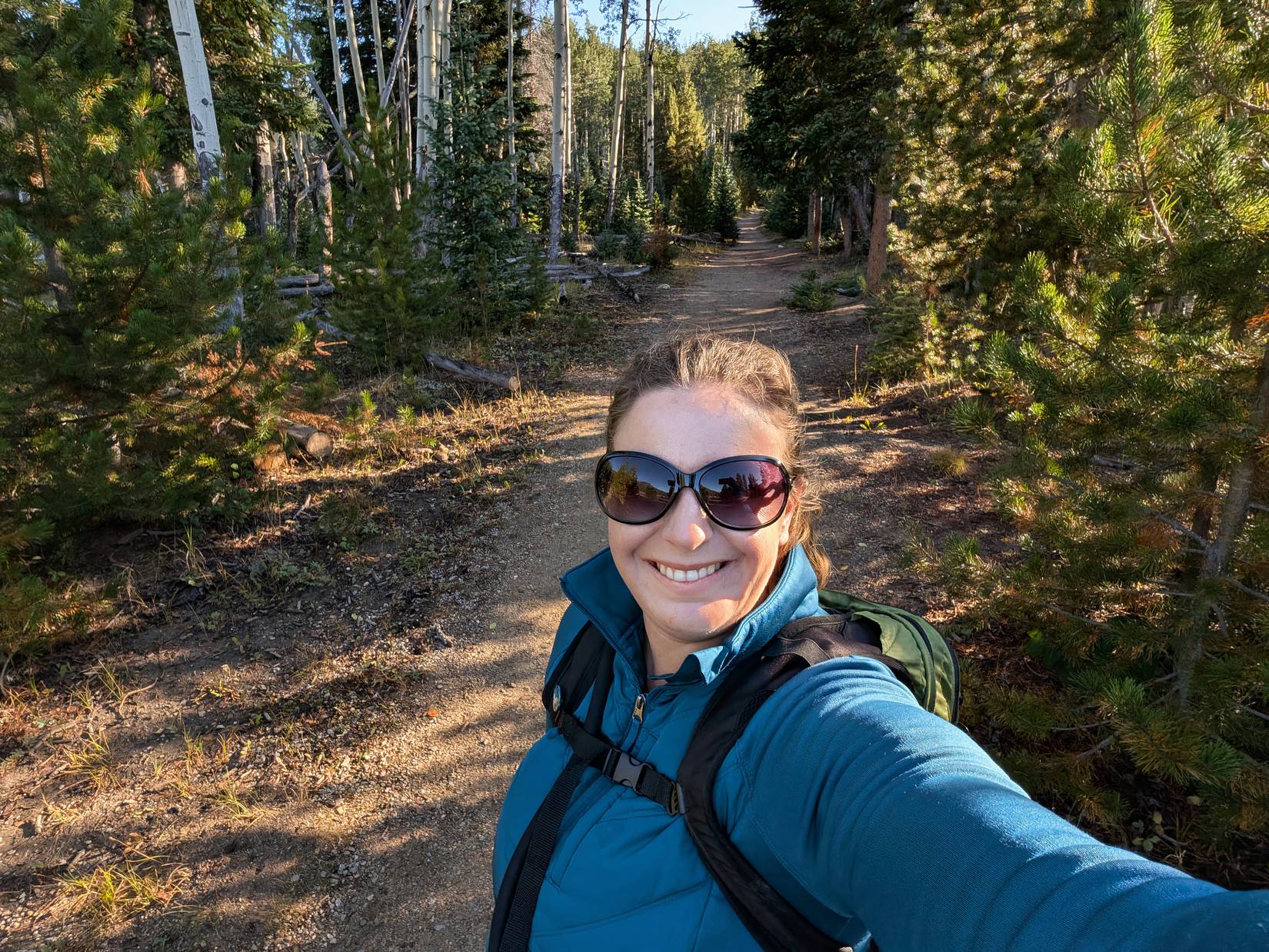
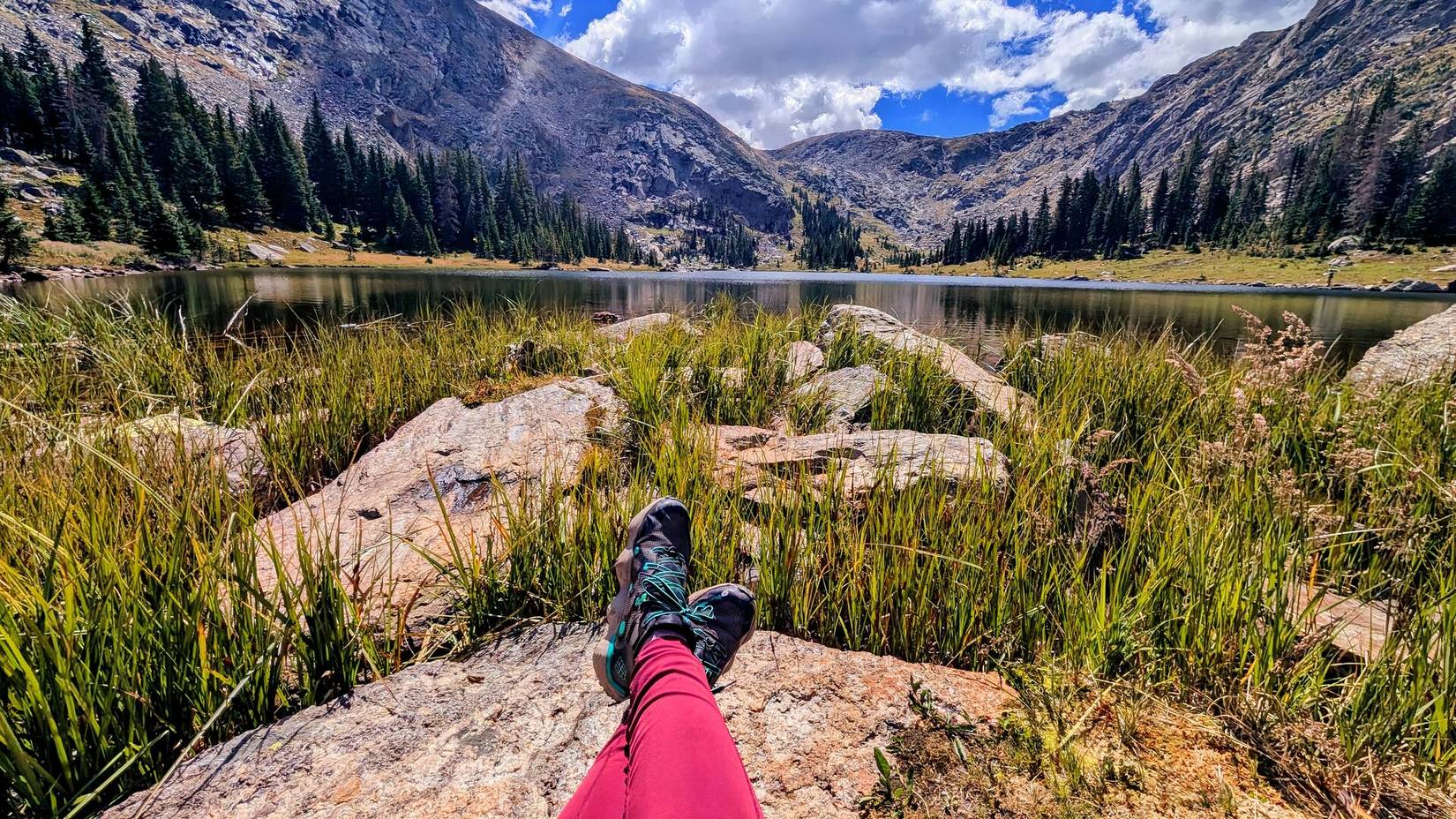
I was not interested in dealing with that, so I skipped the Estes Park entrance in favor of the “secret” entrance on the west side of the park. Then I picked a long trail with a mostly empty parking lot and started hiking. 12 miles round trip, I saw eight other people and shared the lake with five groups. Elsewhere, around 30,000 people were clamoring for their perfect vista.
You will have to sacrifice some of the “name recognition” if quiet is your goal, but that experience in Rocky Mountain highlighted that it is always possible. Hunt for those alternate entrance points to the park; most have at least two, and see what is nearby.
Make Sure You Know The Name Of The Trailhead, Not Just The Trail
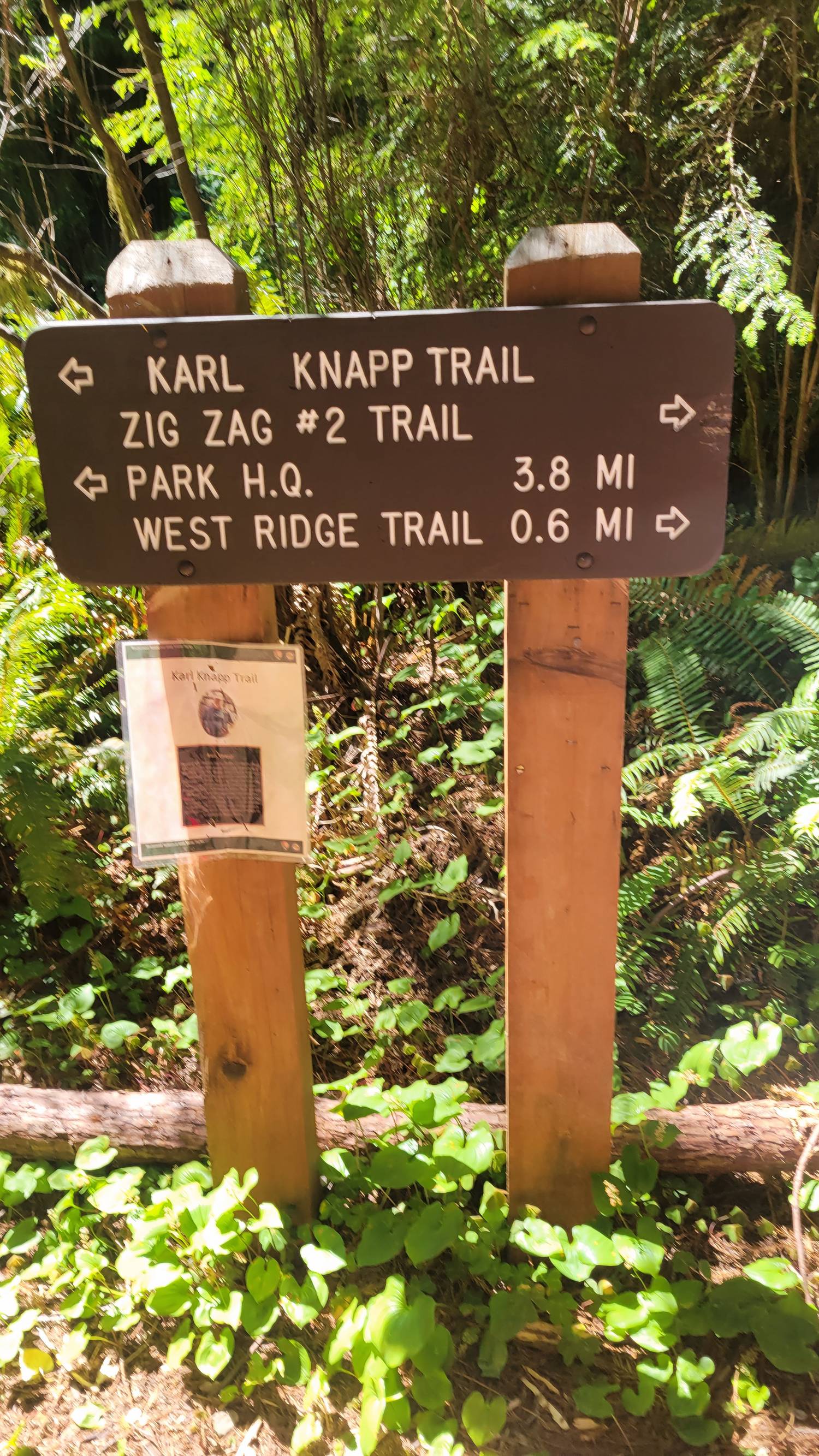
Most people arrive at national parks with their list of hikes all planned out. Map in hand, they head to the part of the park where the trail is marked and then they…keep right on driving because they were looking for the wrong sign.
National parks have the tricky job of making nature accessible while damaging it as little as possible with their infrastructure. Many of the turnouts and parking areas have multiple trails leading off of them. The parking lot may be named after just one of the trails, or it may just have a mile marker by it.
As someone who has known exactly what trail she was looking for and still managed to miss it, make sure that you note the name of the parking lot or trailhead area, not just the trail itself. (You should also make sure you know where to look for that trailhead in the parking lot, but that’s another story entirely).
Think About The Weather Before You Pack Your Lunch
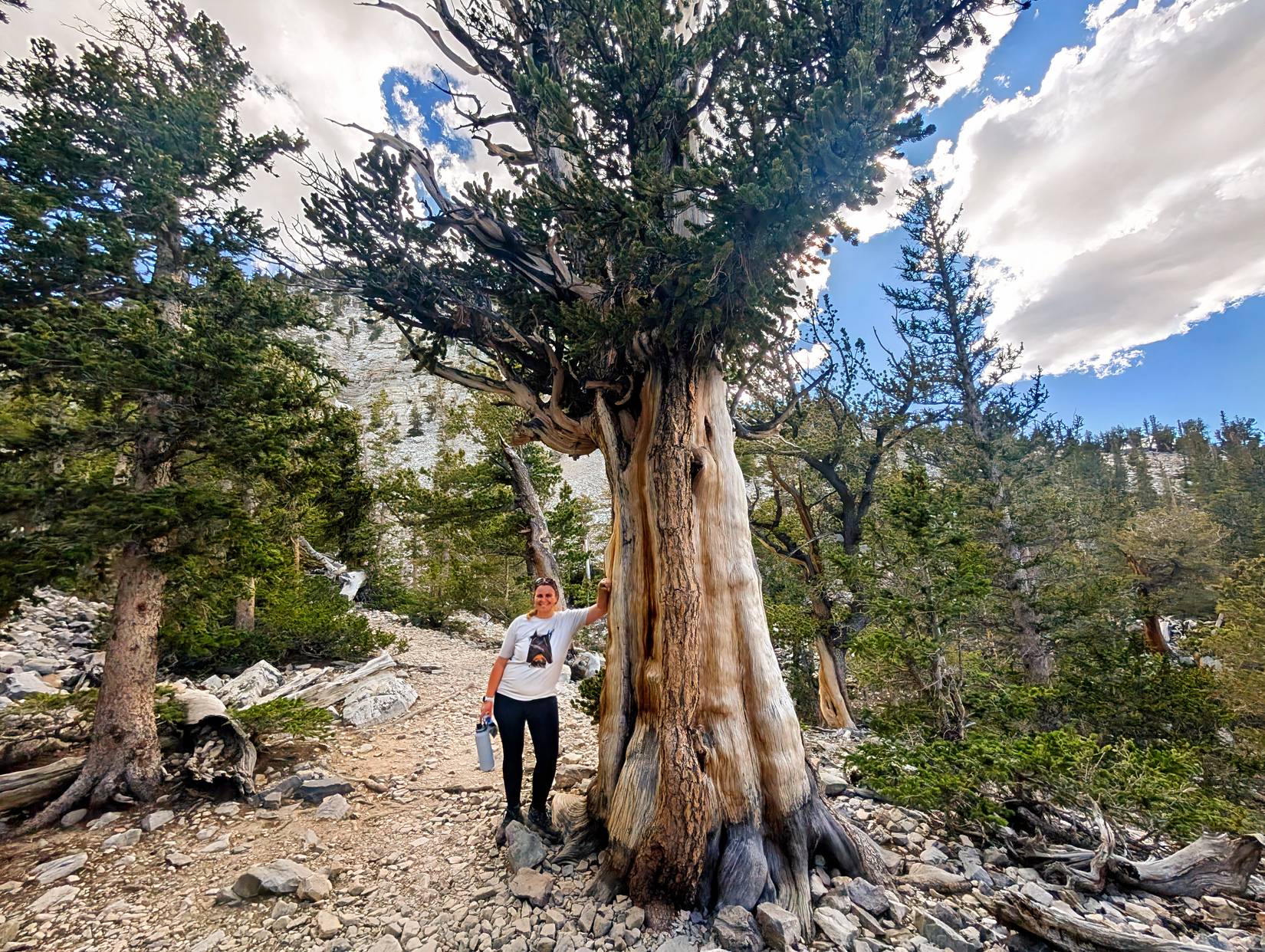
Anyone who says snacks and trail food aren’t part of the national park experience is crazy. Sandwiches just taste different four miles when you’re covered in dust and sweat.
After spending a lot of time in the Southwest, I’ve realized that planning lunch is more than just seeing what fits in your backpack. Deli meat and cheese are going to get soggy and gooey in your backpack that’s being pelted by a scorching sun. Not even the chipmunks will want it after that.
Likewise, as someone who has on occasion packed a Lunchable for her mid-hike meal, keep elevation changes in mind if you have any sealed snacks or meal components. That 2,000-foot elevation gain isn’t just a killer on the quads; it will blow up your bag of crackers and send their crumbly remains all over your backpack.
Getting Out Of A National Park Can Be Even Harder Than Getting In
Get to the park early, do your big hike, explore underrated stops in the afternoon. It’s a good formula that leads to a full day in some of America’s top destinations. The only thing left is to enjoy a dinner of champions.
However, while everyone films the lines getting into the park, few show the realities of heading back into the gateway towns at the end of the day. Rush hour traffic jams, two-hour waits at every restaurant, and streams of people walking across the roads on their way back to cars.
It can take an hour or more to get back out of the park and free of the crowds if you’re leaving around 4 pm. If you can, leave a little earlier for an early dinner and go back to the park afterward, or pack a dinner in and stay till 6 or 7 pm, when the biggest waves have passed.
Fill Your Afternoons With The Less-Visited Stops On Your List
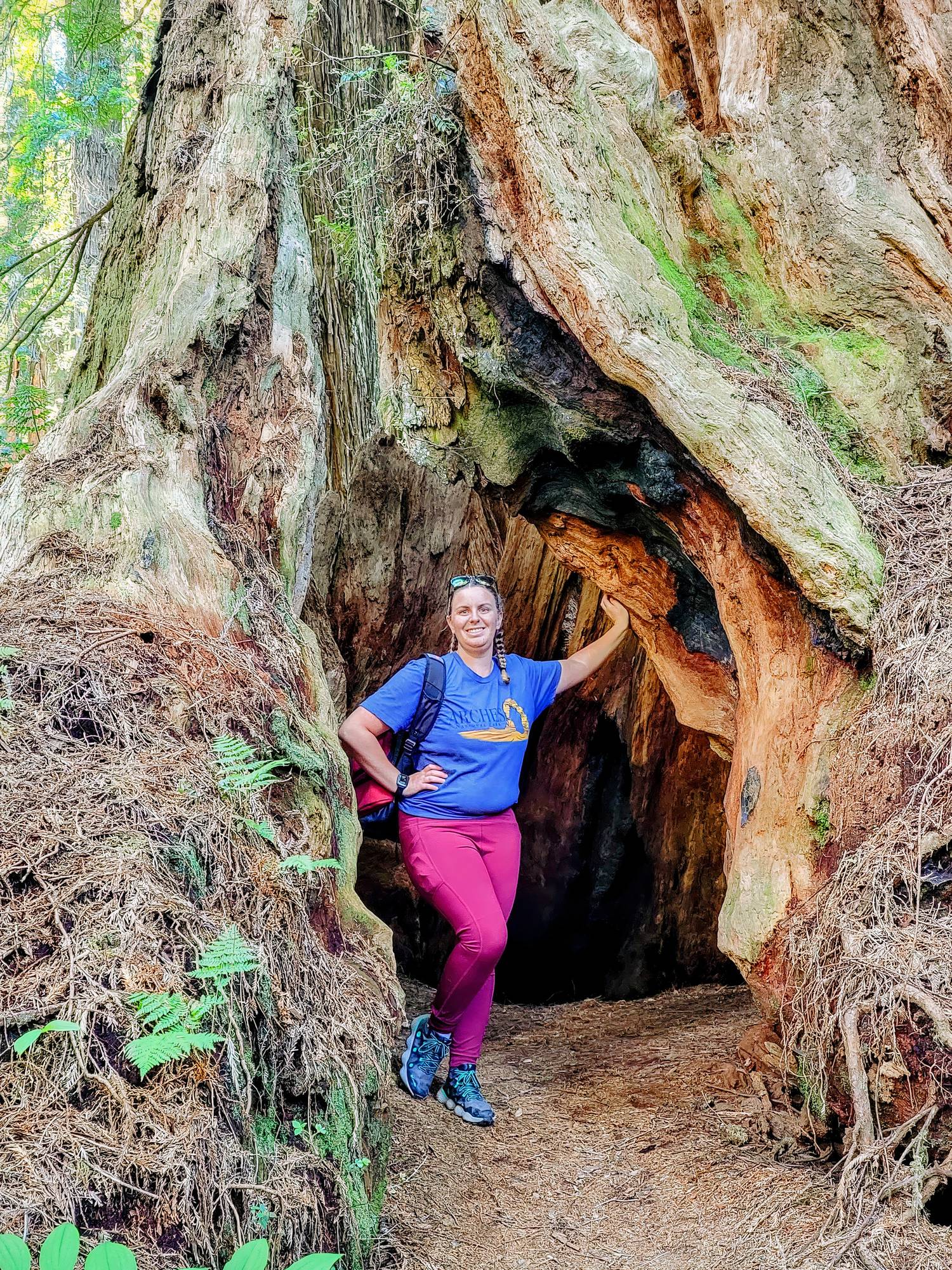
Creating a fulfilling national park itinerary is all about managing expectations. You should get to the park early and hit your “big-ticket” stop first thing, while the parking lots still have room. What about the rest of the day?
After you’ve finished that bucket-list hike, you’ve likely still got several hours to explore. Unfortunately, by that time, it’s midday and every well-known trailhead is full, with cars looping for upwards of an hour waiting for a spot.
This is the time to pull out a list of “less popular” trails. I highly recommend chatting with a park ranger at the entrance or visitor center to get ideas for where to go in the afternoons, when the parks are at their busiest.
Grocery Bags Are A National Park Hiker’s Best Friend
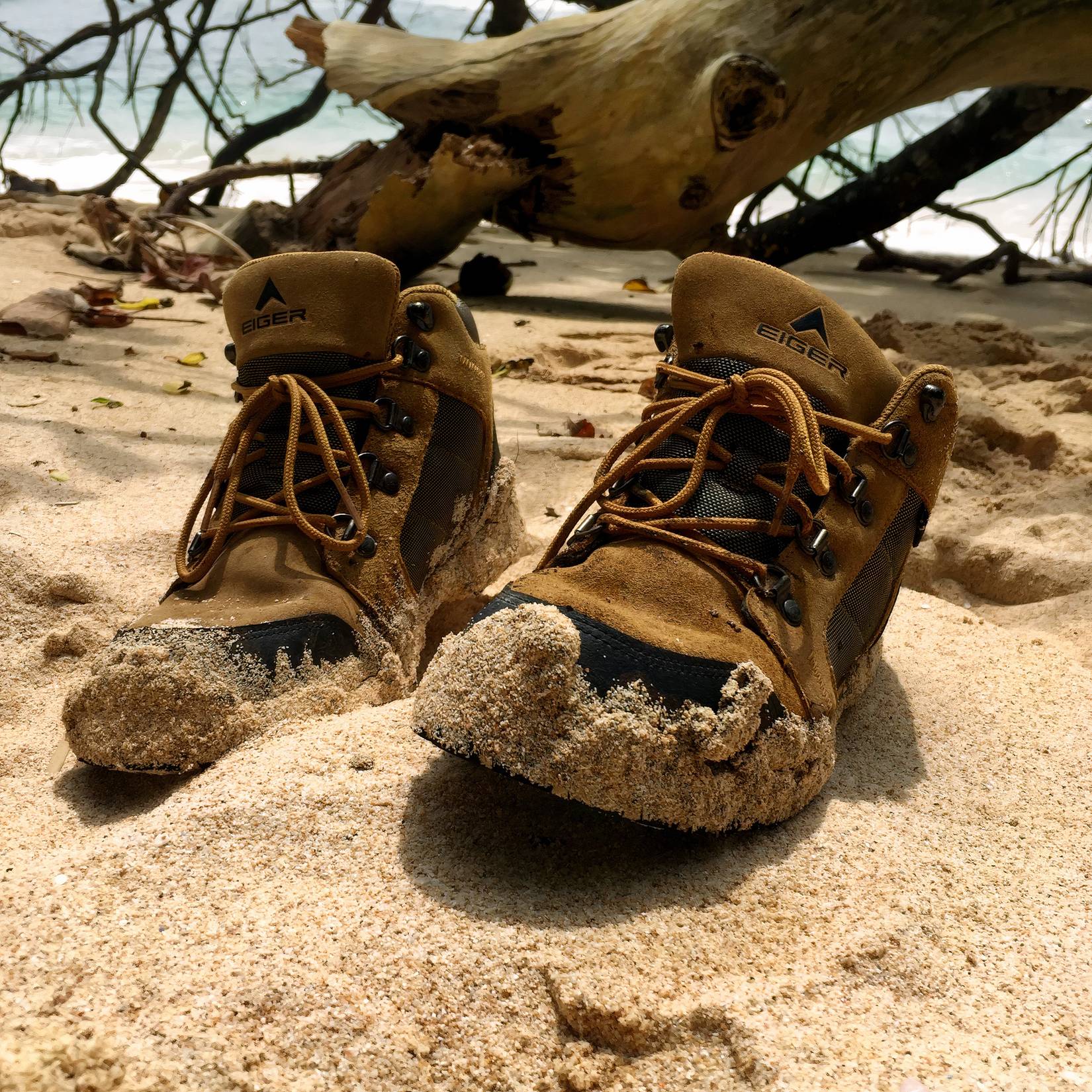
Grocery bags are the unsung heroes of national park visits. Keep one in your backpack so you can actually leave no trace (including those orange peels). Keep another around your snacks so that when they inevitably pop open, the mess doesn’t go anywhere.
Most importantly, though, a bag full of grocery bags is going to save you that cleaning fee on the rental car you drove to the park. After all, parks are messy places. A bag can hold your change of clothes or go around your shoes after they’ve been caked in red clay.
There Is No Such Thing As Overpacking Water
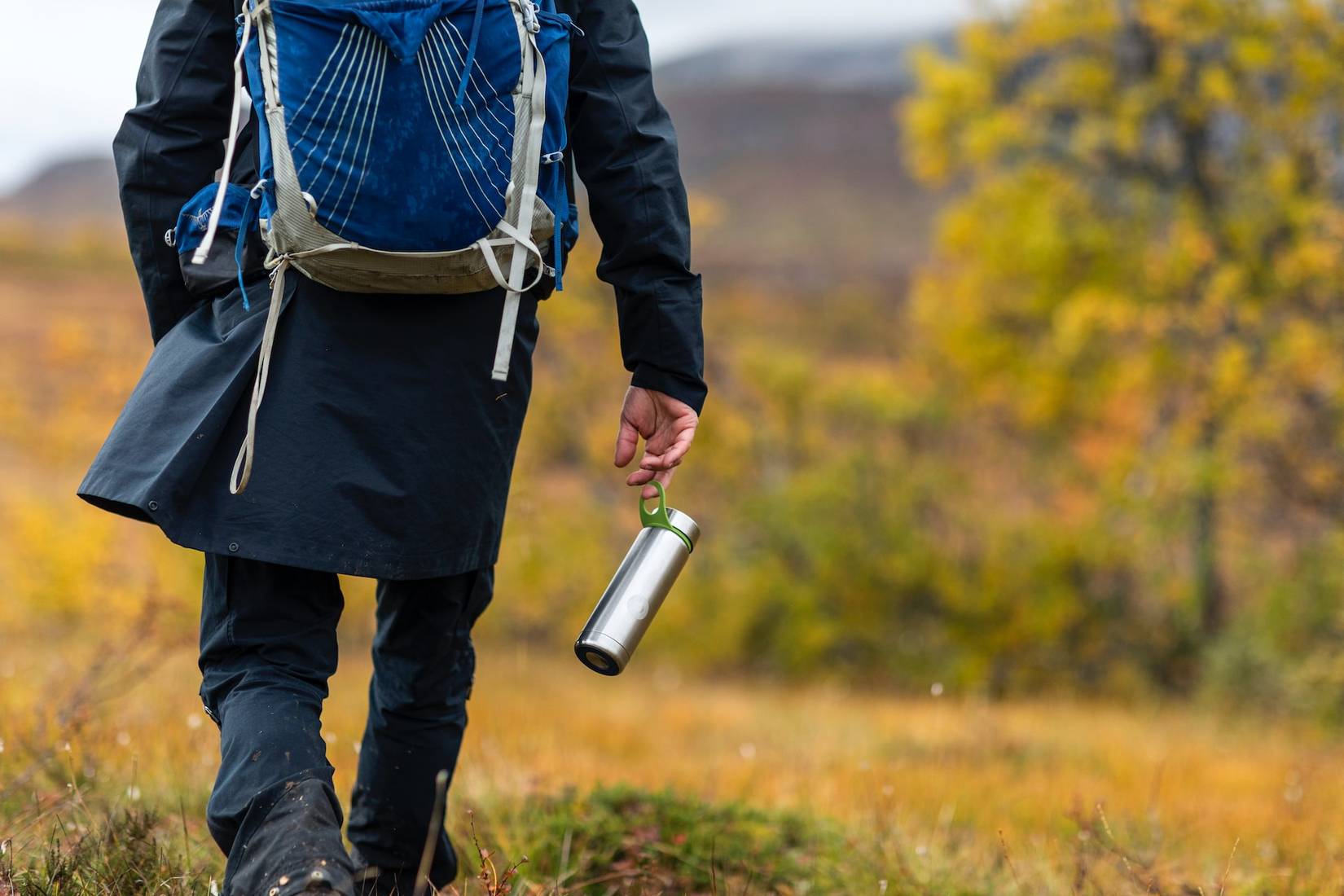
National parks, particularly the visitor centers, are generally well stocked. Drinking fountains and bottle fill-up stations abound, generally accompanied by signs reminding people to stay hydrated.
That doesn’t mean you should just count on filling up your bottles when you get to the park. Visitor center parking lots are some of the first places to fill up, and, as previously mentioned, plumbing is not guaranteed further into the parks. Counting on the national park to provide you with water is a great way to end up on the opposite end of Zion’s scenic drive on a hiking trail with nothing but a hot bottle of Powerade left in the car from the day before because you couldn’t find water.
Hiking wisdom says to bring one liter of water per person per hour of hiking. If you have your own vehicle, plan to fill up all the water you could need for the day before you leave and leave the extras in the car. Never have I ever been sad I had more water than I needed for a day in a national park.
Final Tips On Visiting America’s National Parks
The national park system is indeed one of the crown jewels of the U.S. They are a testament to the power of leaving the land as it is. They are also extremely popular and getting more crowded every year.
At the end of the day, even the most perfect day in a national park is going to have some bumps. Arrive with a plan, with lots of food, water, and grocery bags in hand, and be okay if things don’t go how you envisioned them. Check with rangers and make sure your plan is realistic. Spend too much in the gift shop while you’re there (the proceeds go to the parks, after all!).
National parks aren’t a competition, nor are they a Pokémon collection. You don’t get a prize for collecting them all, or for doing every high-stakes hike that comes across your Instagram feed. The best national park experiences will come by planning an itinerary that matches your interests and ability levels, regardless of what that looks like.
So, have fun, be patient, and learn from my mistakes so you can have a drama-free national park visit.