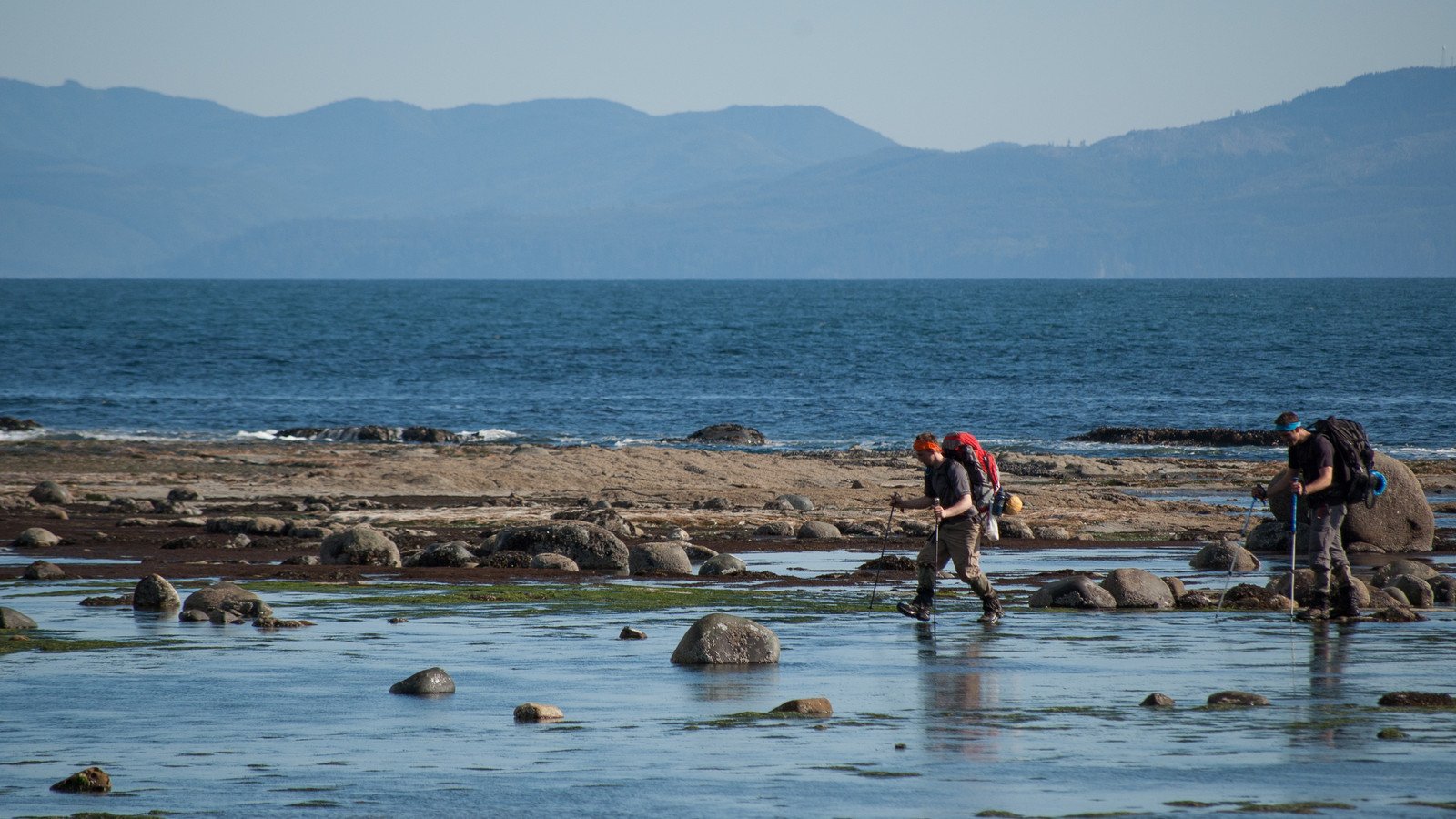
A popular trail in a beloved Canadian national park has been severely affected by the weather. Parks Canada has now warned visitors to delay or cancel their trips, as it reports the trail is currently experiencing hazardous conditions.
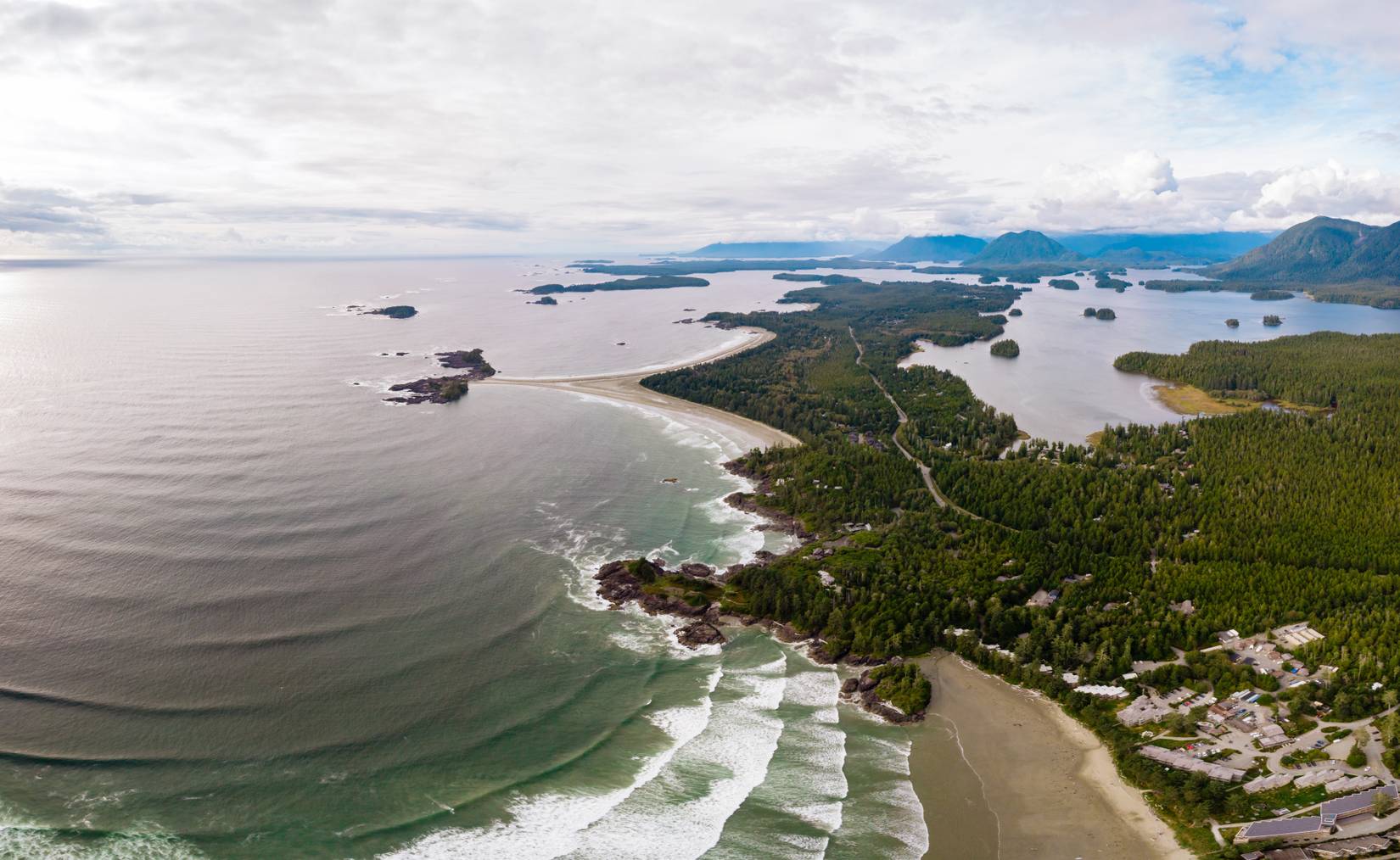
The West Coast Trail is in British Columbia’s Pacific Rim National Park, which is ranked among the most visited national parks in Canada. In the 2024 to 2025 fiscal year, Parks Canada reported the national park saw over 1.1 million visitors. On July 27, the Canadian agency announced that the West Coast Trail, one of Pacific Rim’s most popular, has become “impassable.”
Parks Canada Issues Warning To Hikers Over Popular Trail’s Conditions
In a July 27 Facebook post, Parks Canada stated that the West Coast Trail has become impassable due to heavy rainfall. It added that conditions are hazardous and more rain is expected in the coming days.
“Creeks and rivers are running high, and more rain is expected through Wednesday, July 29,” Parks Canada wrote.
The agency further recommends that hikers should not attempt to cross creeks or rivers on foot. Parks Canada added that travelers should delay their trips until at least July 30, adding that those who choose to do so should contact water-taxi, shuttle and accommodation providers once they change their plans.
According to the Weather Channel, Vancouver Island is expected to see rainfall on July 31 and August 1 as well.
The West Coast Trail is a popular multi-day backpacking trip that spans 75 kilometers (roughly 47 miles) on Vancouver Island in British Columbia.
However, hikers with existing reservations that fall on the listed hazardous dates aren’t completely out of luck. Parks Canada states that they can cancel their reservation and request a full refund, which includes transaction fees. Specifically, visitors with reservations from July 27 to August 1 can cancel for a full refund, according to the agency.
Furthermore, Parks Canada issued guidance for those planning to hike the trail regardless of conditions, stating that they should do so “only if fully prepared and self-sufficient, with adequate supplies and rain gear.”
“Hikers must be prepared to wait several days for water levels to recede, or to self-evacuate through their starting point or Nitinaht Lake,” Parks Canada added.
While the trail appears to be dangerous right now, it is already known as a challenging hike.
Information On Pacific Rim National Park’s Popular West Coast Trail
Parks Canada, on its website, warns that the trail is a challenge for experienced hikers, since they must “climb more than 100 ladder systems with a heavy pack, trudge through deep mud, wade through fast-flowing rivers.” The federal government agency warned that the “rough” weather is part of the challenge, with heavy wind and rain often occurring.
Parks Canada states that hikers should know what to expect before embarking on the hike.
“Before deciding to reserve a spot on the West Coast Trail, it’s important that you and your group fully understand what to expect on the journey,” the agency states.
It is estimated that 7,500 people hike the trail annually, with many failing to finish it.
Parks Canada states that it is a Type 3 trail and that hikers should expect several obstacles, including broken ladders and boardwalks.
“This is a remote Type 3 trail and hikers should expect missing or rotten boardwalks, missing planks, exposed nails, non-functioning ladders and bridges, missing ladder rungs (may include consecutive missing rungs), non-functioning cable cars, downed trees, and unpassable creeks and rivers,” the agency says.
Trails are typically ranked on a scale of 1 to 5, with 3 denoting rugged terrain.
The trail is recommended for experienced hikers with a flexible schedule, since injuries, weather, and other factors can mean the roughly one-week hike takes even longer.
Meanwhile, Pacific Rim National Park isn’t the only park affected by flooding in the past year.
A U.S. National Park Was Impacted By Flooding Due To Severe Storms
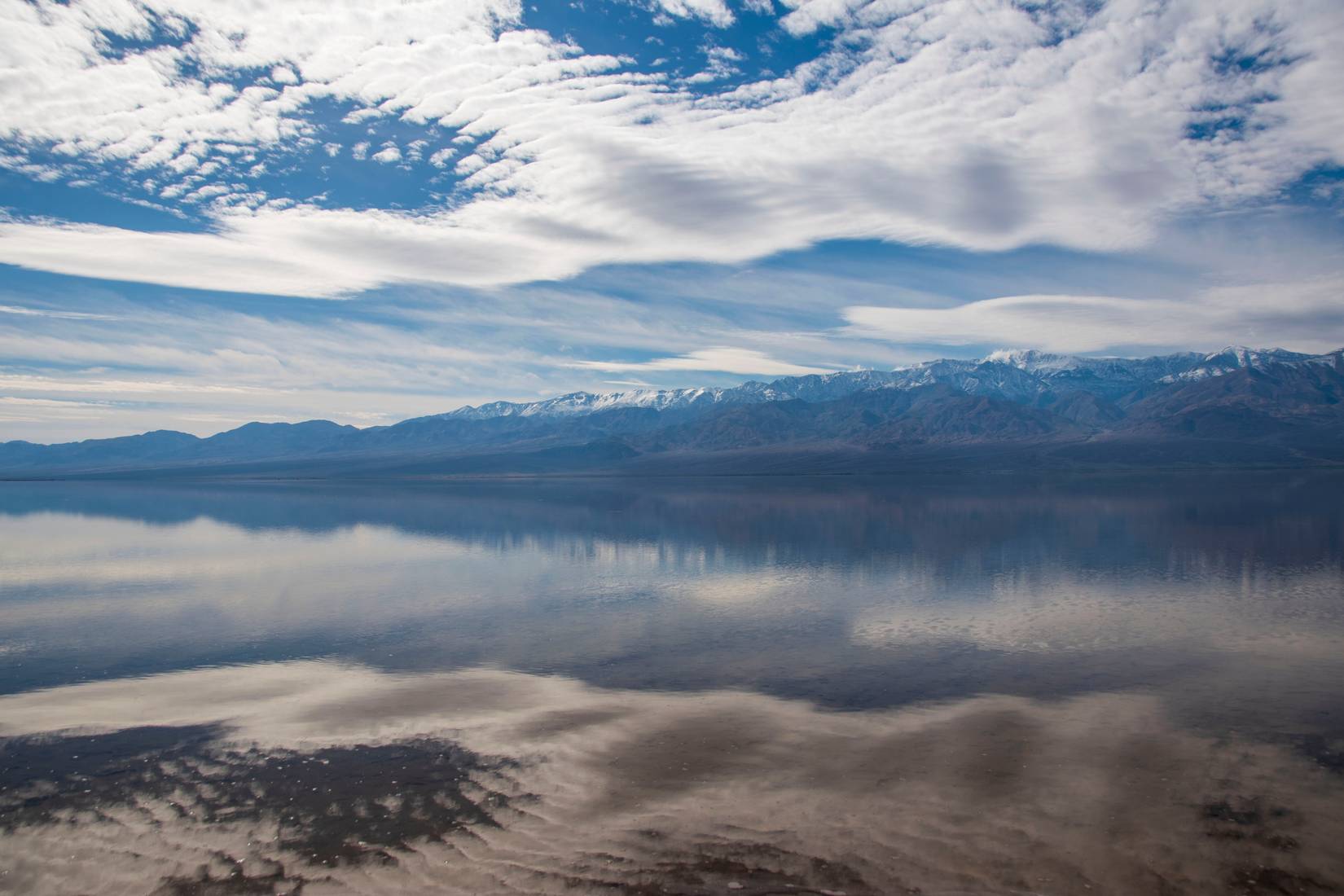
In Dec. 2025, Death Valley National Park, the driest place in North America, saw record rainfall, according to a press release from the National Park Service (NPS). Powerful storms between September and November brought 2.41 inches of rain, vastly exceeding its typical yearly total, and brought a rare phenomenon: an ancient temporary lake.
Lake Manly, the shallow body of water in the Badwater Basin, sits 282 feet below sea level.
The basin was once 600 feet deep and 100 miles long during the Pleistocene Ice Age, according to NASA.
The record-breaking rainfall is an indication of a wider increase in extreme weather in the region. According to a 2023 study published in Nature, extreme precipitation events have become more intense and frequent in recent years.
“In a warming climate, the atmosphere’s capacity to hold water vapor increases linearly with increasing temperatures, resulting in increased severity and likelihood associated with specific rainfall rates.”
The park is also incredibly hot, with average yearly highs around 91 degrees Fahrenheit, and summer temperatures can exceed 110 degrees. And warmer air can hold more moisture, which makes a short, powerful storm more likely.
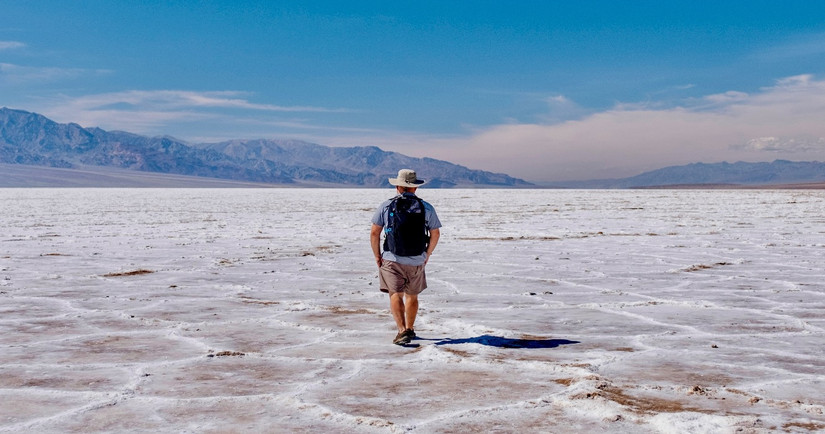
December didn’t mark the only recent incident of Lake Manly reemerging. In 2024, remnants of Hurricane Hilary added enough water to the basin to allow visitors to kayak across parts of it. Unlike at Death Valley, the rainfall at Pacific Rim National Park isn’t unusual for the area; however, hikers should still be aware of the dangers they could face in the adverse conditions.
TheTravel contacted Parks Canada, which stated it would issue a statement once it has the most up-to-date information.
window.arrayOfEmbeds[“d9246180d33af6c7”] = {‘facebook’ : ‘"n<div id="fb-root"></div>nn<div class="fb-post" data-href="https://www.facebook.com/PacificRimNPR/posts/pfbid036MCXdpZ4cGiTAumyne9MA5R1iAdMcer1Q1bMaTXvzXjXtPuRaxEm52tJdbrzfmdVl#" data-width="552"></div>n"’};
window.arrayOfEmbedScripts[“facebook”] = “"<script async="1" defer="1" crossorigin="anonymous" src="https://connect.facebook.net/en_US/sdk.js#xfbml=1&version=v25.0"></script>"”;