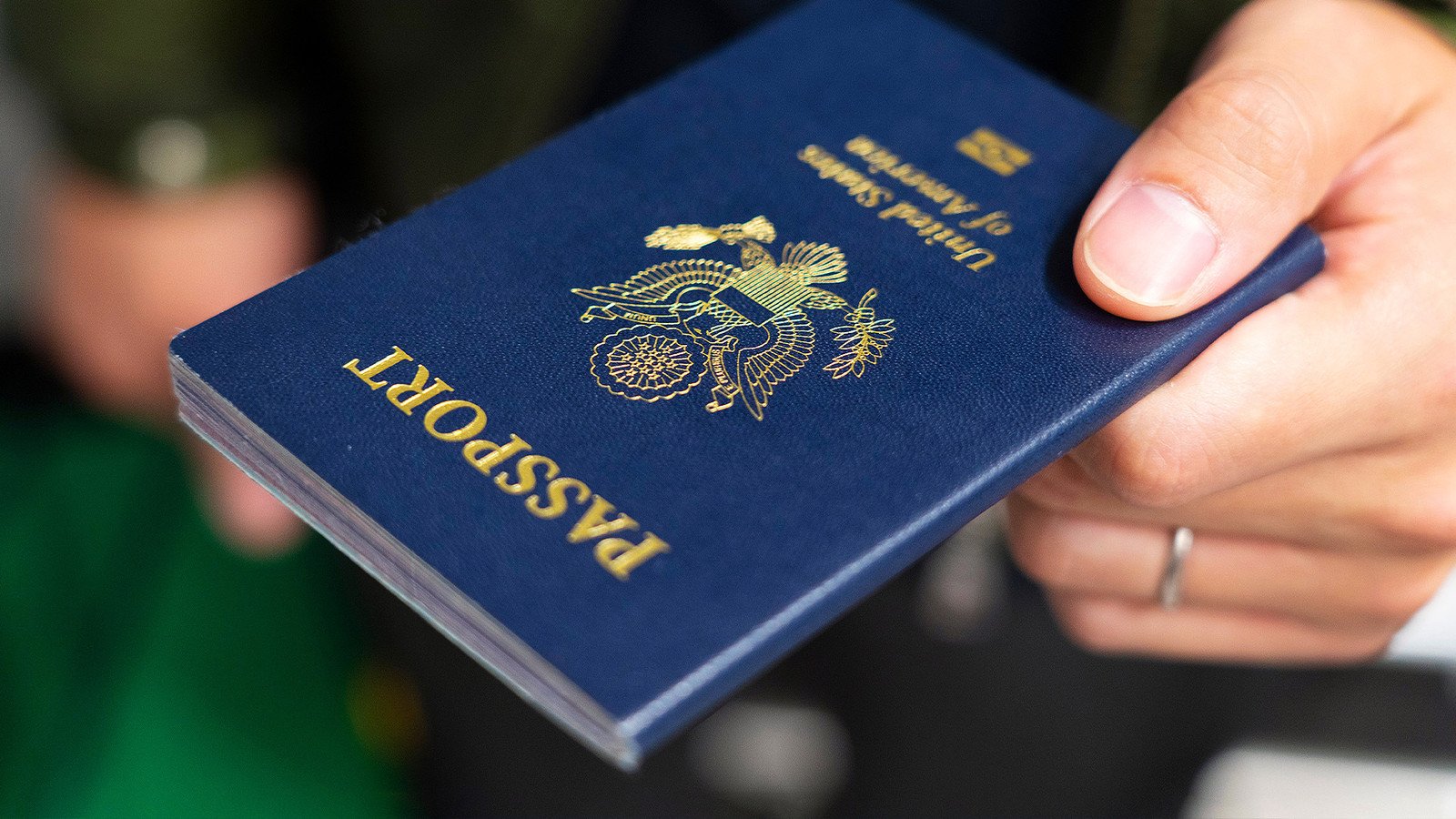
Two decades ago, having a U.S. passport carried more weight globally. It was tied for the world’s most powerful passport, giving Americans some of the broadest visa-free travel access available. But according to the latest Henley Passport Index, that advantage has steadily faded, with the United States now ranked 10th in the world alongside Iceland.
That doesn’t mean Americans suddenly need visas everywhere. U.S. passport holders can still visit 180 destinations without obtaining a visa in advance, making the U.S. passport one of the strongest in the world. The difference is that 36 other countries now offer even greater travel freedom, including neighboring Canada, which ranks seventh in the 2026 index. Singapore leads the rankings with visa-free access to 192 destinations.
The decline reflects a gradual shift that’s taken place over the past two decades and highlights how global mobility has changed. Before looking at why the U.S. has fallen in the rankings, it’s worth understanding how the Henley Passport Index measures passport strength.
What The Henley Passport Index Actually Measures
The Henley Passport Index is considered one of the most widely recognized rankings of passport strength. It evaluates 199 passports based on how many of the world’s 227 travel destinations citizens can enter without obtaining a visa before departure. The rankings are updated monthly using data from the International Air Transport Association (IATA).
The index measures travel freedom rather than the quality of the passport itself. The more destinations passport holders can access visa-free or by obtaining a visa on arrival or electronic travel authorization, the higher that passport ranks.
The U.S. Has Fallen Steadily Over Time
The change hasn’t happened overnight. While the U.S. passport ranked first in both 2006 and 2014, it has gradually slipped over the last decade before landing in 10th place in 2026.
U.S. Passport Ranking On The Henley Passport Index (2006–2026)
|
Year |
U.S. Ranking |
|
2006 |
1st |
|
2010 |
7th |
|
2014 |
1st |
|
2018 |
5th |
|
2022 |
6th |
|
2024 |
7th |
|
2025 |
9th |
|
2026 |
10th |
Historical rankings provide useful context, but they don’t tell the whole story. Even with the decline, U.S. citizens can still enter 180 destinations without applying for a visa beforehand, which remains among the world’s strongest passports.
Where The U.S. Passport Ranks Today
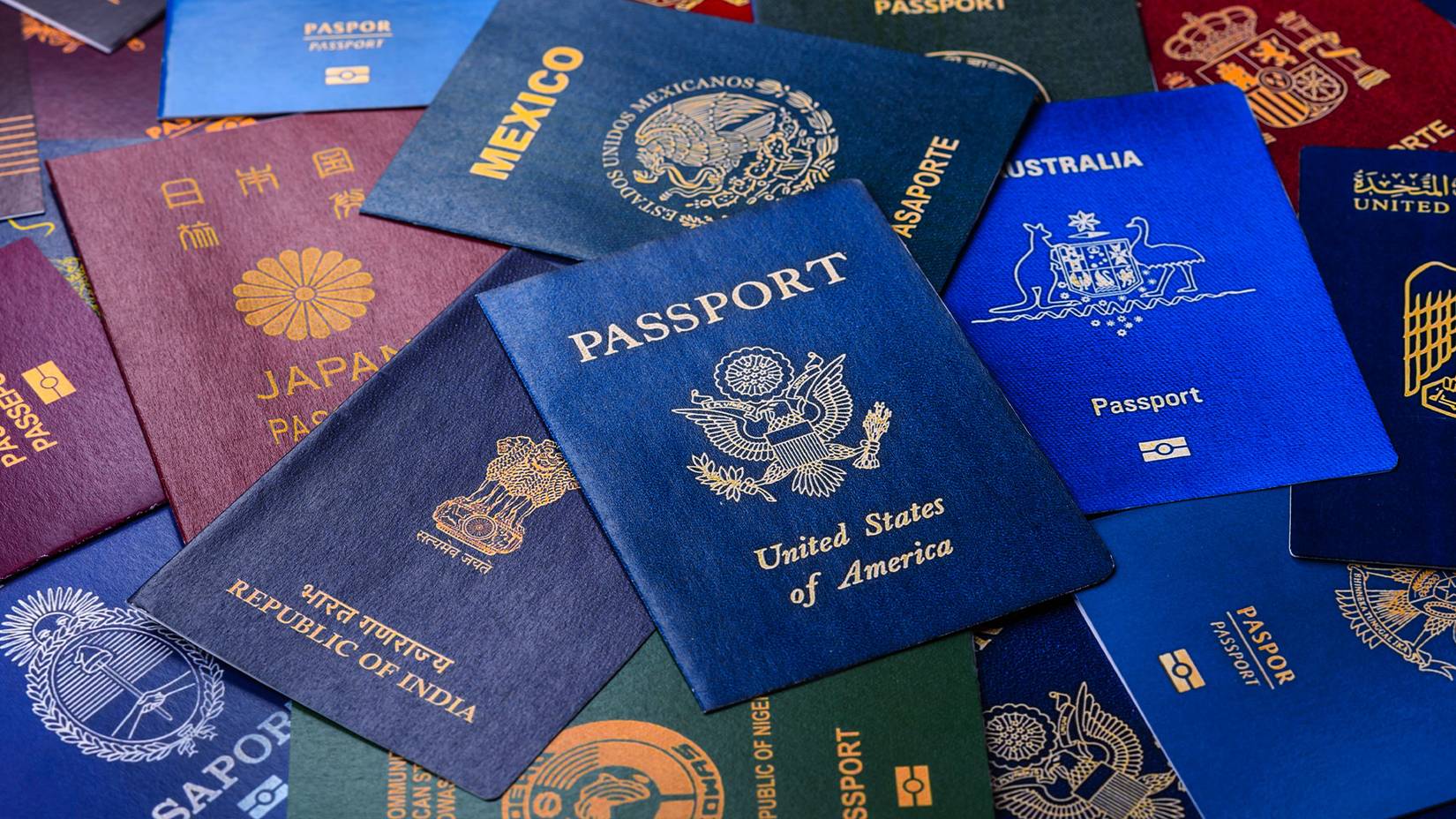
The United States now shares 10th place with Iceland, with visa-free access to 180 destinations. After ranking as the world’s most powerful passport in 2025, Singapore retained the top spot in 2026 with visa-free access to 192 destinations. Japan, South Korea, and the United Arab Emirates are tied for second with access to 188 destinations.
Because several countries share the same ranking, the United States actually trails 36 countries overall, despite sitting in 10th place. Europe continues to dominate the upper portion of the rankings, with numerous countries clustered between third and seventh place.
The World’s Top Ten Most Powerful Passports In 2026 (By Visa-Free Access)
|
Rank |
Countries |
Visa-Free Access (Destinations) |
|
1 |
Singapore |
192 |
|
2 |
Japan, South Korea, United Arab Emirates |
188 |
|
3 |
Sweden |
187 |
|
4 |
Belgium, Denmark, Finland, France, Germany, Ireland, Italy, Luxembourg, Netherlands, Norway, Spain |
186 |
|
5 |
Austria, Greece, Malta, Portugal, Switzerland |
185 |
|
6 |
Hungary, Poland, United Kingdom |
184 |
|
7 |
Australia, Canada, Czechia, Latvia, Malaysia, New Zealand, Slovakia, Slovenia |
183 |
|
8 |
Croatia, Estonia |
182 |
|
9 |
Liechtenstein, Lithuania |
181 |
|
10 |
Iceland, United States |
180 |
Even with the decline, American travelers continue to enjoy extensive international access. For most vacations, business trips, and cruises, the ranking change won’t affect travel plans. It primarily reflects how other countries have expanded their own visa-free agreements over time.
Why The U.S. Passport Has Slipped
The Henley Passport Index does not point to a single reason for the United States’ decline. Instead, it reflects years of changing diplomatic relationships, visa agreements, and broader global mobility trends.
In a statement provided to TheTravel, Dominic Volek, Group Head of Private Clients at Henley & Partners, said the decline is less about the United States losing travel freedom and more about other countries expanding theirs through diplomacy and reciprocal visa agreements.
“The story is less about the U.S. losing ground and more about the rest of the world catching up. The U.S. passport remains one of the world’s strongest, providing visa-free or visa-on-arrival access to 180 destinations today, up from around 130 when the Henley Passport Index was first published in 2006,” Volek told TheTravel.
Volek continued, “The difference is that many other countries have expanded their travel freedom even more rapidly over the past two decades through sustained diplomacy, reciprocal visa-waiver agreements, and stronger international partnerships.“
Henley & Partners also noted to TheTravel that passport strength is influenced by a combination of diplomacy, economic influence, international trust, and peacefulness rather than any single policy decision. One example is reciprocity.
While Americans can enter 180 destinations without obtaining a visa beforehand, the United States grants visa-free entry to relatively few nationalities compared with many other top-ranking countries. That imbalance may influence reciprocal travel agreements over time.

Several countries have also made significant gains over the past two decades. The United Arab Emirates is one of the biggest success stories, adding more visa-free destinations than any other passport since the index began in 2006.
Singapore has climbed from eighth place to first, while many European countries have maintained consistently high rankings through extensive regional mobility agreements.
What This Means For Travelers
- The U.S. passport still offers visa-free access to 180 destinations.
- A 10th place ranking means 36 countries now have broader visa-free access, not that Americans face new travel restrictions.
- Most leisure destinations remain easily accessible to U.S. passport holders.
- Passport rankings can change as countries negotiate new visa agreements.
- Always confirm entry requirements before traveling, as visa policies can change with little notice.
A passport’s ranking is just one piece of the travel puzzle. Entry requirements can vary by destination and may change over time. Before any international trip, always verify your destination’s current entry requirements.
Which Passports Now Offer More Travel Freedom?
Asia and Europe dominate the top of this year’s rankings. Singapore stands alone in first place, while Japan, South Korea, and the United Arab Emirates follow closely behind. Europe accounts for the majority of countries in the top 10, reflecting decades of strong diplomatic ties and broad visa-free travel agreements.
Meanwhile, the gap between the strongest and the weakest passports continues to be substantial. Singapore’s passport opens the door to 192 destinations, while Afghanistan remains at the bottom of the index with access to just 22 destinations. That 170-destination difference is the largest mobility gap recorded since the index was introduced.
For American travelers, the practical impact remains relatively small. A U.S. passport still provides access to the overwhelming majority of popular international destinations without requiring travelers to obtain a visa before departure. However, the latest rankings show that other countries have steadily expanded their citizens’ travel freedom at a faster pace.
The U.S. passport remains one of the world’s strongest travel documents, but it no longer sits near the very top like it did two decades ago. Although it shared first place at one time, it has gradually fallen to 10th in the 2026 Henley Passport Index, with 36 countries now offering their citizens greater visa-free mobility.
For Americans, the change won’t alter where they can vacation or do business abroad. Still, the rankings provide an interesting snapshot of how international travel agreements and global relationships have evolved over the past 20 years, showing that passport strength is constantly changing rather than remaining fixed.