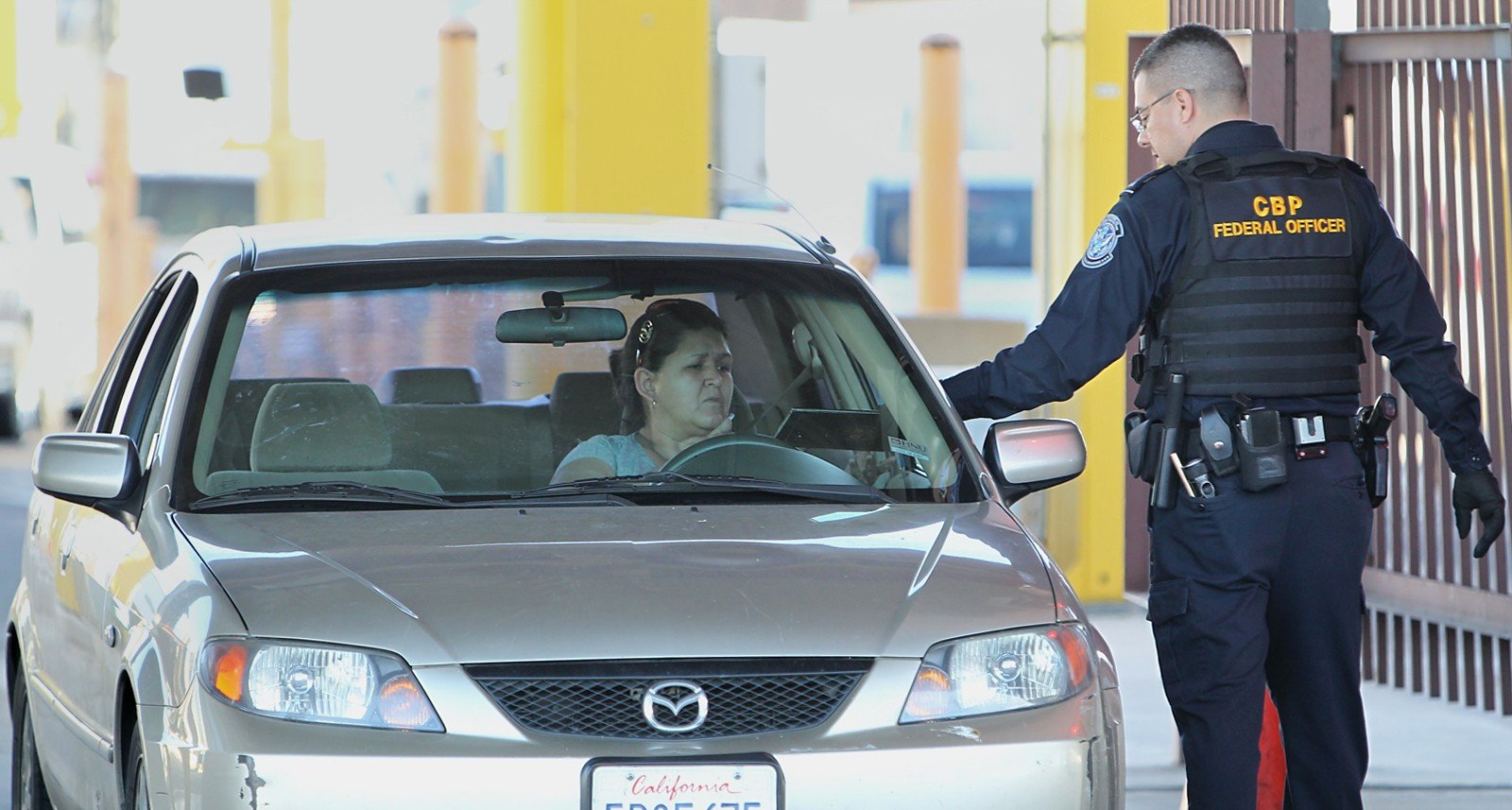
Customs and Border Protection (CBP) has had the authority to search electronic devices since 2009, but it has become a particularly relevant topic since Trump regained the office of the presidency in January 2025. Since then, searches of those entering the U.S. have become increasingly unpredictable, reports have circulated of travelers being denied entry for seemingly trivial reasons, and the prevalence of electronic device searches has increased. In 2025, the CBP searched 17.5% more electronic devices than the year previous, and anecdotal reports suggest that those trends may be continuing through 2026.
In this landscape of heightened restrictions and nebulous rules, it becomes even more important to ensure that the content on your phone won’t lead to your dismissal from the U.S. at the border. Despite the authority that CBP holds to determine whether you can enter the United States, there are some things you can do before your trip to protect yourself and your electronic devices, as San Diego-based Attorney, Jacob Sapochnick explains.
“Yes, CBP Officers Can Search Your Phone,” Warns American Lawyer
Though the TSA isn’t authorized to search your phone, the CBP is. The constitutional and lawful protections that every person inside the U.S. is entitled to that prevents unlawful searches and seizures don’t apply at a port of entry. When entering the U.S. with an ESTA authorization or any type of visa, any information on your phone can be used to determine whether you will be allowed to enter.
“Yes, CBP officers can search your phone. They can demand your password and search your phone without a warrant at the port of entry. They’re not just looking at your photos, they’re looking at your WhatsApp, your email, and even your notes app,” warns Sapochnick.
When CBP officers search your phone, they are typically looking for immigrant intent. This is any information that may signify that you intend to overstay your visa or visa waiver to the United States. Sapochnick offers an example in his informational video: a notes app list of potential ways to make money in Los Angeles.
“That is immigrant intent, working illegally. They can cancel your tourist visa right there and send you back. The border, the airport, is no place to play games. If you wanna work in the U.S., you need to get the right visa,” says Sapochnick.
He also notes that displaying immigrant intent at a U.S. port of entry can result in immediate deportation, a five-year ban, and the revocation of your visa, regardless of how many years you have left on it.
Though tourists are particularly vulnerable to CBP searches, they can technically search anyone’s electronic device who arrives at a port of entry. And even though they must be admitted to the country – and it is relatively rare – this includes American citizens.
You Can Be Denied Entry To The U.S. For Many Reasons
Though it is the reason most commonly invoked by CBP, evidence of immigrant intent isn’t the only thing border agents are searching for on your phone. According to the Border Search of Electronic Devices at Ports of Entry information page published by the CPB, they are looking for evidence of a number of potentially illicit behaviors or items.
“These searches have been used to identify and combat terrorist activity, drug smuggling, human smuggling, bulk cash smuggling, human trafficking, intellectual property rights violations and visa fraud, among other violations. They enable the discovery of digital contraband, such as child pornography, illicit transfer of restricted or classified information, or other export-controlled information,” explains the CBP.
Just as Sapochnick warned in his video, CBP is authorized to search all the information on your phone. They can read the messages you trade in social media apps, look at all of your texts, and access any documents you have saved in apps like Notes or Google Keep.
Additionally, you will have to be cautious about all of your devices, not just your phone. The Department of Homeland Security issued an update late last year that expanded the list of devices that are subject to search by the CBP. Though devices like phones, laptops, and tablets are the primary devices targeted, the complete list is quite extensive.
“Any device that may contain information in an electronic or digital form, such as computers, tablets, disks, drives, tapes, flash drives, SIM cards, global positioning systems, unmanned aircraft systems, vehicle infotainment systems, smart watches, mobile phones and other communication devices, cameras, music and other media players,” reads the CBP Directive No. 3340-049B.
Just as CBP can search all of your belongings, they can search all of your electronic devices as well.
Protect Your Electronic Devices When Traveling To The U.S.
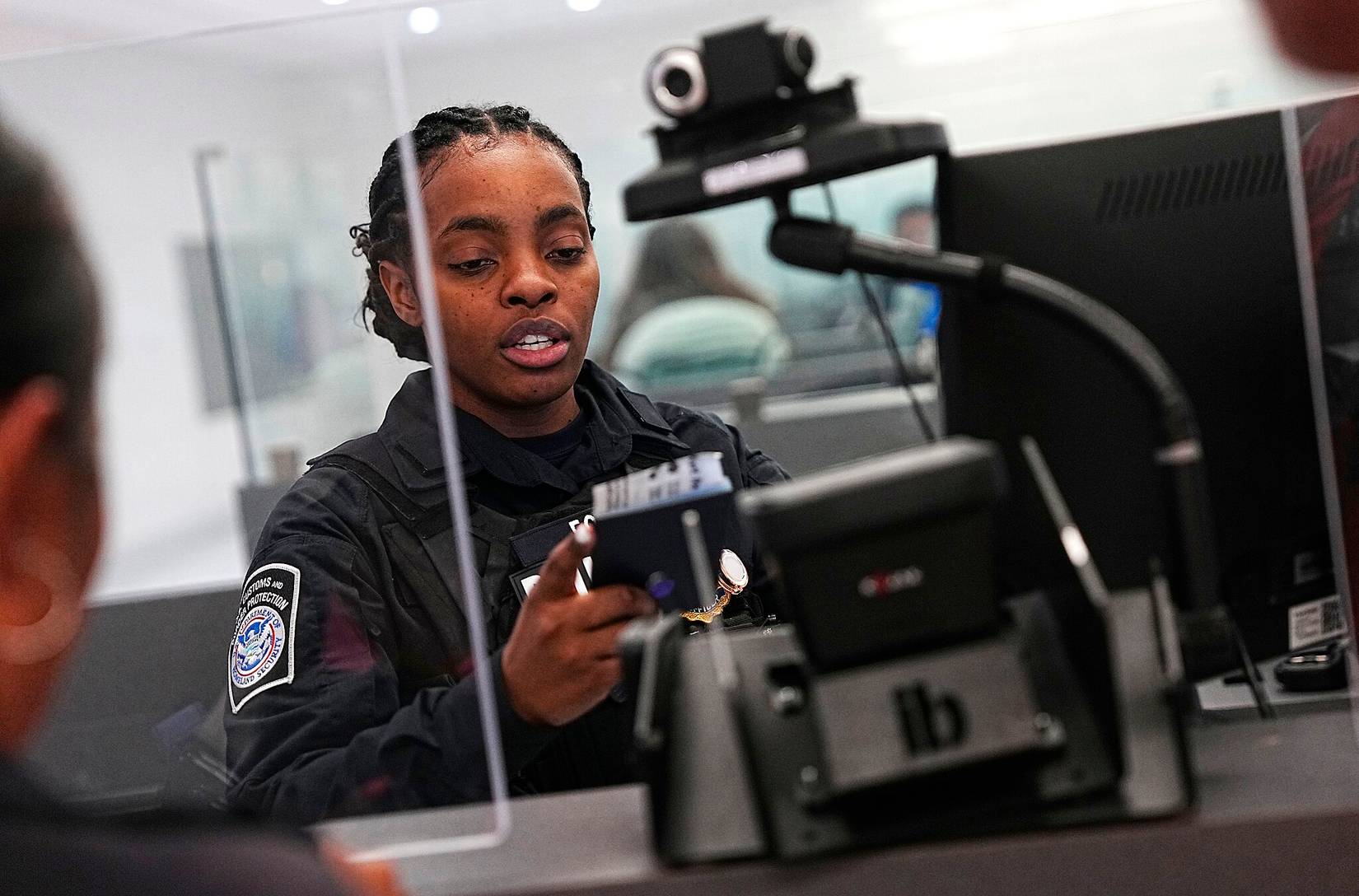
There have been many recent reports of the CBP behaving in an increasingly authoritarian manner in their entry determinations. Several travelers planning to attend the World Cup reported that their authorizations procured via the Electronic System for Travel Authorization (ESTA) were randomly revoked before their trips. Canadian citizens have been denied entry because of their country of birth, including a man born in Iran, and a Tunisian-Canadian family.
With admission denials on the rise, particularly in the wake of the State Department’s new directive to ban “far-left” travelers, it’s becoming increasingly likely that the information in your devices could lead to your deportation should you become the subject of a CBP device search.
The Guardian’s Johana Bhuiyan offered some advice for those planning to travel to the United States. While there are some measures you can take to mitigate your risk of denial, the power the CBP has to interpret what they find in whatever manner they see fit makes preventing a poor outcome difficult.
“Privacy experts say everyone should conduct a personal risk assessment – which should include your immigration status, travel history and what data you might have on your phone. There’s not a one-size-fits-all solution because data that may seem sensitive to some may not be to others, depending on your circumstances,” says Bhuiyan.
It is a tricky situation to navigate, but she recommends three steps you should take before traveling to the U.S. to give yourself the best chance of entry.
Steps You Can Take To Protect Your Device
|
Decide if you want to comply with a phone search |
You can technically choose not to comply with a CBP officer’s order to surrender your device for a search. In some cases, they may decide that there’s not enough evidence to warrant pressing the issue, and let you in anyway. However, they can also choose to confiscate your device, deport you, or both. |
|---|---|
|
Turn off your phone and Face ID |
Turning off your devices automatically employs an additional layer of security, as they may require a password to access the data on them. If you have decided that you are going to refuse to offer your passwords, turning off biometric unlock will ensure they won’t be able to access your phone without permission. |
|
Don’t wipe your phone |
While it seems like it may be best to wipe your phone completely before entering the U.S., this may cause even more suspicion than deleting certain information strategically. |
The reports of travelers having their devices searched upon arriving in the U.S. are real, but with that in mind, it is incredibly rare. You have less than 0.01% chance of a border agent seizing your device, and an even smaller chance of deportation. Ultimately, it’s up to the individual to decide if they’re willing to assume the risk in order to visit the U.S.