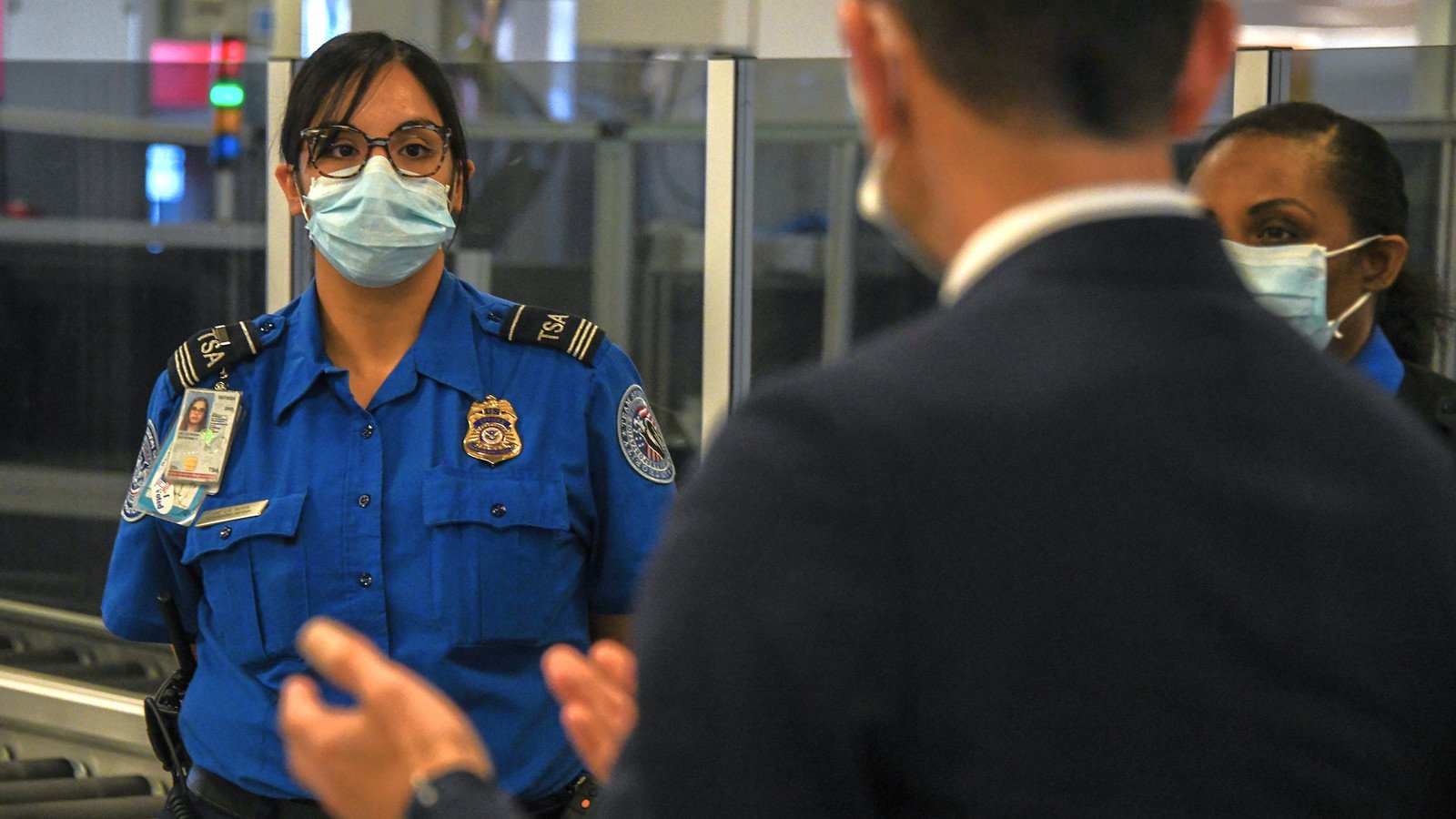
A new push from the Trump administration is prompting 47,000 Transportation Security Officers at 400 airports nationwide to fight back. The proposal, which would privatize airport security screening, has many speaking up over potential risks. Some are cautioning against history repeating itself, citing how the privatization of airport security led to the tragedy on September 11th, 2009.
TSA Gold+ Is the “Future of Aviation Security”
In an effort to make airport screening more efficient, the Trump administration is pushing to embrace the private sector. At the moment, 20 airports already use private screening companies, rather than federal TSA workers. Some of those include San Francisco International Airport (SFO) and Kansas City International Airport (MCI), while others, such as John F. Kennedy (JFK) and Los Angeles International Airport (LAX), utilize private VIP and screening locations.
TSA Gold+ is the expansion of the Screening Partnership Program. Through this, airport security is run by private companies, which bring in their own certified agents. And though they’re not TSA, all private contractors must follow federal and TSA screening procedures.
Many commercial airports opt in for security privatization because, in the long run, it reduces costs. It also allows them to bypass lengthy federal budget cycles for technology updates. During government shutdowns, employing security from the private sector also allows the airport to continue running smoothly. According to TSA Gold+, this private sector “will unlock innovation, expand screening capacity, and achieve world-class security and customer experience.”
However, not everyone feels that way.
The American Federation of Government Employees Raises Red Flags
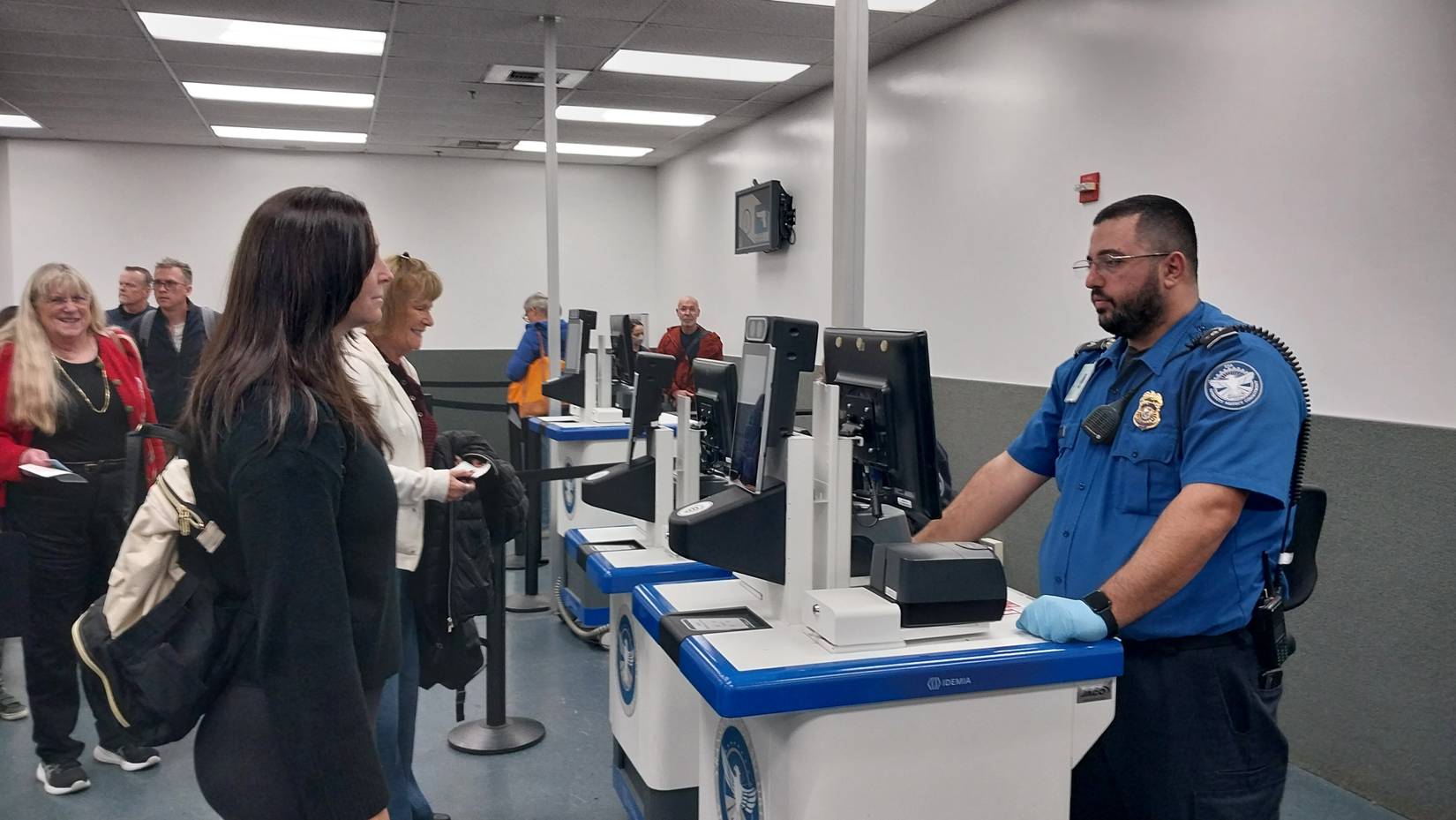
There are undeniable pros to private sector airport security, but as with many things, there are also cons. And the American Federation of Government Employees (AFGE) is vehemently fighting this new change. With Tampa, Charleston, and Des Moines slated to be among the first to join TSA Gold+ in 2027, current TSA security agents are pointing out the potential risks.
“Make no mistake – this is a major departure and step backwards from the aviation screening security system that Congress created in the wake of the Sept. 11th terrorist attacks in 2001 and the deadly bombing of Pan Am Flight 103 over Scotland in 1988,” AFGE National President Everett Kelley said in a statement.
He is backed by 47,000 TSOs who also believe that putting such a great responsibility in the hands of the private sector is a mistake. Doing so would mean that everything — from detecting explosives to scanning for weapons — would be in the hands of privately contracted agents. Although TSA provides oversight, federal operations would be limited in the day-to-day as another private company takes over.
“Changes of this magnitude should not be made behind closed doors without the input of Congress, the flying public, the local airport authorities, and TSA employees themselves,” Kelley said in his AFGE statement.
At major international hubs, concerns are only growing over the lack of security supervision. Kelley has since spoken out about the potential security risks that could become a reality if qualified federal agents are not the ones checking carry-on luggage. He has also attributed this oversight to the September 11th attacks, during which private sector security led to a national tragedy.
|
TSA |
Private Sector Security |
|
|---|---|---|
|
Operations |
Subject to federal pay scales, government hiring rules, and potential operational disruptions during federal government shutdowns. |
Continue working through federal government shutdowns as they are privately funded. |
|
Regulations |
Background checks, medical screenings, and TSA Academy training are required. |
Background checks, medical screenings, and TSA Academy training are required. However, a federal TSA director remains in charge of ProTools. |
|
Performance |
The federal TSA secures roughly 420+ U.S. airports. |
The private sector oversees only 20 airports. |
In addition to security concerns, the AFGE has also flagged problems with employment for TSA agents, should the private sector take over.
Thousands of TSO Positions Would Be Replaced
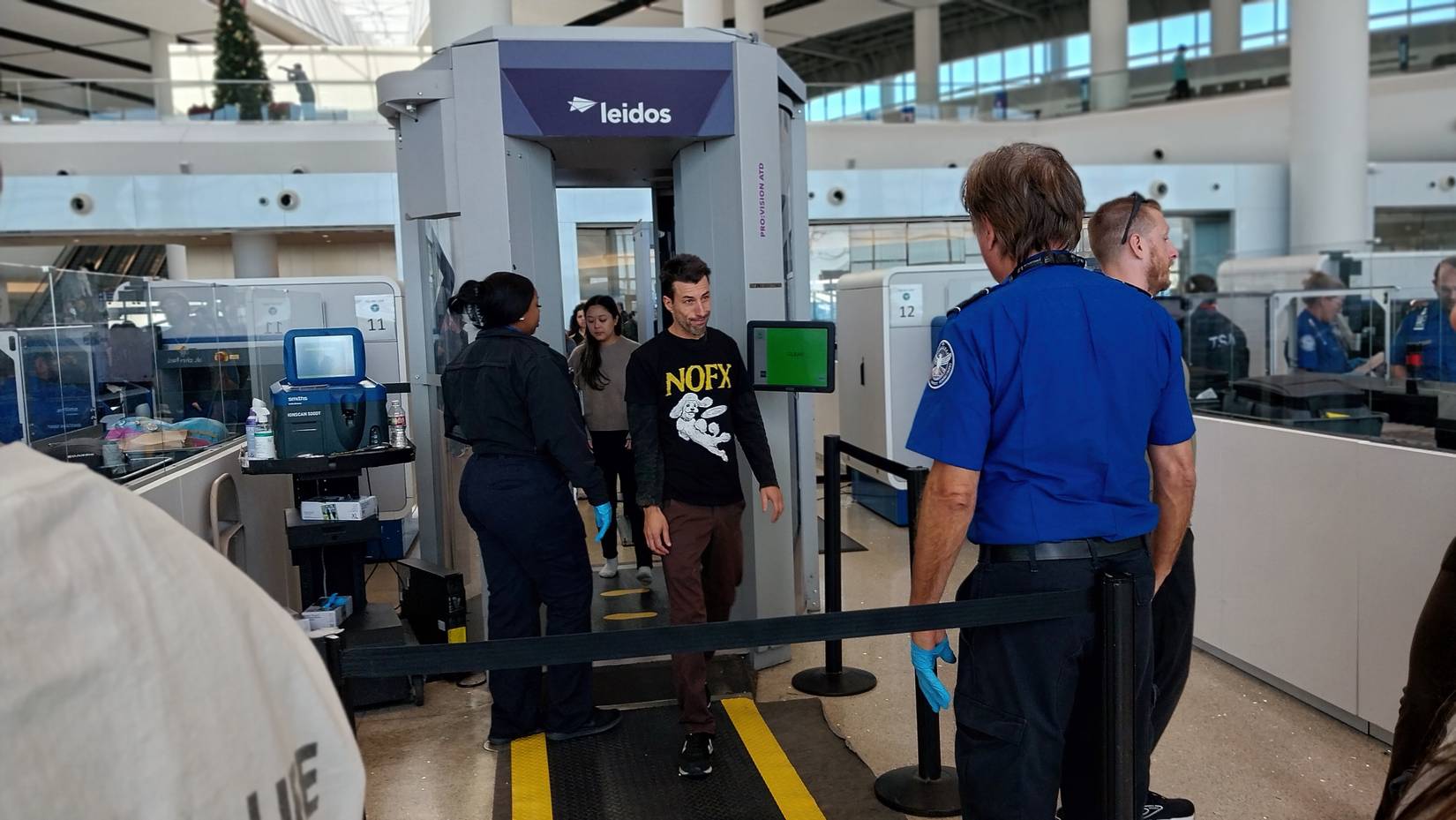
Kelley has also flagged that if the private sector were to take over airport security, TSA agents would suffer a significant loss. It’s estimated that roughly 8,400 TSO positions, approximately 14% of TSA’s screening workforce, would lose their current positions. Of those, roughly half would be replaced by mandatory expansion of the Screening Partnership Program.
“The Trump administration’s clear objective is to ultimately privatize all aviation security screening functions, and we don’t have to theorize about what that may look like because we have been through this before and witnessed the devastating and deadly consequences. The administration’s actions should concern all Americans, and AFGE will continue to speak out against any proposal that threatens our members’ jobs and jeopardizes the safety of the flying public,” said Kelley as part of his AFGE statement.
In total, 220 airports are expected to join the Screening Partnership Program, or TSA Gold+. This would also include small and non-hub airports, meaning no airport, regardless of its traffic, would be safe from TSO replacement.