Only weeks after United Airlines tweaked its checked bag protocol at Chicago O’Hare International Airport with a swanky “Twilight Baggage” system, another new “first-of-its-kind” checked baggage rule is coming to a much more unsuspecting airport in the United States — and one that again will impact United Airlines customers, as well as those flying with American Airlines.
The requirement will mean passengers take over the duty of bag check-in agents. While the process may sound to some as if the airport and airlines will be removing work from employees and handing it to customers, it actually gives more power (and arguably reduces stress) to passengers from the moment they arrive at the airport.
U.S. Airport’s New Checked Baggage Rule For American And United Airlines Passengers
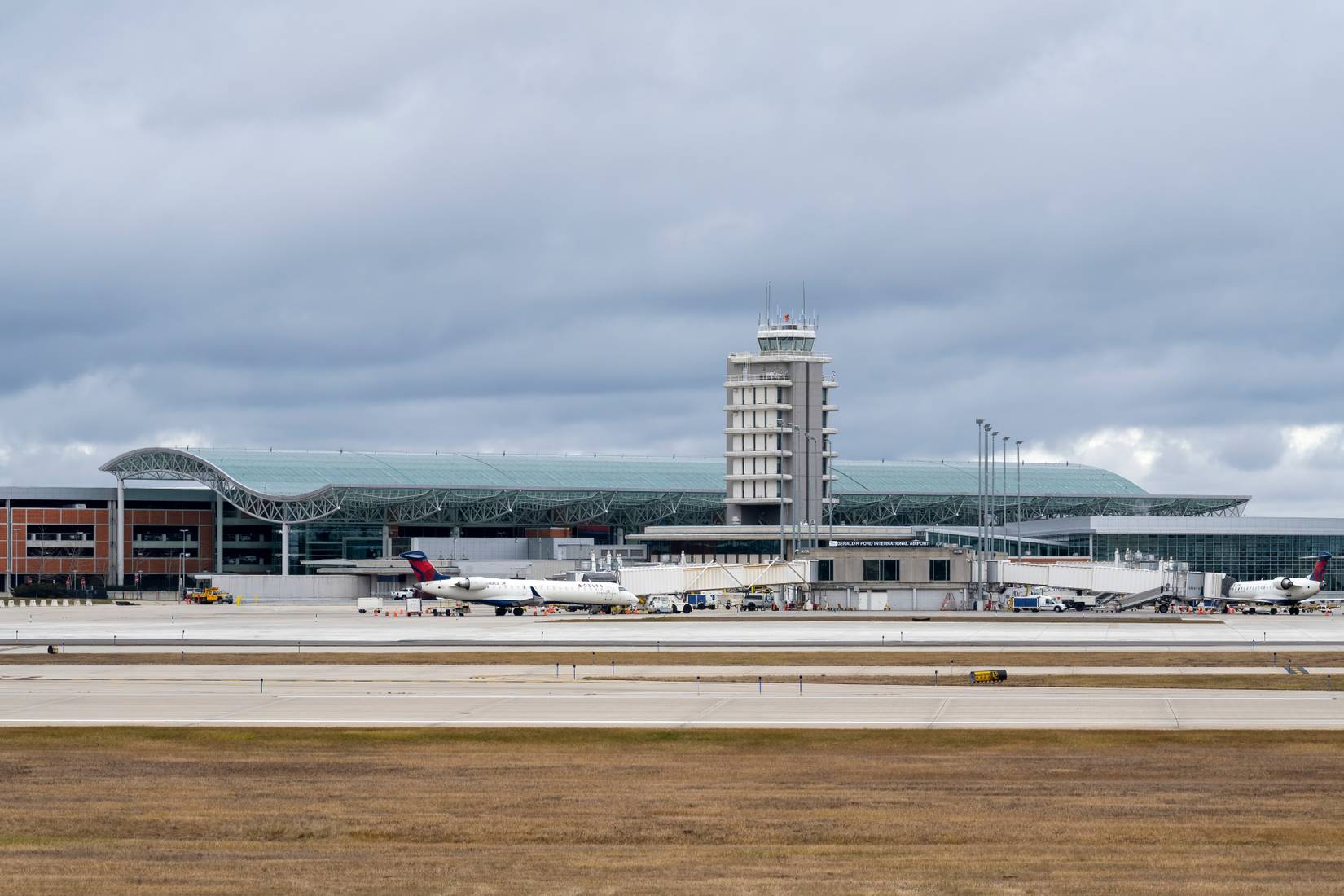
Gerald R. Ford International Airport (GRR) is ever closer to completing its terminal expansion and baggage screening upgrades. The regional hub’s Terminal Expansion Project is the latest phase of its long-term Elevate campaign, but one modernizing change that passengers will notice very soon is how they check their bags — and how TSA screens those bags.
“We’re changing the check-in experience and really adding elements to enhance your experience as our guest,” the airport’s Director of Engineering and Planning Casey Ries told News 8.
Passengers traveling with American Airlines and United Airlines will be among the first to take advantage of the upcoming checked bag rule change from September 9, which is intended to speed up the process of arriving and checking luggage.
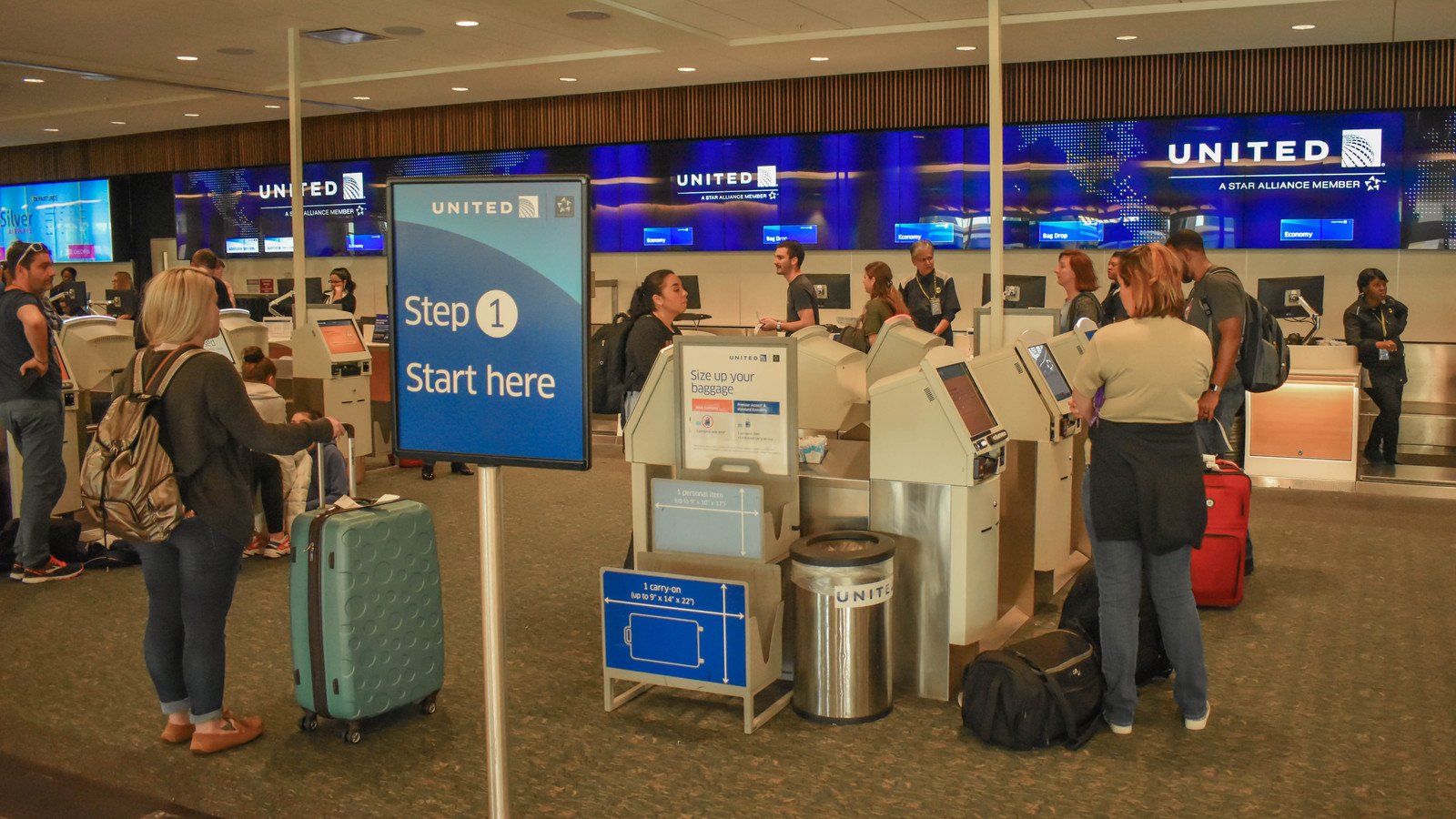
Usually, upon arrival, passengers head straight to the check-in desk staffed by airline employees. There, the employee weighs the bags, adds baggage tags, and sets them on the conveyor. However, the Grand Rapids, Michigan airport’s new system will put the onus on passengers.
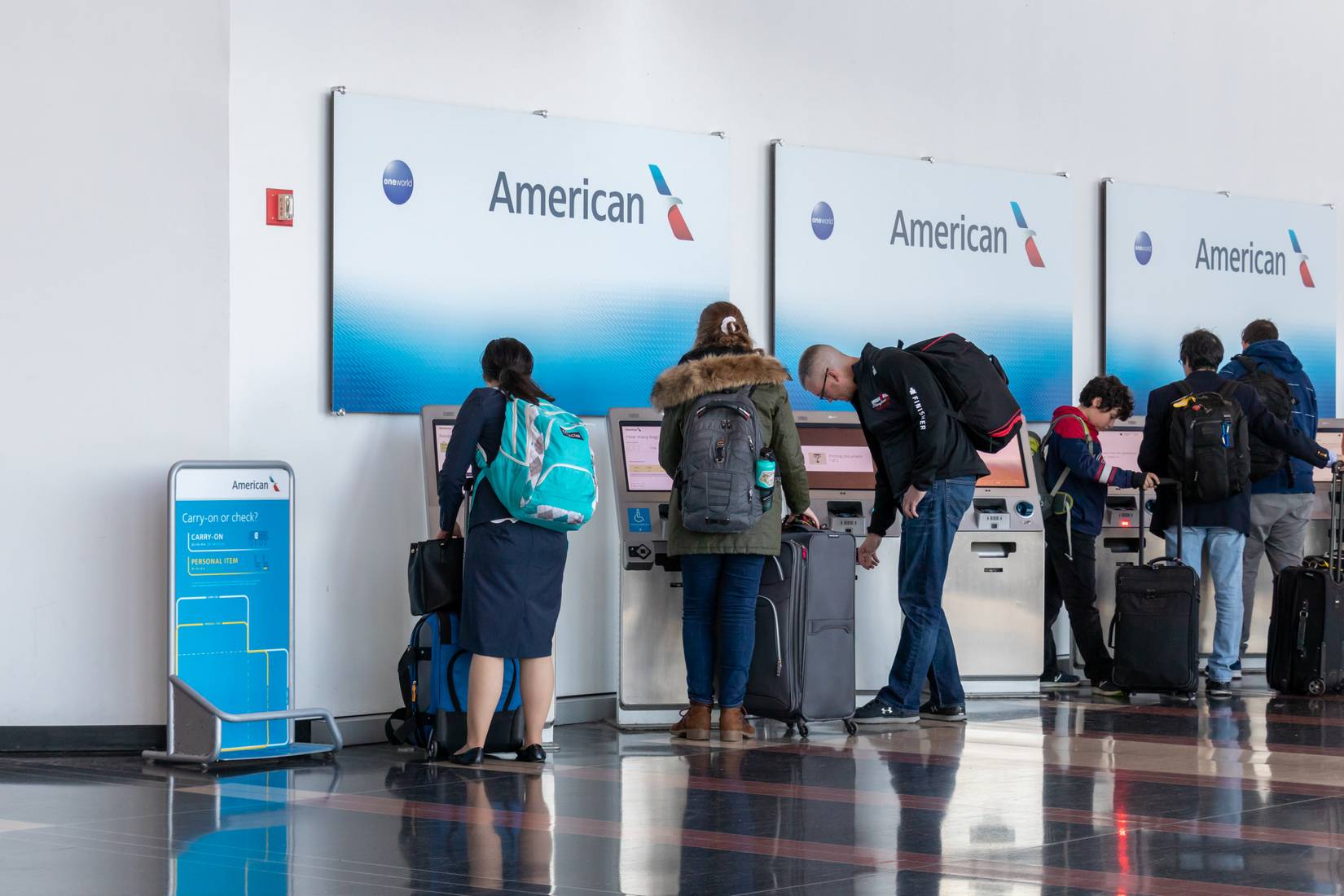
Instead, travelers will be required to check in exclusively at a self-serve kiosk, print and attach their bag tag, load their own luggage into the airport’s screening system, and send it off on the conveyor belt.
In addition to American and United Airlines, Frontier Airlines passengers will also be required to use GRR’s new self-service baggage kiosks. The five remaining airlines serving the hub will adopt it by the end of 2027.
TheTravel has contacted GRR for comment and for clarification on which airlines will eventually roll out the new system, plus how much time it’s expected to save passengers.
This specific system is fairly new to the U.S., but airports across the world have had it in place for years. Its implementation at GRR makes this regional hub among the first in the country, according to Ries, but not because of the self-service portion.
Rather, the “first-ever” accolade comes down to the additional automated checks and logistics that happen between the point the passenger checks their bag and when it’s loaded onto the aircraft.
GRR Is One Of The First To Implement This Specific Baggage System
Of course, most U.S. airports handling commercial passenger traffic feature some sort of baseline self-service baggage processing.
However, GRR’s new system is a little rarer. Fully automated self-service baggage drop systems, where passengers tag their luggage, weigh it, and wave goodbye to it after loading it onto the conveyor belt, all entirely without an airline agent, are only present at a handful of major hubs and an even smaller number of mid-sized airports in America.
But even rarer still is GRR’s new operation behind the scenes, which combines bag drop-off with Transportation Security Administration (TSA) screening and luggage loading onto planes.
GRR’s “First-Ever” Domestic ICS
GRR has installed one of the first domestic Individual Carrier Systems (ICS) to take passengers’ checked bags from initial drop-off, through TSA screening, back to the airlines to be loaded onto planes. The airport will combine the drop-off and TSA parts, which were previously separate, into one efficient network once upgrades are finalized.
“Today we are limited to about 600 bags per hour, and we near that during spring break and holiday rushes in the morning,” Ries said. “When the new system is fully operational, we will be at nearly one thousand bags per hour.”
The tote system particularly steers baggage efficiency. One piece of luggage is assigned to a specific plastic tote (a kind of bin, similar to those used at TSA checkpoints to contain carry-on bags). Those individual bins are RFID tracked to increase the accuracy of getting each bag to the right airline. They’re also transported around the hub on new, individually motorized castor tracks.
The modern checked baggage system is common abroad, but very elusive in the U.S. “The tote has been in place in Europe for about 15 years,” Ries said, adding that GRR is among the first in America to utilize the process.
“There are only three or four airports in the U.S. that are using this approach,” Ries confirmed.
Ries commented, though, that GRR is the “first in the U.S.” for one particular point, citing the power assigned to passengers at the self-service bag kiosks, which initiates the whole process.
“We will be the first in the United States to do that,” Ries explained.
In the comments section of WoodTV’s report on GRR’s upcoming changes, posted on Instagram, some travelers weren’t too impressed about the automation, particularly regarding a potential lack of employees around to assist customers.
|
“Great let’s cut more jobs,” one person commented. |
|
“Chaos ensues. Let’s make air travel even more stressful, impersonal, and frustrating, shall we?” another wrote. |
|
“All customers who can’t read are going to have trouble with this process,” another added. |
However, likely much to customers’ delight, Ries said that this efficient new automation won’t impact employment numbers at the airport. In fact, with employees freed up to fulfill other roles, they’ll probably be better placed to handle more pressing passenger concerns and needs. And that can only be a benefit for customers.
As more airports aim to modernize and optimize their baggage systems in the coming years, travelers can expect to see this technology roll out at even more hubs. The goal is to save time for both passengers and staff and improve the overall airport experience for travelers, especially when it comes to shortening bag check-in lines.