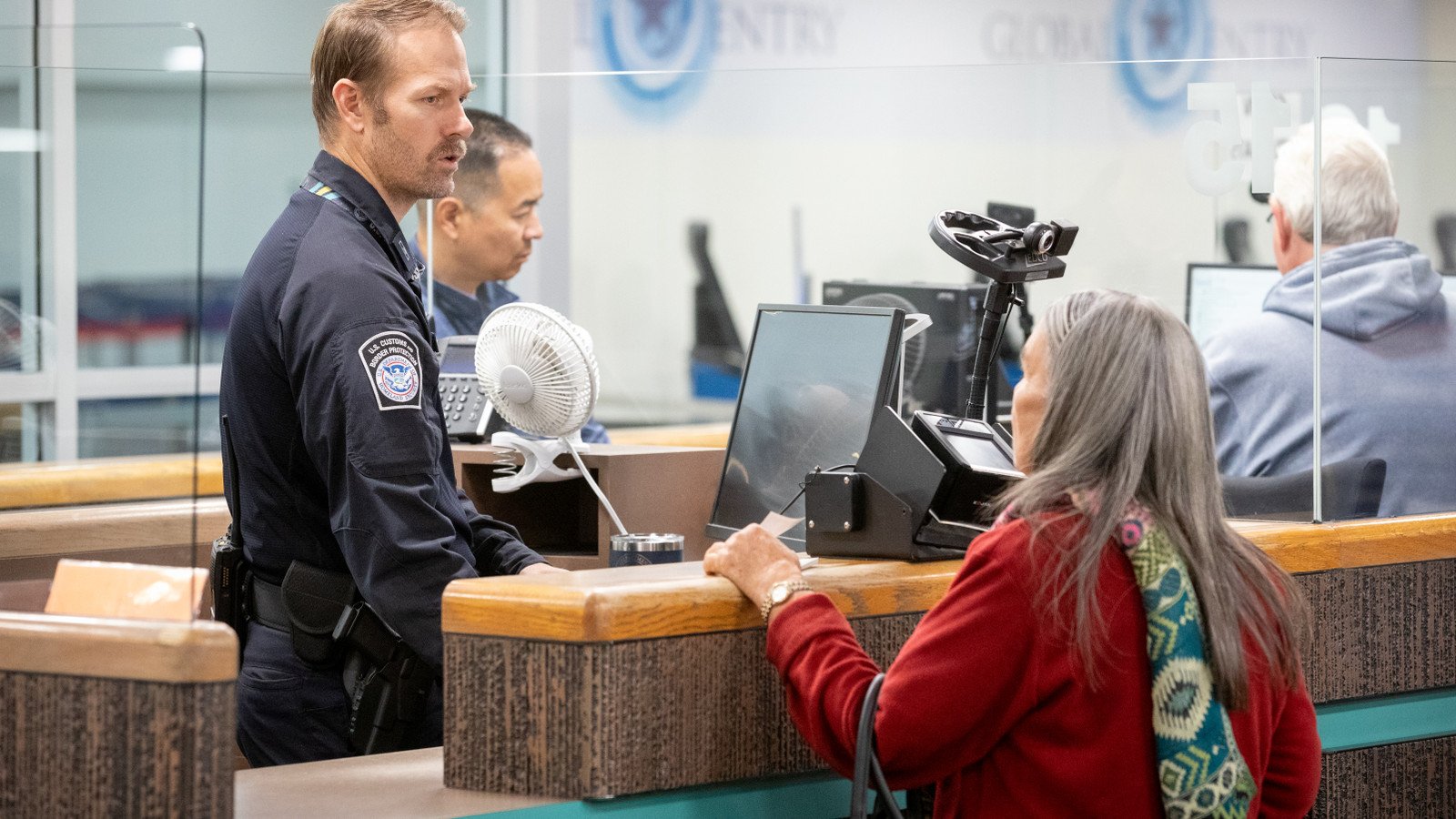
It would have been an ordinary flight for a traveler in South Florida if U.S. Customs and Border Protection had not discovered undeclared cash before the passenger flew out of the country for Kingston, Jamaica.
Federal officers uncovered more than $53,000 of undeclared currency from the outbound traveler, a violation of 31 U.S. Code § 5316, or failure to report international transportation of currency or monetary instruments. In a statement, CBP said that the traveler was arrested on federal money laundering charges, and warned travelers of the cash rules when going in and out of the United States.
CBP Arrests Traveler For Undeclared Currency At Fort Lauderdale–Hollywood International Airport
On July 1, U.S. Customs and Border Protection officers uncovered a significant amount of cash that authorities say was not properly disclosed before an international flight.
According to CBP, federal officers seized more than $53,800 in undeclared U.S. currency at Fort Lauderdale–Hollywood International Airport from a traveler heading to Kingston, Jamaica, who initially declared he was not carrying currency.
However, upon further inspection, officers discovered and verified $53,800 in U.S. currency and abruptly arrested the individual through the Homeland Security Investigation (HSI). CBP said that the passenger was arrested for money laundering under Title 18, U.S. Code, Section 1956.
In a statement released on July 16, Director of Field Operations Daniel Alonso for CBP’s Miami and Tampa Field Office, said that “criminal organizations often rely on bulk cash smuggling to move illicit proceeds across international borders.”
“CBP officers remain vigilant in identifying these violations and work closely with our law enforcement partners to disrupt transnational criminal activity while protecting the integrity of our nation’s borders,” said Alonso.
In recent months, CBP has arrested several travelers who failed to declare currency that they possessed. In April, federal officers also seized more than $44,000 in unreported currency from a passenger at Philadelphia International Airport.
When Travelers Must Declare Cash When Entering Or Leaving The U.S.
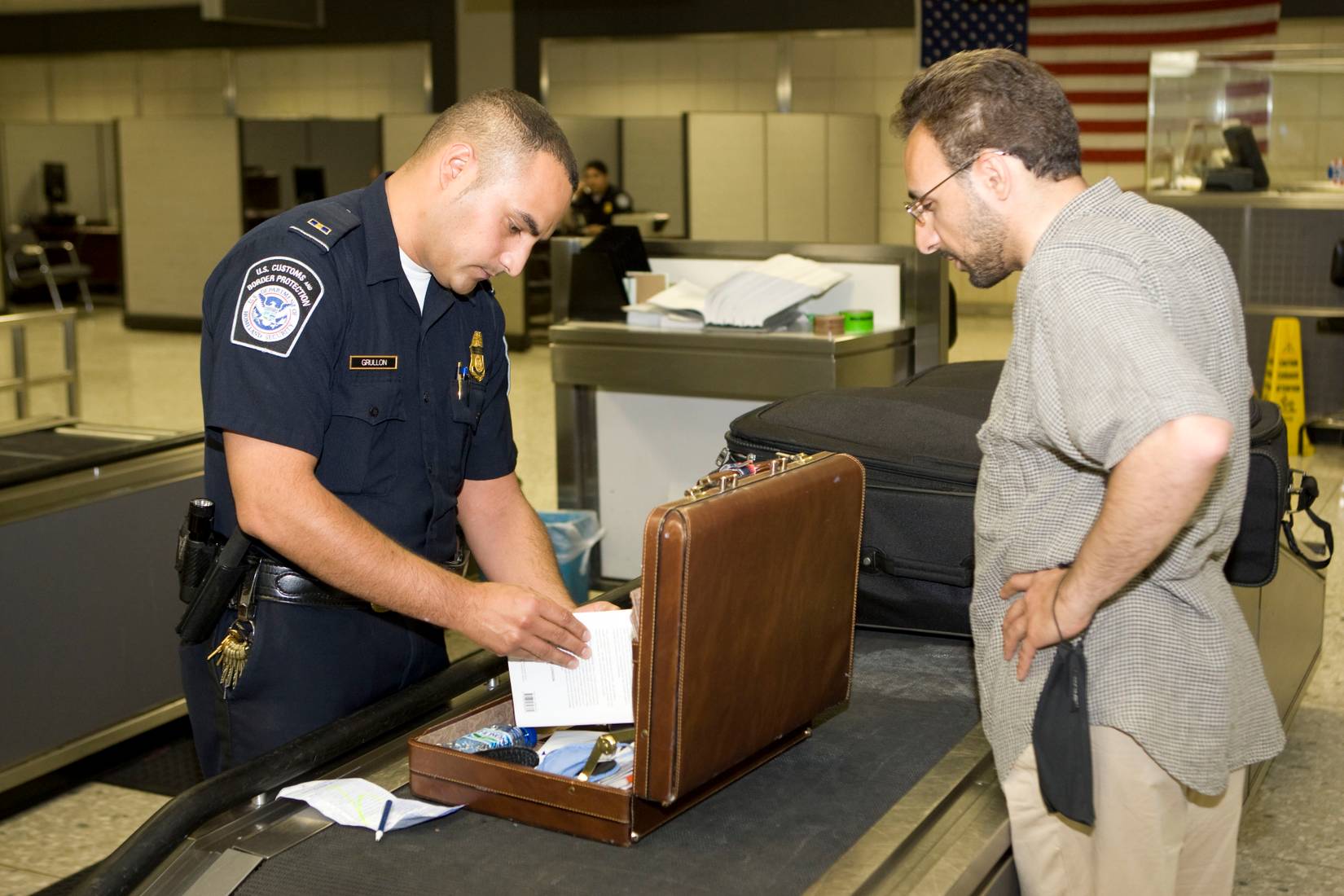
The CBP’s federal mandate requires all travelers who carry currency of more than $10,000 when arriving and departing the United States to report or file a declaration with the U.S. Department of the Treasury. Authorities have warned that unreported currency leads to serious offenses.
“Failure to report currency or filing a false report may result in the seizure of the currency and could lead to civil or criminal penalties,” reads CBP’s statement.
According to CBP, anyone who “brings, sends, or receives currency or monetary instruments totaling more than $10,000 at one time, either into or out of the United States,” must report it to the U.S. Treasury on a U.S. Treasury Department Report of International Transportation of Currency or Monetary Instruments form.
Travelers can fill out the FinCEN Form 105 electronically to report the total currency when entering or exiting the U.S., or download the form and present it to the border officers.
When families or groups are traveling together, however, the $10,000 threshold applies to the total amount they carry or send collectively, not per person.
The declaration of currency applies to the following travelers:
- Traveling for business
- Sending money abroad, or
- Bringing savings back home
Data for the U.S. Customs and Border Protection Currency and Other Monetary Instrument Seizures show a $48.5 million in total seizures as of June 2026. Fiscal year 2025 shows $66 million, up from the years 2023 and 2024.
CBP Currency And Other Monetary Instrument Seizures
|
2023: |
$53 million |
|
2024: |
$45 million |
|
2025: |
$66.6 million |
|
2026 (as of June): |
$48.5 million |
The seized currency remains in federal custody while investigations and the legal forfeiture process are ongoing. Owners of the funds can legally contest the forfeiture and timely prove a lawful source or intent for the return of the money.
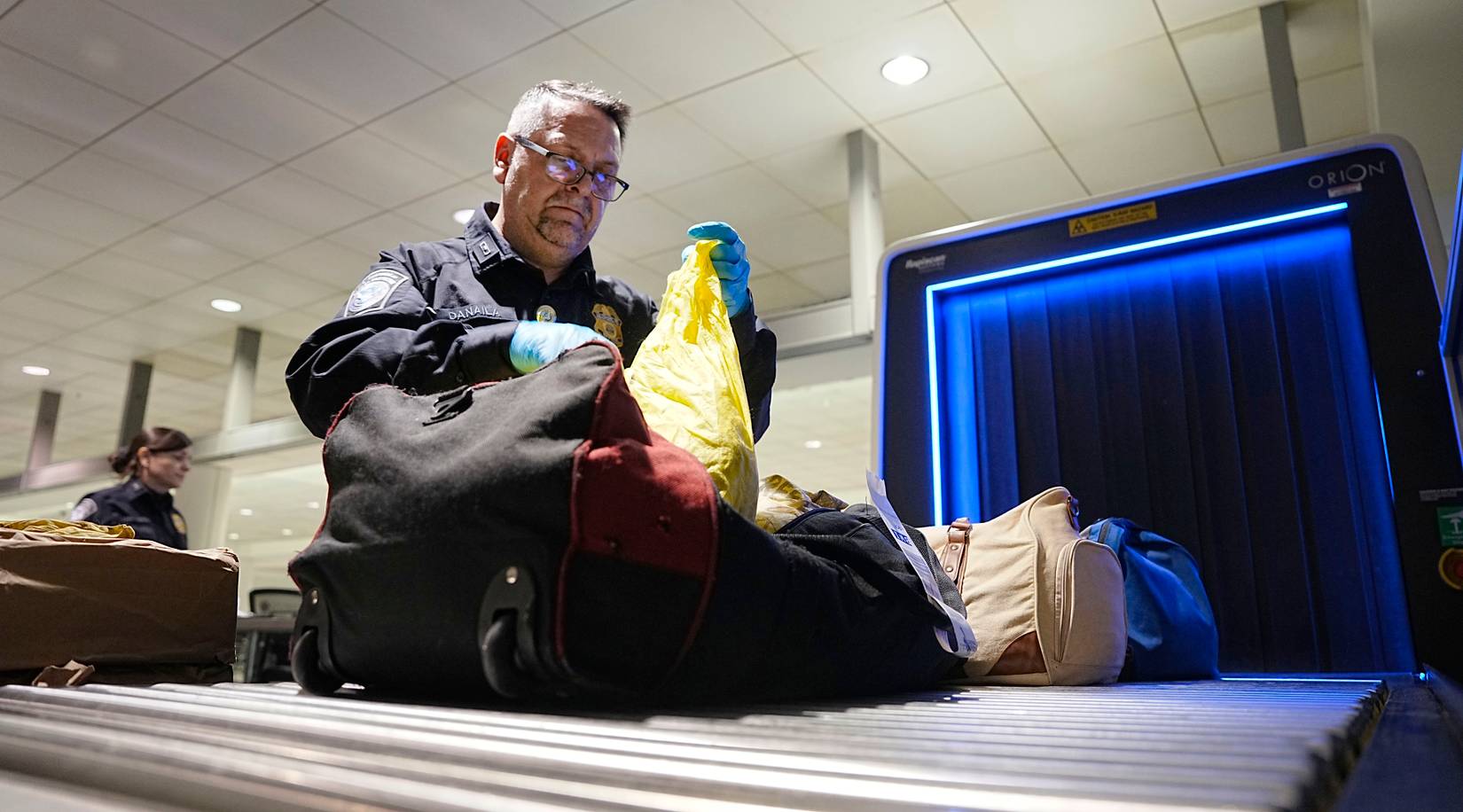
When there’s no valid, timely petition or contest filed, the money goes to the Treasury Forfeiture Fund and is accounted for by the Department of the Treasury. These funds are used for state and local law enforcement operations, funding for further training, and compensating victims of the fraud scheme.
What CBP’s $53,000 Currency Seizure Means For Travelers In The United States
While carrying large amounts of cash is not illegal when departing and arriving in the United States, the U.S. Customs and Border Protection requires travelers to report any currency exceeding $10,000 or other monetary instruments.
Failing to do this or providing false information to the border officers results in forfeiture of funds, civil penalties, or, in some serious cases, criminal charges when proven in federal court. The U.S. border has been noticeably stricter, and laws apply to all travelers, including Americans.
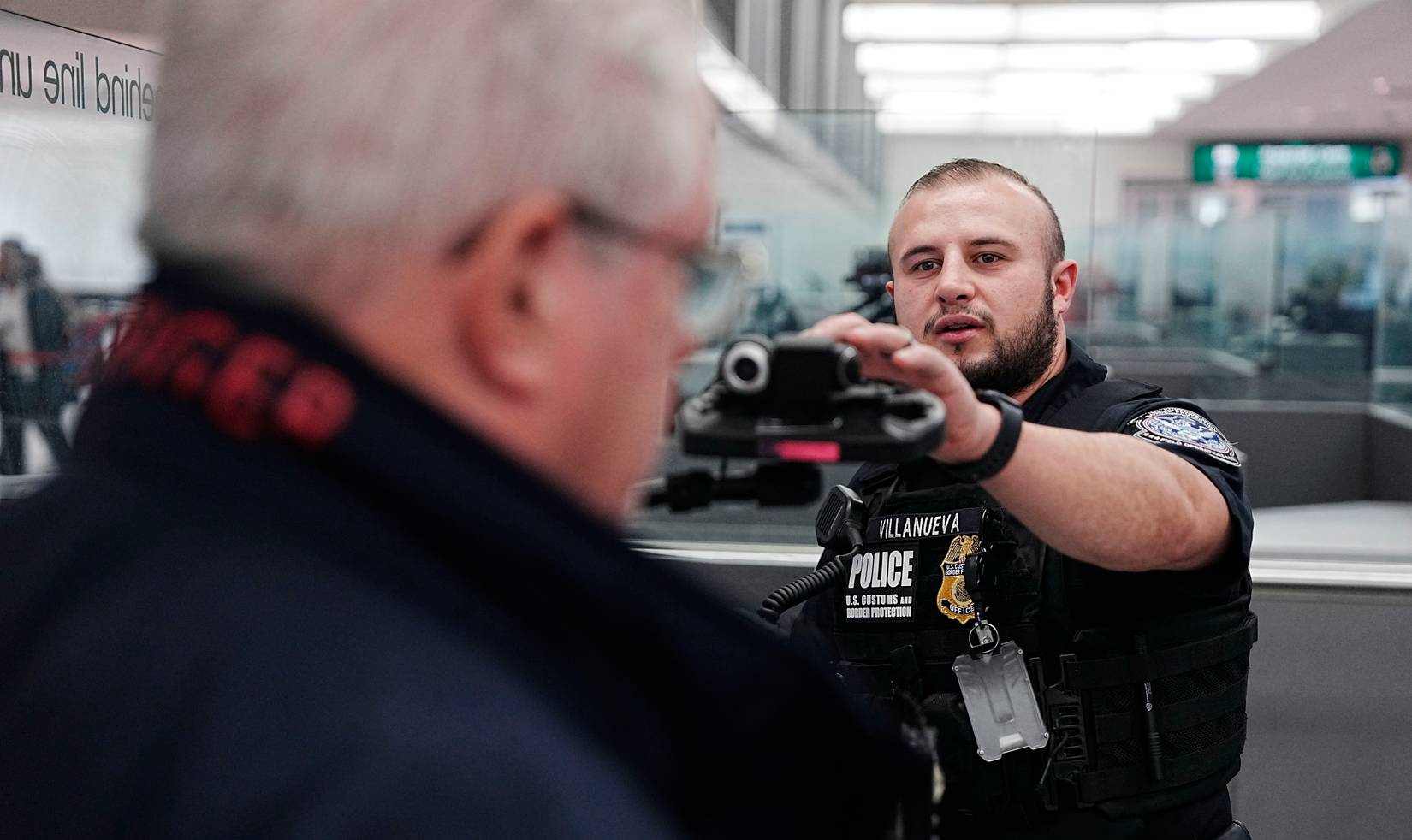
Even at the U.S.-Canada border, Canadians who used to enjoy smoother cross-border trips have experienced tighter scrutiny, especially dual nationals like the Canadian-Tunisian travelers who were detained for 12 hours at the border, as well as a Canadian-Iranian traveler who was denied entry after taking fingerprints.
Travelers must understand that the federal mandate to report or declare currency that exceeds $10,000 is not a tax on their funds, or a limitation on how much they are allowed to carry, but an effort to fight against financial crimes, money laundering, and terrorist funds.