
GLP-1 drugs have skyrocketed in popularity, and are being prescribed for weight loss, diabetes, insulin resistance, and even some autoimmune disorders. While drugs like Ozempic, Wegovy, Mounjaro, or the Canadian Generic, can feel like a miracle to those who are prescribed them, these drugs in particular have been implicated in invalidating travel insurance. While it’s not the drugs themselves that are at fault, there’s a little-known rule that is quietly letting travel insurance companies deny claims to many people taking semaglutide injections.
In addition to the matter of insurance, traveling with a temperature-sensitive injectable medication can be trickier than you may know. Typically, people are prescribed one shot per week, which, for people taking a vacation for longer than seven days, means navigating travel with your next dose, and there are a few steps you should take in order to ensure that your medication maintains its efficacy.
Traveling while taking a GLP-1 isn’t difficult in theory, but there is more than one way to let a small mistake ruin your vacation.
Traveling with GLP-1: Tell Your Insurer
Your standard insurer is probably already well aware of your semaglutide use, as GLP-1 recipients seldom pay out-of-pocket for the notoriously expensive drug. However, you will still have to alert your travel insurer.
Travel insurance can offer considerable peace of mind when you’re out of town or abroad, but if you’ve begun taking a new medication without notifying your insurer, you may end up stuck with the bill. Failing to disclose a condition or a medication you’re on risks invalidating your policy, and you may end up paying full price for any treatment you receive in if you suffer an emergency.
Even if your semaglutide is purchased without insurance or prescribed by a doctor other than your normal physician, your travel insurer still needs to know. Kara Gamell of Money Supermarket explained the intricacies of travel insurance to Bristol Live earlier this month.
“If you’re prescribed these drugs for obesity, diabetes or any other condition, it’s essential to declare both the medication and the underlying health issue when buying your policy. Failing to do so could invalidate your cover – even if your claim has nothing to do with the treatment,” said Gammell.
According to a recent KFF tracking poll, around 6% of Americans are currently using a GLP-1 drug, so a lapse in travel coverage could potentially apply to as many as 20 million people in the U.S.
This Rule Could Apply To Any Medication Or Condition
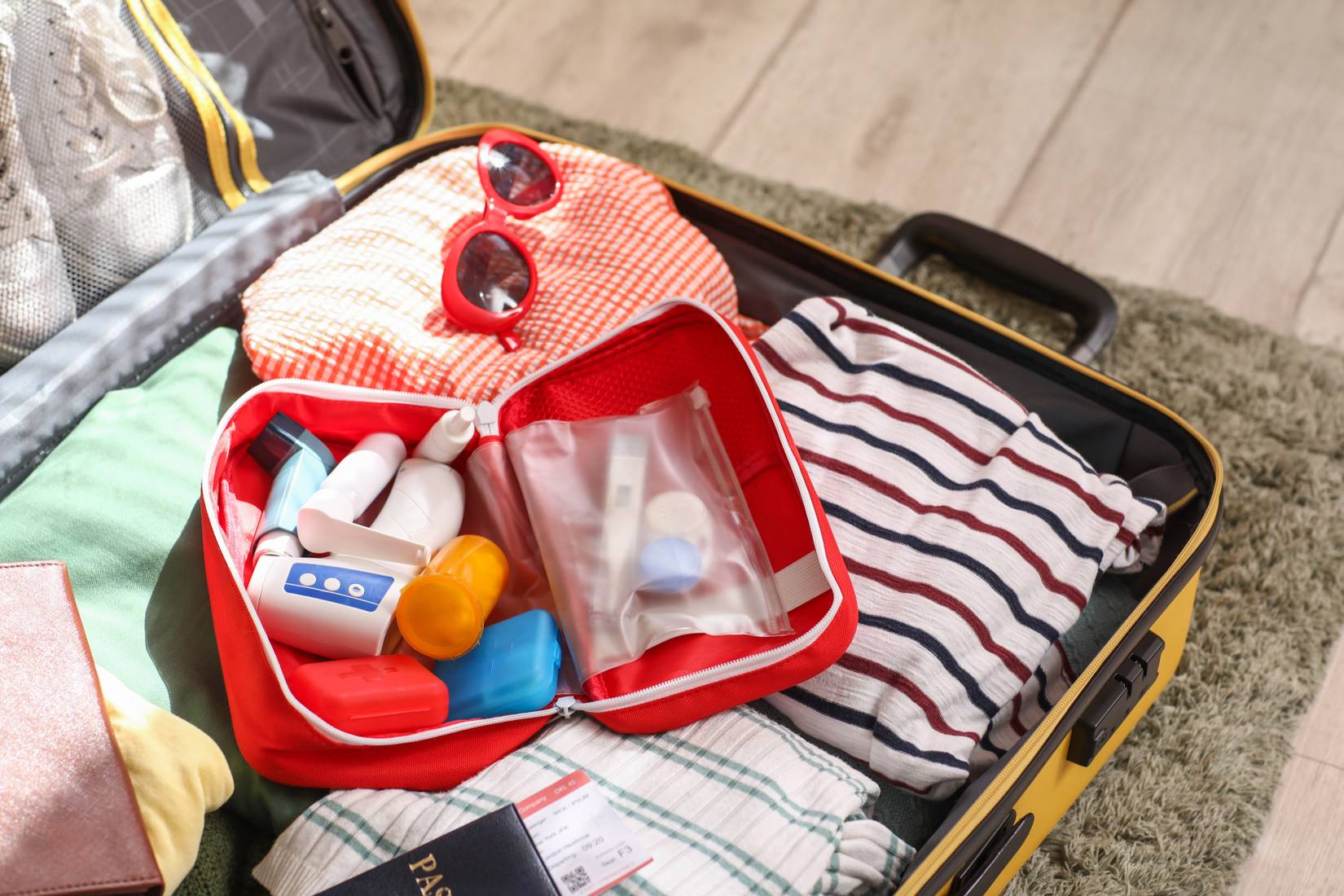
While both the prevalence and the novelty make semaglutide injections the prime suspect for invalidating travel insurance claims, this rule technically applies to any medication or condition. When travelers tend to forget, it’s often because they’ve used a third-party or telehealth service, which semaglutide medications frequently are.
Other common medications that are marketed this way are those used to treat mental health and dermatological disorders, though there are many tailored telehealth services that are designed to be low cost and utilized outside of insurance. Because these services can feel siloed from the treatment that patients receive through traditional medical visits, travelers who use them can forget to disclose those medications when purchasing a travel policy.
Medications Like GLP-1s Are Exempt From The TSA Liquid Requirement
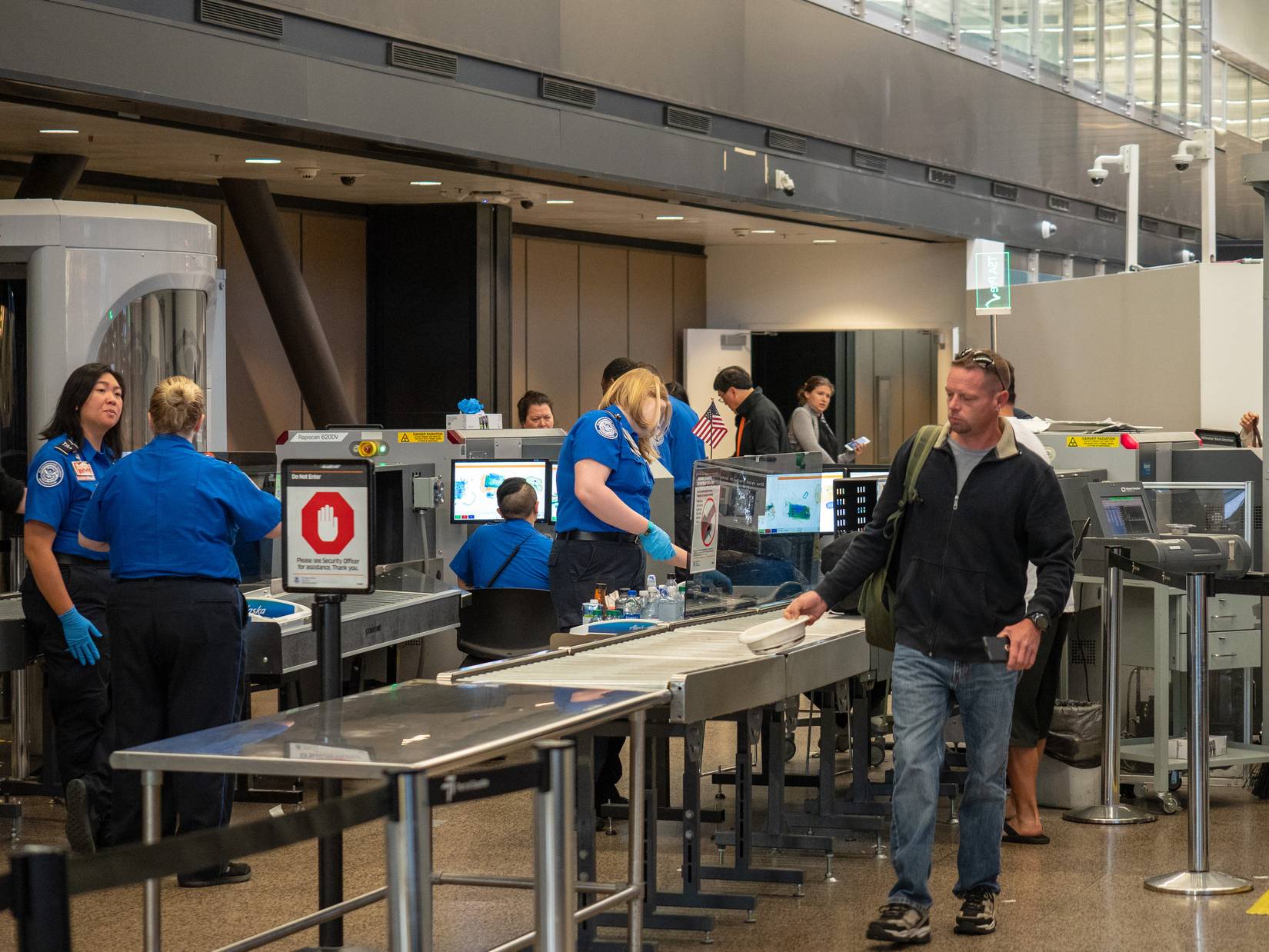
Typically, semaglutide injections like Ozempic are packaged in a pre-filled auto-injector pen. The pen contains a mechanism inside that injects the medication subcutaneously, or under the skin. The medication inside the pen is a liquid; while liquids would typically have to be placed in a quart-sized clear bag to pass through the Transportation Security Administration (TSA) security check, medications are exempt from your liquid limit.
“TSA allows larger amounts of medically necessary liquids, gels, and aerosols in reasonable quantities for your flight, but you must declare them to TSA officers at the checkpoint for inspection. Remove medically necessary items from your carry-on bag, and place them in a bin or bowl,” reads the TSA information page on Disabilities and Medical Conditions.
Be sure to alert the security agents that you are traveling with an exempt medication so they know to handle it appropriately.
GLP-1 Injections Must Be Transported Carefully
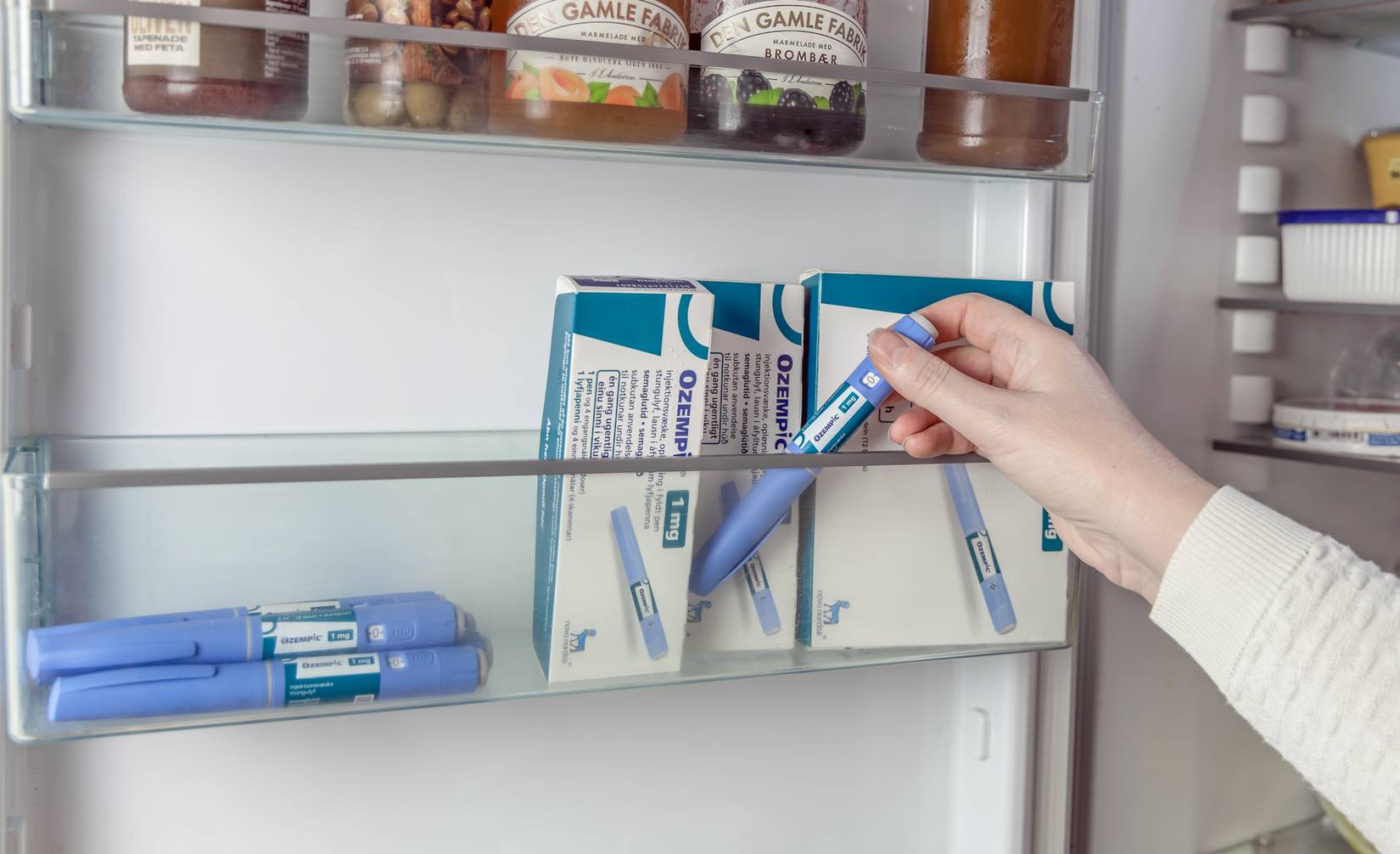
Additionally, semaglutide injections typically have to be kept cool in order to maintain their effectiveness. This may mean traveling with your injection in a cooler, or with an ice pack, or both. Thankfully, partially melted ice is also exempt from the 3-1-1 rule, and the TSA makes an exception for those trying to keep a medically necessary item cool.
“Ice packs, freezer packs, gel packs and other accessories may be presented at the screening checkpoint in a frozen, partially frozen or melted state to keep medically necessary items cool. All items, including supplies associated with medically necessary liquids such as IV bags, pumps and syringes must be screened before they will be permitted into the secure area of the airport,” reads the TSA information page on Disabilities and Medical Conditions.
Thankfully, the same exemption that protects your GLP-1 injection also protects the ice you use to keep it cool. Most semaglutide injections need to be kept within about 36 and 46 degrees before use, so putting a thermometer in your medication cooler could be helpful to insure you’re maintaining the proper temperature.
Though traveling with a semaglutide injection – or any medication – can present unforeseen challenges, a bit of foresight can make sure that your holiday goes off without a hitch.