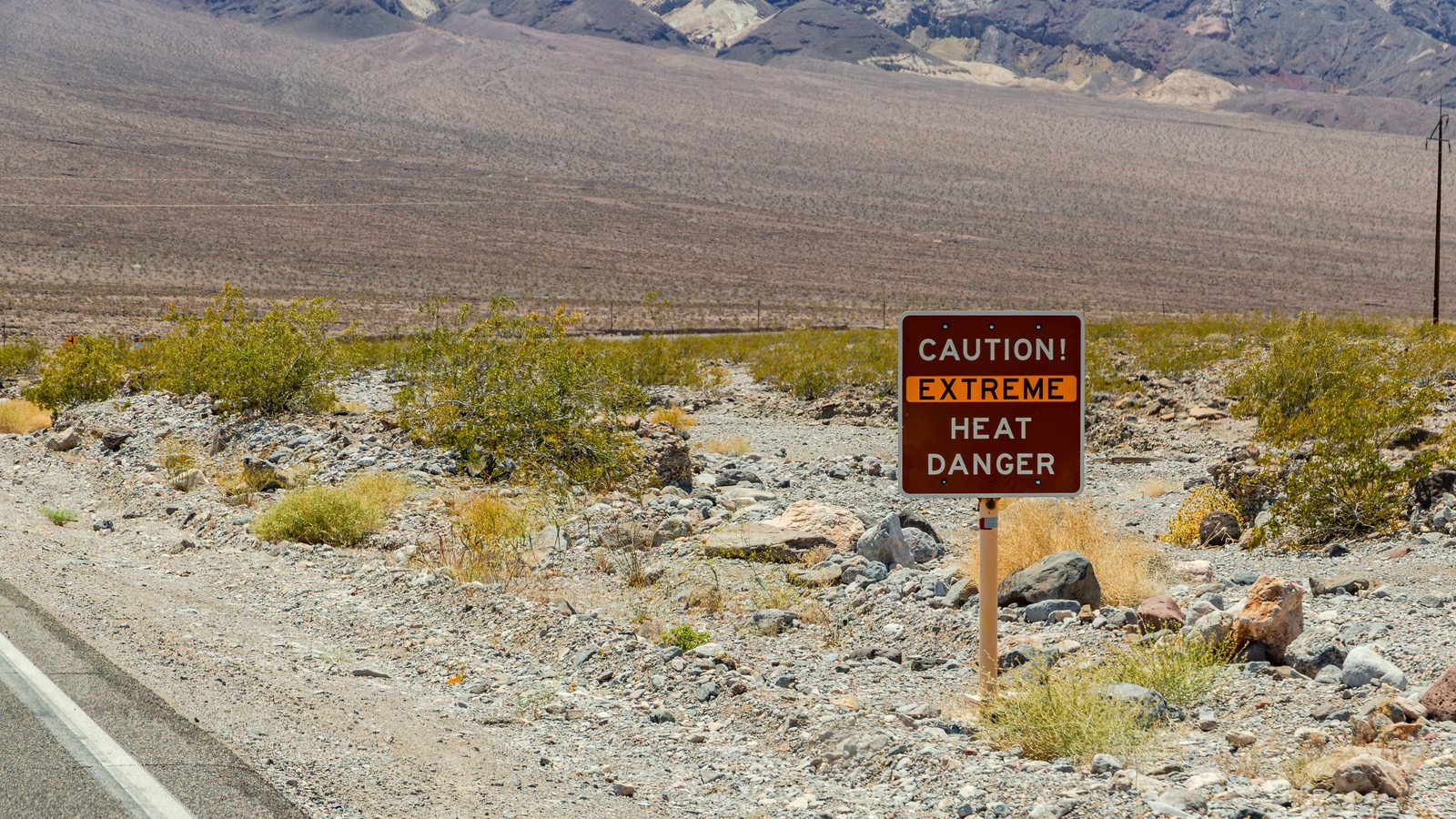
A dangerous stretch of summer heat is settling over the center of the United States, and travelers heading through the Plains, Midwest, Southwest, or Texas may need to rethink how much time they spend outdoors.
A sprawling “heat dome” is pushing temperatures above 100 degrees Fahrenheit from Dallas north toward the Dakotas, with heat advisories and warnings affecting tens of millions of people. With heat waves like this, it’s no wonder U.S. “coolcations” are surging as summer travelers ditch the heat and look for more comfortable places to unwind.
However, for the millions with trips already planned and those who live in the region, this isn’t expected to be a quick one-day spike. The weather pattern is expected to stick around through much of the week, keeping dangerous heat locked over a large portion of the country, just as many travelers are wrapping up their mid-summer trips.
Temperatures Above 100 Degrees Will Stretch From Texas To North Dakota
The affected area is enormous, with at least 70 million people under heat advisories, according to a local ABC News report. Forecasts extend from the desert Southwest and Gulf Coast through the Great Plains and Midwest.
Temperatures across parts of the region could run 10 to 15 degrees above average, while places like western Nebraska and Las Vegas have been among the hardest-hit areas, according to The Daily Herald.
The National Weather Service issued an Extreme Heat Warning for parts of western and north-central Nebraska, where heat index readings could reach 110 degrees Fahrenheit. Highs in the upper 90s and low 100s are expected to continue into Monday. Meanwhile, Las Vegas was expected to see near record-breaking high temps.
Farther north, North Dakota is also dealing with unusual heat. Bismarck was under a Heat Advisory Sunday, with temperatures around 100 degrees and parts of southwestern and south-central North Dakota facing a heat index as high as 105.
Dallas, meanwhile, could be waiting much longer for relief. The National Weather Service forecast calls for highs around 102 degrees Fahrenheit Sunday and Monday, increasing to around 103 degrees by Wednesday. Overnight temperatures are barely dropping into the low 80s.
|
Destination |
Heat Conditions Travelers Should Expect |
|---|---|
|
Dallas, Texas |
Around 102 degrees Fahrenheit Sunday and Monday, with heat index values reaching roughly 109 degrees Monday |
|
Denver, Colorado |
Heat Advisory Sunday, with temperatures around 100 to 104 degrees Fahrenheit across the metro area |
|
North Platte, Nebraska |
Extreme Heat Warning, with heat index values potentially reaching 110 degrees Fahrenheit |
|
Bismarck, North Dakota |
Heat Advisory Sunday, with temperatures around 100 degrees Fahrenheit |
|
Kansas City, Missouri |
Around 100 degrees Fahrenheit Sunday, with humidity potentially pushing the heat index well above 110 degrees |
Denver and surrounding communities were placed under a Heat Advisory Sunday, with temperatures of 100 to 104 degrees expected in parts of the metro region. Kansas City was also under a Heat Advisory extending into Monday, with forecasts showing a high around 100 and oppressive humidity making it feel even hotter.
The “Heat Dome” Could Keep Travelers Baking For Days
National Weather Service meteorologist Bob Oravec said, “It looks like it is going to be pretty much stationary in that position as we go through the week,” according to ABC News.
A “heat dome” develops when atmospheric conditions trap hot air over a region, keeping temperatures elevated for an extended period.
But the danger isn’t just what happens during the hottest part of the afternoon.
Forecasters are particularly concerned about temperatures staying elevated in the evenings and overnight. When that happens, people have less opportunity to recover from the heat they were exposed to during the day. Combined with high humidity in some areas, several days of this in a row can be extra dangerous, especially for certain individuals, such as children, older folks, and those with medical conditions.
That is exactly what is happening across parts of Texas.
Dallas’ overnight lows are forecast to remain around 81 to 83 degrees Fahrenheit for most of this week. Daytime temperatures could then climb back above 100 each afternoon.
The heat should shift somewhat as the week continues. By Wednesday, forecasters expect some of the worst conditions to be concentrated across Texas and portions of the Gulf Coast.
That means there could be some relief across the central U.S. toward next weekend, but Oravec warned that even that may not last for long.
Fortunately, the Mid-Atlantic, Northeast, and much of the Pacific Northwest should avoid the worst of this particular heat dome.
Travelers May Need To Change Outdoor Plans

A heat advisory doesn’t necessarily mean canceling an entire trip, but travelers with outdoor-heavy itineraries should take these warnings seriously.
National Weather Service guidance says people in areas under a Heat Advisory should consider postponing or rescheduling outdoor activities during the hottest parts of the day. Under an Extreme Heat Warning, people are actually encouraged to avoid outdoor activity when possible and spend as much time as they can in air-conditioned spaces.
That could affect everything from national park hikes and city walking tours to outdoor festivals, sporting events, and road trips with long stops outside.
With three separate visitor incidents happening recently due to the heat, the National Park Service has issued dress code warnings for tourists, urging them to dress appropriately for the summer heat. Officials have also reminded visitors to come prepared for hiking in hot conditions.
The heat is already changing plans in some destinations.
At Indianapolis Motor Speedway, The Daily Herald reported that organizers for Sunday’s Brickyard 400 were providing water refill stations and cooling areas, while spectators were being allowed to bring packed coolers. Denver recreation centers were also making air-conditioned areas available for people trying to escape the heat.
Travelers should consider moving outdoor sightseeing to early morning or evening, adding indoor stops to the middle of the day when it’s hottest, and checking local weather alerts before leaving their hotel.
Road trippers need to be especially careful. The National Weather Service advises drinking plenty of water even before feeling thirsty and never leaving children or pets unattended inside a vehicle. Anyone spending longer periods outdoors should try to take frequent breaks in shade or air conditioning when possible.
The Heat Index Can Be More Important Than The Forecast High
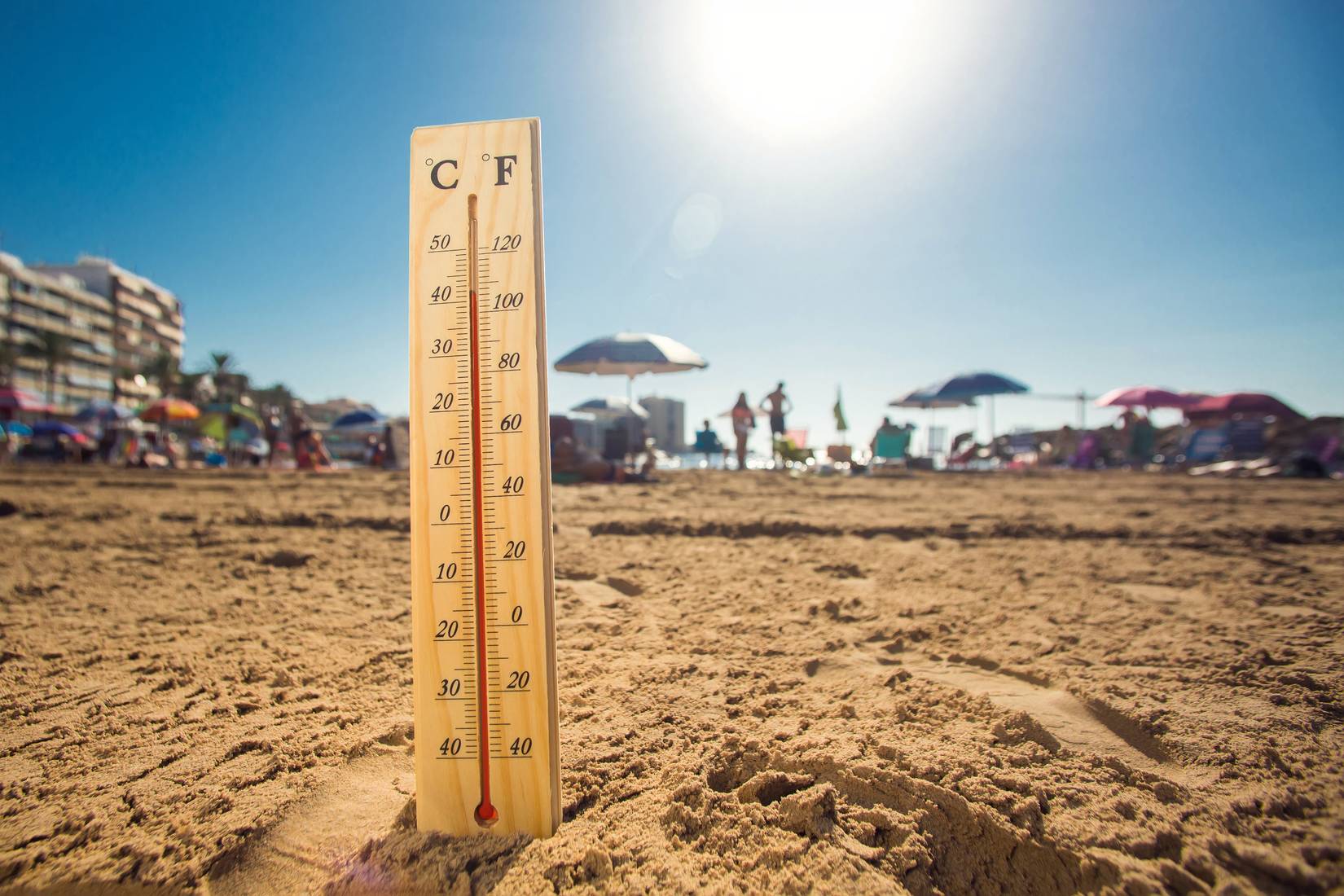
Travelers should also pay attention to the heat index, rather than looking only at the temperature shown in a weather app.
The heat index accounts for humidity and estimates how hot conditions actually feel for the human body.
Kansas City is a good example. The city’s forecast high Sunday is around 100 degrees Fahrenheit, but the National Weather Service said the heat index could climb to approximately 114 degrees because of high humidity. That makes a significant difference for anyone spending time outside.
Dallas could see heat index readings around 109 degrees Monday even though the actual air temperature is expected to be closer to 102.
Children, older adults, people with medical conditions, and anyone doing strenuous activity are particularly at risk for heat-related illnesses.
The National Weather Service recommends:
- Limiting strenuous outdoor activity
- Staying hydrated
- Wearing lightweight clothing
- Getting into air conditioning whenever possible
Travelers who normally use their afternoons for sightseeing may be better off reversing that schedule for the next several days. Instead, plan to get outside early, retreat indoors during the hottest parts of the day, and head back out after temperatures begin falling — if they do.