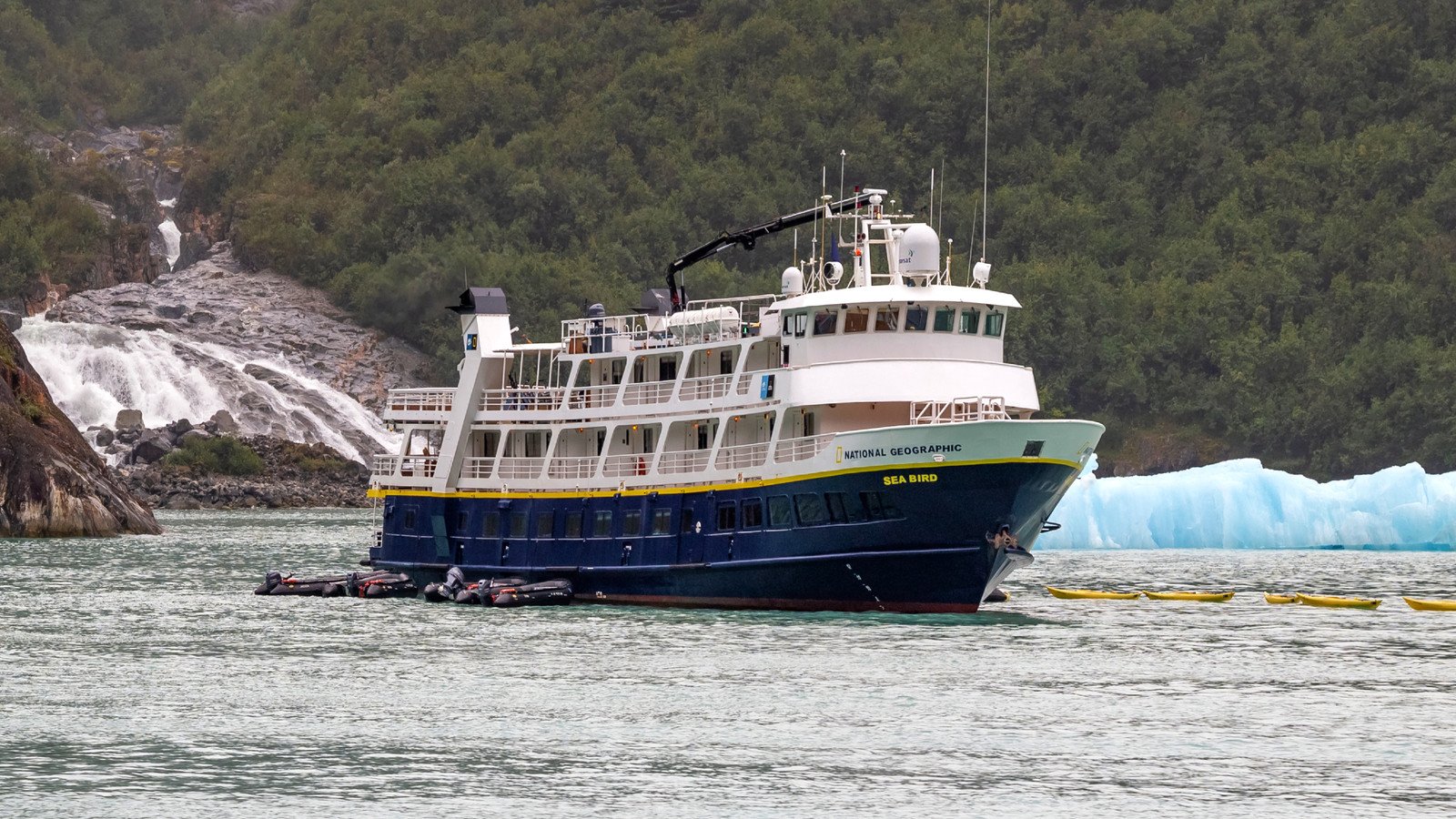
Shortly after three people were killed on the hantavirus-stricken MV Hondius, another illness outbreak was reported aboard a popular cruise ship. Now, a fourth outbreak on the same ship is being investigated by the Centers for Disease Control and Prevention (CDC), adding to concerns about cruise health.
U.S. travelers are alerted, as they are typically the passengers on this cruise. While the virus confirmed in the first two outbreaks is not new on cruises, it is highly contagious and could pose serious risks to certain travelers. Here’s a closer look at the disease that has spread on the same cruise ship within eight weeks.
Fourth Gastrointestinal Illness Outbreak Hits National Geographic Sea Bird During 8-Week Span
A fourth gastrointestinal illness outbreak has hit the Lindblad Expeditions’ National Geographic Sea Bird cruise ship, from July 15 to 20. This comes after two confirmed Norovirus outbreaks in May and June. Like the third outbreak, the official causative agent is still “unknown” in this latest outbreak, per the CDC’s report.
National Geographic Sea Bird Gastrointestinal Illness Outbreaks
The symptoms in the four outbreaks have consistently involved diarrhea, vomiting, and abdominal cramps. Unfortunately, the infection rates in all of them have been above the threshold for reporting a gastrointestinal illness outbreak on a cruise ship.
|
Voyage # |
Date |
Outbreak Cause |
Affected Passengers |
|
SB32621 |
May 26–31, 2026 |
Norovirus |
9 of 66 (13.6%) |
|
SB32627 |
June 25–30, 2026 |
Norovirus |
19 of 68 (28%) |
|
SB32630 |
July 10–15, 2026 |
Unknown |
18 of 62 (29.0%) |
|
SB32631 |
July 15–20, 2026 |
Unknown |
8 of 57 (14.0%) |
The CDC defines an official public gastrointestinal illness outbreak on cruise ships as 3% or higher under the Vessel Sanitation Program (VSP), while mandatory reporting by the cruise line starts at 2%.
Why The Outbreak Cause Remains “Unknown”
In its report on July 23, the CDC said that while norovirus is “often” the cause of gastrointestinal illness outbreaks on cruise ships, they do not always know the cause of the outbreak when investigations begin. Finding the agent behind the outbreak can also take time, with infected passengers asked to provide stool or vomitus samples.
Why Gastrointestinal Illnesses Easily Spread On Cruise Ships

Gastrointestinal illnesses, like those caused by norovirus, can spread rapidly in closed and semi-enclosed environments, including cruise ships. Frequent contact with contaminated communal surfaces, high passenger density in shared indoor spaces, and buffet-style dining practically make cruises a petri dish for such infections.
But experts clarify that it is not cruises that cause the outbreak itself. Norovirus, for instance, is notoriously resilient—resistant to heat, drying, and standard alcohol hand sanitizers. It can live on surfaces for days or weeks if not properly disinfected with bleach-based agents.
Where Norovirus Comes From
Norovirus does not originate on cruise ships. It is typically brought aboard by a passenger or crew member via contaminated food and water. It has a 12- to 48-hour incubation period, so people often do not develop symptoms while boarding. However, the symptoms kick in within just a day or two.
“Norovirus is a human virus that is typically transmitted by the fecal-oral route,” said Dr. Robyn F. Chatman, a family physician in Cincinnati, and a delegate in the AMA House of Delegates for the Ohio State Medical Association. “That just means that we’ve handled something that is contaminated and once it’s on our hands, we do all kinds of things with our hands.”
The infected individual sheds billions of viral particles through vomit and stool, which create aerosols that settle on high-touch surfaces or are breathed in and swallowed by other people nearby. Unfortunately, norovirus is not just a cruise thing. It is actually the leading cause of foodborne illness outbreaks in the U.S., with 2,500 outbreaks reported in the country across various settings each year.
There are simple yet helpful steps in protecting yourself from the virus and preventing it from ruining your cruise trip. With a record number of Americans going on cruises this year, taking a few extra precautions is more important than ever.
Cruise Safety Tips Amid Gastrointestinal Illness Outbreaks
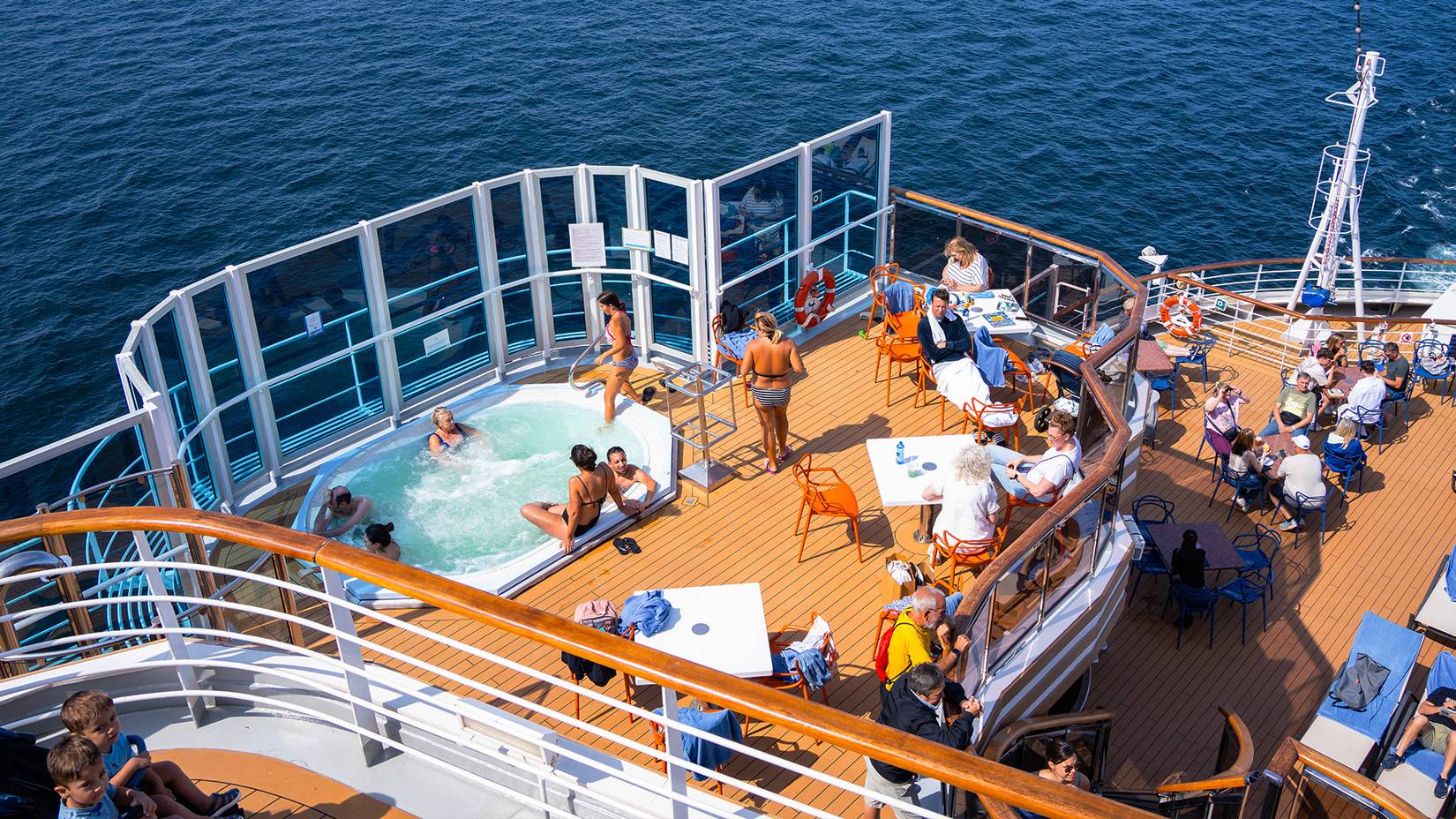
The CDC has a dedicated guide for “healthy cruising,” which highlights how good hand hygiene can significantly reduce your risk of contracting a gastrointestinal illness. This means washing your hands often, instead of relying on hand sanitizers, after using the toilet and before eating or smoking.
Treatment for gastrointestinal illness caused by norovirus is mainly supportive care, rest, and rehydration. Antidiarrheals or antiemetics are not recommended by the CDC. Antibiotics are not useful either.
Norovirus can result in severe dehydration, hospitalization, and even death. However, these extreme complications primarily impact vulnerable groups, such as young children, the elderly, and immunocompromised individuals. For most healthy people, the illness usually goes away on its own in one to three days.
However, Dr. Joanna Turner Bisgrove, a family physician and member of the AMA Council on Science and Public Health, warns that “people who have norovirus can shed the virus for up to two weeks after their symptoms are gone.” Of course, with a record 21.7 million Americans projected to go on ocean cruises in 2026, exposure is naturally higher.
So if you do fall ill, immediately notifying the ship’s medical center about your symptoms is not only about your own recovery. It is vital in making sure the virus is contained.