As of July 2026, three major airlines have banned humanoid robots on flights. United Airlines is the most recent to join this ban, even though robots on planes are rare. Even so, the rule’s significance is causing many travelers to wonder why it was implemented in the first place.
United recently broke its silence on the new ban, finally providing an explanation for its decision. As it turns out, humanoid robots pose a bigger risk to passengers than many realize.
Robots Were Banned Days After One Boarded a Domestic Flight
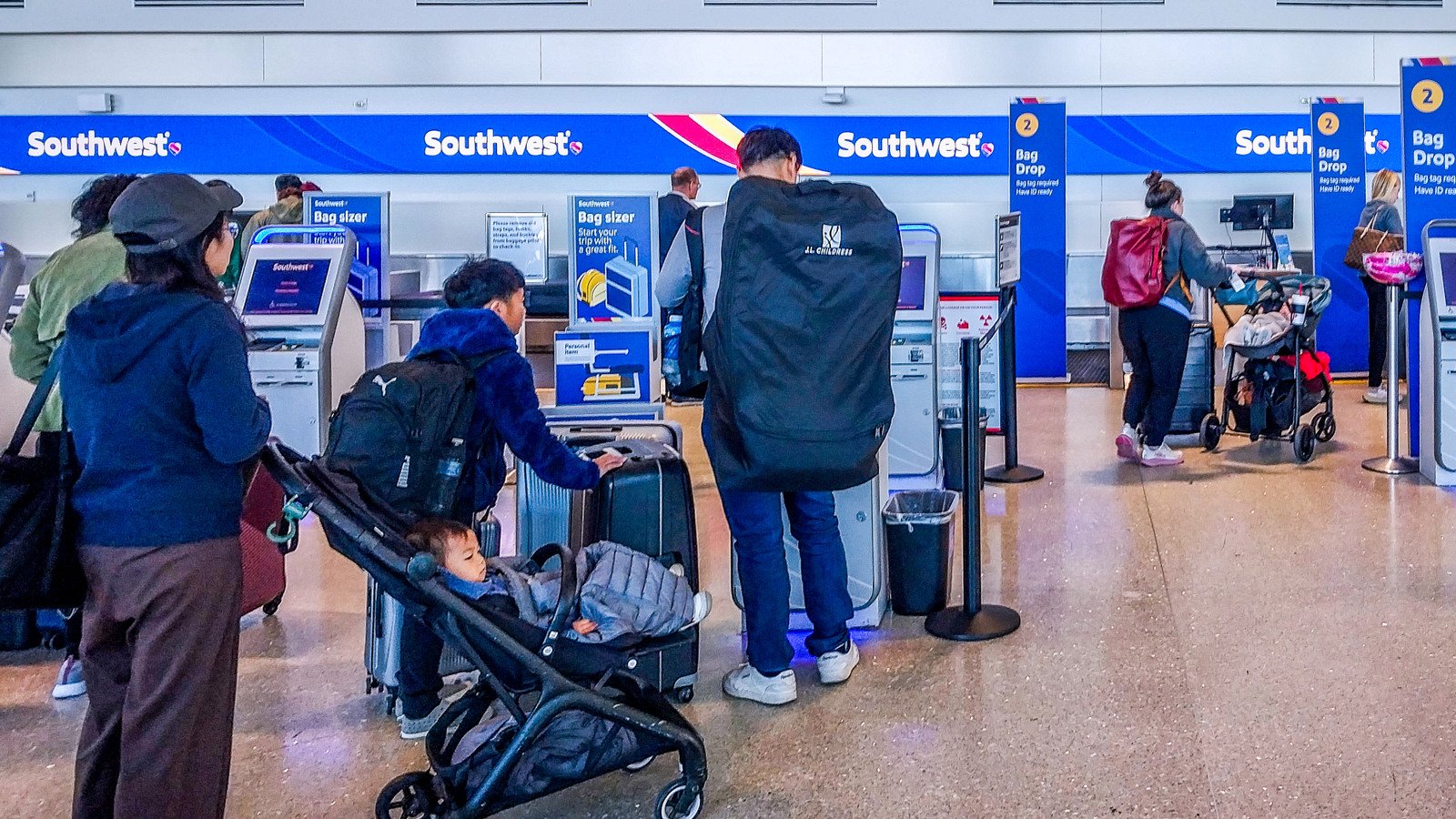
When Aaron Mehdizadeh, owner of The Robot Studio, boarded a Southwest flight home to Texas in May with Stewie. This 3.5-foot humanoid robot is typically rented out for choreography and dynamic movement, making it a popular choice at weddings, celebratory parties, and other major events.
Stewie is known for having quick movements and long-lasting power that fuels his pre-programmed choreography. With his humanoid design, he looks just like a miniature person. This is why, when Mehdizadeh booked an extra seat for the robot rather than shipping him as cargo, it seemed to make sense.
“Most people were very excited to see a robot flying and provided so much entertainment, and it was great,” Mehdizadeh said in an interview with CBS.
Transporting Stewie as a passenger was done by the book—including outfitting him with a small battery that was approved to pass through security. Mehdizadeh had Stewie walk through the airport and board the flight itself, which impressed the passengers and flight crew. In Stewie’s own robotic voice, he said, “I had the perfect window seat, clouds like cotton candy, and everyone’s snapping selfies with me.”
Another incident in May 2026, involving a humanoid robot named Bepop, caused delays on a Southwest flight as crews struggled to determine protocol for boarding. And right after both flights, the airline immediately issued a carrier-wide ban on all humanoid robots from flying.
United Airlines Explains Their Robot Ban
Although Stewie seemed to delight and excite passengers, Southwest wasted no time in banning future robots from traveling on its planes. Reserving a seat for carry-ons is typically reserved for special or fragile items, and though Stewie likely met these requirements, the ban was still announced two days later.
In June, Delta also followed suit with the robot ban.
“Delta does not permit human or animal-like robotic devices to be transported in the aircraft cabin or as checked baggage,” the airline said in a statement issued to Channel 2 Action News. “We continually review emerging technologies and update our policies to maintain the highest safety standards.”
While this statement did not include a specific reason for the ban, it would soon become a trend as United Airlines made the same decision in July. The details surrounding the rule are vague, as there have been no further reports of robots boarding United flights or any others. However, United did provide some clarification about why they chose to ban robots and other humanoid-like devices.
In an interview with CBS, the airline claimed its decision was “proactive.” Humanoid robots typically run on lithium batteries, which come with their own rules.
|
Carry-On and Checked Luggage Rules |
Lithium Battery Power Guidelines |
|---|---|
|
Devices like phones, laptops, and tablets can go in carry-on or checked bags, but checked items must be fully turned off. |
Under 100 Wh: Standard phones, cameras, and regular power banks are allowed. |
|
External chargers and loose batteries are strictly prohibited in checked bags and must stay in the cabin. |
100–160 Wh: Larger spare batteries need special airline approval (limit of two per person). |
|
If your carry-on bag is checked at the gate, you must pull out all power banks and spare batteries first. |
Over 160 Wh: Completely banned on passenger flights. |
And while lithium batteries are common in everyday devices, they can be extremely dangerous if damaged or short-circuited. This is a potential fire hazard, which is why spare batteries are also banned from carry-on. The FAA also requires battery terminals to be protected by the manufacturer’s packaging or tape.
In accordance with FAA rules, most human- and animal-like robots use batteries that are already banned on flights. This makes the rule an extension of previous guidelines, rather than an entirely new ban.
When it comes to bringing a robot on board a plane, some of these requirements are challenging. There’s the question of the ease of access to battery panels, having the robot powered on and working during the flight, and the size and wattage of the battery itself. With so many variables, United’s decision to join the robot ban is more about safety than it is about allowing humanoid robots on flights.