One United Airlines flight attendant was applauded in June for calling out poor bag etiquette onboard. However, the carrier was more recently criticized by a passenger claiming a flight attendant’s bag handling actually ruined her life’s work.
According to the passenger’s account, she had fallen asleep with her backpack not stowed away. At some point, a flight attendant took it upon themselves to move it to the overhead compartment.
While it sounds like they meant well by not disturbing the passenger, a comedian, they ultimately spilled a drink in the bag’s side pocket, ruining all of her belongings — including her priceless “joke book.”
The question is: just how responsible is the airline for damaged items in a carry-on?
Her message for the airline, which allegedly offered little apology afterward, was blunt: “United, you’ve got a special place in hell.”
Comedian @CactusTate, whose real name is Tatum Villalpando-Raley, says she fell asleep in the first row on a United Airlines flight with her backpack between her legs. Rather than waking her and asking her to move it, she says a flight attendant picked it up on their own and placed it in an overhead compartment.
The problem? There was a drink in the side pocket.
Tate says the tea literally spilled during the move, soaking her laptop and other belongings. But the damage to her joke book, an important and deeply sentimental symbol of her career, appeared to hurt the most.
“It’s fine, I can get another one,” Villalpando-Raley says sarcastically in the video. “It’s not like all my best work is in there, and my whole life story, and everything brilliant I’ve ever written is in that book.”
Villalpando-Raley also claims the airline offered little in the way of an apology after she alerted them to what happened.
“They wouldn’t even give me a plastic bag to put my dripping backpack in,” she added.
Should Flight Attendants Assist Passengers With Luggage?
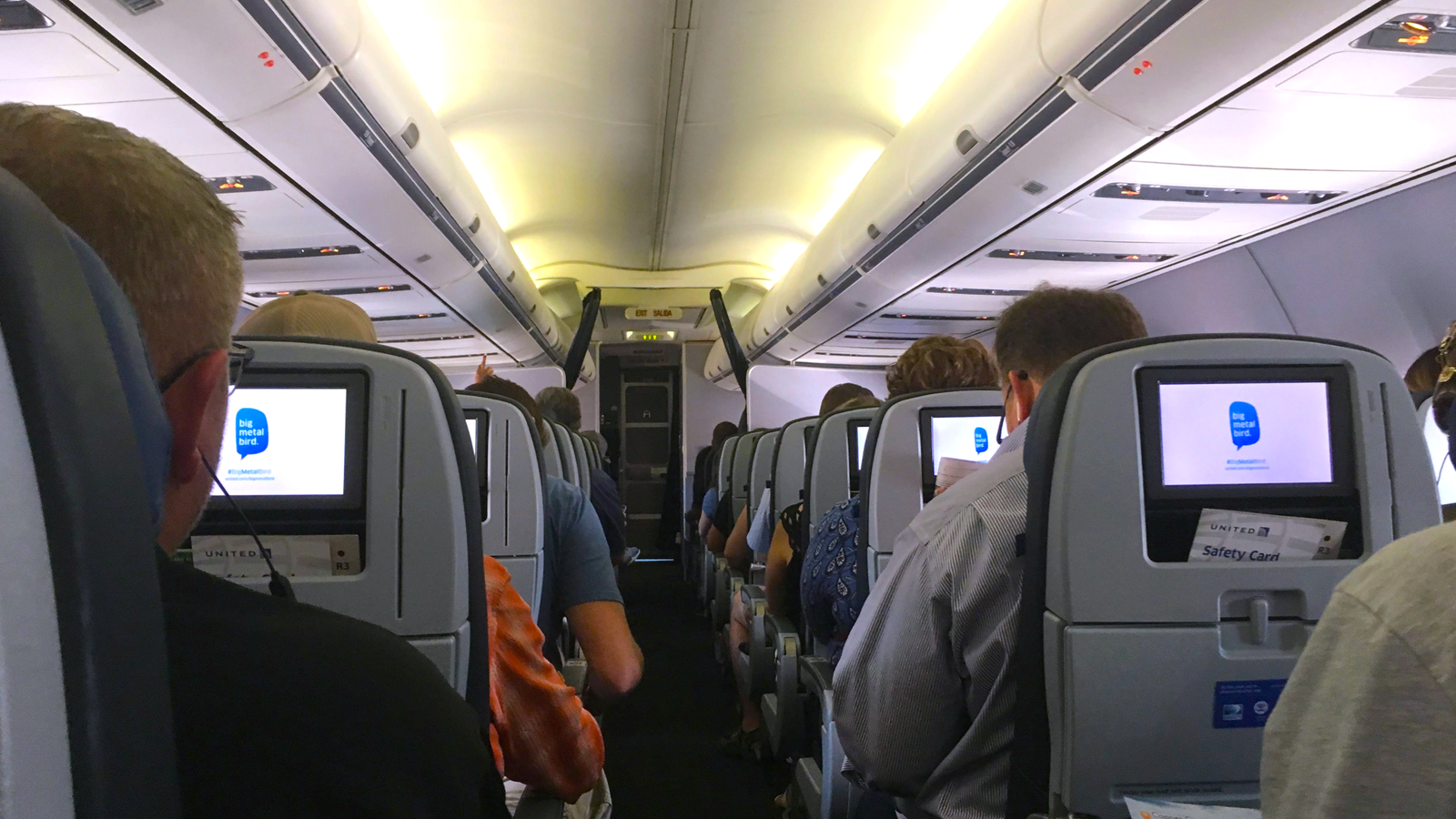
While different airline carry-on policies can be confusing, flight attendants on any airline are responsible for making sure carry-on items are safely stored when required. That means a backpack sitting loose may need to go underneath a seat (which there wasn’t in the first row, where Villalpando-Raley was seated) or into an approved compartment.
However, what Villalpando-Raley objected to was how the flight attendant handled it.
Instead of waking her and instructing her to stow the backpack, Villalpando-Raley says the employee moved it themselves and placed it overhead. Tea inside the bag then spilled all over everything inside, including her invaluable handwritten joke book.
Villalpando-Raley also said her laptop, headphones, vape, and other items were also ruined in the spill. While expensive, these things are all easily replaced.
But for a working stand-up comic, notebooks containing creative material often can’t be. Villalpando-Raley’s career as a comedian includes live performances around the country, including a recent show at New York Comedy Club Stamford.
But her story raises a question: Was the flight attendant supposed to touch the bag at all?
Flight attendants typically don’t handle passenger bags
Villalpando-Raley openly admits that she had a responsibility to keep her belongings properly stowed.
“I get it, it’s not supposed to be there, and it needs to go in the overhead bin. And if they would have woke me up and asked me, I would have put it there. But they didn’t wake me up. Instead, they just grabbed my bag, and they put it in the overhead bin without taking my tea out of the side.”
Federal Aviation Administration regulations require carry-on items to be placed in an approved overhead compartment, closet, or underneath a passenger seat during taxi, takeoff, and landing. Passengers must also comply whenever a crew member instructs them to stow an item.
So, if Villalpando-Raley’s backpack was loose between her legs during one of those periods, leaving it there wasn’t an option.
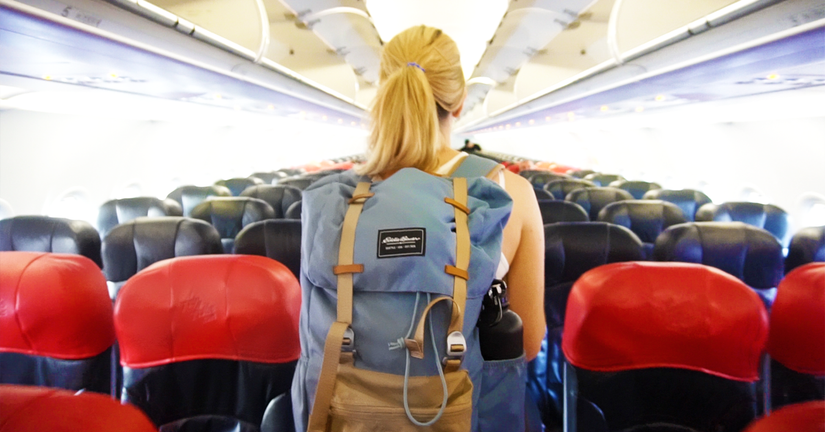
Flight attendants have authority to tell passengers where their baggage needs to go. United Airlines’ flight attendant union also identifies closing overhead bins before the boarding door closes as part of flight attendants’ safety responsibilities.
But physically lifting passengers’ luggage into those bins is generally a different matter.
Airlines commonly discourage flight attendants from lifting passenger bags because doing it repeatedly creates a risk of back, shoulder, and neck injuries. Former United States flight attendant Kat Kamalani explained to news.com.au that passengers should not expect a flight attendant to lift their carry-on for them.
“Crazy fact … everyone thinks it’s flight attendant’s job to lift your luggage into the bins, but it’s not,” Kamalani said. “Our airline, and a ton of other airlines, tell you do not do this because you get so many injuries with it. And you’re not even covered.”
Taylor Garland, spokesperson for the Association of Flight Attendants-CWA agreed, telling AFAR: “Flight attendants are trained never to lift baggage for passengers because it’s a leading cause of injury. In addition to the economic and health risks for flight attendants, this could lead to a delay or even cancellation of a flight.”
That doesn’t mean this particular employee violated a specific rule, though. United Airlines’ employee training details are not publicly available, and moving a smaller backpack for a safety reason before takeoff isn’t the same as lifting a passenger’s heavy roller bag during boarding.
In another unrelated case, one United Airlines passenger actually sued the airline after being injured by an improperly stowed overhead bag. In that case, the plaintiff argued the carrier’s flight attendants should have helped stow the bag, saying it would have prevented her injury.
However, waking Villalpando-Raley and asking her to move the backpack herself could have avoided the entire incident.
Is United Airlines Responsible For The Passenger’s Ruined Laptop And Other Belongings?
This is where Villalpando-Raley’s situation gets unluckier for her.
Passengers are ultimately responsible for what they pack and how they secure it. A container of tea sitting inside the same bag as a laptop creates an obvious additional risk if the bag is tipped or repositioned.
Still, an airline employee allegedly handled the bag in a way that caused the liquid to spill. This explains why many commenters on the video sided with the passenger, or at least showed empathy for her situation.
|
Comments On Villalpando-Raley’s Experience With United Airlines |
|---|
|
– “They could’ve woke her up and said hey you need to put your bag up instead they grabbed it and ruined her stuff! It’s the fault of the airline.” |
|
– “I’m a flight attendant, I wouldn’t ever touch someone’s stuff without asking. Sorry they did that to you (I don’t want for UA), that’s messed up!” |
|
– “I don’t think you were dramatic. Your feelings are valid and all of that is very upsetting. Im so sorry that happened to you.” |
|
– “@united any other time you all would have had no problem waking a passenger up. It’s honestly a violation of space to grab her bag from between her legs.” |
United Airlines has a formal damaged-baggage process that can reimburse eligible passengers after they report damage and submit documentation, including proof of purchase. The carrier says those claims are generally processed within four to six weeks.
But Villalpando-Raley’s bag never went into the airline’s baggage handling system. It remained with her inside the passenger cabin, and the alleged damage resulted from an interaction with a crew member.
That changes the situation.
According to United Airlines’ Contract of Carriage: “UA is not liable for damage to a customer’s Carry-on Baggage or other in-cabin property that contains fragile or perishable items when such damage is caused by the fragile or perishable items. Customers are responsible for all damage caused by their property, whether such damage is to their own property or to someone else’s property.”
In other words, “the flight attendant touched my bag” doesn’t necessarily mean United Airlines is on the hook for replacing the damaged items.
There Was An Easier Way To Handle The Passenger’s Backpack
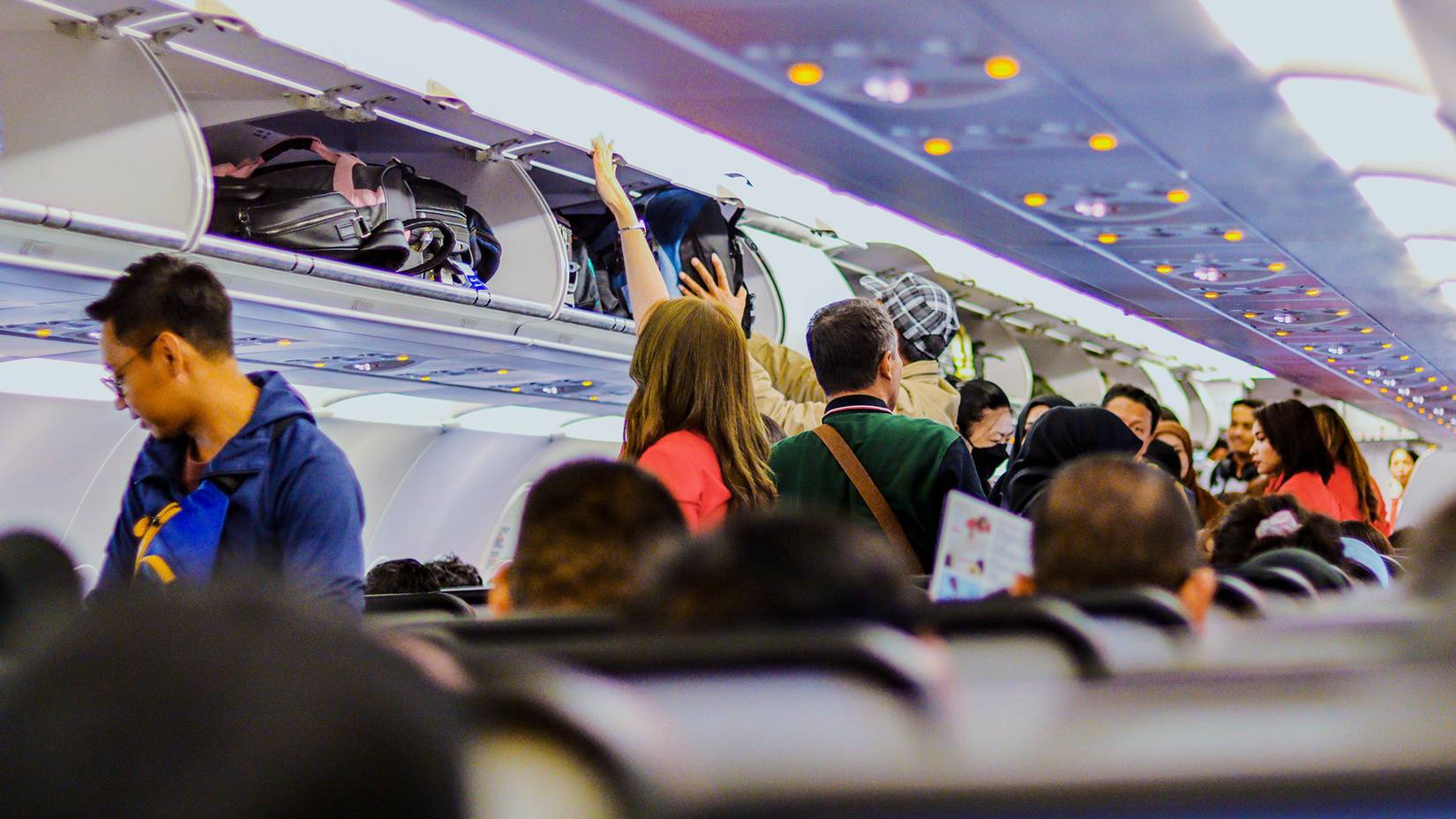
No one debated whether Villalpando-Raley was entitled to keep a backpack between her legs. She wasn’t, at least not when federal rules or crew instructions required it to be stowed.
The FAA makes that responsibility clear. Carry-on belongings must be safely restrained during taxi, takeoff, and landing, and flight attendants need to ensure the cabin complies before the aircraft can operate.
But compliance doesn’t have to include personally grabbing a sleeping passenger’s belongings.
A better solution would be to wake the passenger up and tell them the bag needs to move. Let them deal with anything fragile, secure any items that need to be secured, and put the backpack underneath the seat (when possible) or in the overhead compartment themselves.
A passenger in a similar situation should photograph the bag and damaged property immediately, note the flight number and seat, tell the crew before leaving the aircraft, and hold on to any receipts or repair estimates. United Airlines directs passengers seeking reimbursement for expenses or raising other travel complaints to its Customer Care channel.
It’s also a reminder for passengers carrying laptops, medication, notebooks, cameras, or anything else they would hate to lose. Don’t assume a bag will stay exactly where you left it during a flight, and be sure to keep liquids properly sealed before putting them beside electronics.
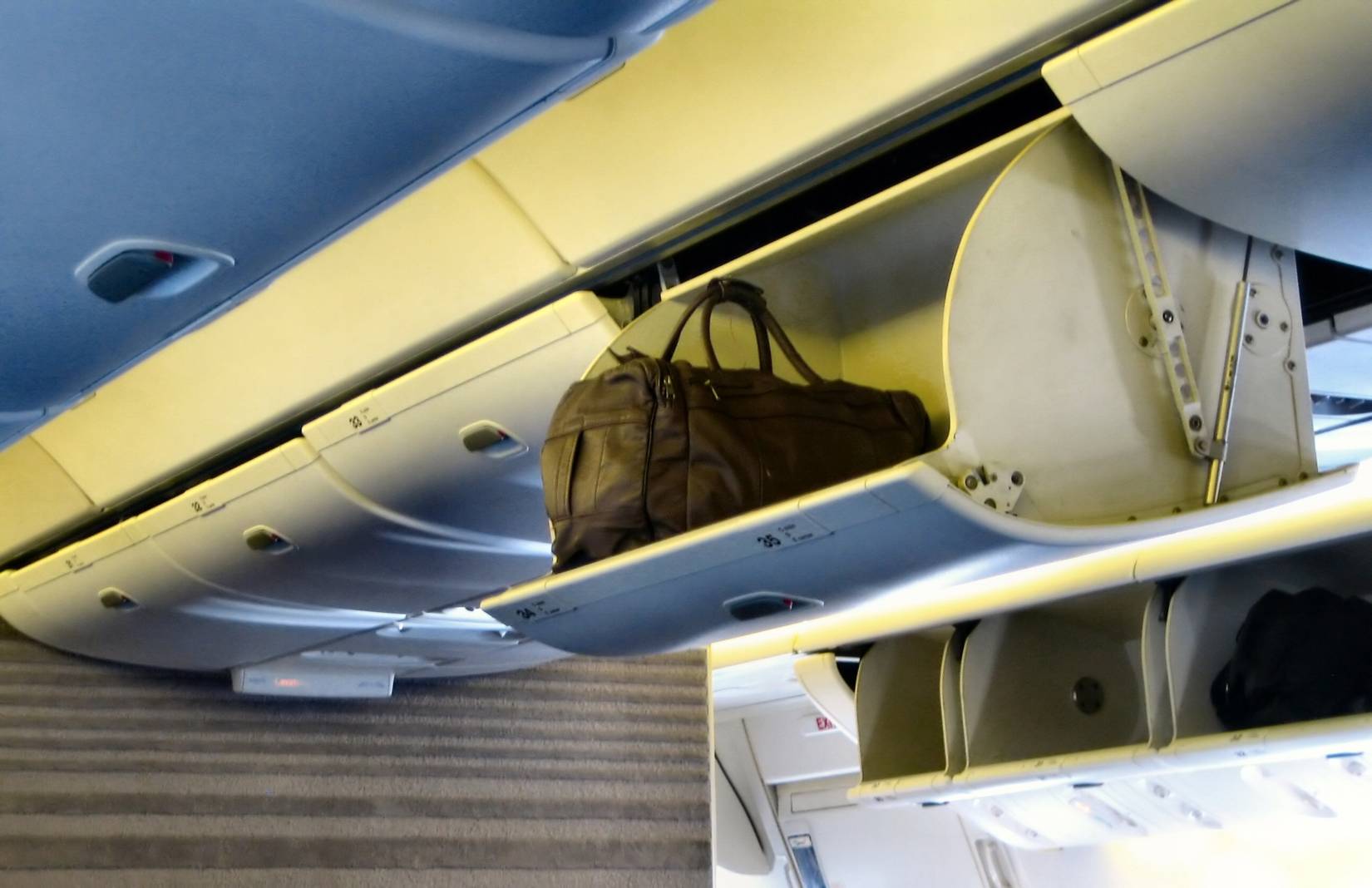
Villalpando-Raley may have been the one who fell asleep with her backpack in the wrong place. But after waking up to a soaked laptop and ruined joke book because someone else moved it without her knowledge, she’s arguing that the flight attendant turned a simple baggage instruction into a much bigger problem.
From a customer-service standpoint, the best-case outcome would be for United Airlines to offer some sort of compensation or gesture to an unhappy passenger, even if it’s not necessarily required by official policy.
TheTravel has reached out to both Villalpando-Raley and United Airlines for comment on this story.