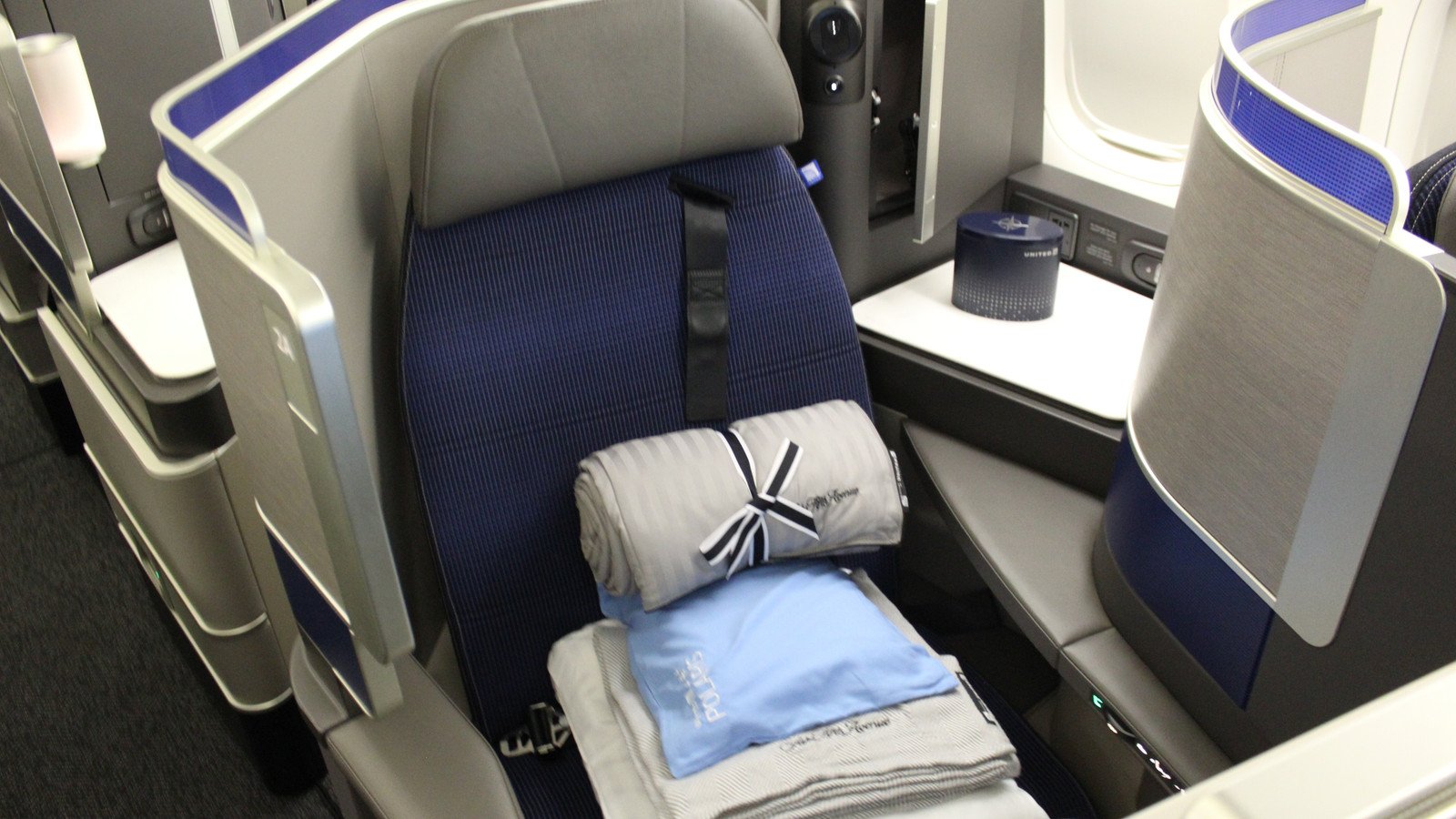
United Airlines is allowing its non-working flight attendants to access a crew bunk when seated in a jumpseat. The change goes into effect August 1, 2026, and will impact long-haul flights. The decision has been received positively across the board, unlike other recent changes in the airline world, including a ban on “humanoid and animal-like robots,” along with Delta Air Lines increasing its cancellation and change fee costs.
This adjustment from United Airlines won’t cost flight attendants anything extra, and it should also be viewed as a morale boost for crew members. The change, which is a day away from going into effect, does come with specific restrictions, and a crew bunk seat isn’t always guaranteed.
Traveling United Airlines Flight Attendants Can Now Sleep In A Crew Bunk
United Airlines has added new benefits for its flight attendants who are seated in a jumpseat. The change had been rumored for awhile, but according to PaddleYourOwnKanoo, the policy change took time due to the union’s adjustments.
“But there was a delay in actually implementing the benefit because the union needed to lock down a policy to make it as fair as possible. Thankfully, that policy has now been agreed,” PYOK wrote.
As of August 1, 2026, off-duty United Airlines flight attendants using an employee pass and in a jump seat now have access to a crew bunk or crew rest seats, which will be made available during longer United flights. The change is sure to be met positively by flight attendants, who can escape the jumpseat accommodations, particularly during 8-hour-plus flights.
Flight attendants must follow certain policies to access the seat. For starters, United flight attendants cannot access the seats if space is unavailable. Additionally, the Association of Flight Attendants specified other rules in the policy, including passengers who aren’t eligible for the crew bunk.
United Airlines’ New Crew Bunk Policy Doesn’t Come With Guarantees
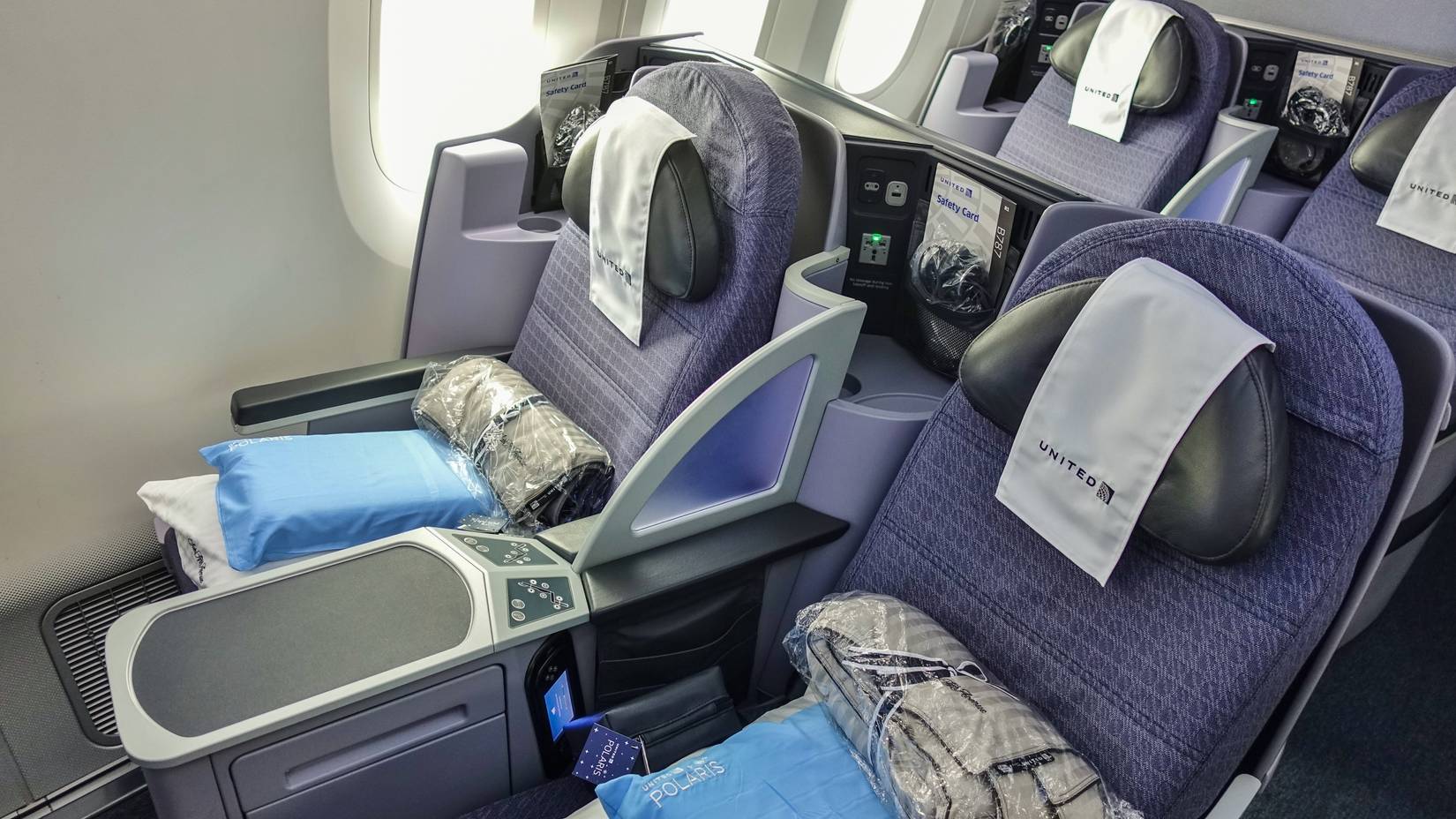
The Association of Flight Attendants confirmed that the working United crew will always have priority over the crew bunk seats. Additionally, the traveling flight attendant must make sure with the airline that the seat is available. Again, there is no guarantee that the seat will be given.
Other rules have been specified, including restrictions on other employees from separate airlines, and the altitude of the flight, and how it impacts the seating arrangements.
A Breakdown Of United Airlines’ New Flight Attendant Policy
|
-A non-rev passenger cannot select a bunk seat. |
|
-Employees of other airlines cannot choose a bunk. |
|
-Bunk availability is dependent on seniority. |
|
-The bunk cannot be used at least 45 minutes prior to landing. |
|
-The bunks are only intended for United Airlines flight attendants. |
|
-Bunks can be used depending on the altitude of a flight (at least 15,000 feet on Boeing 787s and 25,000 feet on Boeing 777s). |
|
-One person per bunk. |
Ultimately, the new policy change makes complete sense and adds a new perk for non-working flight attendants with United Airlines. The carrier’s recent change isn’t new and is something other major U.S. airlines already use.
How The Other Major U.S. Carriers Are Changing The Jumpseat Policy Rules For Flight Attendants
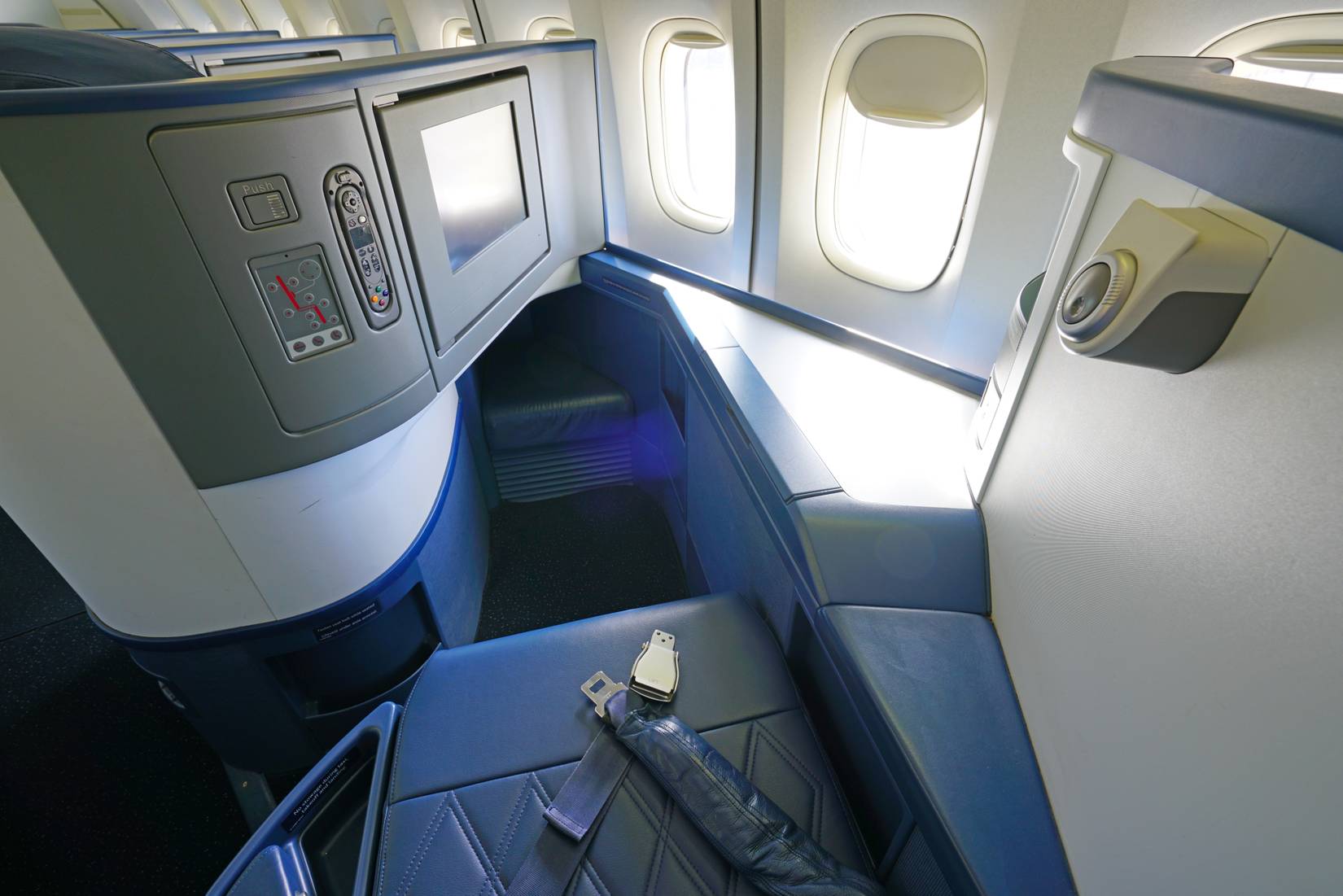
According to Live and Let’s Fly, Delta has used the same offer to flight attendants for years. However, the new United policy does cover obvious deficiencies from the previous policy.
“It is correcting a policy that made little sense: leaving an empty bed unused while an employee endured an overnight flight on a metal jumpseat…I can see this being particularly valuable on domestic transcons where on-duty FAs do not receive a break to sleep in the crew rest area,” Live and Let’s Fly wrote.
In addition to United Airlines, it was reported last month that Southwest Airlines had reversed its flight attendant-only jumpseat policy, a major victory for non-rev customers on Southwest flights. The TWU 556 cautioned Southwest Airlines prior to changing the policy, arguing that non-rev customers could be a distraction to flight attendants and a safety risk in the special seats. The AMFA 18 union changed the policy for every Southwest Airlines employee, not just flight attendants.
“Flight Attendants are aviation’s first responders in the cabin, trained and recurrently qualified in emergency procedures, evacuations, and cabin safety,” the union said. “We know that an aircraft is safest when every person occupying a jumpseat has the required level of training and operational familiarity that Flight Attendants do.”
In the end, the recent changes are a positive for flight attendants, as they continue to add perks. United Airlines’ change was long overdue, and although it comes with certain restrictions, it makes flying a lot less stressful for many flight attendants who can access the crew bunk on long-haul flights.