Yellowstone National Park had just announced one of the clearest wildlife warnings of the summer, after a park visitor was flung into the air by a bison. The video spread quickly, and the man’s injuries were serious.
The message seemed obvious: Yellowstone’s animals can be unpredictable and dangerous, and they’re certainly not props for vacation photos.
However, only days later, another video of what can only be described as “touron” behavior resurfaced online and began making the rounds.
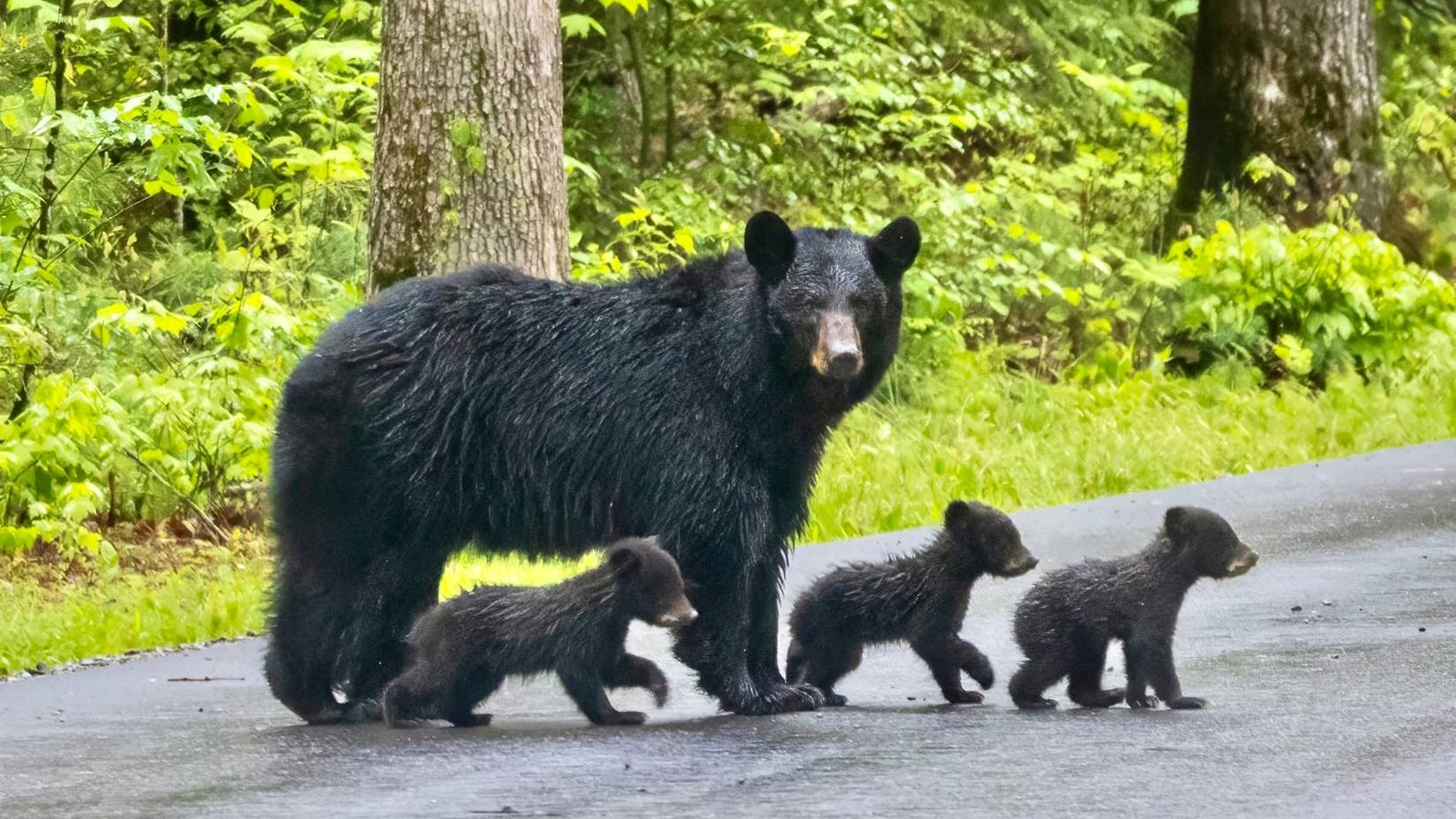
This time, the target animal was a mama bear — one of the most dangerous kinds — with cubs near a road. The people in the clip, including visitors who appeared to be with small children, were seen running toward the bears instead of backing away.
TheTravel has not independently verified when the video was filmed, although it originally appeared online a few years ago. But even though it’s not a recent incident, it shows just how persistent bad park behavior is toward dangerous and vulnerable wildlife.
The Video Shows Visitors Doing Exactly What Yellowstone Tells Visitors Not To Do
An Instagram reel shared by Daily Brief Global shows visitors full-on running toward a mama black bear and cubs near a roadside in Yellowstone National Park. One of the visitors appears to even be carrying a child.
Although the incident apparently happened in 2023, the National Post noted that it occurred only about a month after another woman was seriously injured after being gored by a bison in the same park. And it has resurfaced just days after another viral wildlife encounter that ended in injury.
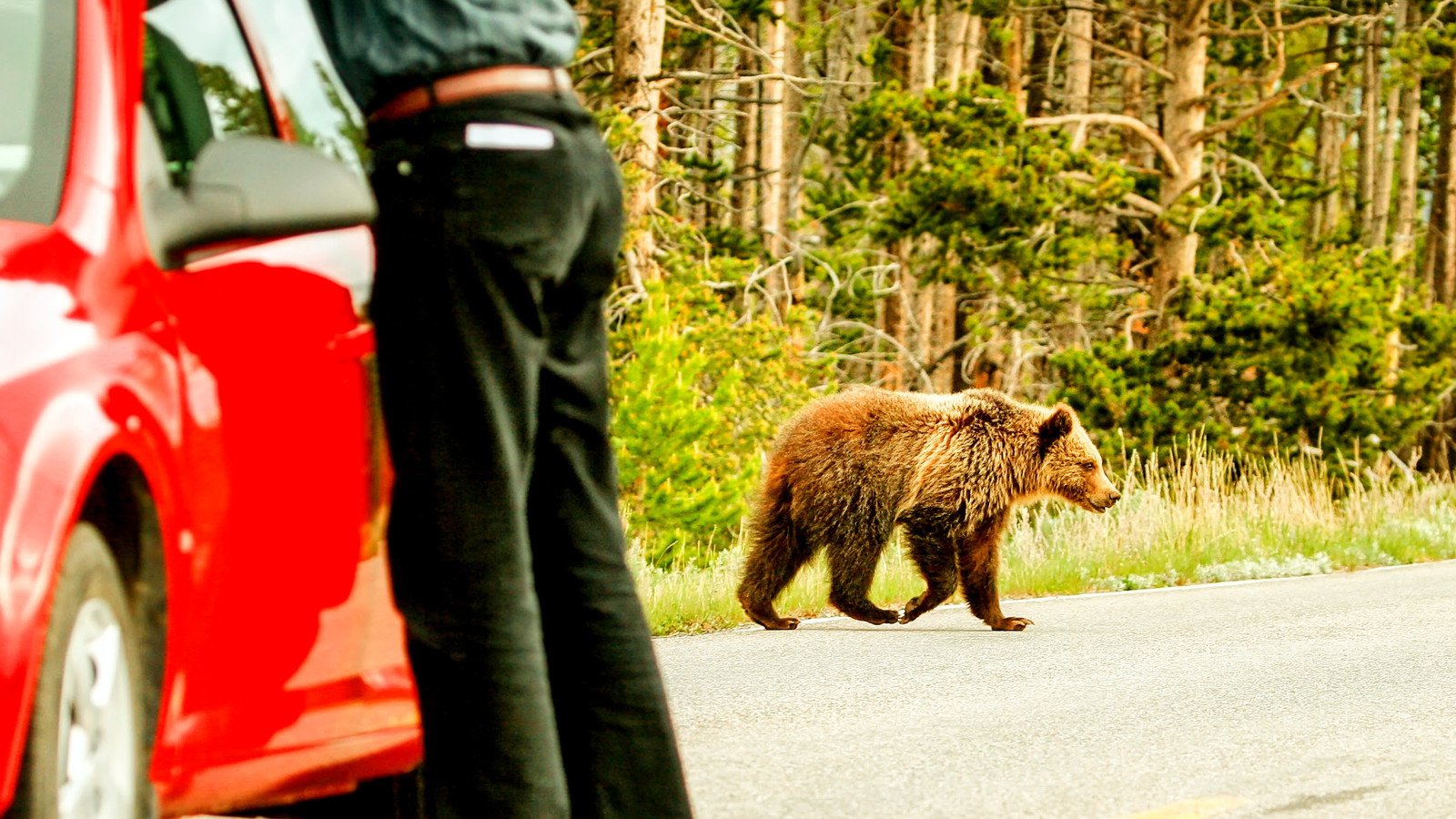
The park’s safety guidelines clearly warn visitors to keep at least 100 yards from bears at all times and to never approach a bear, or any other wildlife for that matter, for a photo. If an animal moves closer, visitors are responsible for backing away to maintain the required distance.
The same guidance also says people definitely shouldn’t run or make sudden movements during a close encounter with a bear. They should keep their group together, slowly back away, and have bear spray ready if needed.
Running toward a bear with cubs is quite literally the opposite of every piece of advice park officials have given year after year.
Earlier that same year, a man intervened to help a baby bison calf after seeing it struggling on a riverbank. While that visitor may have had good intentions, the park’s rules exist for a reason. Sadly, the calf was abandoned following this interference, and park officials had to euthanize it.
“We made the choice we did not because we are lazy, uncaring, or inexpert in our understanding of bison biology. We made the choice we did because national parks preserve natural processes,” the National Park Service later said in a statement.
The Bear Incident Resurfaces Just Days After A Bison Seriously Injured Another Park Visitor
The bear video was reposted shortly after another Yellowstone wildlife encounter went viral for a much more violent reason.
A 65-year-old visitor was seriously injured by a bison at Bridge Bay Campground on July 10, 2026. The man was reportedly with his grandson when the bison turned and charged at them, and he was finally tossed roughly eight feet into the air. He survived, but reports said he suffered multiple broken bones.
“They weren’t even in that camping loop,” said Mike MacLeod, the photographer who shot the dramatic footage, to Cowboy State Daily. “They were walking along the road, quite a ways away from the bison, and it started running at them.”
MacLeod added that he had been in touch with the man’s grandson. “He was really worried and wanted to see the video to make sure that it wasn’t his fault. You can tell in the video it’s not his fault. You can tell from the very beginning.”
Yellowstone confirmed the animal would not be euthanized following the incident. Park officials also noted the victim had been standing at least 25 yards (75 feet) away from the bison before it charged, which is the minimum recommended distance to keep from bison, elk, and other non-predatory wildlife. Predators like bears, wolves, and cougars require at least 100 yards (300 feet) of space.
Bison are large, fast, unpredictable animals, yet many visitors still underestimate them. In fact, Yellowstone officials said the bison had targeted other guests during its rampage before making contact with the victim.
Only two weeks earlier, a 12-year-old child was attacked and seriously injured by a bison in Yellowstone near the Mud Volcano area.
Yellowstone says bison have injured more people in the park than any other animal. The park also says bison can run three times faster than humans and will defend their space when threatened.
The rules are posted, the warnings are public, and the videos of “tourons” are everywhere. Still, some visitors act as if the distance requirement is only a suggestion.
A Mother Bear With Cubs Is Not A Photo Opportunity
A bear with cubs chilling in the grass can look like the perfect Yellowstone moment from inside a car. That is precisely where visitors should stay when they see wildlife by the roadways.
The NPS warns people to be especially cautious around females with cubs, never get between a mother and her cub, and never approach them. Even a bear that isn’t looking for trouble can become dangerously defensive if it sees people as a threat to its young.
That risk increases when visitors get out of their cars, run or make sudden movements, and crowd the roadside.
|
What Visitors May Think |
What Yellowstone Safety Rules Say |
|---|---|
|
“The bear is far enough away.” |
Stay at least 100 yards from bears at all times |
|
“I just want a quick photo.” |
Never approach wildlife for a photo |
|
“Everyone else is going closer.” |
Crowding wildlife is still illegal and unsafe |
|
“The cubs are so cute!” |
Never approach cubs or get between them and the mother |
|
“I can run away if needed.” |
Do not run during a bear encounter |
|
“The road makes it safer.” |
Bears near roads are still wild animals |
The safest way to view the park’s wildlife is from inside a vehicle or from a long distance away, using binoculars and zoom lenses to get a better look.
Yellowstone Wildlife Jams Can Turn Dangerous Fast
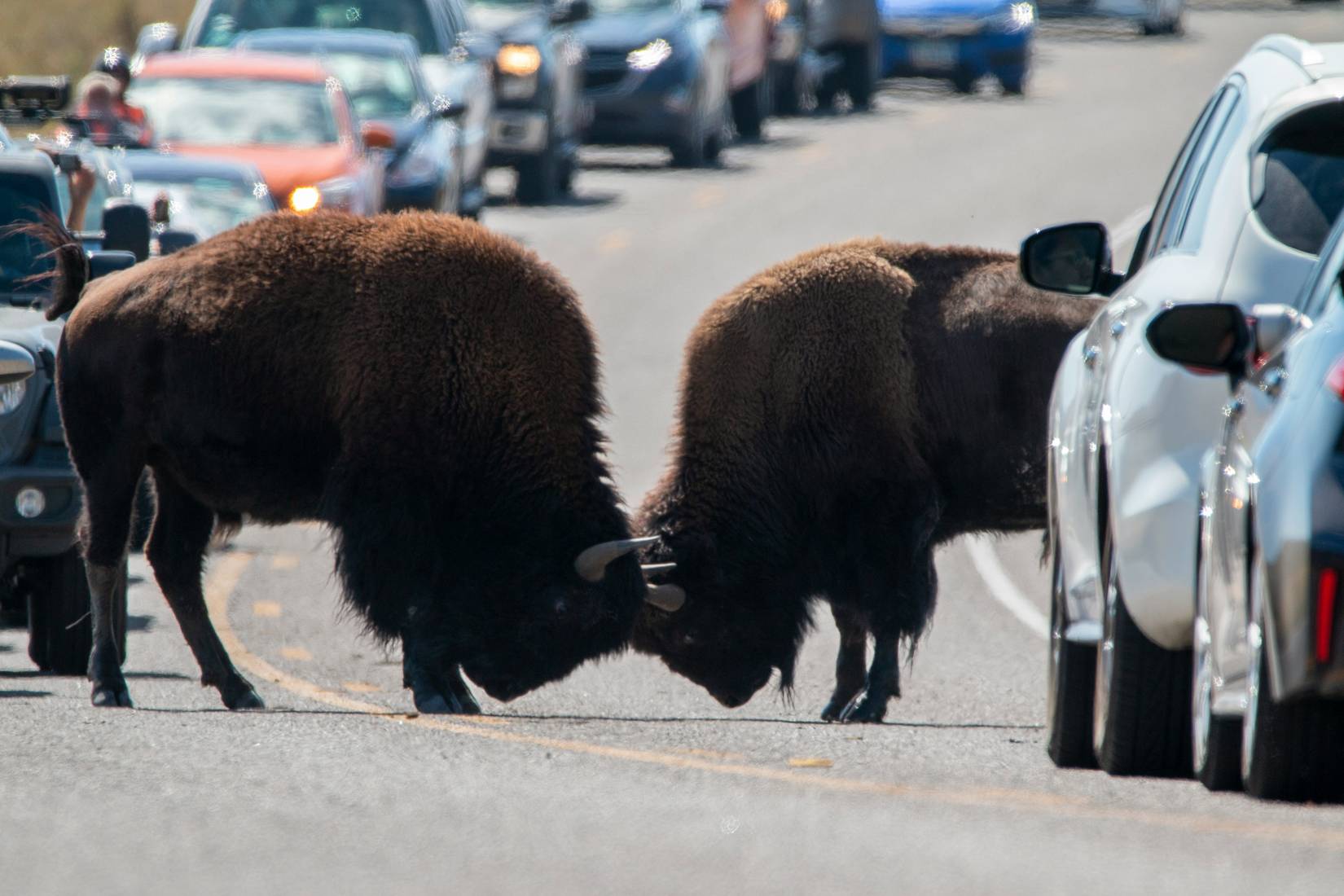
Another part of the problem is the setting. In the clip, there seems to be a long line of cars backed up on the road, which parks often refer to as a “wildlife jam.” This usually happens when animals are near the road, and cars slow down or stop, either to get a better look or to let them pass.
Sometimes bison stand directly in the roadway, and vehicles have little choice but to wait until they move so they can pass safely without getting too close.
That is one of the appeals of a national park; it places visitors in proximity to wildlife. Bison graze near roads, elk walk through developed areas, and bears can appear near tree lines, pullouts, rivers, or traffic jams. A visitor doesn’t always have to be deep in the park to witness a once-in-a-lifetime sighting.
However, the animals are wild; they are not curated zoo exhibitions or domesticated residents. And the rules don’t change when animals come into populated park areas. If anything, park visitors are in the animals’ space, not the other way around.
Fortunately, most people seem to understand the rules are in place for a reason. Here are just some of the comments left on the resurfaced reel shared most recently:
- “Is someone really running WITH A CHILD?!?”
- “The person carrying the child running toward a mother bear and her cubs needs someone to call CPS.”
- “Edward Abbey was right. Tear up the roads. Hike in or bike in access only. This isn’t Disney world.”
- “Never seen prey running towards its predators!”
- “They should be charged or banned from the park”
A bear near the road or in a parking lot may seem less threatening than one encountered deep on a trail. A cub may seem harmless because it’s small. A crowd may also make people feel safer, especially when others are breaking the same rules.
But a crowd can actually make the situation worse. It also teaches other visitors the wrong lesson. When one person moves closer, and nothing bad happens immediately, another person may decide to move closer too.
Yellowstone’s wildlife rules are designed to prevent that chain reaction before an animal has to defend itself, and someone gets hurt.
How To Observe Bears Without Becoming The Problem
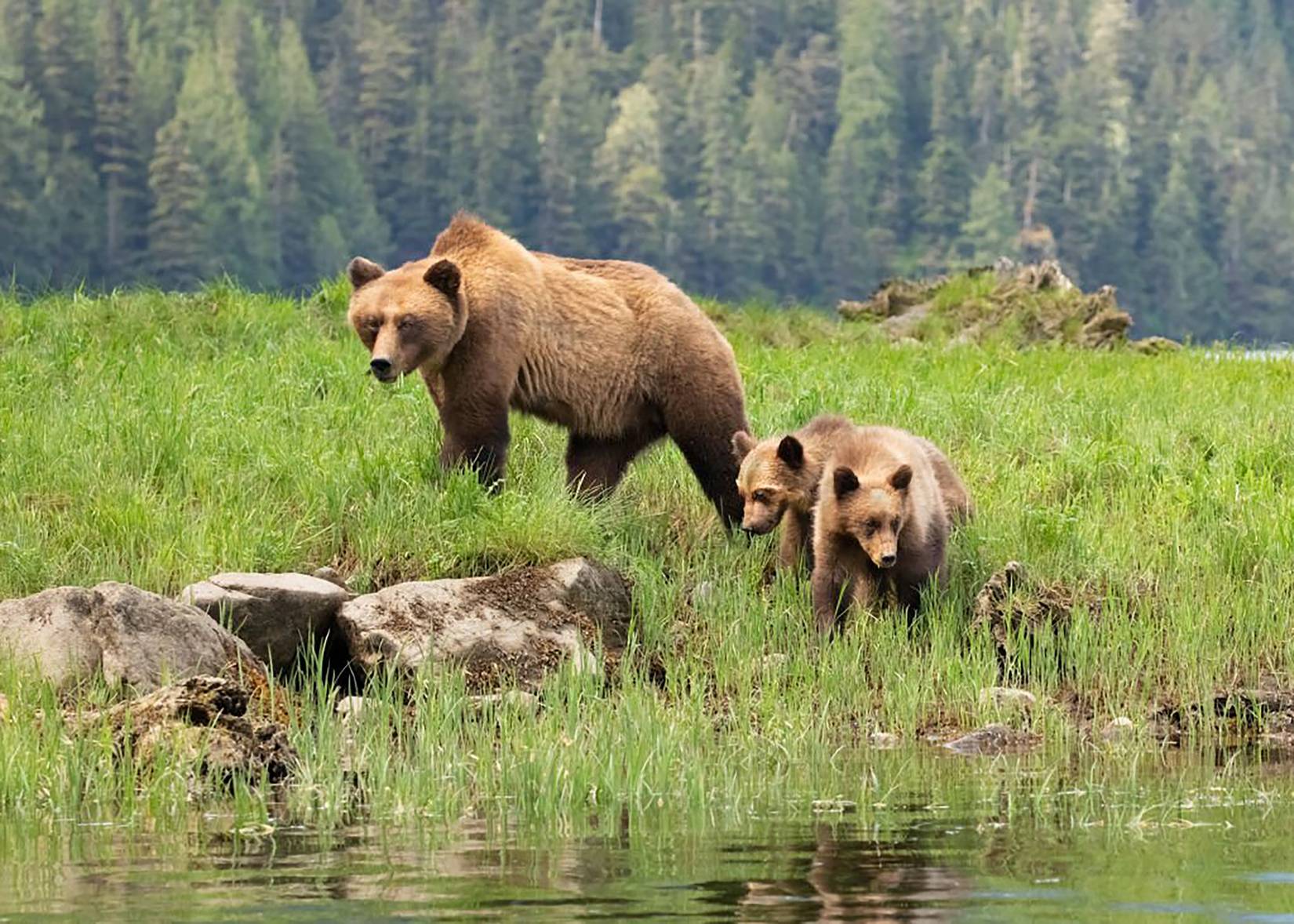
Seeing a bear in Yellowstone is one of the great moments of a park trip. Visitors don’t need to ruin it by turning the sighting into a chase.
The safest plan is to stay in a vehicle when possible, use a zoom lens or binoculars, follow ranger directions, and leave if the area becomes crowded or chaotic. On trails, carry bear spray and know how to use it before hiking in bear country.
|
If You See A Bear In Yellowstone |
What To Do |
|---|---|
|
You are in a vehicle |
Stay inside and pull over only where it is safe and legal |
|
The bear is near the road |
Keep distance and do not block traffic or the animal’s path |
|
Cubs are present |
Do not approach, and never get between cubs and the mother |
|
Other people run closer |
Do not follow them |
|
The bear moves toward you |
Back away slowly and keep your group together |
|
You are hiking |
Carry bear spray where you can reach it quickly |
|
A ranger gives instructions |
Follow them immediately |
|
You want a photo |
Use a zoom lens from a legal, safe distance |
The same mindset applies to bison, elk, wolves, and every other wild animal in the park. A close encounter is not something to brag about — and when one turns bad, both visitors and wildlife suffer the consequences.