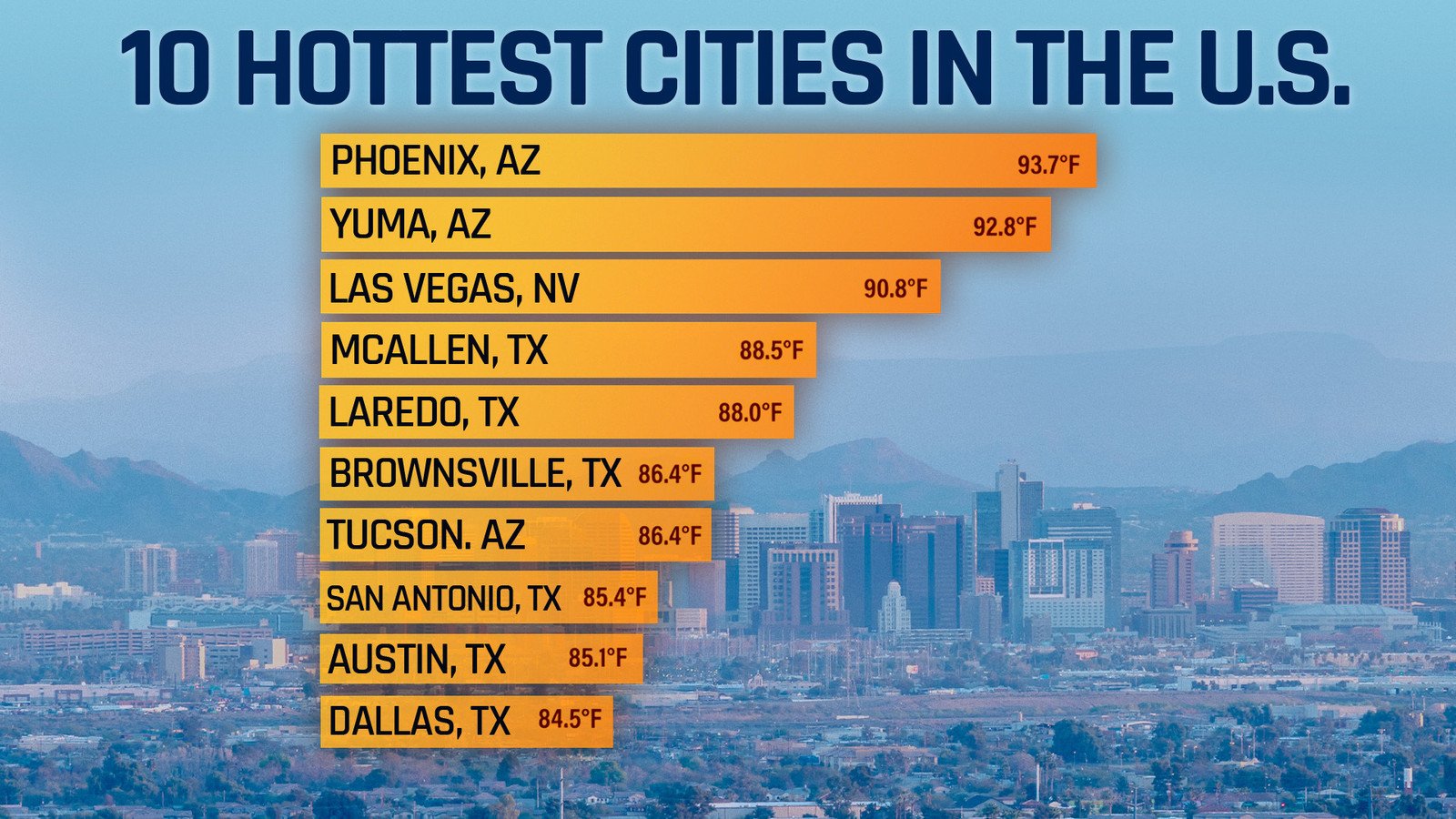
A summer of record heat waves has people all over the U.S. scrambling for relief. However, while much of the country deals with unprecedented heat, many cities see it as business as usual.
The 10 hottest cities in the U.S. are no strangers to 100+ degree days, with many spending weeks in the triple-digit range. The top three cities have even crossed the 120° threshold on occasion. With such extreme records, these cities can feel uninhabitable. Even the hottest cities can be enjoyable to visit at the right time of year.
So where are the 10 hottest cities in the U.S.? And with such extreme temperatures, what time of year is it reasonable to visit them?
10
Dallas, Texas
Everything is bigger in Texas, including its temperature fluctuations. Dallas, Texas, sees average summer temperatures of 84.5°. However, what makes the Dallas heat truly extreme is its tendency to be stuck inside heat domes.
Heat domes are a unique weather phenomenon where the heat is trapped in place instead of being pushed out by regular air currents. These heat domes can cause long stretches of extreme temperatures, including nighttime temperatures in the mid 80s. This extended heat, paired with the large size of the Dallas area, can cause major outages, furthering the extreme heat.
When To Visit Dallas, Texas
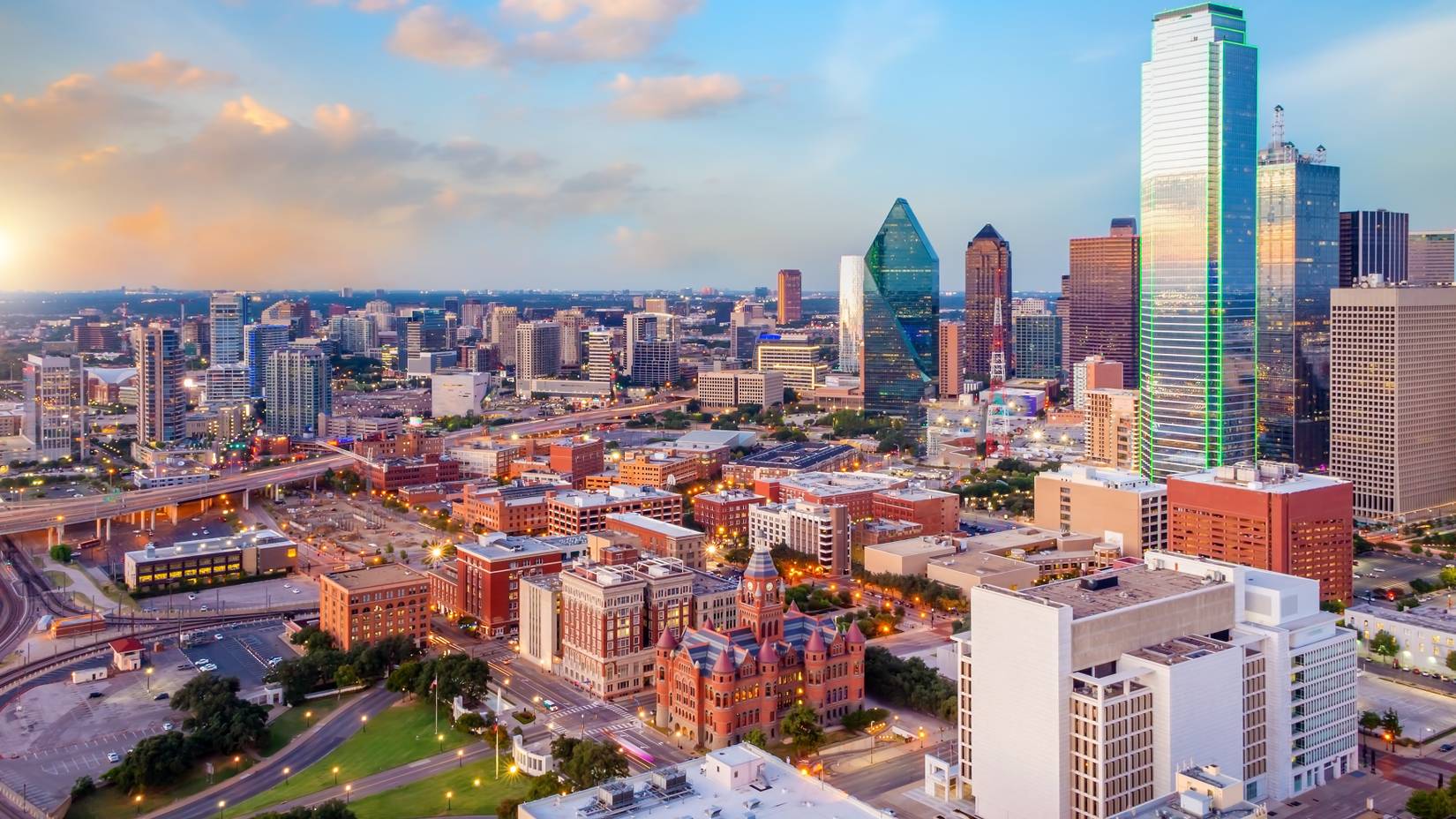
While visitors would be wise to avoid the heat dome season in Dallas, the city has plenty of appeal in cooler months. Dallas is at its best in the Spring when the plants at the Dallas Arboretum are blooming. It is also particularly popular in late September and October, when the cool fall breeze kicks in, and the State Fair is in town.
About Dallas, Texas
|
Average Summer Temperature |
84.5°F |
|
Average Annual Temperature |
68.0°F |
|
Record High Temperature |
113°F (1980) |
|
When To Visit |
March-May, September-October |
9
Austin, Texas

Similar to Dallas, Austin, Texas, isn’t just hot for a day. The city is used to extended heat waves, with week-long stretches of 100-105° days.
Austin also struggles with extreme humidity, particularly in the first half of summer. This can raise the perceived temperature considerably and makes it harder to find relief in shady areas. If that weren’t enough, Austin’s extreme conditions often lead to droughts by the end of summer, so watering holes and natural swimming areas disappear just as the weather reaches its worst.
When To Visit Austin, Texas
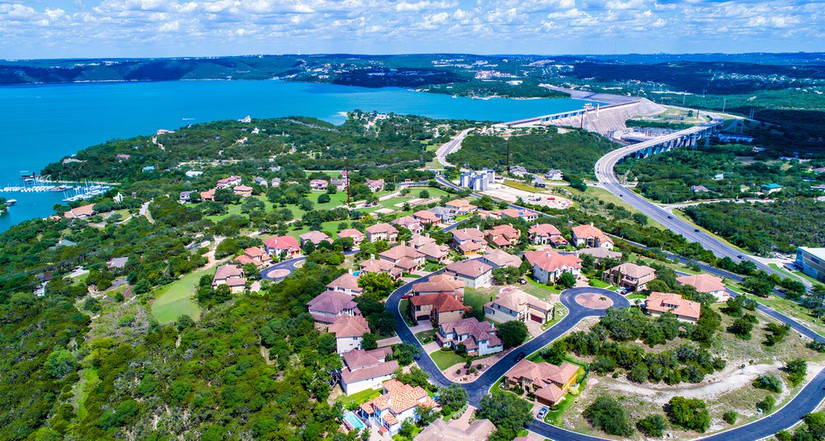
Also like Dallas, Austin is most appealing during the spring and fall. Lady Bird Lake is particularly enjoyable during the spring, and seasonal events like South by Southwest add to the excitement of the season.
As a college city, fall is an exciting time to explore Austin, when the back-to-school and football season energy is everywhere. The fall also brings dramatically lower humidity, making even warm days more comfortable.
About Austin, Texas
|
Average Summer Temperature |
85.1°F |
|
Average Annual Temperature |
70.0°F |
|
Record High Temperature |
112°F (2000, 2011) |
|
When To Visit |
March-May, September-November |
8
San Antonio, Texas

Credit: Sean Pavone/Shutterstock
The southerly position, paired with the extreme summer humidity, means that Texas cities dominate the list of 10 hottest cities in the U.S. San Antonio actually sees slightly lower daily temperatures than Austin or Dallas, but the humidity is more extreme, pushing the heat index 10-15° higher than the thermometer reading.
This means that it can feel like it is 105° out in San Antonio for days on end, with no relief in the shade. Nighttime temperatures rarely dip below 78° during these stretches, making even night uncomfortable.
When To Visit San Antonio, Texas
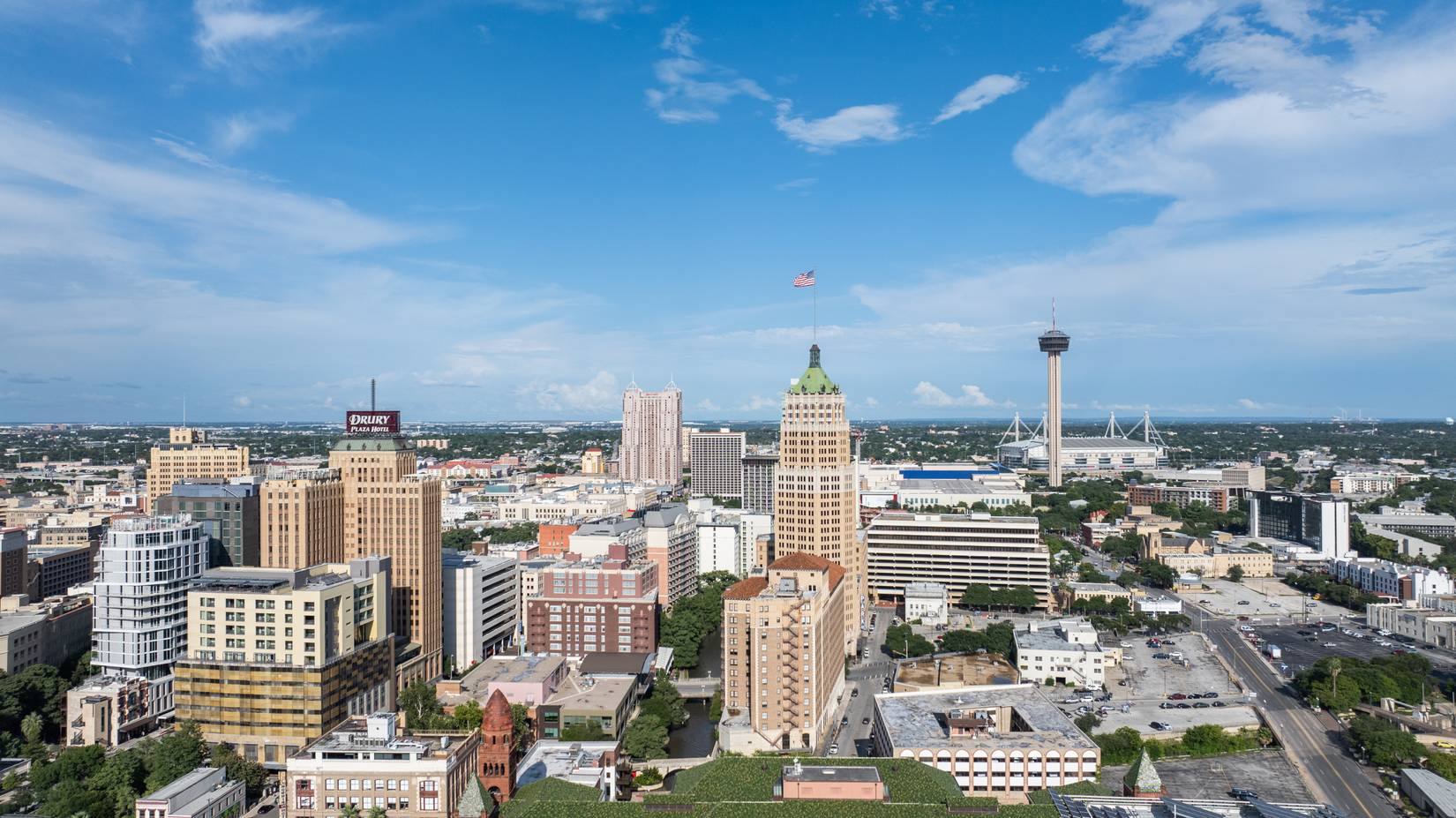
For those hoping to spend time outdoors, April is undoubtedly the best month to visit San Antonio. Just before the temperature spikes, the Texas Hill Country wildflowers bloom, creating beautiful landscapes perfect for driving or walking through. The 10-day Fiesta San Antonio is also worth visiting, with days of activities and celebrations throughout the town.
About San Antonio, Texas
|
Average Summer Temperature |
85.4° F |
|
Average Annual Temperature |
71.1°F |
|
Record High Temperature |
111°F (2000) |
|
When To Visit |
March-April, September-October |
7
Tucson, Arizona
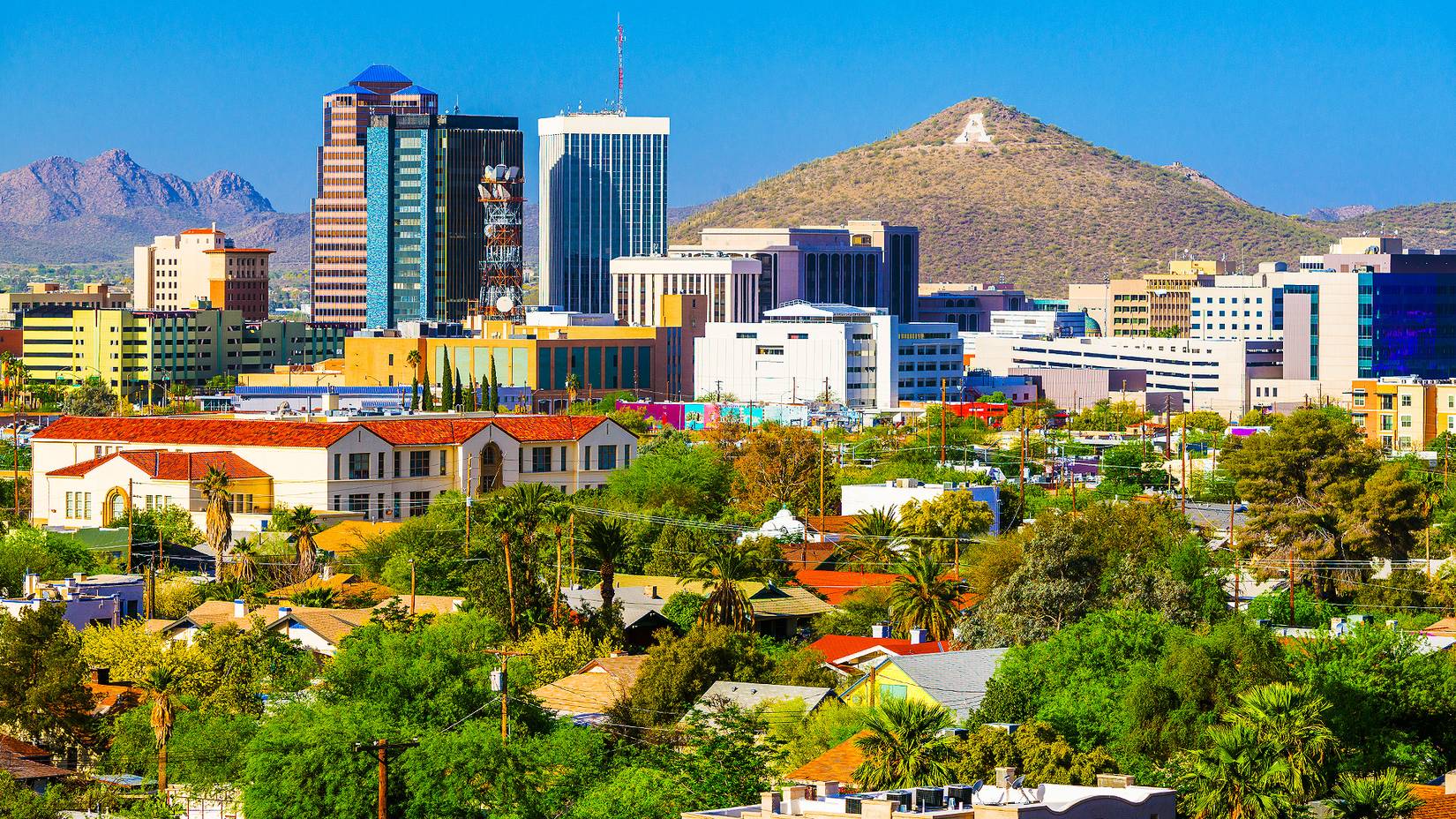
Tucson is a true desert city, with summer temperatures regularly exceeding 100°. However, unlike the heat domes of Texas, Arizona’s hottest cities also see extreme rainstorms, known as monsoons. After the dramatic heat has sucked every ounce of moisture out of the ground, heavy rainstorms will drop inches of water in a short time.
The ground is so hard that the water often runs off, creating flash flooding and filling dry washes. After the storms pass, temperatures spike right back into the 100° range.
When To Visit Tucson, Arizona
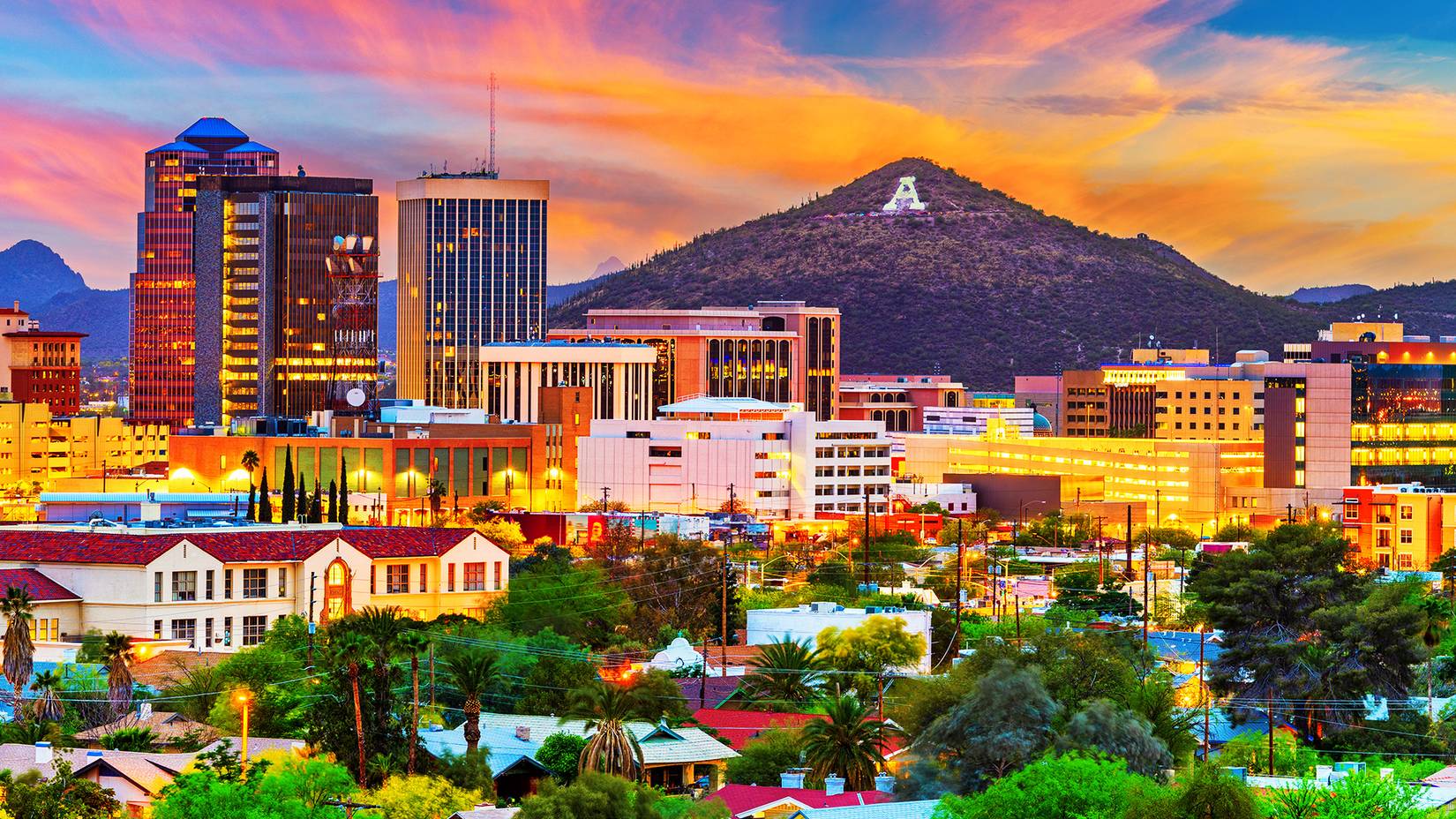
Winter and spring are the best seasons to visit Tucson, although spring is undeniably the highlight of the year for the city. The town is bordered on both sides by Saguaro National Park, whose namesake cacti are in bloom starting in late April.
The cool desert nights remain strong throughout the spring, keeping daytime temperatures more manageable for those hoping to explore on foot. The month-long Tucson Gem, Mineral & Fossil Show in February is another reason to consider a late winter trip to the high desert.
About Tucson, Arizona
|
Average Summer Temperature |
86.4°F |
|
Average Annual Temperature |
69.7°F |
|
Record High Temperature |
117°F (1990) |
|
When To Visit |
November–May |
6
Brownsville, Texas
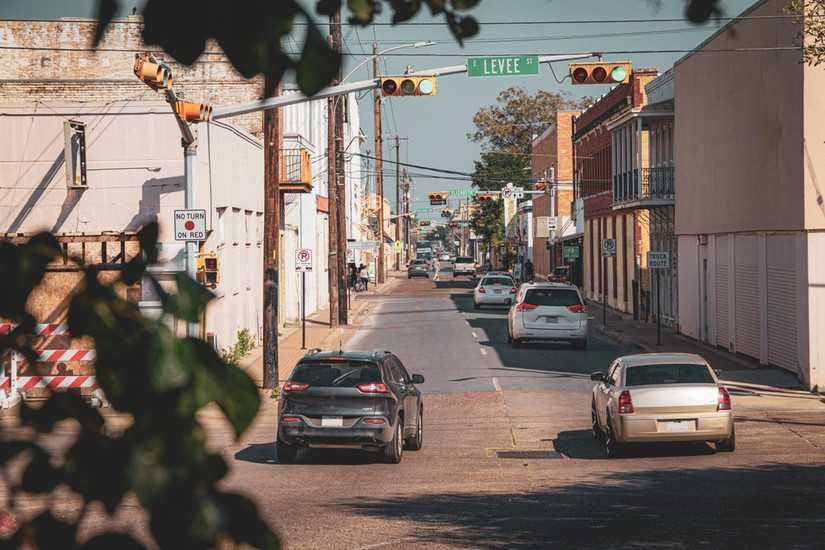
While the ocean has a cooling effect on the California coast, in Texas, it creates more of a “sauna”, trapping entire cities in a steamy, stagnant heat.
Brownsville, Texas, often experiences dew points over 78°F–80°F, which can make an 86° day feel like a 110° day. The high humidity also prevents temperatures from cooling overnight, creating week-long stretches of heat.
When To Visit Brownsville, Texas
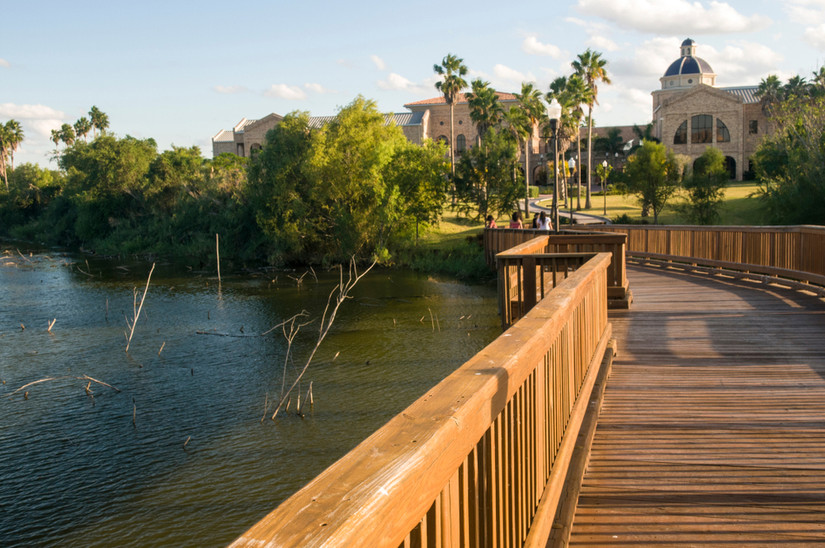
When the sauna effect is not in full force, the coastal city of Brownsville is very pleasant to visit. Winters and early spring are the best time to enjoy a more refreshing coastal breeze, and the wildlife is abundant, having migrated south from chillier corners. The Sabal Palm Sanctuary is particularly popular for wildlife viewing, and the mild temperatures make walking the town itself a treat.
About Brownsville, Texas
|
Average Summer Temperature |
86.4°F |
|
Average Annual Temperature |
76.2°F |
|
Record High Temperature |
106°F (1984, 2023) |
|
When To Visit |
October–March |
5
Laredo, Texas
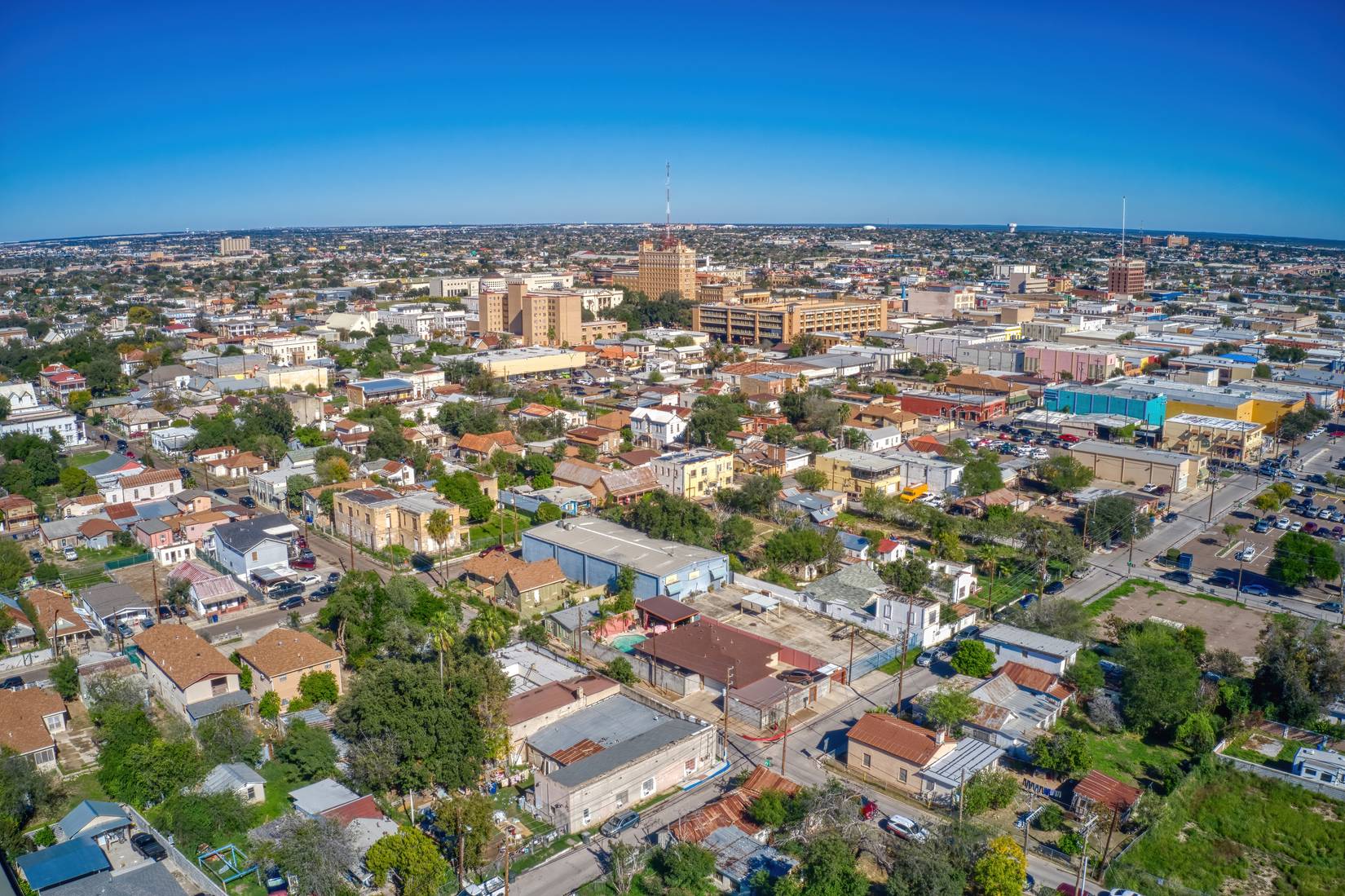
Unlike many of Texas’ cities, which experience high temperatures made worse by extended humidity, Laredo’s is just naturally extremely hot, with raw temperatures over 102° for days at a time.
As an inland port, Laredo handles billions in international trade between the U.S. and Mexico. It is this position between the two countries that also makes it so hot. The dry inland winds coming off the northern Mexican plateau constantly flood the city, keeping even nighttime temperatures high in summer.
When To Visit Laredo, Texas
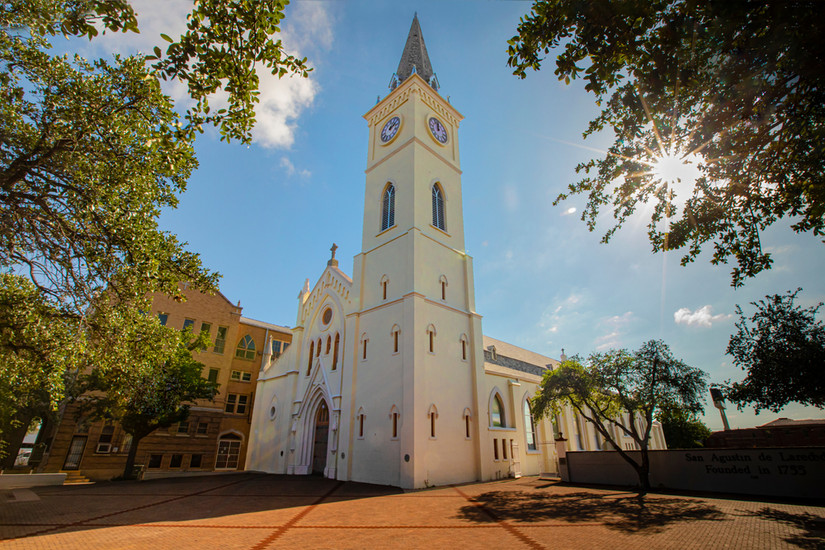
Late winter is often seen as the best time of year to visit Laredo, when the historic Washington’s Birthday Celebration, a month-long festival in February, is taking place. The temperatures are generally in the high 60s and low 70s, making outdoor exploration in and around town more comfortable as well.
About Laredo, Texas
|
Average Summer Temperature |
88.0°F |
|
Average Annual Temperature |
74.6°F |
|
Record High Temperature |
115°F (1908, 1927, 1942, 1985, 2023) |
|
When To Visit |
November–March |
4
McAllen, Texas
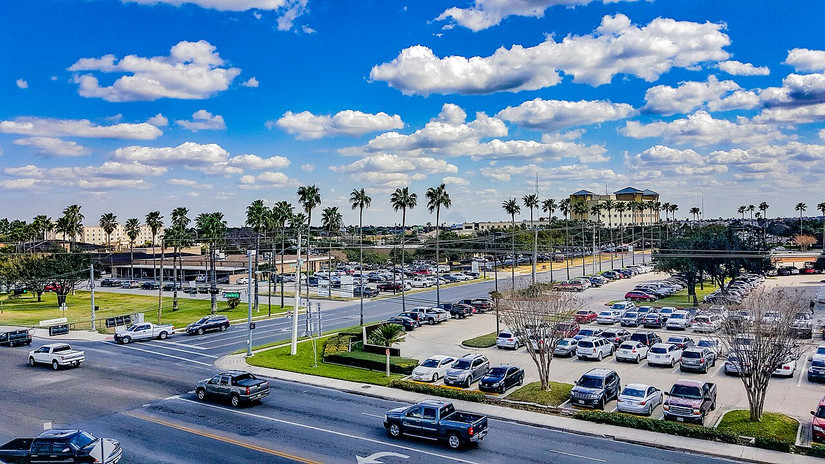
Like Brownsville, McAllen sees lower raw temperatures than some of the hottest cities in the U.S., but has an exceptionally high dew point in the 70s. This dew point pushes McAllen into the top half of the list, with temperatures regularly reaching and exceeding 110°.
While McAllen isn’t the hottest city in the U.S., it does have the highest average annual temperature of any city at just over 77°. That average is driven up by high overnight temperatures as well as a more moderate winter, rather than the winter desert dip that many other cities experience.
When To Visit McAllen, Texas

Even in the dead of winter, McAllen never dips below the 70s and 80s. Not only do visitors flock to the city during these months, but birds migrate through the area by the millions. The region is so famous for its flocks of birds that there is a World Birding Center trail connecting local sanctuaries that protect rest areas for the birds.
November is generally the beginning of the season to enjoy the warm winters of McAllen and its influx of birds, with temperatures remaining comfortable until the end of April, when the heat starts to creep back in.
About McAllen, Texas
|
Average Summer Temperature |
88.5°F |
|
Average Annual Temperature |
77.4°F |
|
Record High Temperature |
111°F (2023) |
|
When To Visit |
November–April |
3
Las Vegas, Nevada

The only city outside of Texas and Arizona on the list, Sin City is so hot in the summer that residents have joked about baking cookies on their dashboards. Summer temperatures often range between 105° and 110°, even with some of the lowest humidity in the country.
While that dry heat may make the shade more refreshing, it also increases the risk of dehydration, as sweat and water evaporate so quickly, even when just walking around The Strip. That intense evaporation may explain why Las Vegas has become one of the most water-efficient cities on earth, recycling nearly 100% of all indoor water used along The Strip and returning it to Lake Mead.
When To Visit Las Vegas, Nevada

While Las Vegas has worked hard to create infrastructure to protect against the extreme heat, the best time to visit is when the daytime temperatures are less extreme. Spring and fall are the best times of year to visit, when daytime temperatures are comfortable for walking down the Strip and visiting nearby attractions like Hoover Dam and Valley of Fire State Park.
About Las Vegas, Nevada
|
Average Summer Temperature |
90.8°F |
|
Average Annual Temperature |
70.1°F |
|
Record High Temperature |
120°F (2024) |
|
When To Visit |
March-May, September-November |
2
Yuma, Arizona

Yuma, Arizona, has the highest recorded temperature of any city in the U.S. at 124°F back in 1995. Yuma has also been recognized by the World Meteorological Organization as the sunniest city on Earth.
The constant sun explains the extreme heat, as Yuma received around 91% of the possible sunlight hours (more than 4,000 hours of sun a year). If the sunshine isn’t enough, Yuma’s surrounding farmland also makes evaporation a constant risk, which can spike the humidity and push temperatures to more than 120°.
When To Visit Yuma, Arizona
Even in winter, Yuma sees daytime temperatures in the mid 70s. The comfortable winter air makes Yuma a popular destination for snowbirds looking to get outdoors. The cooler temperatures also make it a popular time of year for recreation on the Colorado River.
About Yuma, Arizona
|
Average Summer Temperature |
92.8°F |
|
Average Annual Temperature |
75.9°F |
|
Record High Temperature |
124°F (1995) |
|
When To Visit |
November–March |
1
Phoenix, Arizona
With a record temperature of 122°F and an average summer temperature of nearly 94°F, Phoenix, Arizona, is the hottest city in the U.S. Despite record-high temperatures, Phoenix is one of the fastest-growing cities in Arizona.
Some have speculated that Phoenix, along with other U.S. cities on this list, may eventually be too hot to live in. With raw temperatures regularly over 110°F and night temperatures staying above 90°F, there is no relief in this urban sprawl.
In fact, the urban nature of Phoenix likely contributes to its extreme heat, with the lack of vegetation and stretches of concrete constantly radiating heat.
When To Visit Phoenix, Arizona
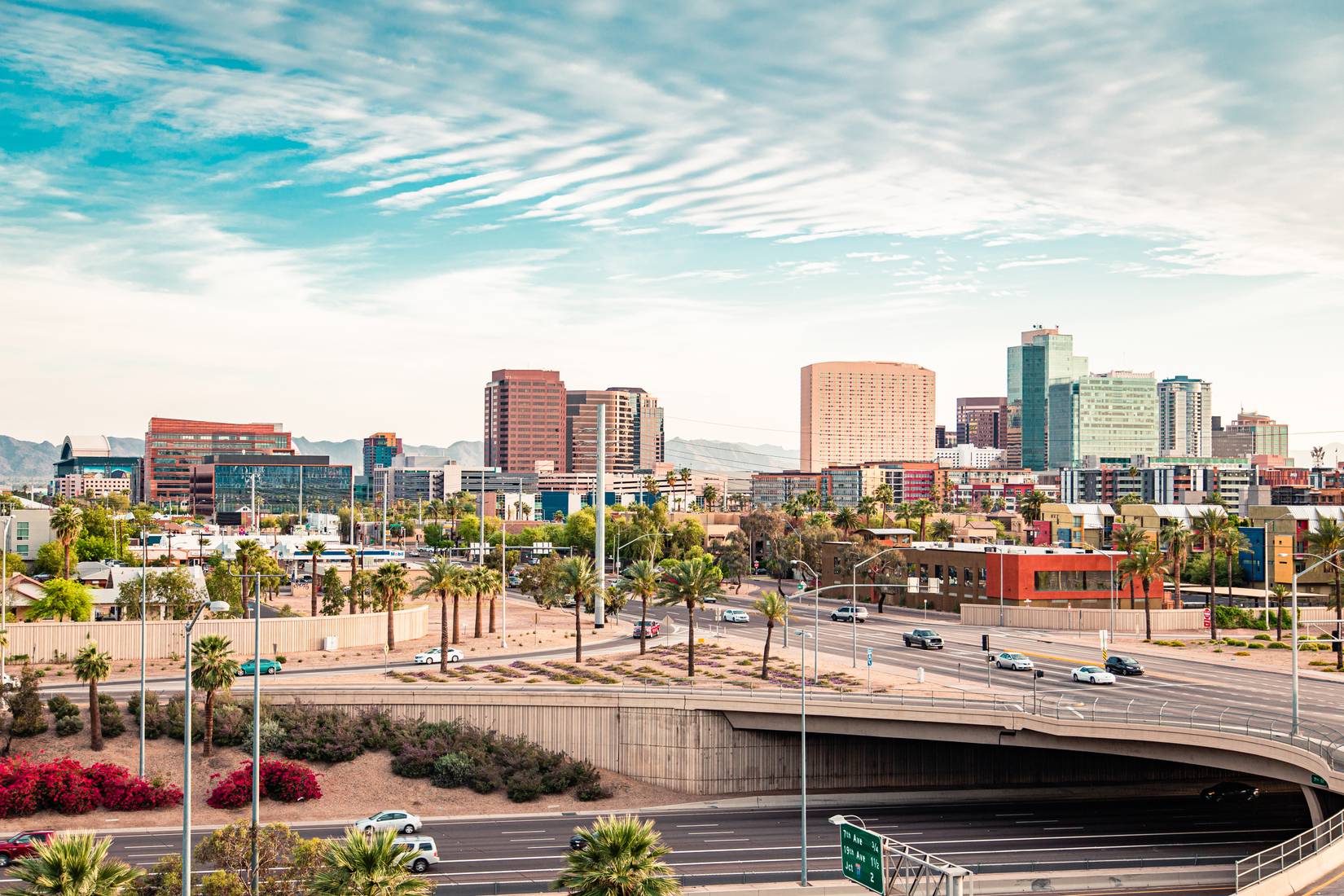
While Phoenix may be the hottest city in the U.S. during the summer, it’s a popular retreat during the winter. Still in the low 80s when the rest of the country is covered in ice and snow, Phoenix is a favorite getaway for snowbirds.
By late winter, the desert vegetation is beginning to bloom, adding color and fragrance to the desert landscaping and providing one more reason to brave America’s hottest city.
About Phoenix, Arizona
|
Average Summer Temperature |
93.7°F |
|
Average Annual Temperature |
75.4°F |
|
Record High Temperature |
122°F (1990) |
|
When To Visit |
November—April |