The United States government has issued a new “do not travel” warning to Americans in Spain. The U.S. Embassy in Spain and Andorra, which falls under the management of the U.S. State Department, has warned Americans following the influx of tens of thousands of migrants from Morocco in a 24-hour period.
Ceuta, a Spanish North African autonomous city and territory of Spain, was swarmed by around 60,000 migrants, predominantly young men, who crossed the border to the small enclave from Morocco, many of whom reportedly swam across. Hundreds more migrants attempted to cross to Melilla, another small enclave and Spanish territory at North Africa’s tip, where they clashed with police.
U.S. Travel Warning For Spanish Enclaves Following Migrant Influx
The U.S. Embassy in Spain and Andorra issued its updated warning for Americans in or heading to the region following the migrant influx on Thursday, July 30. The Friday, July 31 travel alert urged Americans to avoid traveling to both Ceuta and Melilla, located on the northern coast of Africa.
The embassy said the sudden arrival of thousands of migrants could create “unpredictable and dangerous situations.”
“Do not travel to the affected areas at this time,” the embassy said. “The arrival of thousands of migrants from Morocco to Ceuta and hundreds to Melilla in the past 24 hours may lead to unpredictable and dangerous situations.”
It informed Americans that Spain has deployed the military, as well as the Spanish National Police and Guardia Civil, to contain Ceuta’s developing situation, which sits in the Strait of Gibraltar at the entrance to the Mediterranean Sea. Americans are also warned that ferry services between Ceuta and mainland Spain have remained in service, but reminded travelers to monitor official updates for potential changes.
Alongside advice not to travel to the two cities, the embassy told Americans to stay away from demonstrations, comply with instructions from Spanish authorities, inform family and friends of their safety, and follow local media and government updates, pointing to the El Farode de Ceuta newspaper’s X account, which called the incident “Morocco’s blackmail against Spain at the expense of Ceuta.”
President Donald Trump criticized the event as a “catastrophe” and “invasion.”
I saw Spain yesterday, and I watched the catastrophe that took place. It looks like an invasion of a country. […] Hundreds of thousands of people,” President Trump told a cabinet meeting.
He also cited the ordeal in Ceuta as a reason for the U.S. to protect its borders. “And that same thing’s going to happen to us if the Republicans don’t get elected, except worse, much bigger, much easier to get into,” President Trump told a cabinet meeting.
Senior U.S. officials echoed the president’s remarks, notably the State Department, which blamed Spanish Prime Minister Pedro Sánchez’s socialist administration.

When visiting Ceuta on Friday, Sánchez condemned the border breach, describing it as “a violation of Spain’s territorial integrity.” He also blamed human smugglers for the crisis, saying that the criminals”deceive so many young people and ultimately lead many of them to their deaths.”
Meanwhile, the border rush has caused division in Europe; EU state leaders called for Spain to contain the incident, with Italy and France having pledged to tighten their border controls on travelers arriving from Spain.
On Friday, Italy’s government suspended its border-free Schengen travel agreements with Spain, meaning Americans traveling from Spain to Italy could face additional checks. Italian Prime Minister Giorgia Meloni cited “uncontrolled illegal immigration” following the decision. Madrid called the move “selfish” and a violation of EU treaty.
Death Toll Rises After Thousands Voluntarily Return
Around 48,300 of the estimated 60,000 migrants had voluntarily returned to Morocco by Friday evening local time, according to Spain’s Interior Ministry. The Spanish government’s representative in Ceuta said 57 bodies had been recovered on Spain’s side of the border. They said there could be further casualties on the Moroccan side. As of Saturday morning local time, the death toll has risen to 77, The Independent reported.
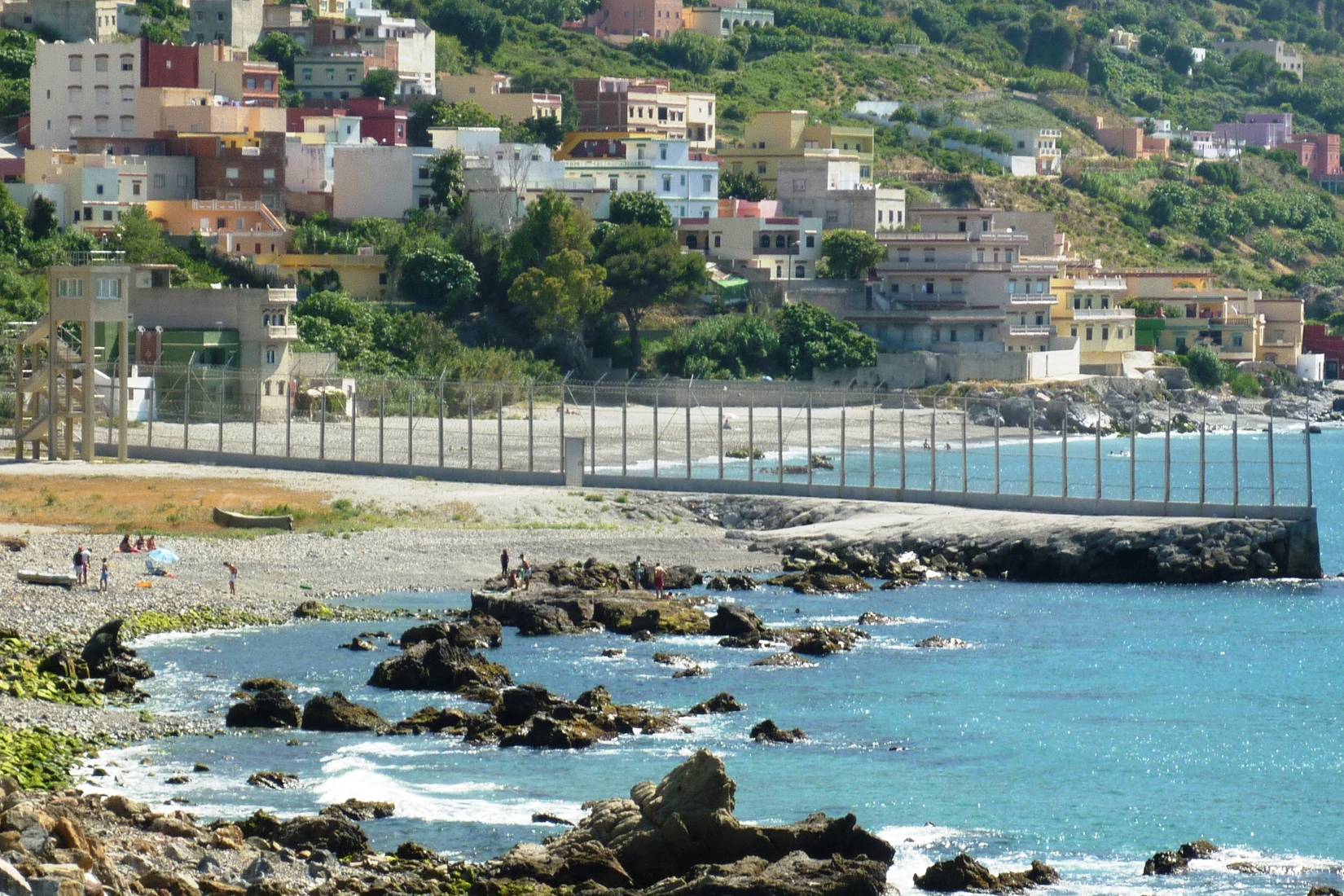
The representative confirmed that some had drowned, while others were crushed while trying to climb the breakwater, which holds the border fence. Moroccan authorities had attempted to beat back the crowds with batons and tear gas at the border gates to Ceuta to prevent more migrants from entering the tiny Spanish territory.
Rachid Sbihi, who leads a local workers association representing Civil Guard officers, said the situation is a “serious humanitarian crisis,” the Associated Press said. He said thousands of migrants, including unaccompanied minors, were left sleeping on sidewalks and in parks, as others aimlessly loitered in the streets.
Ceuta And Melilla’s Illegal Migration Issues
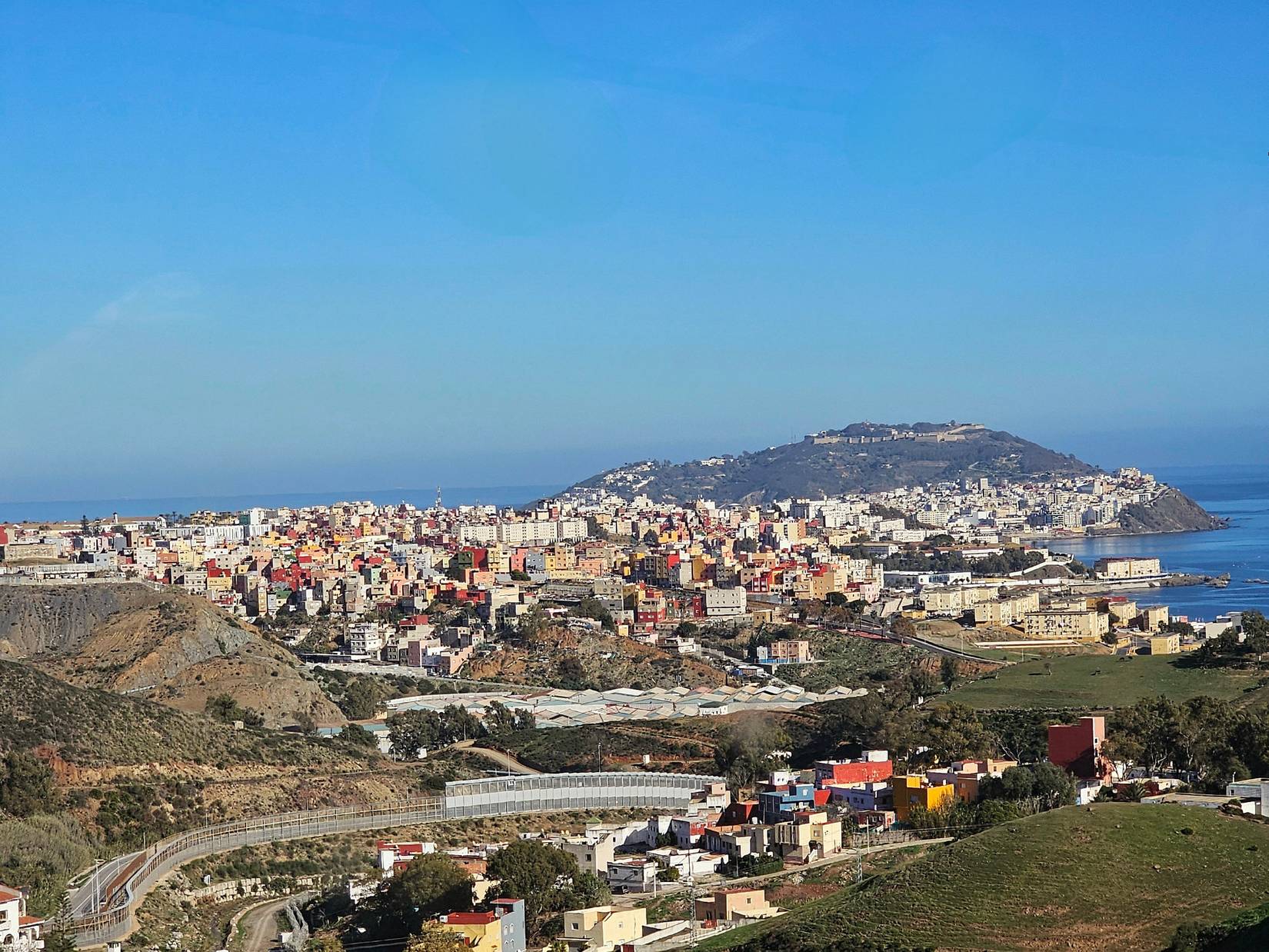
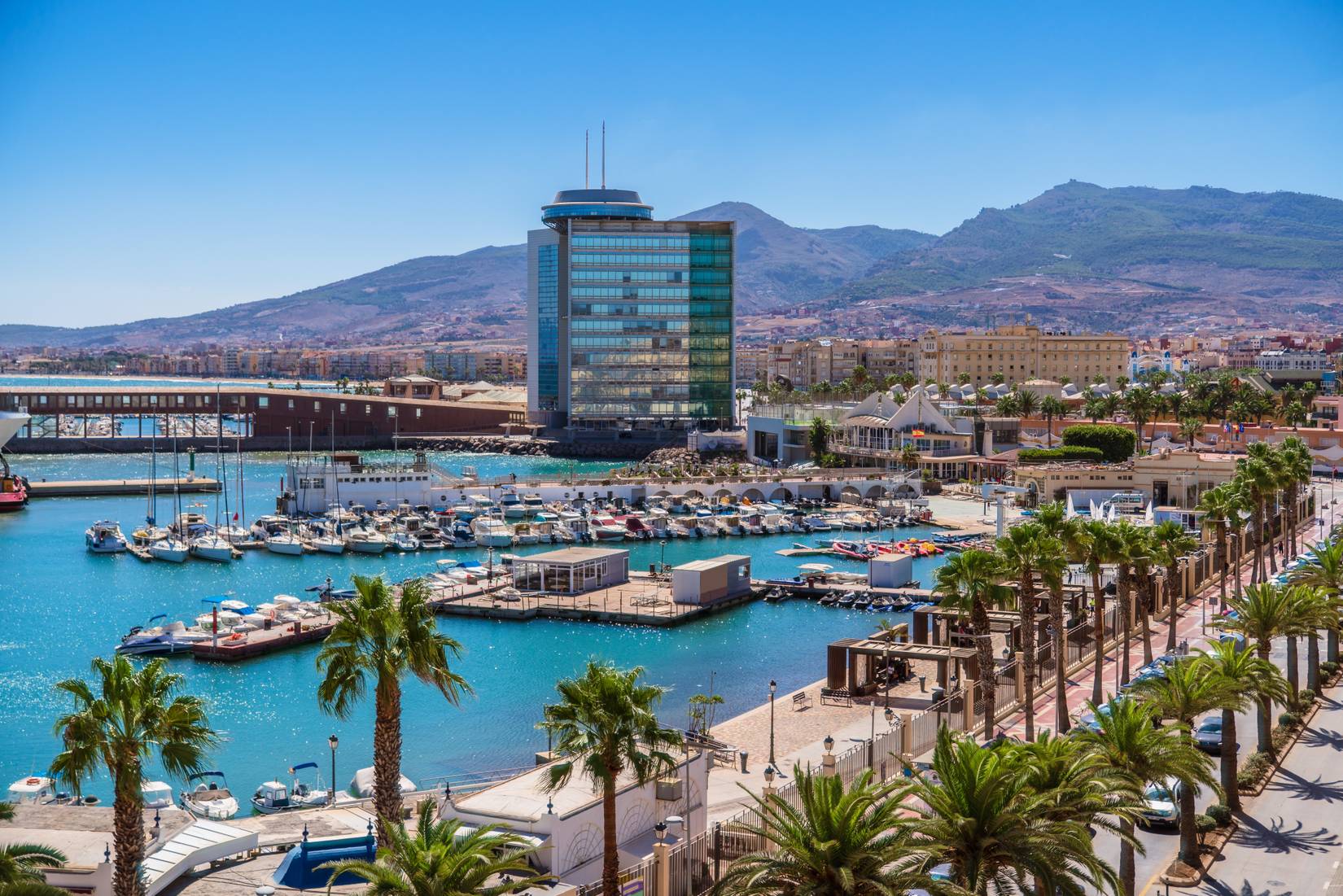
Ceuta and Melilla are two autonomous cities on the northern coast of Africa. Melilla is a larger territory, around 250 miles east of Ceuta. They share the European Union’s (EU) only land borders with Africa. Although geographically situated on the African continent and bordering Morocco, they are part of Spain and, therefore, the EU.
The two enclaves have long been at the center of irregular migration into Europe. Migrants from across North Africa, sub-Saharan Africa, and conflict-affected regions often try to travel to the Spanish territories in the hope of reaching mainland Spain and other parts of Europe.
Ceuta, in particular, has experienced repeated instances of mass migration over the years. Being separated from Morocco by land fences and border controls, some migrants attempt to swim around its coastal breakwaters or use inflatable boats to enter illegally.
A major incident took place in May 2021; around 10,000 migrants, including many children, entered Ceuta illegally within two days after Moroccan border controls abruptly eased during a diplomatic dispute between the two countries’ capitals, Madrid and Rabat. Many managed to reach the enclave by wading through shallow waters at low tide and swimming around border barriers.
Despite successful crossings by many migrants, the route is hazardous; rough seas, strong currents, and cold water have led to a number of deaths through drowning over the years. Both Spanish and Moroccan rescue services undertake search-and-rescue operations for crossing migrants. Spanish authorities have also reinforced coastline surveillance to intercept and prevent migrants from embarking on the dangerous journey.
The influx came as EU states continue to struggle with migration across Mediterranean and Atlantic routes. Spain is one of the primary entry points for migrants seeking access to the European Union, as well as the United Kingdom.