Within the United States Department of Homeland Security (DHS), the largest federal law enforcement agency is the U.S. Customs and Border Protection (CBP). The agency is tasked with securing the nation’s borders and facilitating lawful travel.
To achieve its goals, the CBP often denies entry to visitors for invalid passports and several other reasons. These include violations of restrictions and bans on the entry of various products into the country. Besides the standard contraband like weapons and drugs that top the list, these bans can also include lesser-known prohibited items such as certain toys, meats, and cars that fail U.S. legal standards.
Some of these bans encountered by travelers may initially seem weird. However, on closer examination, all the restrictions imposed by the CBP are often rooted in safety, environmental, or legal concerns and actually make a lot more sense.
Seven Weirdest Ban Rules By The U.S. Customs And Border Protection
Despite recent CBP data showing an unprecedentedly low number of Canadian visits as well as international arrivals, the agency has maintained, and in many cases escalated, strict entry protocols. Since the agency’s operations primarily revolve around international travel and border security, its jurisdiction extends to airports, seaports, and land borders.
To prioritize national security and border enforcement, the U.S. Customs and Border Protection (CBP) enforces strict prohibitions on travelers bringing in specific items, agricultural goods, and imported merchandise. While many of these bans are quite self-explanatory, some of them may seem weird initially before a closer examination completely justifies them.
Seven Weird Ban Rules By The CBP
- Gold from certain countries.
- Meats or meat products from most countries.
- Fresh fruits and vegetables.
- Cultural artifacts.
- Ceramic tableware.
- Automobiles.
- Tobacco from certain countries.
While many of these product lines might be a surprising inclusion on a CBP ban list, a deeper study of the reasons reveals a logical and legal justification.
Why These U.S. Customs And Border Protection Bans Make Perfect Sense
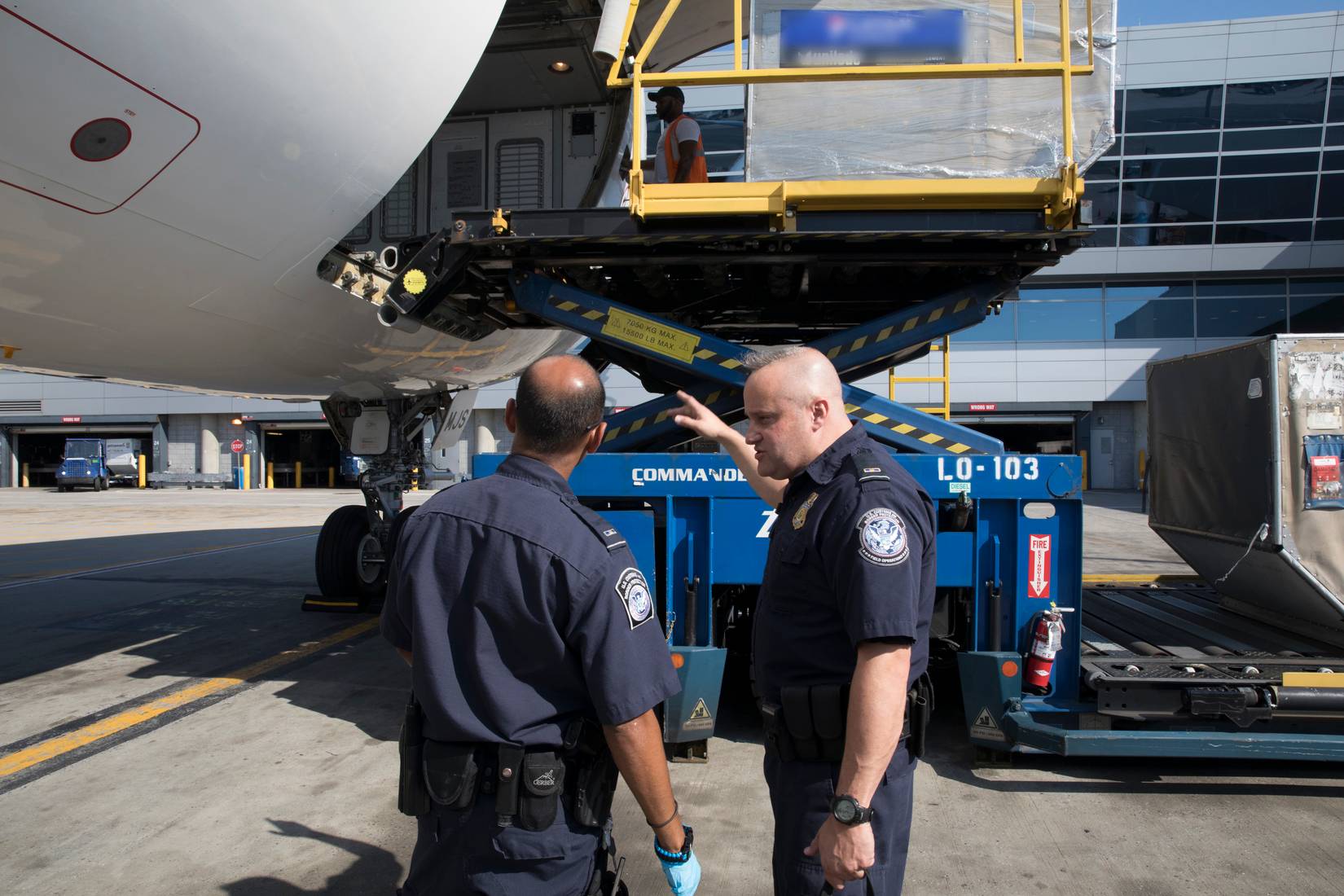
The CBP’s stance on its bans and prohibitions on restricted items remains rigid for very specific reasons. Each of the bans is in place to protect one or a combination of national security, environmental safety, and economic justification.
Gold: Gold from Cuba, Iran, Burma (Myanmar), and most of Sudan is prohibited from entering the U.S. The restrictions block these regimes from accessing U.S. markets and restrict international funding for multiple reasons, such as human rights violations, global terrorism, nuclear capability, armed conflict, and massive humanitarian crises.
Meats: Contagious diseases can survive in meat products and packaging. The CBP strictly enforces the U.S. Department of Agriculture (USDA) ban on meat and poultry from countries and regions affected by specific diseases to protect American citizens from them. These include foot-and-mouth disease, African and classical swine fever, bovine spongiform encephalopathy (mad cow disease), Newcastle disease, and avian influenza (bird flu).
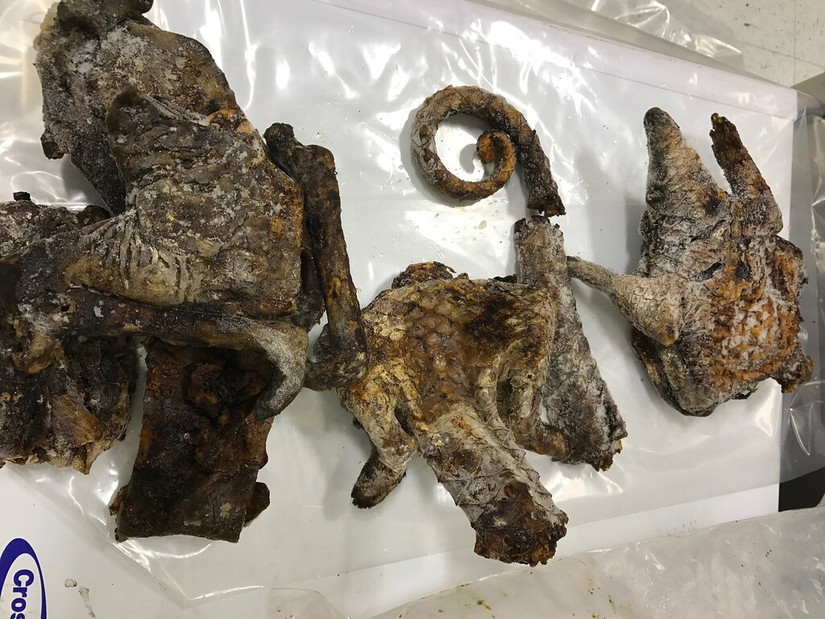
Additionally, bushmeat from non-domesticated African wildlife is strictly illegal and carries heavy fines. In July 2025, CBP agents intercepted and caught disease-ridden bushmeat twice at Detroit Metropolitan Wayne County Airport (DTW) that came from Africa. Each traveler was fined $300 for the offense.
Fresh fruits and vegetables: Plants can carry invasive plant pests, diseases, and noxious weeds. For instance, the Mediterranean fruit fly outbreak during the 1980s cost the state of California and the federal government approximately $100 million to get rid of the pest. Fresh fruits and vegetables are banned from the U.S.; however, those who still plan to bring them should contact CBP or check the Permits section on the USDA-APHIS website for a list of items that require a permit.
Another reason to ban fresh fruit and vegetables from the U.S. is to protect American agriculture. Billions of dollars, millions of jobs, and supply chains keep the U.S. agricultural economy alive, and invasive pests and disease can wipe out entire harvests.
Cultural artifacts: The U.S. is one of the largest global buyers of art, and its ban on cultural artifacts deters the looting of global heritage sites and helps prevent international money laundering and the financing of illegal entities. For instance, ISIS looted and sold antiquities to fund weapons purchases, human trafficking, and violent operations.
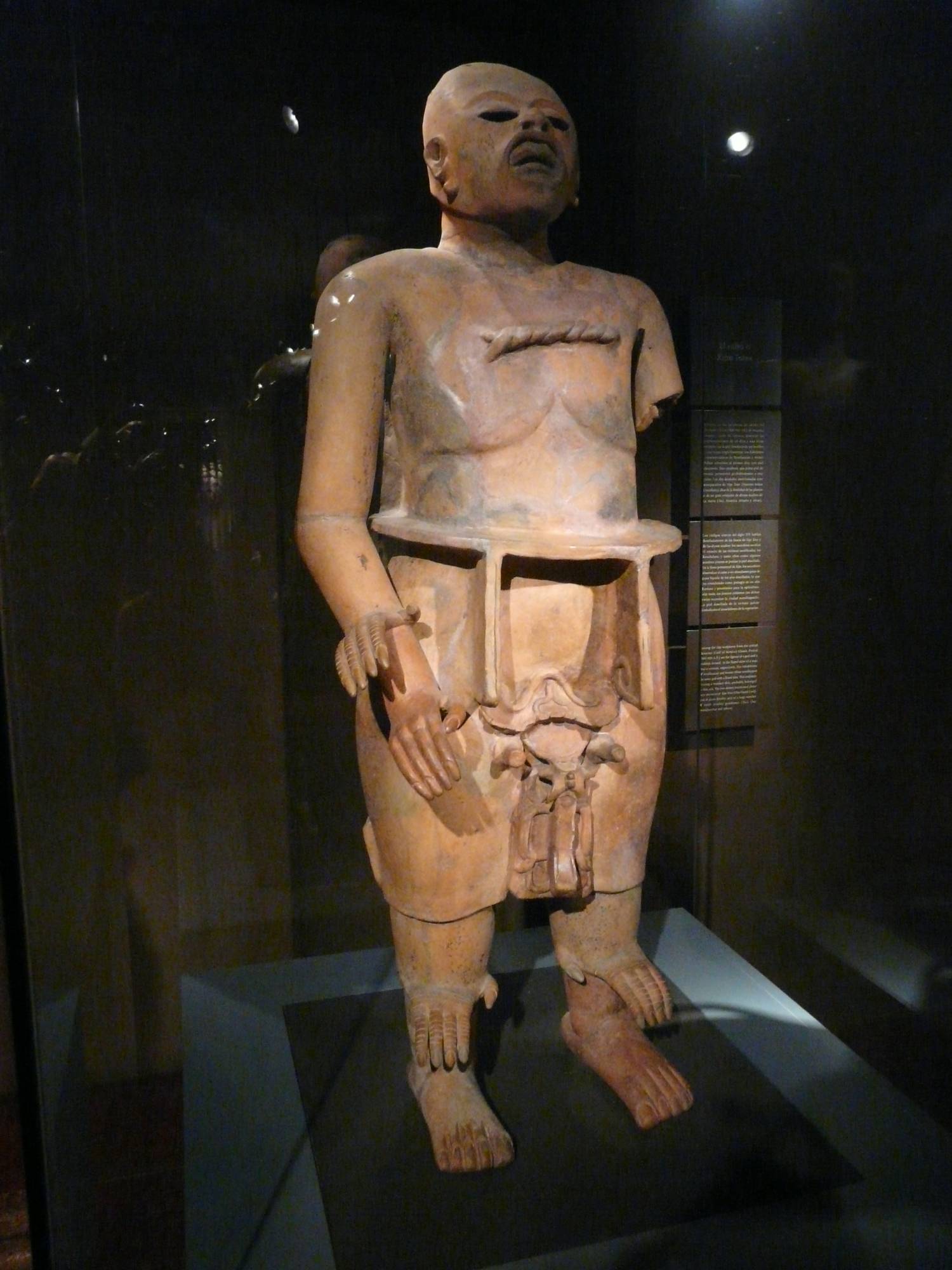
An export permit issued by the country of origin is one of the few ways to bring cultural artifacts into the U.S. legally. The U.S. Department of State website provides resources for prospective buyers of international cultural artifacts.
Ceramic tableware: Something as small and low-value as ceramic tableware is not truly prohibited or restricted in the U.S. However, some of these international products may be dangerously polluted with high levels of lead in the glaze, which can seep into foods and beverages. The FDA (Food and Drug Administration) recommends that ceramic tableware purchased in countries such as Mexico, China, Hong Kong, or India be tested for lead release or used for decorative purposes only.
Automobiles: The U.S. has strict federal safety, environmental, and national security standards for manufacturing vehicles. Not all countries match these benchmarks and specifications, and automobiles from other countries are deemed non-conforming and denied entry into the U.S. at the border. Specific airbag deployment systems, smart tire pressure monitoring, and reinforced crumple zones designed to meet mandatory U.S. crash tests are among the requirements under the Federal Motor Vehicle Safety Standards (FMVSS).
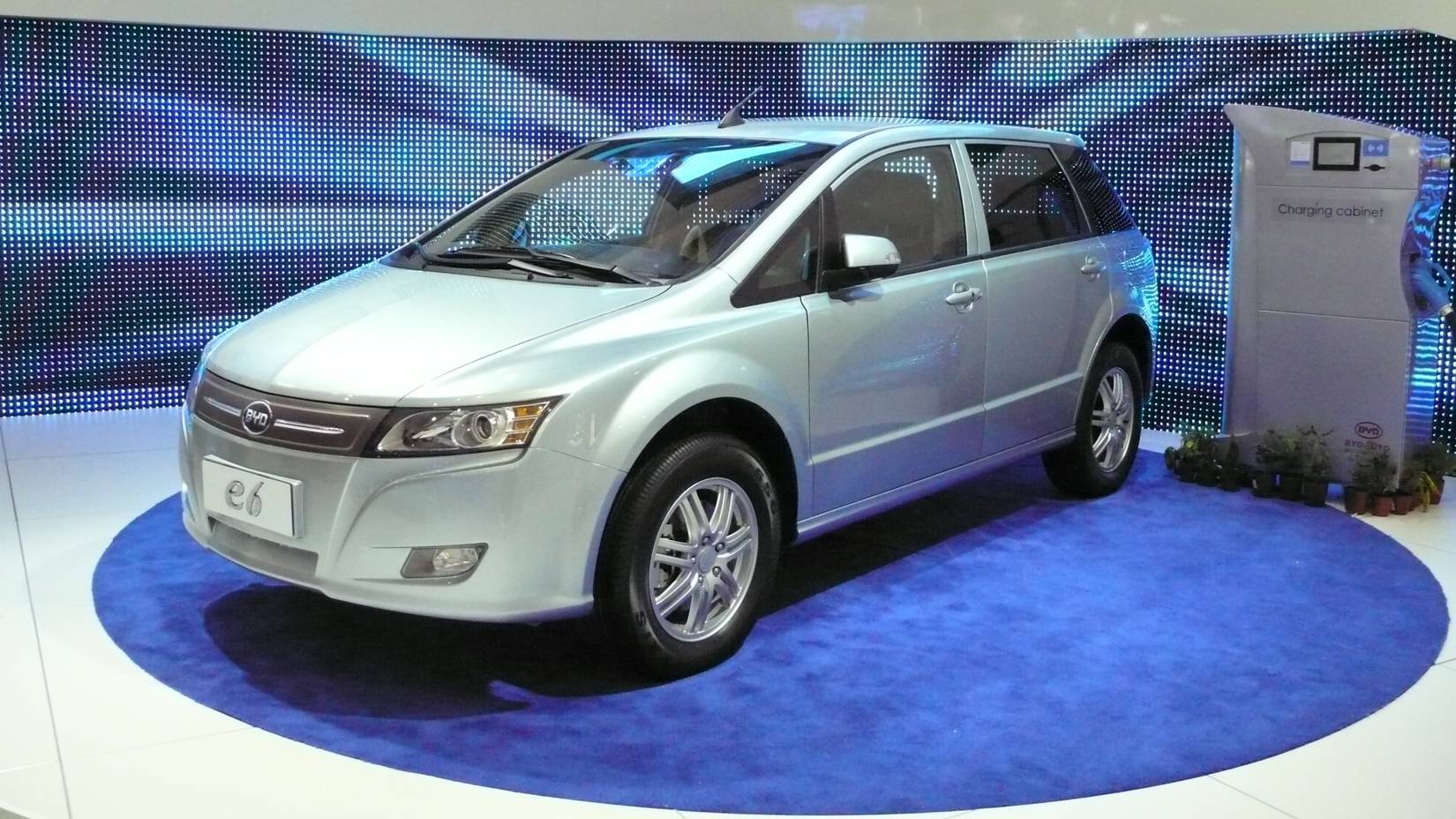
Furthermore, in recent years, the U.S. government has restricted certain smart vehicles, especially those manufactured by political adversaries like China, claiming that they collect data on American citizens and government infrastructure. For instance, the first-generation BYD e6 (seen above) was showcased at the 2010 Detroit Auto Show and promised a U.S. launch. However, it was never legally approved for general consumer sale or retail registration in the U.S.
Tobacco: While tobacco products are not entirely banned from entering the United States, there are certain caveats regarding quantity and origin. For instance, quantities exceeding personal use are prohibited to prevent tax evasion, fight against smuggling, and ensure public health compliance.
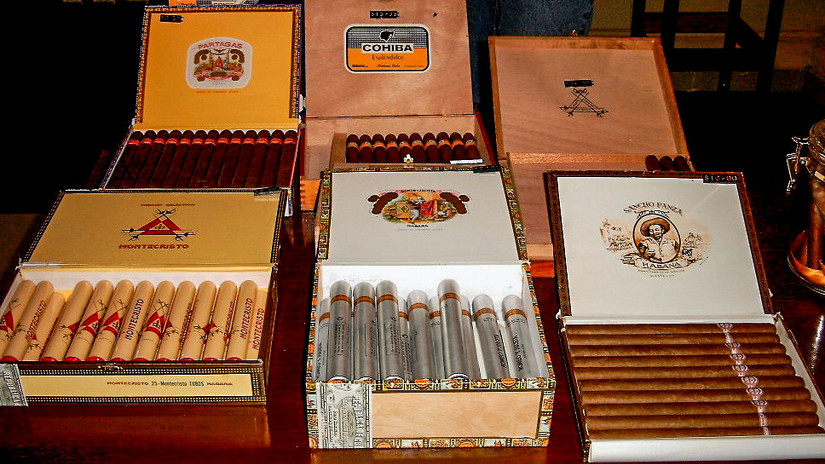
Also, tobacco and tobacco products originating from Cuba are strictly banned from the U.S., including for personal consumption. This is further evidence of the trade sanctions enforced by the CBP on Cuba. If CBP finds Cuban cigars or tobacco in a visitor’s possession, they are confiscated and destroyed immediately.
From India, the small, hand-rolled, local cigarettes called ‘beedis‘ are subject to extreme scrutiny and are heavily restricted by rolling import bans from the FDA.
A beedi contains higher levels of nicotine and tar than standard cigarettes and lacks mandatory FDA-approved public health warning labels.
These entry-ban rules may seem weird at first but are designed for the social, economic, and environmental benefit of the country and American citizens. That said, where there are rules, there are also usually loopholes designed to circumvent them.
Loopholes And Exceptions To U.S. Customs And Border Protection Ban Rules
Under the Fourth Amendment, CBP may target travelers to search their vehicles, baggage, and even electronic devices at ports of entry without a warrant or probable cause. This “exception” acts as a primary tool for CBP agents to enforce border control.
In contrast, tightly regulated, intentional exceptions are designed to balance rule bans with practical, economic, and humanitarian realities. While they may be called “loopholes” colloquially, they are, in fact, carefully structured exceptions to avoid misuse.
“Loopholes” To The Seven Ban Rules
|
Ban |
Loophole / Exception |
|---|---|
|
Gold |
– Small value, non-commercial goods. – Diplomatic, journalistic, or non-profit. |
|
Meats |
– 50 lbs for personal consumption. – Boneless meat in airtight containers. |
|
Fruits and vegetables |
– Commercially canned goods. – Canada-grown. – USDA-approved treatment. |
|
Cultural artifacts |
– Temporary museum exhibitions. – Bilateral agreement exceptions. |
|
Ceramic tableware |
– Decorative or ornamental use. – Antique over 100 years old. |
|
Automobiles |
– At least a 25-year-old automobile. – Up to one year for personal use. |
|
Tobacco |
– Personal use: (200 cigarettes and 100 cigars) (excluding Cuban tobacco) |
None of these exceptions are outside the purview of the prohibited and restricted items list of U.S. Customs and Border Protection, and officers may choose to inspect the items at any time. Certain items, such as meats, must be declared on arrival; failing to do so may result in confiscation.