It was only a routine trip across the border, but it took an unexpected turn when the U.S. Customs and Border Protection (CBP) officers held Canadian travelers with kids in tow for 12 hours before the travelers were ultimately denied entry into the United States. The CBP officers confiscated the phone of one of the Canadian travelers, and he still does not have it back three weeks later, since the incident.
In the now-deleted post on Reddit, a friend of the Canadian travelers asked for advice about the incident at the border, including the phone’s confiscation and whether they would ever enter the U.S. again in the future, after CBP’s extensive scrutiny at the border.
Commenters on the post believe that the inadmissibility is due to the travelers’ country of birth before they became Canadians, as well as their travel frequency to the U.S.
CBP Denies Canadian Travelers Entry To The U.S. After 12 Hours Of Detention
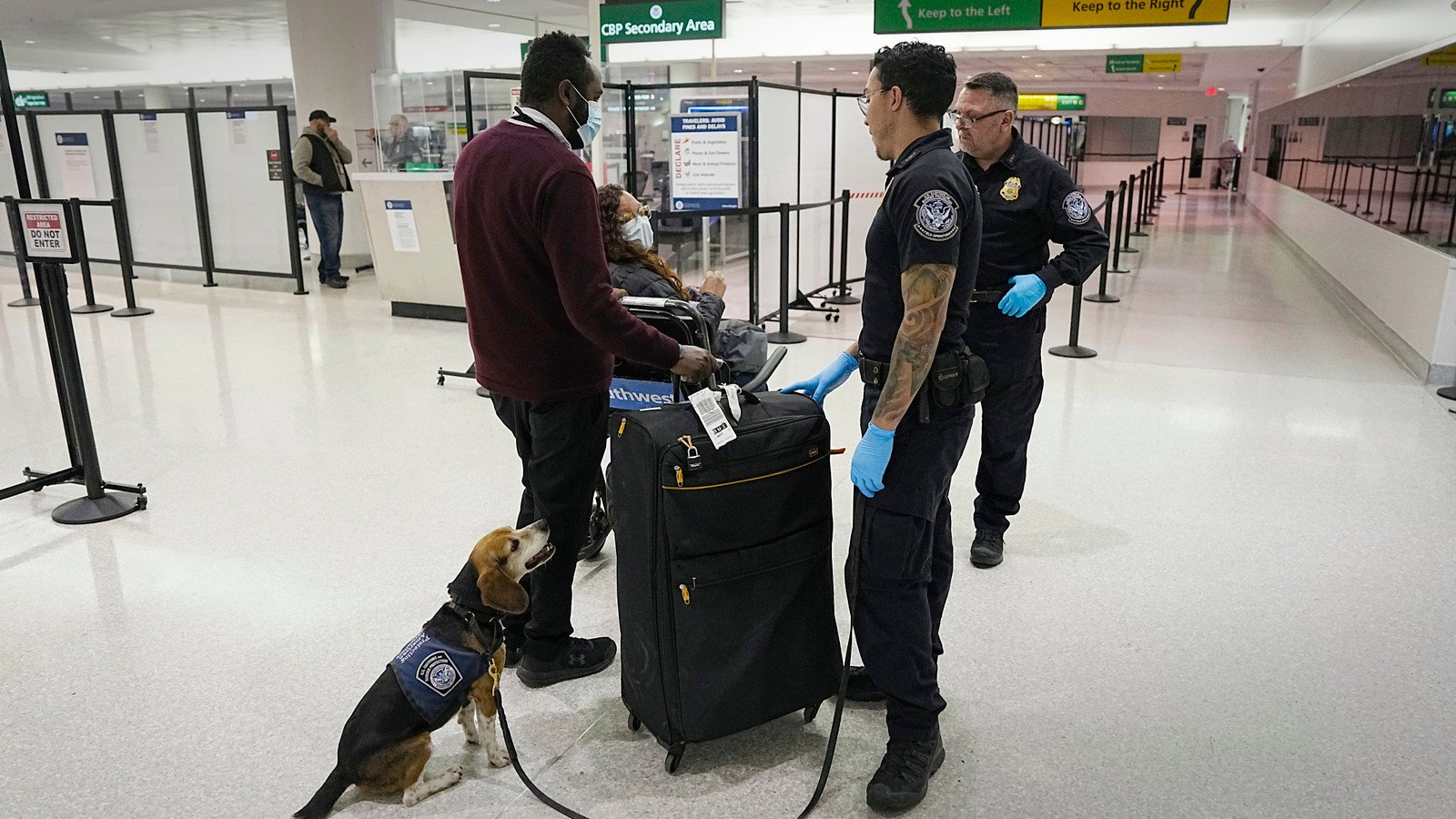
Border officers on both sides usually pull international travelers into secondary inspection when they find discrepancies in documents or in routine questions. This was the case of the Canadian travelers who tried to cross the border and were denied entry after being held for 12 hours.
According to a friend of the Canadian travelers who posted on Reddit, the CBP officers took their photographs and fingerprints, and searched their phones, with one of them being confiscated; it has not been returned since the incident three weeks ago. He said his friend had been trying to call CBP without success.
“Every time he calls the border, they try to get rid of him without even knowing who is calling. If he insists on speaking to a supervisor, the supervisor comes back saying they are still working on it,” reads the friend’s post on Reddit.
What the poster found most confusing is that during the initial stop, multiple CBP officers “kept apologizing” and promised them it would only take 15 minutes and that they would be allowed to go, which never happened. The poster thinks that the officers did want to help, but they “kept getting overruled by someone above them.”
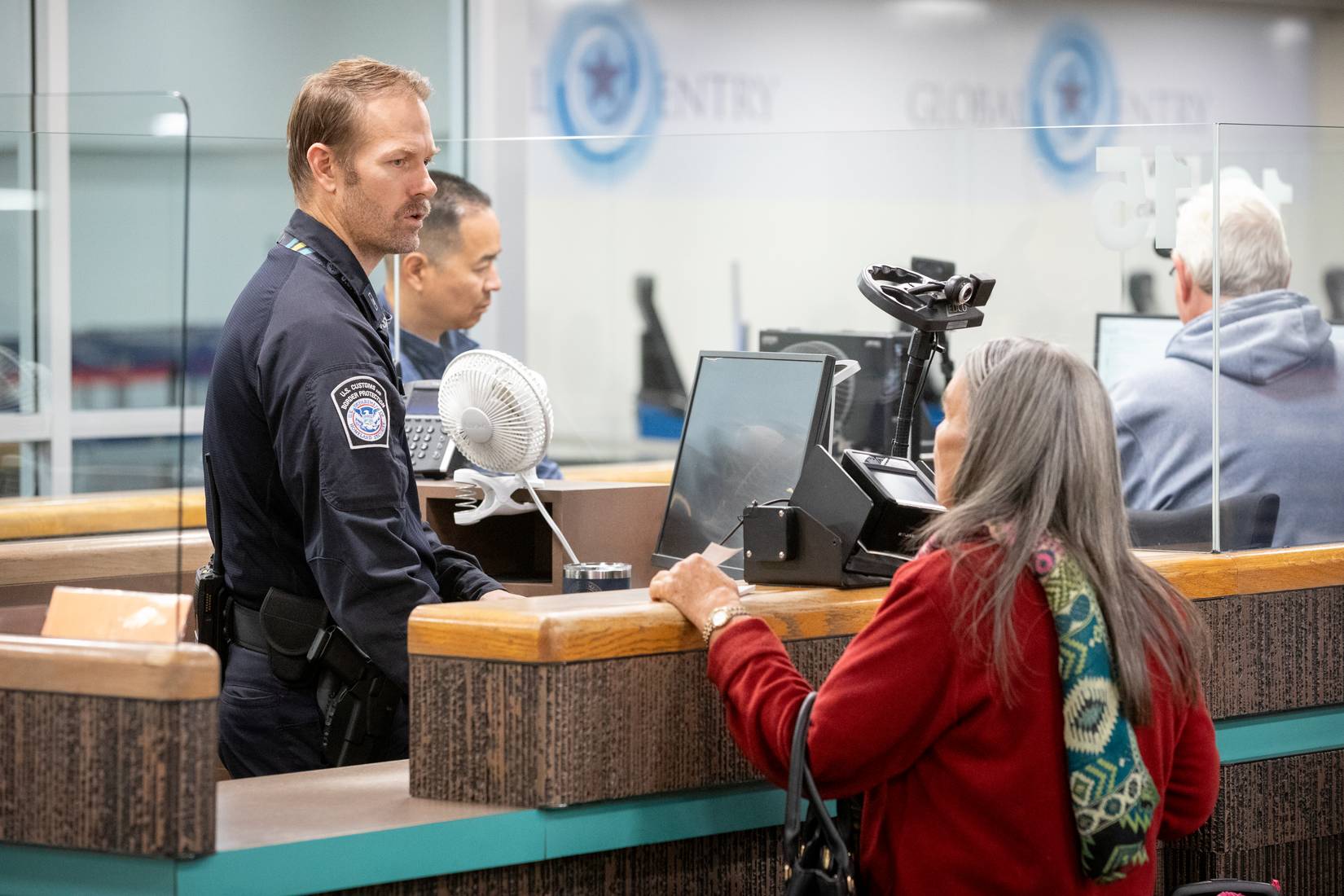
The poster added that the Canadian travelers were made to sign multiple forms, such as:
- I-831
- I-275
- I-160A
- DHS 6051D
- I-770 for the kids, and
- Foreign Terrorist Organization Notification form
Commenters on the Reddit post believe that the latter form they signed is due to the travelers’ country of birth, Tunisia, one of the countries for which the Trump administration indefinitely suspended visa processing.
Canadian Travelers Detained And Denied Entry By CBP Are Tunisians
In the comments, several commenters revealed that the Canadian travelers’ country of birth is Tunisia, prompting them to speculate that it could be the reason for their inadmissibility to the U.S. and the signing of a foreign terrorist form.
Others also believe that the Canadian-Tunisian travelers’ travel frequency to the U.S. was also the reason why they were denied entry. According to one individual’s comment, they had traveled to the U.S. a month prior, and a trip to the country within three months is a red flag.
This incident is not the first time dual-national travelers from the Canadian side have been denied entry to the U.S. In June, CBP denied a Canadian-Iranian traveler entry after taking fingerprints, and another traveler of the same descent, who was questioned about his possible military service in Iran.
Tunisian Nationality May Not Be The Sole Reason For Inadmissibility To The U.S.
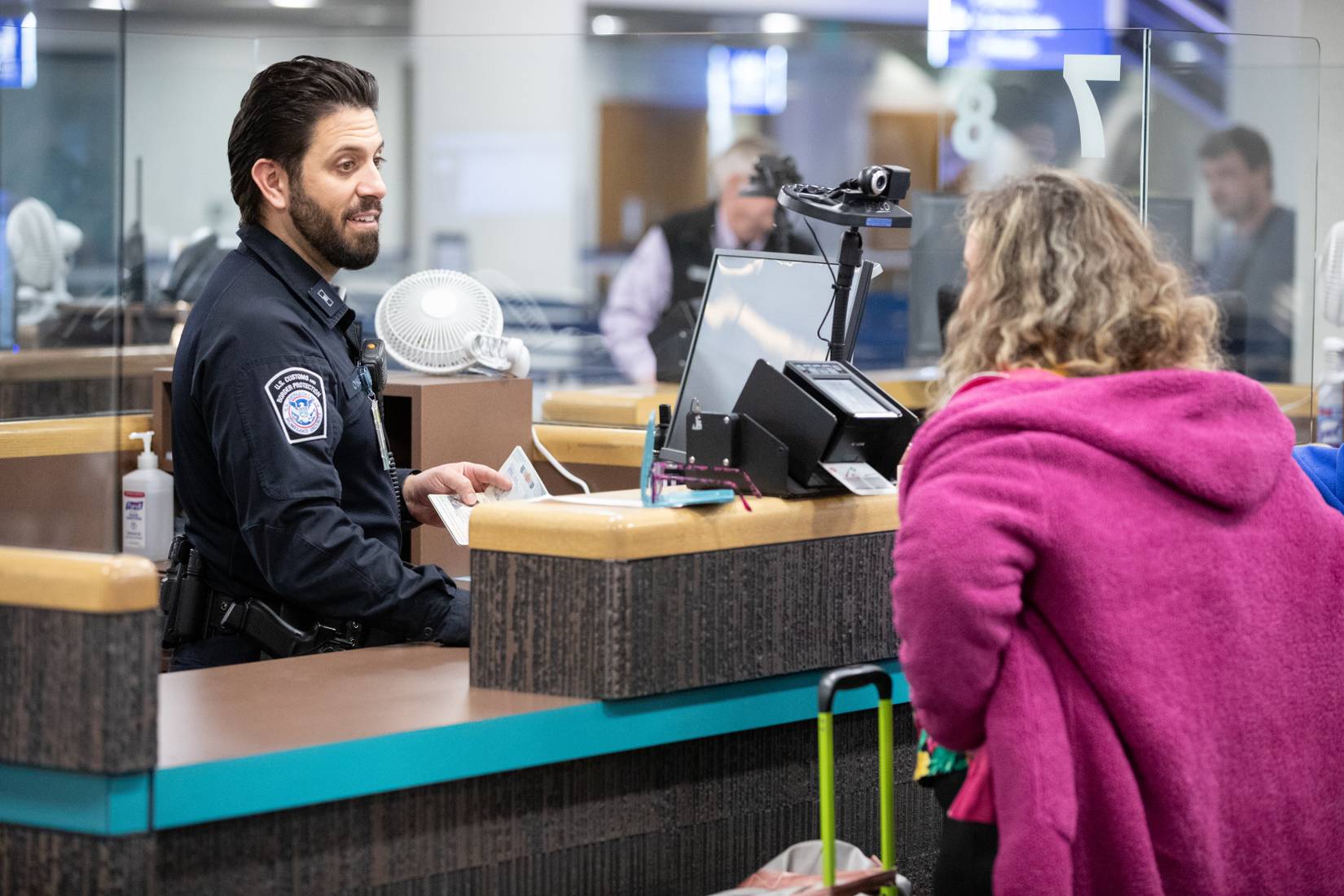
While many Reddit users speculate that being Tunisian is the main reason why the Canadian travelers were found inadmissible to the United States, an immigration expert believes otherwise.
Speaking with TheTravel, Ken Scott, a Senior U.S. Immigration Law Intelligence Analyst at U.S. Entry Waiver Services, said that there are still a lot of unanswered questions about this incident, and “no one should assume the denial was based solely on the traveler’s Tunisian nationality.”
“CBP officers consider the totality of the circumstances, including travel history, statements made during inspection, documents presented, electronic evidence, and any information available through government databases. Nationality alone is generally not enough to explain a refusal of admission,” Scott told TheTravel.
In the Reddit post, the Canadian-Tunisian travelers’ friend mentioned that the reason for the denial was “intending immigrant without documents,” which they denied, as they only wanted to visit and had no intention of immigrating to the U.S.
According to Scott, the “intending immigrant” reason indicates CBP concluded the traveler had not overcome the presumption of immigrant intent. He explained that “every foreign national seeking admission to the United States must satisfy the inspecting officer that they qualify for the status they are requesting.”
Scott added that if the Canadian-Tunisian travelers genuinely intended only a temporary vacation, there may have been information or circumstances that caused CBP to reach a different conclusion.
“Without reviewing the inspection records and signed documents, it is impossible to know exactly what influenced that decision. If the traveler believes the forms contain factual errors or that statements were inaccurately recorded, they should retain copies of every document they received, as those records may become important in any future attempt to enter the United States,” said Scott.
The phone’s return also depends on the reason for its confiscation. For temporary inspection, phones are usually returned to the traveler before he leaves the port of entry.
This happened to another Canadian traveler who was denied entry, with his phone confiscated for more than three weeks, after CBP officers found him inadmissible to the U.S. over a small pencil-sized vape with THC in his car, which he claimed was not his.
However, according to Scott, if CBP formally seized the phone as evidence or under customs authority, it may be held for an extended period, and in some cases, may not be returned until the administrative process is complete. The seizure paperwork should explain the reason and any available procedures.
What International Travelers Should Expect When Experiencing Inadmissibility At The Border
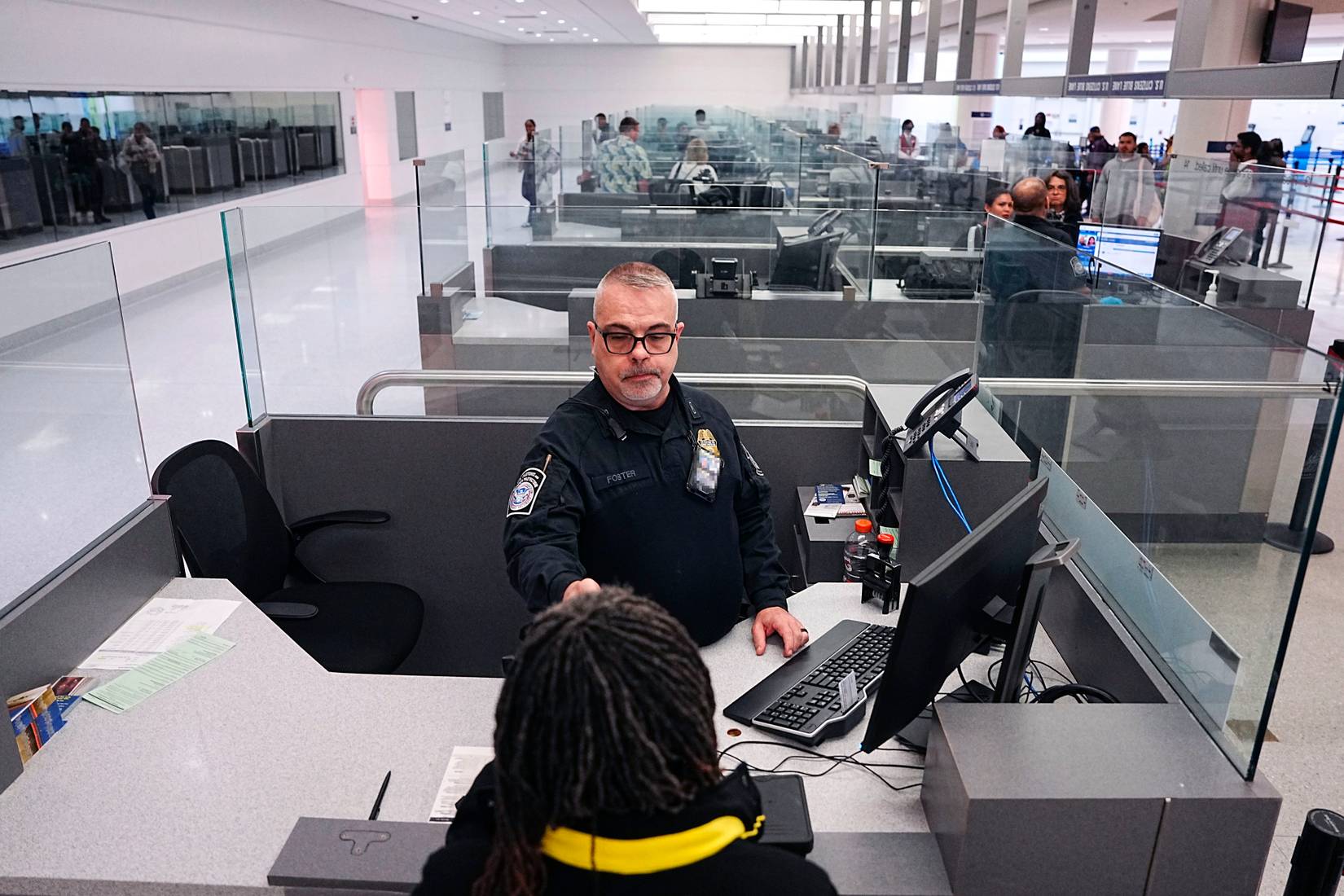
Even with a valid visa, passport, or travel authorization, international travelers, such as Canadians, can still face challenges at the border. Where permitted by law, travelers may experience additional screening, questioning, temporary detention, electronic device inspections, and sometimes confiscation when border officials find them inadmissible.
Scott also said that the inadmissibility will likely become part of CBP’s records and may result in more detailed questioning during future attempts to enter the United States.
For travelers who experienced denial by CBP, Scott recommends doing the following:
|
Carefully preserve signed documents, including I-275. |
|
Understand exactly why admission was refused. |
|
Determine whether additional documentation will be needed to address CBP’s concerns. |
When asked whether the denied travelers could still enter the U.S. in the future, Scott said that refusal at the border is not synonymous with a permanent ban. He explained that it “depends on the legal basis for the refusal, the contents of the inspection record, and whether the concerns that led to the denial can be resolved.”
Scott also said that some travelers can return after providing stronger evidence supporting the purpose and temporary nature of their trip, while others may require additional legal steps before becoming admissible again.
The exact reason for entry refusal may not be disclosed publicly, but the incident that the Canadian-Tunisian travelers experienced at the U.S.-Canada border with the CBP officers highlights the reality that admission into another country like the U.S. isn’t guaranteed despite having a valid visa or passport.