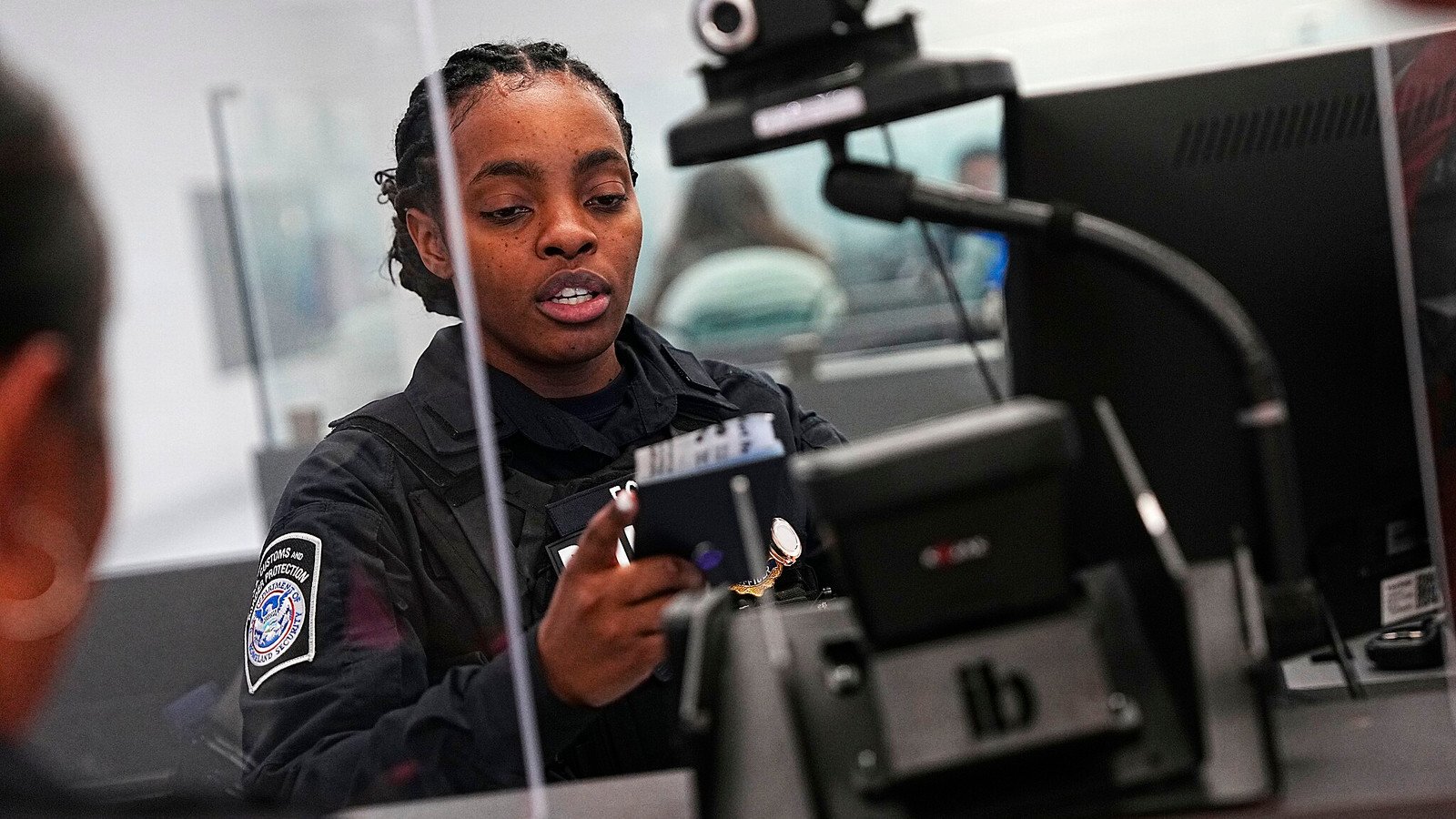
An American citizen is being prosecuted by the U.S. Justice Department after he was accused of deliberately wiping his phone during a routine smartphone search by U.S. Customs and Border Protection (CBP).
The legal case, which is being called a first-of-its-kind by prosecutors, alleges that the traveler used a privacy feature known as a “duress passcode” to destroy the contents of the phone. This case comes as border officials are searching more phones than ever before, looking at WhatsApp messages, emails, and notes, raising questions and concerns around travelers’ privacy.
Prosecutors Accuse Traveler Of Using A Duress Passcode To Erase His Phone
In January 2025, Atlanta resident Samuel Tunick had his phone seized at Hartsfield-Jackson Atlanta International Airport during a routine inspection by CBP officers. Although relatively rare, CBP can and does search travelers’ electronic devices, including phones, laptops, tablets, and even smartwatches.
However, prosecutors have accused Tunick of providing the officers with a “duress passcode” that wipes the contents of the phone when entered into the GrapheneOS-powered smartphone. GrapheneOS is a custom Android operating system that features on most modern Google Pixel devices. It allows the phone’s owner to set a passcode that deliberately removes the phone’s contents if entered instead of the user’s unlock passcode.
According to a report by The Guardian, when Tunick provided his code and the officers went to unlock the phone, the screen went black, flashed several times, and then appeared to restart. In a court indictment, prosecutors argue that Tunick knowingly supplied the “duress passcode” to the CBP officers instead of his real passcode to unlock the phone, causing the device’sdata to be deleted before it could be examined.
“SAMUEL TUNICK, before and during the search for and seizure of property by Customs and Border Patrol Tactical Terrorism Response Team Supervisory Officer L.C., a person authorized to make such search and seizure, did knowingly destroy, damage, waste, dispose of, and otherwise take any action to delete the digital contents of a Google Pixel cellular phone, for the purpose of preventing and impairing the Government’s lawful authority to take said property into its custody and control, in violation of Title 18, United States Code, Section 2232(a),” the indictment reads.
Rather than charging him under laws relating to digital evidence, prosecutors later charged Tunick under a federal statute that makes it unlawful to knowingly damage or destroy property that prevents authorities from seizing it.
Security experts have argued that this is a first-of-its-kind case and have said they have not seen this statute used in this way before. Runa Sandvik, a digital security expert who works to protect at-risk people as the founder of security consultancy firm Granitt, told TechCrunch he has “not seen this before.”
“I have not seen this before, though I’ve discussed the potential scenario with activists and journalists over the years. I think this case serves as a reminder that authorities may argue you knowingly destroyed data, so it’s better to not have that data on you when you cross certain borders,” Sandvik said.
Tunick has pleaded not guilty, and the Atlanta Federal Court overseeing the case is expected to rule on his motion to suppress later this year. TheTravel has contacted CBP for comment.
Attorneys Argue That The Border Search Was Unlawful
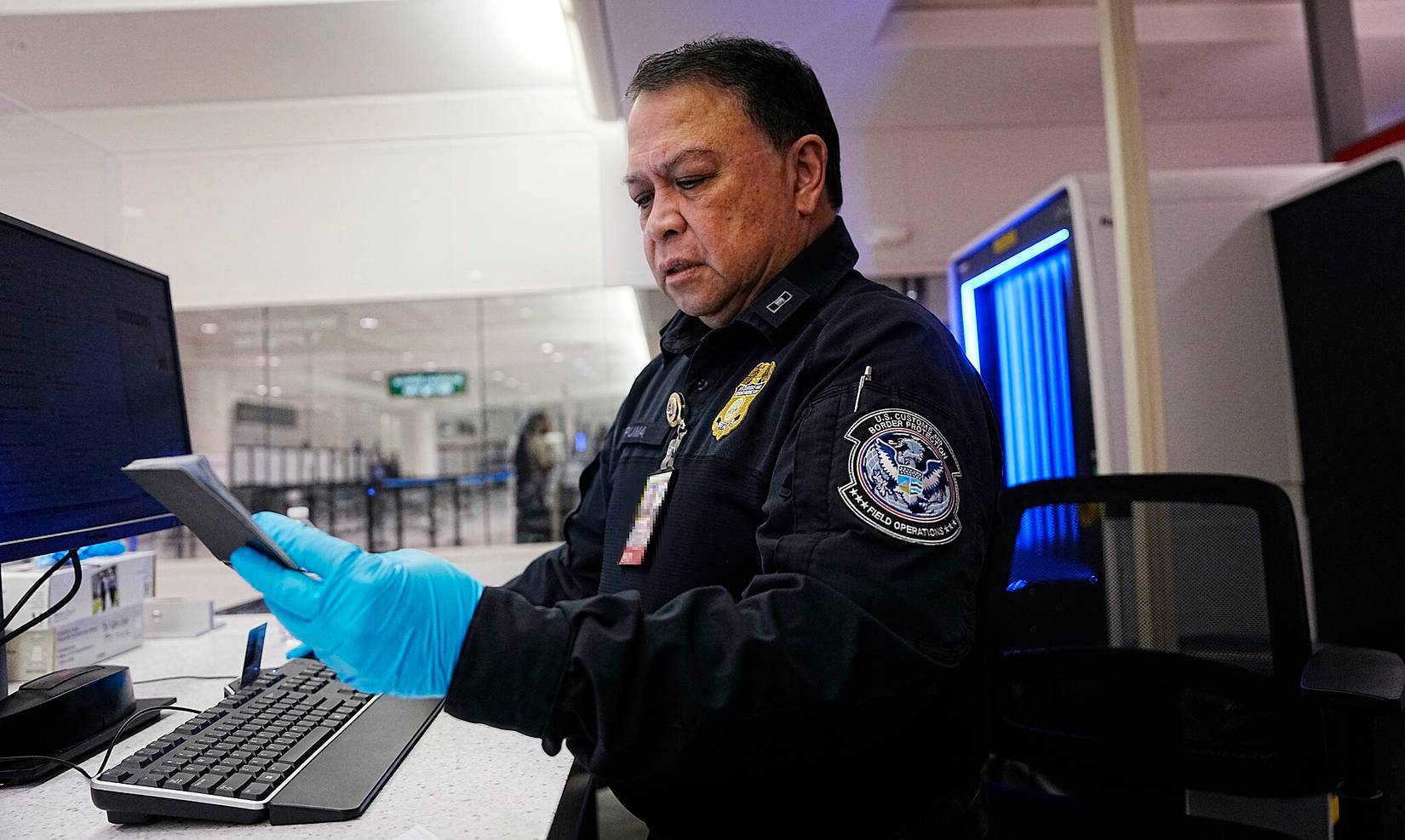
According to Tunick’s motion to suppress, his attorneys state that CBP officers demanded access to his phone under the pretext of searching for child exploitation imagery, while providing no evidence to justify their suspicions.
However, they argue that the officers were instead investigating Tunick for his association with the environmental movement Defend the Atlanta Forest, which opposes the development of a new training campus for law enforcement in Atlanta, which has been dubbed “Cop City.”
Tunick’s attorneys state in the motion that his constitutional rights were violated during the collection of statements and evidence, that his Miranda rights were not read to him, and that his phone was searched without a warrant. His attorneys also argue that Tunick was denied access to a lawyer.
“Mr. Tunick stated early in the interview that he did not want to continue speaking without a lawyer. Yet the officers repeatedly ignored Mr. Tunick’s requests to speak with his lawyer, continued to question him, and declared: “because you’re refusing to talk, which is your right, we have the authority to go through your phone to see what we’re looking for,” the motion to suppress states.
The government has countered these claims, arguing that they were not required to produce a warrant since Tunick was returning from vacation in the Dominican Republic and had not yet been granted permission to enter the U.S.
Tunick’s Case Could Have Wider Implications For Travelers
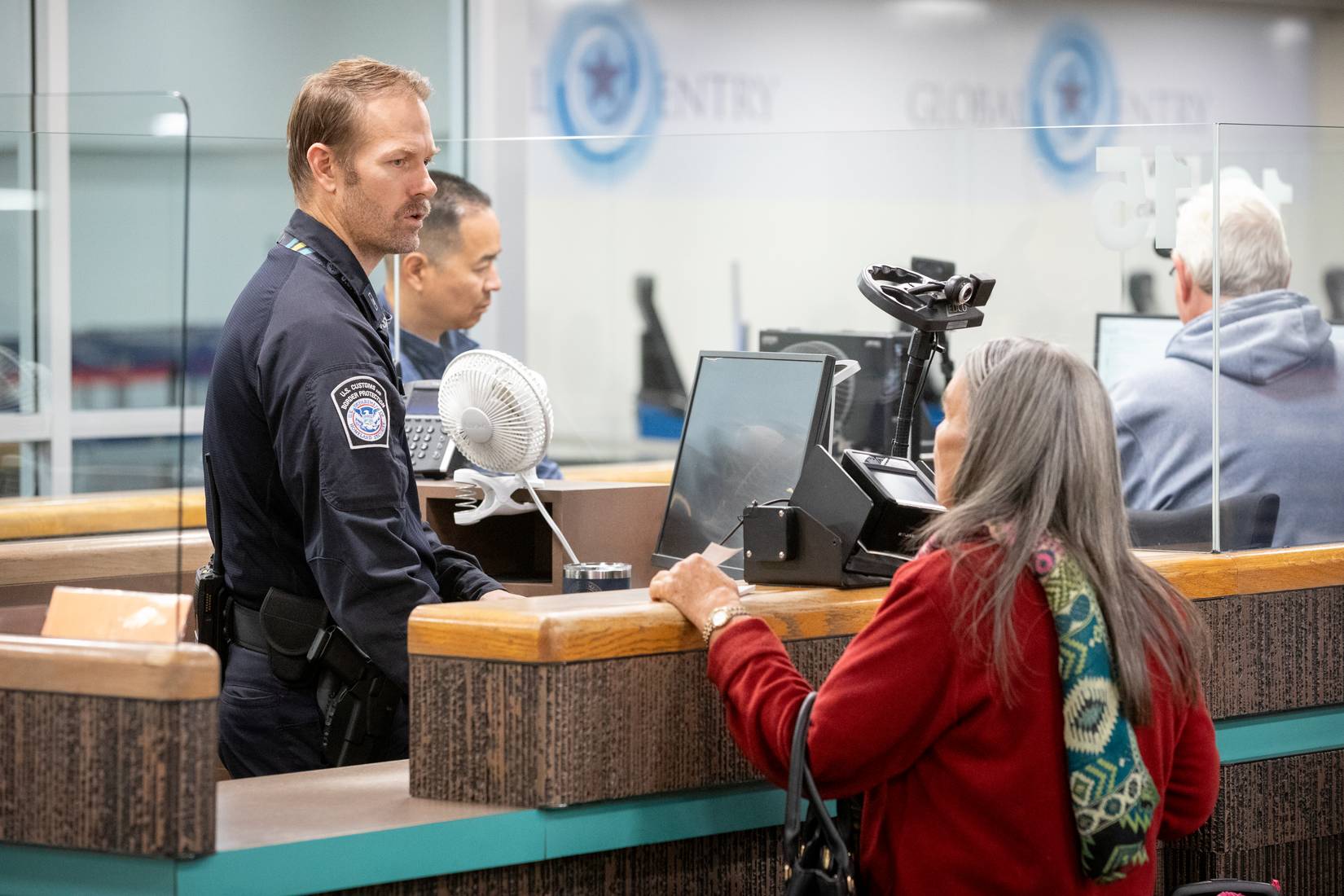
While Tunick’s case is being described as the first-of-its-kind, there have been several reported incidents of travelers getting into trouble after CBP phone searches. In June this year, for example, a man was abruptly detained at Los Angeles International Airport after a phone search. The outcome of Tunick’s case could have consequences for millions of people traveling to the U.S. with smartphones that contain sensitive data.
Privacy advocates argue that travelers are increasingly relying on advanced operating systems like GrapheneOS to protect their data from theft or surveillance.
“We all have a right to secure our private data against unconstitutional searches. And we should – especially in a time of rising authoritarianism,” Marlon Kautz, a member of the Atlanta Solidarity Fund, told The Guardian.
However, the Department of Justice’s decision to pursue legal charges raises questions about whether using security features such as duress passcodes could lead to legal trouble for travelers if authorities believe they intentionally interfere with an official search.
As more travelers adopt devices with increasingly sophisticated privacy protections, a ruling in this case could help clarify how courts balance digital privacy with the government’s authority to conduct searches of devices at international borders.