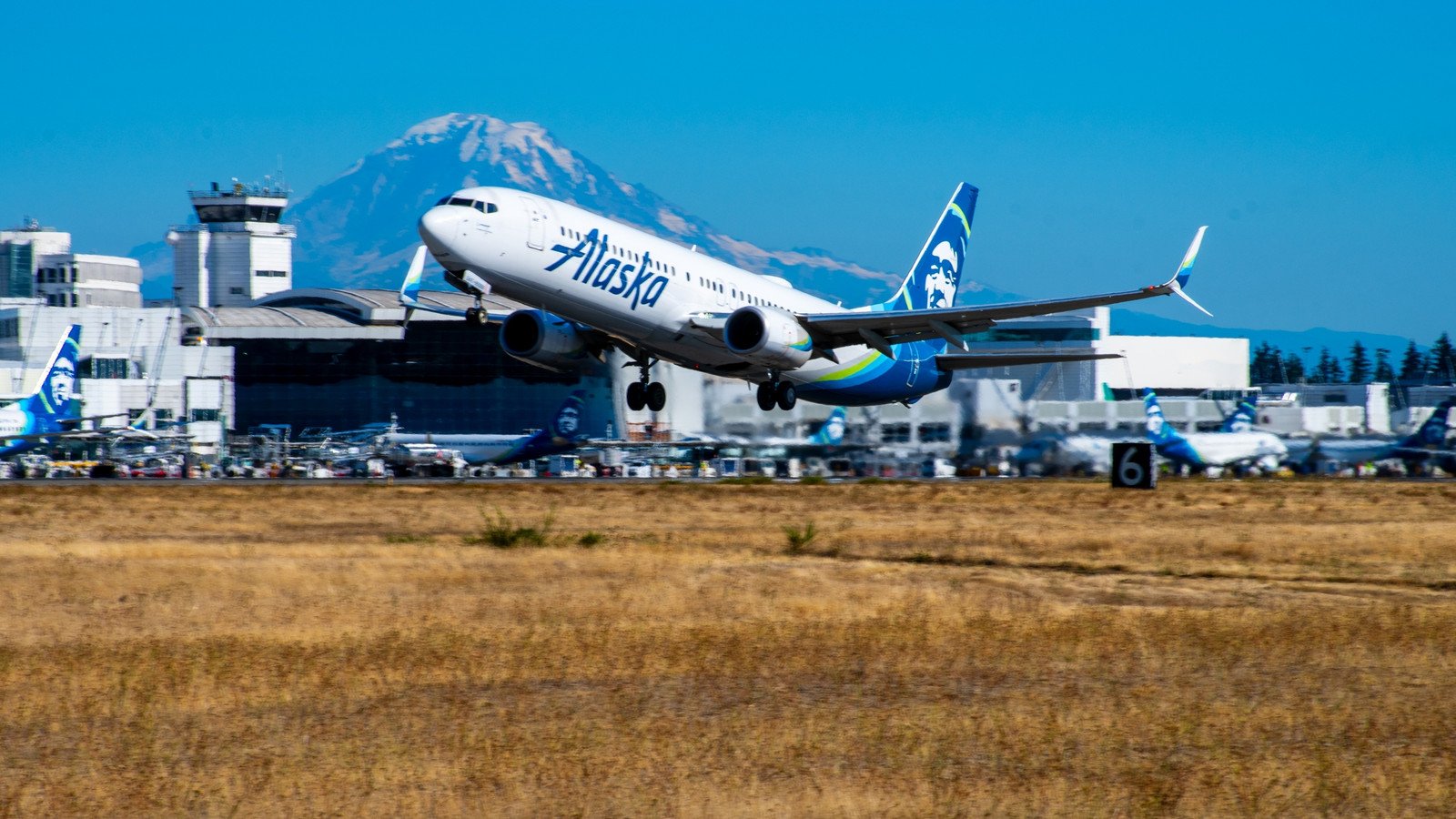
An Alaska Airlines flight bound for Seattle-Tacoma International Airport (SEA) declared an emergency over the Atlantic Ocean on July 19 after making a U-Turn over the Atlantic Ocean. The Boeing 787-9 Dreamliner, which has 300 seats, aborted its transatlantic trip after two hours into the flight.
Flight AS181 operates a daily long-haul route between Leonardo da Vinci International Airport (FCO) — serving Rome, Italy — and the U.S. airport. The trip typically takes about 12 hours; however, this flight was just over five and a half hours.
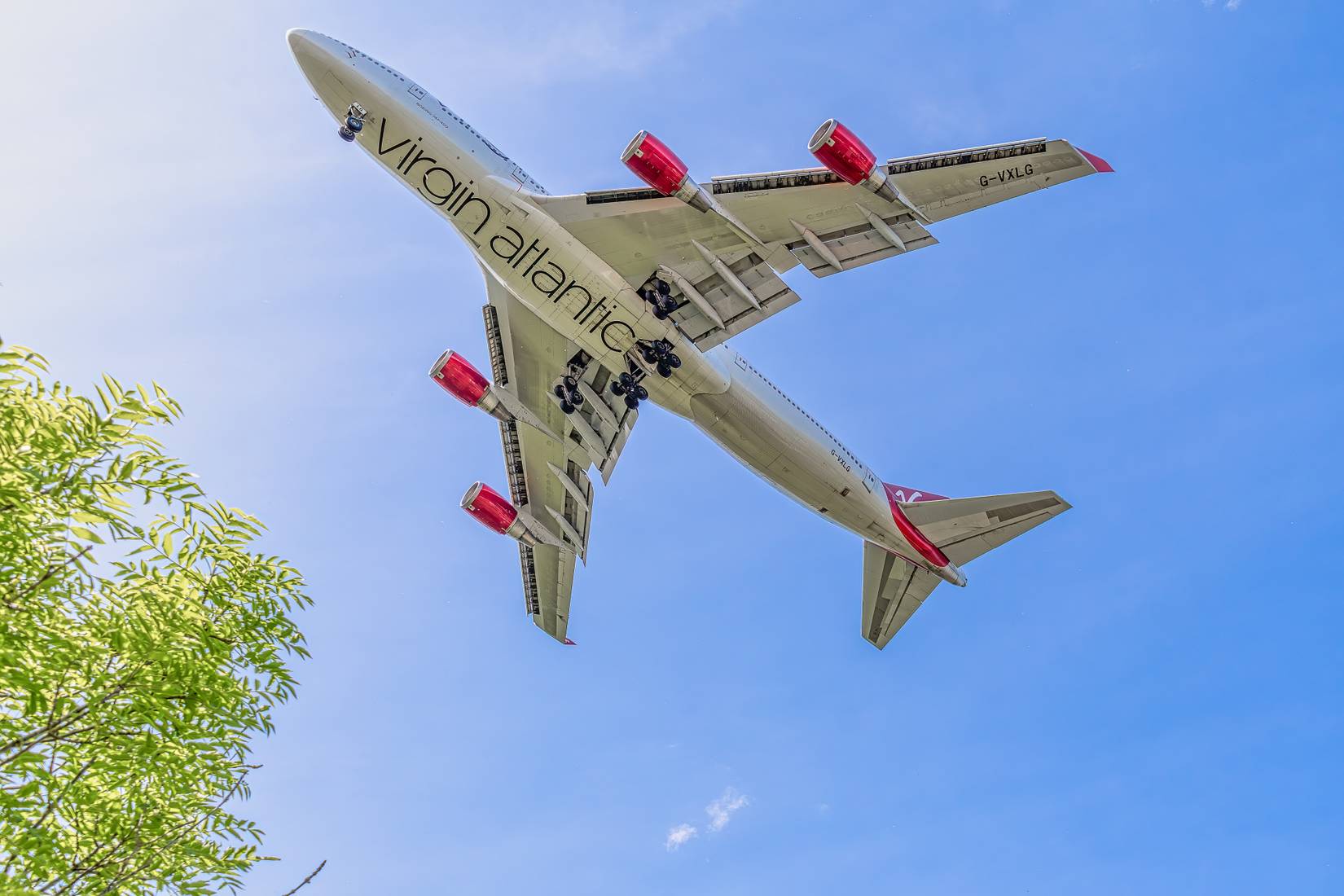
This comes nearly a week after a Virgin Atlantic flight on July 13, bound for Florida, made a U-turn over the Atlantic Ocean to return to London Heathrow Airport (LHR). In the latest incident, Alaska Airlines has not publicly confirmed what prompted the flight to declare an emergency.
Alaska Airlines Transatlantic Flight To Seattle Declares An Emergency
Alaska Airlines Flight AS181 (registration N780HA) departed from the Italian airport at 4:22 p.m., according to data from FlightAware. Less than two hours into the trip, the crew declared an emergency. Roughly fifteen minutes later, the flight made a U-Turn over the Atlantic just off the southwestern coast of England.
The widebody jet flew over England, headed toward France. The aircraft performed maneuvers consistent with a fuel-dumping procedure.
Planes often need to burn off fuel after a diversion to reduce their weight to avoid exceeding the Maximum Landing Weight (MLW). MLW defines the maximum weight a plane can safely land without facing potential structural damage.
The flight eventually landed at 9:15 p.m. local time at Rome Fiumicino Airport, with no injuries reported. According to aviation news website AirLive, the flight was diverted back to its origin airport due to engine vibration. The plane was parked on a remote stand, a parking spot away from the main terminal and without a jet bridge.
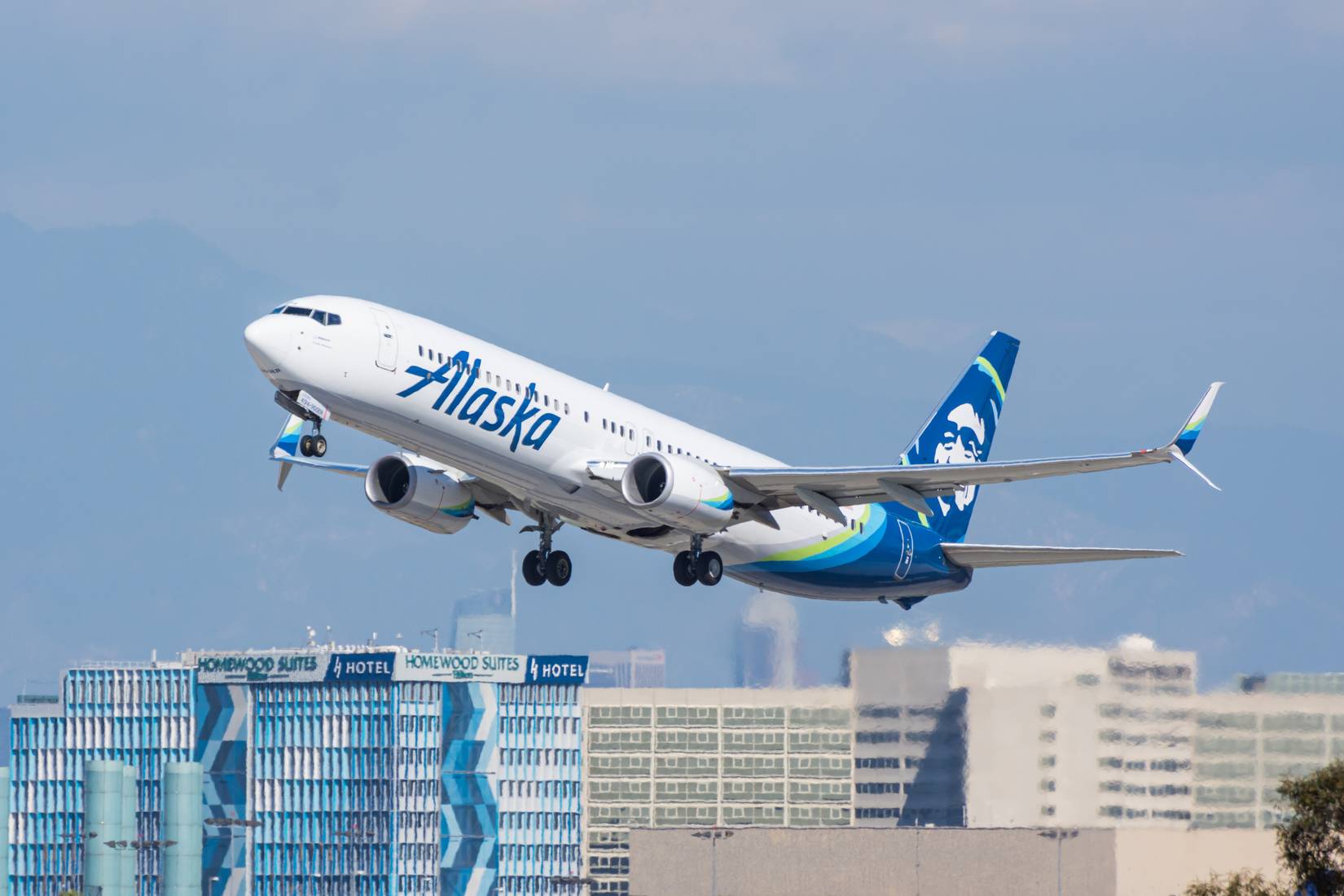
The SeaTac, Washington-based carrier scheduled a new departure for 11:00 p.m. local time out of the European airport, AirLive reports. Data from FlightAware, however, doesn’t show that an Alaska Airlines flight departed on that route on July 19.
Alaska Airlines has not confirmed whether engine vibrations caused the declared emergency; however, they can be a serious issue if not addressed properly. In March 2025, an American Airlines flight was diverted after engine vibrations were detected.
American Airlines Flight Made Emergency Landing Following Engine Vibrations
Travelers may be familiar with low levels of vibration during a flight; however, when engine vibrations exceed acceptable operating limits, they can signal a potential mechanical issue.
American Airlines Flight 1006, with 172 passengers and six crew members onboard, was bound for Dallas Fort Worth International Airport (DFW) from Colorado Springs Airport (COS) on March 13, 2025. According to the Federal Aviation Administration (FAA), the pilot of the Boeing 737-800 radioed ATC mid-flight to report engine vibrations.
The pilot requested a landing at Denver International Airport (DEN) and landed safely soon after. However, after the plane began taxiing, the engine erupted into flames, and the pilot issued an urgent Mayday call to ATC.
“Mayday, Mayday, Mayday! Mayday! … engine fire!” could be heard on the radio to Air Traffic Control.
Passengers were swiftly evacuated to the plane’s wing. Travelers inside the airport shared videos on social media showing the terrifying incident, with a row of passengers standing on the wing as smoke billowed around them.
All passengers and crew reached the tarmac, and the Denver Fire Department quickly extinguished the blaze. Twelve passengers were taken to a hospital with minor injuries.
At the time, passenger Daniel Friedman described the ordeal as traumatizing to local outlet WRAL.
“It was a pretty traumatic experience,” Friedman said. “Just honestly, so in shock. I mean, I’m really happy to just be alive and happy that nobody else got hurt, you know, just minor injuries.”
While this American Airlines flight was a domestic route, the Alaska Airlines flight marks the latest incident this year in which a U.S.-bound plane aborted its transatlantic trip.
Two More Flights Diverted To A European Airport Before Crossing The Atlantic
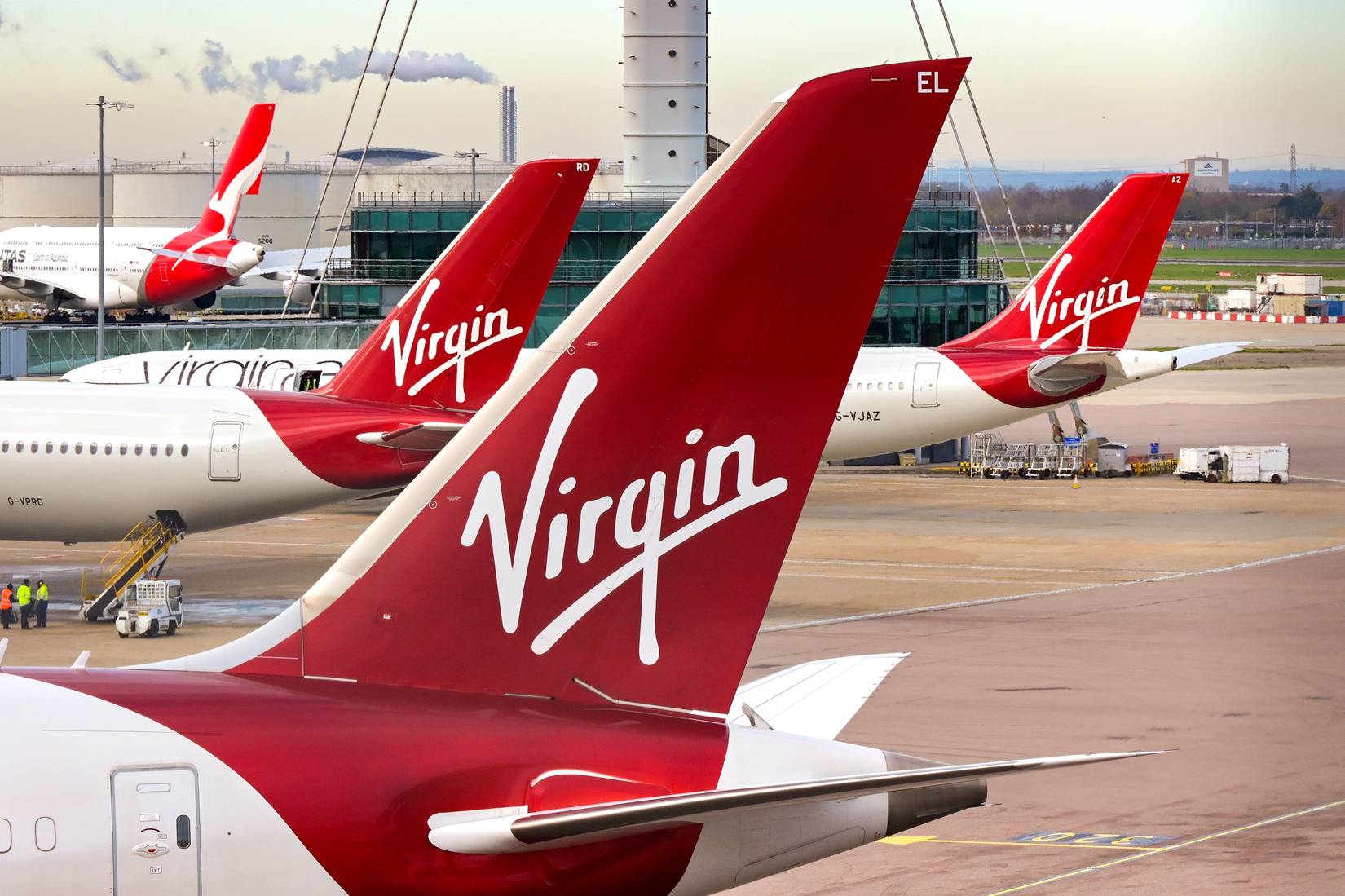
A Virgin Atlantic flight (VS135) on July 13, from London Heathrow Airport (LHR) to Orlando International Airport (MCO), made a U-turn after flying in circles for hours. Data from FlightRadar24 shows that, roughly an hour into the flight, the aircraft, an Airbus A350-1000, began circling over the coast of Ireland in a holding pattern for roughly two hours.
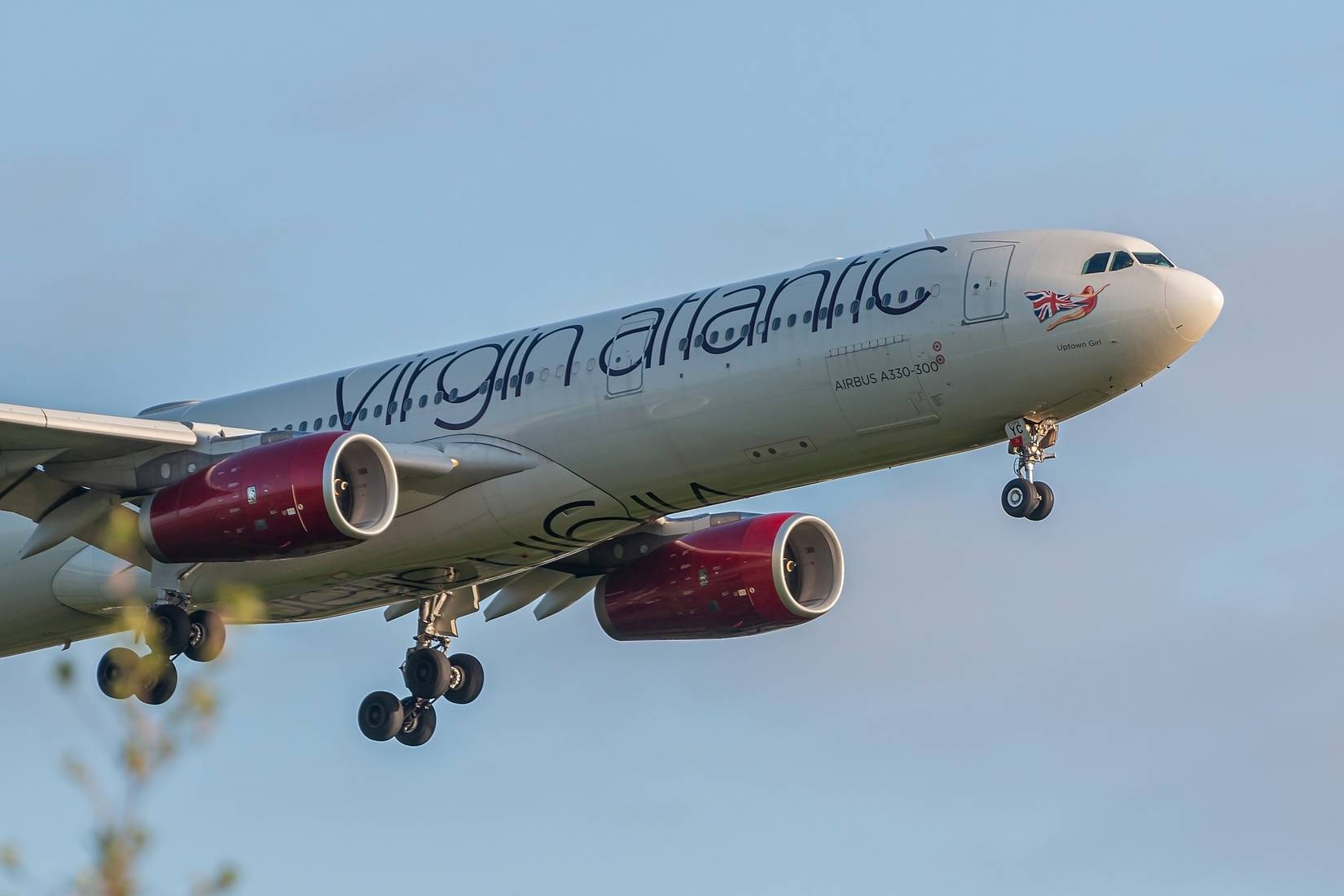
Just before 7:00 p.m. local time, the plane turned back and landed at Heathrow Airport, with no injuries reported.
Virgin Atlantic explained in a statement to TheTravel why the plane turned around.
“Flight VS135 from London Heathrow to Orlando on Monday 13th July returned to London Heathrow due to a minor technical issue and was subsequently cancelled,” the airline told TheTravel.
Earlier in the year, a May 30 flight from London Airport to Sangster International Airport in Montego Bay, Jamaica also made a U-turn over the Atlantic Ocean. The plane’s engine suddenly failed mid-flight. The aircraft, which carried 246 passengers and 13 crew, landed safely in Ireland and was met by several emergency responders.
The airport’s Fire and Rescue Service had several units along the runway. The National Ambulance Service, Gardaí, and units from the Clare County Fire and Rescue Service were also on the scene.
For the Alaska Airlines flight, it remains unclear whether emergency responders were on hand upon landing.
TheTravel contacted Alaska Airlines but did not receive a response in time for publication.