An accident that occurred at the base of Montana’s highest peak made a hiker decide that he would not get himself into a lifetime of debt after being impaled while hiking.
His unexpected choice to self-rescue sparked widespread attention among hiking enthusiasts and the American public about the staggering price of emergency medical care in the United States.
He took matters into his own hands, but as a trauma nurse, the trekker told the Associated Press that he was confident he was going to be alright. His decision to hike out despite suffering an impalement was one of the difficult choices some outdoor adventurers feel compelled to make to avoid expensive emergency care in the U.S.
Montana Hiker Chooses To Trek Ten Miles While Impaled To Avoid Pricey Helicopter Rescue
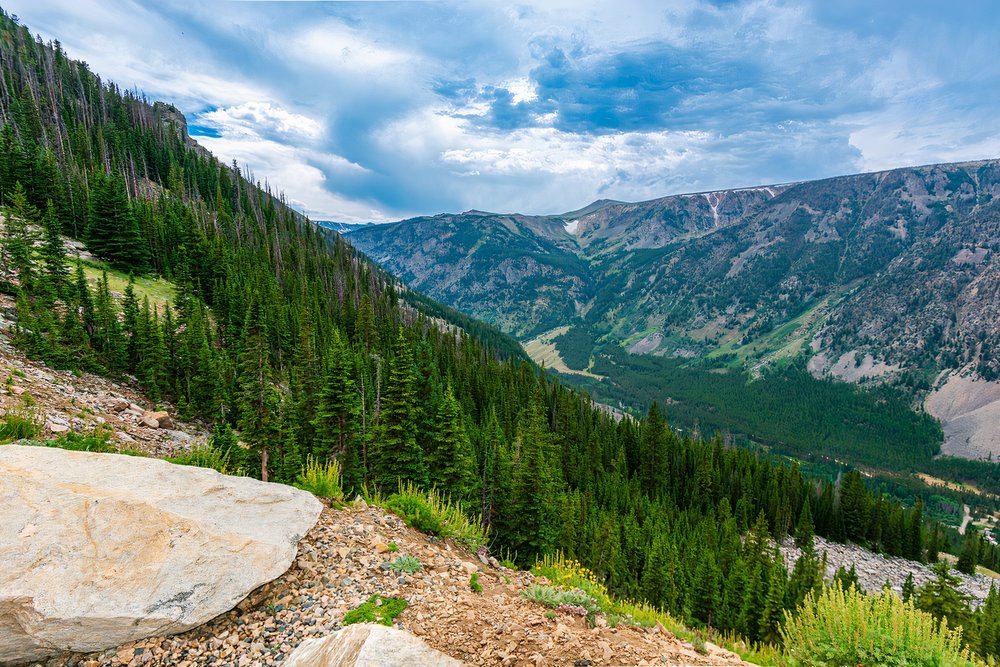
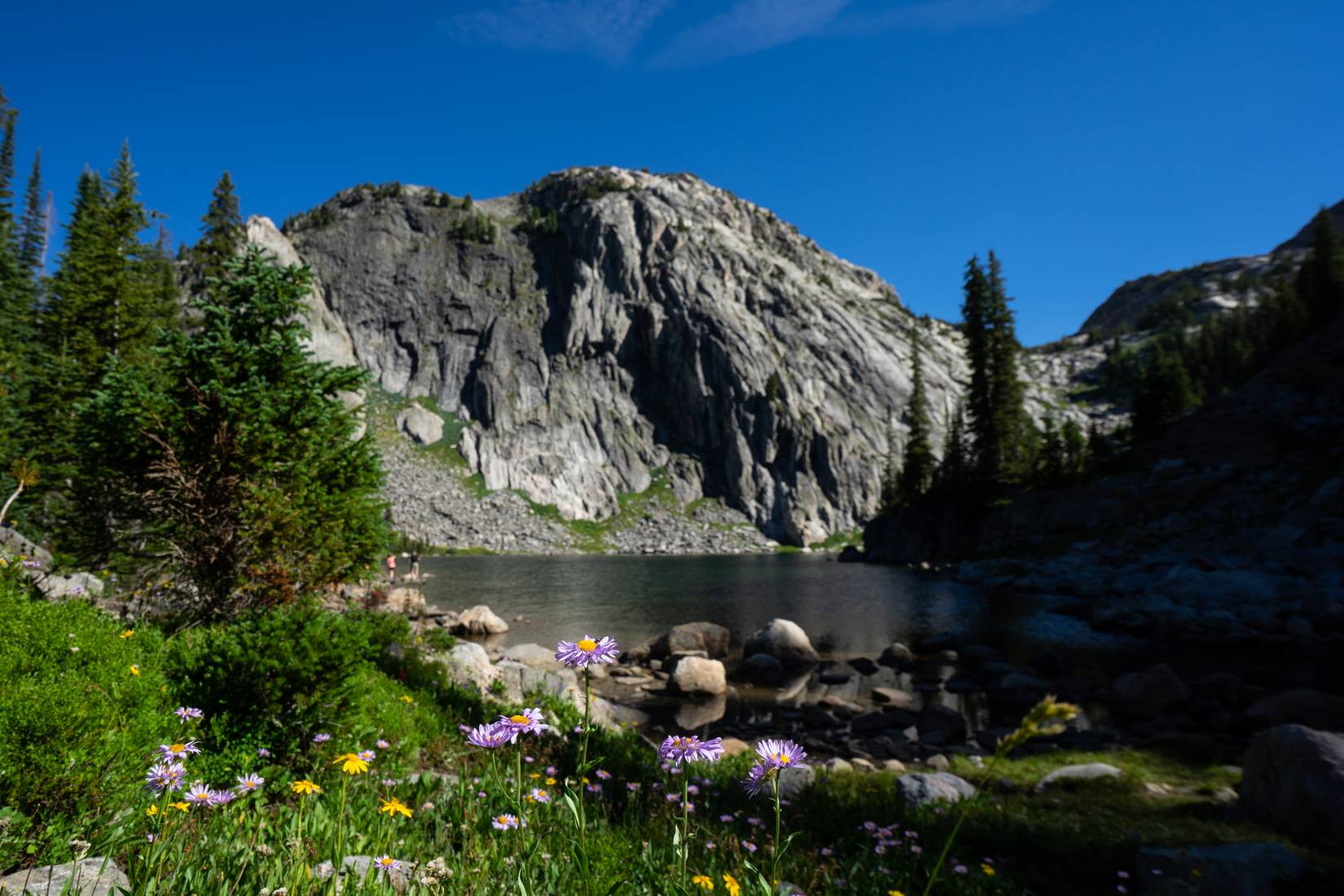
David Cifaldi, a trauma nurse, and two of his friends were at the base of Montana’s Tempest Peak in the Beartooth Mountains and were ready to ascend when he slipped and fell. He said he was rolling over when he realized the trekking pole got stuck in his side.
Cifaldi did a quick trauma assessment and believed he was fine descending ten miles to the trailhead with his pole still stuck, as he realized it was just in the soft tissue. He and his friends decided to hike out, which took six hours to the Mystic Lake Trailhead and another hour to the local emergency facility.
“Search and rescue coming to help you is free. The flight is not. That was obviously a factor in me deciding to self-rescue. The fact that I had two experienced, great friends with me, and we had the ability to contact search and rescue if something went wrong made it a lot more of an easy decision,” Cifaldi said.
Emergency services, particularly helicopter rescue, incur a fee that will be charged to the patient, which reportedly happened to a hiker who suffered heat exhaustion while hiking in Yosemite National Park, with her group allegedly facing a $70,000 bill after she was rescued and airlifted.
Yosemite National Park officials have confirmed to TheTravel that “medical treatment or ambulance or air ambulance transportation provided by outside medical providers,” may “incur costs associated with an incident that are separate from the rescue itself,” although the National Park Service does not charge visitors for search and rescue operations.
TheTravel reached out to David Cifaldi for comment, but did not receive a response by the time of publication.
Public Reactions To Montana Hiker’s Decision To Avoid High Costs Of Helicopter Rescue
Cifaldi’s decision to hike seven hours to get help rather than call for a costly helicopter evacuation fueled renewed discussion over the expensive emergency medical care in the U.S., with many Americans expressing their disappointment in the country’s healthcare.
One individual said that America bankrupts its citizens for emergency services, including nurses. Others expressed the same frustration, saying healthcare in the U.S. is a joke.
“A man who risked his life instead of calling for help because critical, life-saving measures bankrupt American citizens every day,” an Instagram user commented on AP’s post.
Another also said that being a nurse, Cifaldi knows the “cost that will go into the flight, in-flight care, and being able to assess that he was stable goes to show the disadvantage (both financially and health literacy wise).”
Others also said that Americans should demand real healthcare reform, as U.S. citizens deserve better.
Instagram Reactions To Costly Emergency Helicopter Rescue
|
“Worrying about the cost of a potentially life-saving flight is such an American thing.” |
|
“Embarrassing for America. Free healthcare now. Tax the Uber wealthy. Release the Epstein files.” |
|
“What a joke of our healthcare system and those in charge of it. The world is watching and laughing at us. “The most powerful country in the world” cannot make healthcare free for its citizens.” |
|
“Having to choose to self-rescue because of the cost of the flight. Glad he is alright.” |
|
“This guy’s awesome. Our healthcare system is sh1t.” |
|
“Third World country with a Gucci belt.” |
Cifaldi’s split-second decision in the mountains can mean the difference between life and death, and Americans can’t help but get disappointed with their healthcare system, particularly with the costly helicopter rescue.
The Staggering Costs Of Helicopter Rescue In The United States
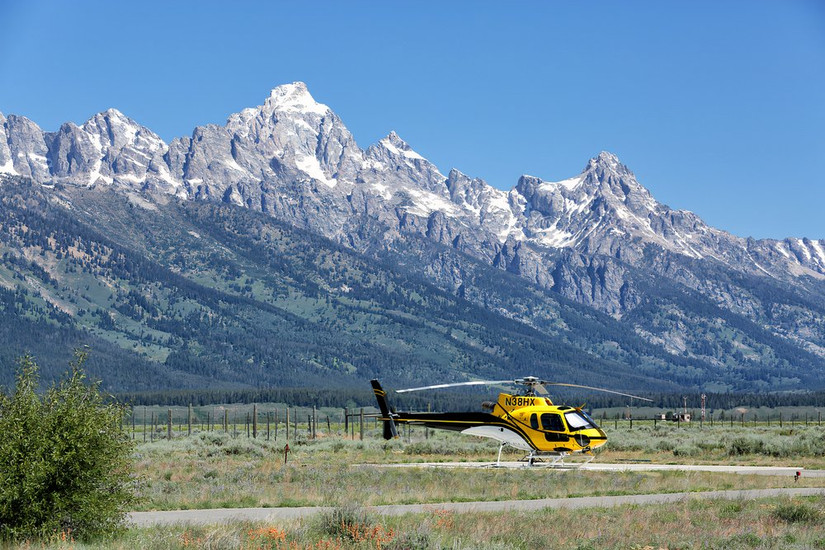
When a ground ambulance cannot move quickly, or rescues in the wilderness are impossible, helicopters will be dispatched, as these are equipped for quick emergency medical transport.
Depending on medical complexity, health insurance coverage, distance, or location, helicopter rescue bills can vary between $15,0000 and more than $100,000, and these have a combined effect for medical patients, especially when the cost strains their financial capabilities.
Rescues need expert medical responders, as well as local law enforcement and military personnel, to assist with the situation. For instance, in national parks, when the NPS’s ability to respond to emergency calls is strained, law enforcement is summoned for help, just as happened to Great Smoky Mountains National Park, when it asked the National Guard for rescue assistance.
However, when an accident happens within the bounds of national parks, the NPS covers the costs of search and rescue operations using its operating funds if it is less than $500. When the costs exceed that threshold, the NPS says that “it is paid from the National SAR account.”